Experimenting in Museums: What do you need most today?

Photo: Yang Weidong – http://www.smh.com.au

For the past 4 years, Chinese artist Yang Weidong has posed a deceptively simple question to over 300 Chinese intellectuals: “What do Chinese people need most today?”  These wide-ranging interviews have now become the core of a book by Yang as well as a in-progress documentary film titled “Xu Yao” or “Need” in Chinese, and “Signal” in English.  As for their answers … “Of China’s thinkers,” Yang tells NPR’s Louise Lim,  “more than 95 percent of those I interviewed need freedom, though they used different ways to express this.”

“Freedom of speech,” “freedom of expression,” and “free space for creative work” are combined with other responses in which people talked about the need for faith or spiritual life.  As the Sydney Morning Herald’s John Garnaut succinctly puts it, Yang’s project is about “China’s thirst for freedom.”  His simple question opened up some really powerful conversations with China’s intellectual and creative class about sincere needs and legitimate concerns — conversations that, interestingly enough, have not yet been shut down by the Chinese government (despite repeated searches of Yang’s home and after some of the interview tapes have been confiscated).

Taking the spark of motivation from Yang’s inspiring and ongoing “Need” project, I recently decided to develop an experimental prototype that would explore how museums might interact with this idea of personal/universal needs — real, sincere needs that could build toward new forms of public engagement. For the second year in a row, I am facilitating the Summer Museum Teaching Internship Program at the Saint Louis Art Museum, a unique program that brings together a diverse group of undergraduate and graduate students to explore and create different types of museum teaching and learning experiences.

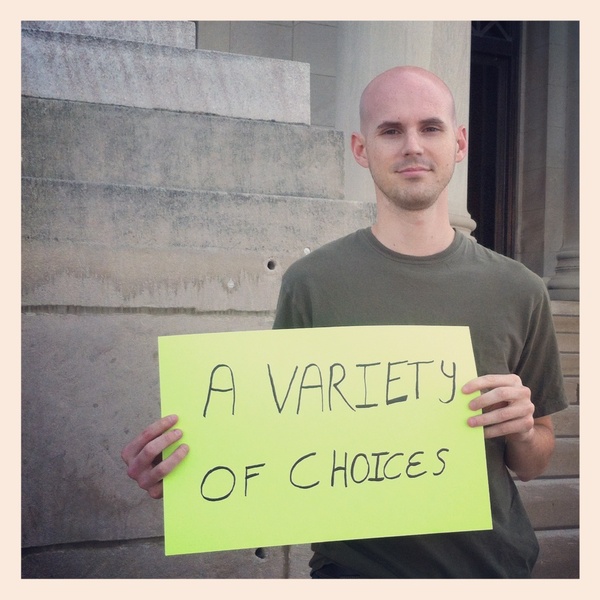
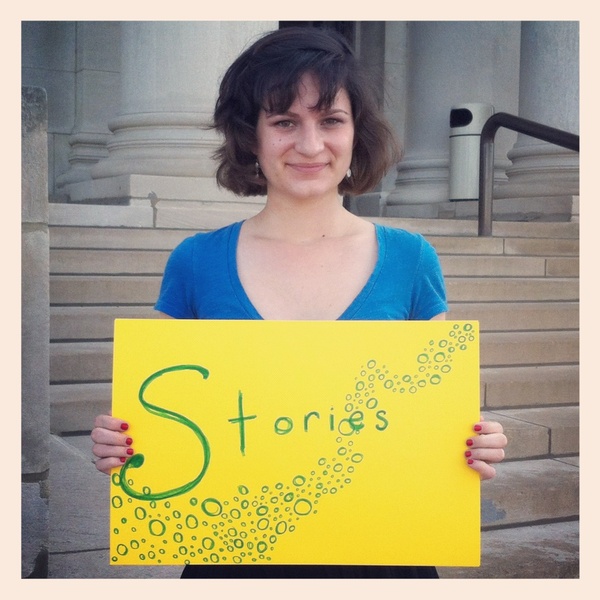
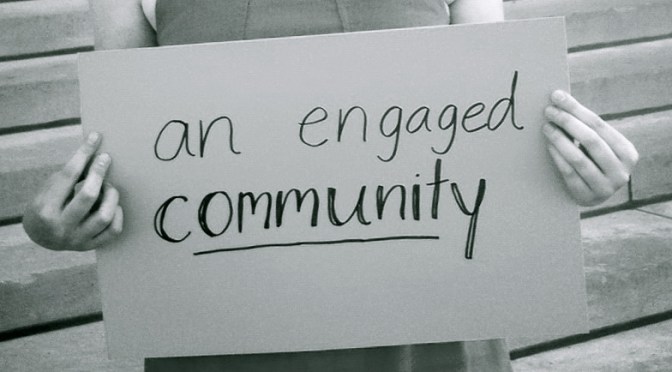
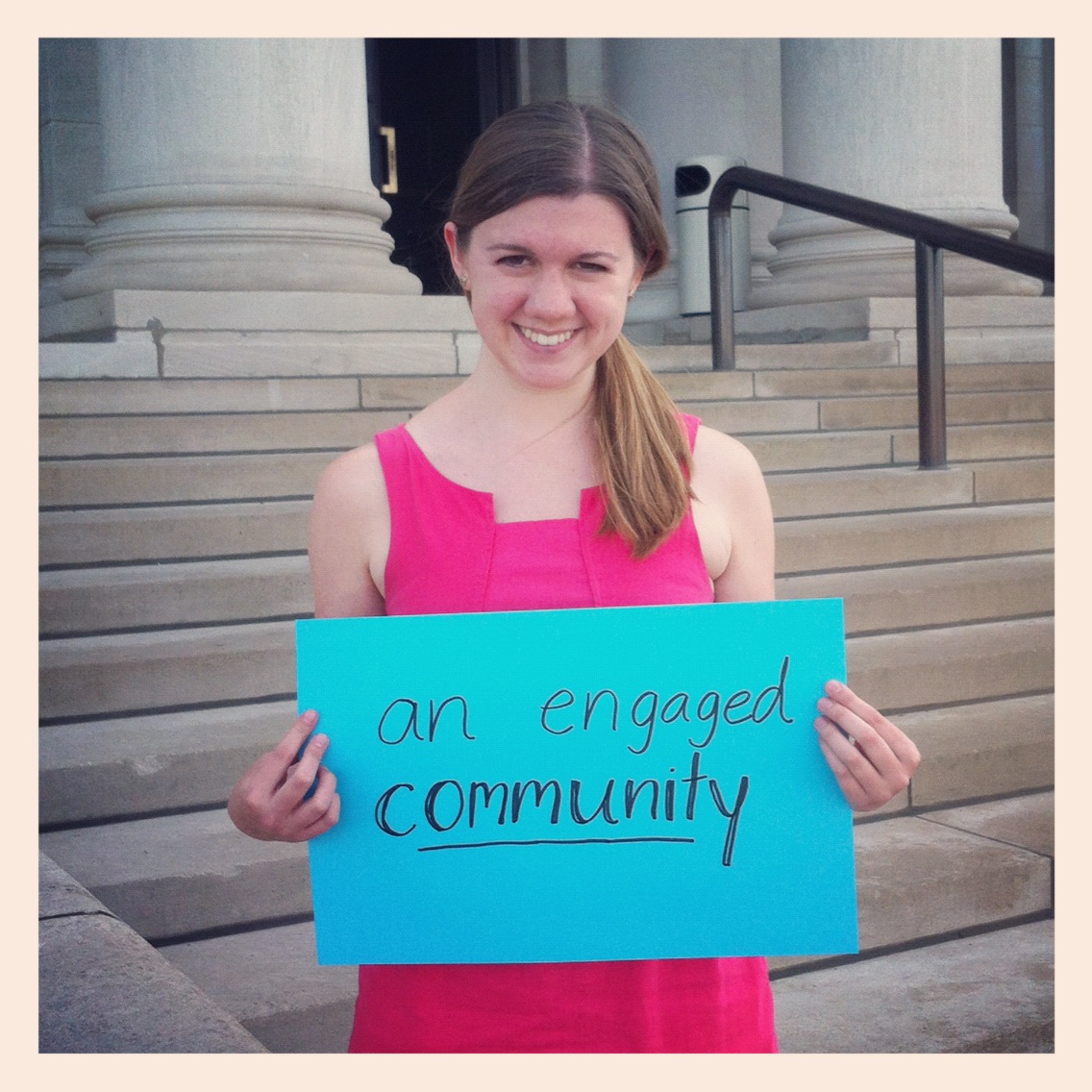
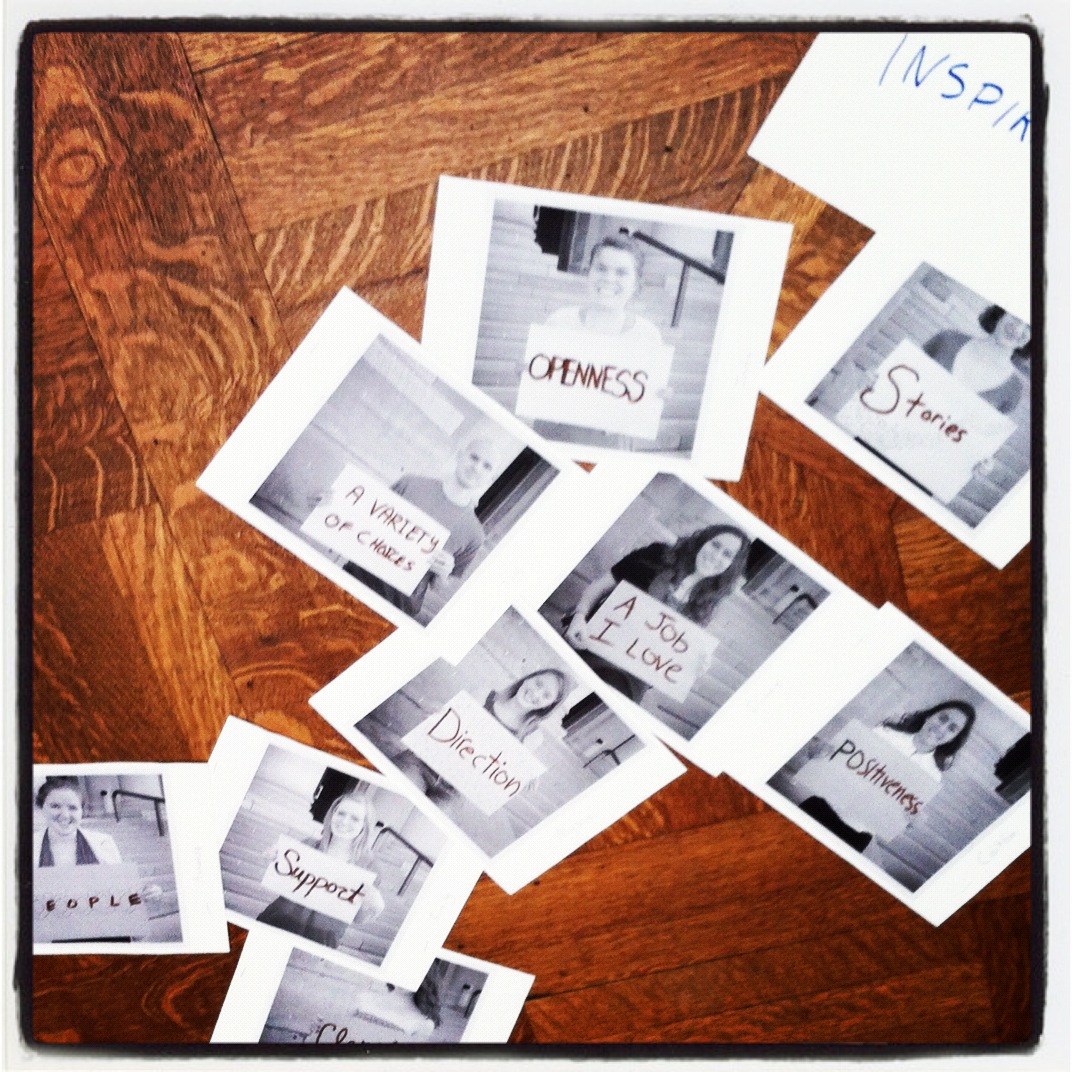
On the first day of this summer’s program, I invited each of our 18 interns to take some time and reflect on the big question: “What do you need most today?”  Not thinking about museums or art in anyway, their task was simply to dig into their own, personal needs and decide on one that seemed urgent right now (‘today’).  After everyone had identified their “I need” statement, they wrote their needs on large pieces of posterboard and stood on the front steps of the art museum so I could take each intern’s photo (see the Pinterest board of all the photos).

For me, this was planting the seeds of a 10-week project through which these interns are slowly and intentionally developing their own public engagement projects to be enacted in August. And the next step pushed things in that direction the following week, as each intern was invited to reflect on their need statement and think about how, in some way, museums might fulfill that need — thinking creatively and outside-the-box.  Below are just a few excerpts from those reflections:

An engaged community: “Experiencing art is a tangible way to engage with and learn about others – it’s an opportunity to have a conversation, which builds a community by sharing experiences that can be taken home with you. In this way, the art museum offers a unique setting for community engagement. I believe that viewing art as this kind of open invitation is what inspires visitors to return, and it is the museum’s responsibility to continue this discussion”

A variety of choices: “I believe the museum setting encourages a structured approach to the works contained within them … the standard Look, Read, Look, Move On.  [B]ut without encouraging or allowing new ways to interact with the works, most viewers will stay within the confines of the standard viewing methods.  By encouraging a variety of ways to interact with the works within the museum, it will allow for a visit that breaks from the norm, and encourages the development of new avenues of interest, and make visits a more unique experience.”

Stories: “People love stories — to feel connected to their fellows even across the boundaries of nationality, culture, and language.  We like to know that we are not alone in our desires, our longings, and our needs. [And] an art museum seems to me to be the perfect place to go to find stories.  One could invent a story based on a single painting or sculpture; perhaps all the works in a gallery could be different parts of the story; maybe the different parts of a story are scattered across the museum and the game is to find them all.  Art museums have endless possibilities for finding stories.”
For the past 3 weeks now, we have been extending our conversations about these needs and how they might build toward a public engagement project at the museum.  First, we laid out everyone’s needs and did a short mapping activity — a great way to make our thinking visible and allow us to explore potential connections and relationships among the group’s needs.  Then, from there, everyone got into pairs based on “adjacent” needs on the map, and each pair interviewed each other about their need and how it might translate into a museum-based project.  Most recently, we all connected with experimental museum work at institutions such as the Walker Art Center’s Open Field and the Hammer Museum’s Public Engagement programs, paralleling our learning about “public engagement” and social practice with our own developing ideas.
As we enter our 4th week of this summer’s program, I think we’re heading in interesting directions.  This week, we will begin to form more concrete ideas and develop prototypes for projects.  While I know we have lots of questions to ask and issues to navigate, I am excited to have launched into this project over the summer.  The Summer Museum Teaching Internship Program has always been an exceptional time and place for experimentation, especially due to the diverse and energetic group of students who participate each summer.  For me, exploring museum work from the point of view of personal and universal “needs” has the potential to make these projects so much more relevant, sincere, and “real” (however you define that).  And these are all things on the minds of museums — and especially museum educators — as we trudge through the second decade of the 21st century.

Much like artist Yang Weidong’s “Need” project, mindful museums have tremendous potential and power in their engagements with communities and the issues that these communities care about most.  Sometimes simply discovering those needs is an important first step, building up from them to create opportunities for engagement and learning that are more responsive and relevant to the issues facing us ‘today.’  Towards the conclusion of his 2009 book entitled Museums in a Troubled World, Robert Janes provides us with some provocative thoughts that may connect with why this type of work is valid and valuable:

“All museums have the responsibility and the opportunity to become synthesizers, and foster an understanding of the interconnectedness of the problems we face, both environmental and social. A mindful museum can empower and honour all people in the search for a sustainable and just world — by creating a mission that focuses on the interconnectedness of our world and its challenges, and promotes the integration of disparate perspectives.” (p. 166)

“It has been noted that ‘There is no power for change greater than a community discovering what it cares about.’ Will communities continue to care about museums in their current guise? Will museums discover what they care about? Or are museums at risk?” (p. 168)

I will certainly be posting again as the summer’s intern program continues and we get closer to the series of public engagement projects we plan to enact on August 9 and 10.  So stay tuned.  In the meantime, I invite your thoughts and perspectives below.  How might you tap into “needs” (external/internal/audience) as a core for experimental program development?  How important is this type of work for museums?  Share your stories and practices here or on Twitter via @murawski27.

________________________________________________________

SERIES NOTE: This post is part of a series from ArtMuseumTeaching.com designed to respond to and grow from the ideas explored in An Elastic Manifesto for Museums & Artists, first presented at the 2012 American Association of Museums Annual Meeting. If you have your own response or project to share, please contact me via Twitter @murawski27.  See all posts in the series by clicking here.
Opportunities for Advocacy: Strategic Steps for the Future of Museum Education

Co-authored with Scott Winterrowd, Curator of Education, Meadows Museum at Southern Methodist University in Dallas, Texas, and co-guest editor of the summer 2012 issue of the Journal of Museum Education.

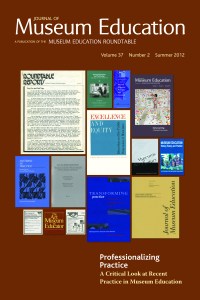
What a difference a few months makes!!! In February of this year we sent off the final drafts of essays for the upcoming issue of the Journal of Museum Education (JME). The 2012 summer issue, “Professionalizing Practice: A Critical Look at Recent Practice in Museum Education,” looks at the development of the field of museum education since the late 1960s, and poses strategic questions for the future of the profession. This issue contains essays and reflections by Elliott Kai-Kee, Marianna Adams, Jim Angus, Ben Garcia, and Ken Yellis. A few months ago we felt confident about the growth of the field and cautiously optimistic about the path for the future we were proposing.

The impetus for this issue of the Journal of Museum Education was a series of conversations about the history of museum education in the United States, and in particular, how this history seemed little known and even less sited in current practice. While we both explored the history of the profession as a means to inform and give a conceptual framework to our present work, a frustration grew with the realization that the dialogues we were having with colleagues at conferences, seminars, and online seemed redundant. These contemporary conversations seemed unaware of the work that had come before, and thus not profited or advanced as result of it.

We began this project in an effort to spark interest in exploring recent professional history to better inform our present practice. We came to understand that there was dual purpose to this project—to examine the recent past to inform the present, and to assess progress and propose a moment of renewed strategic visioning for the profession.

The recent cuts to education at the J. Paul Getty Museum have certainly raised the level of uncertainty as to the position of education in museums. Our concerns have been bolstered by reports of further cuts to education programs around the country, including key leadership positions. But, in these moments there are also strong and clear voices. The powerful letter written by Robert Sabol, National Art Education Association President, was inspiring and made me proud to be an art museum educator and member of NAEA. However, the power of our collective professional voice is needed in this situation. We need to hear from all museum education advocacy organizations and their members.

The actions and events of the past few months are opportunities for us as museum educators to ask ourselves what we stand for, what we believe in, and what we want the future to be. We believe that this issue of the JME could not have been better timed had we been able to plan it. An examination of our history can reveal how our profession has grown as the result of setbacks, challenges and the work of dedicated, articulate practitioners. It also reveals how our field has developed and deepened the thinking and rigor of our work.

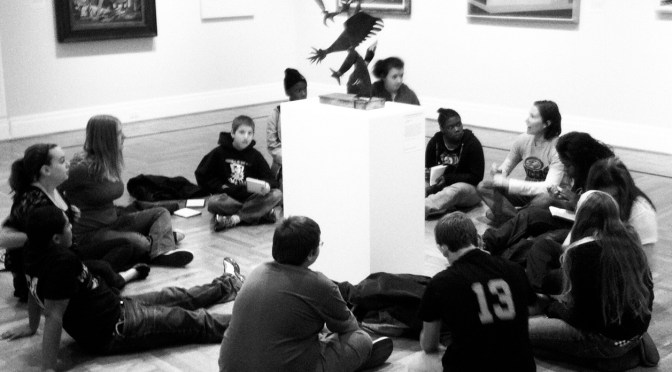
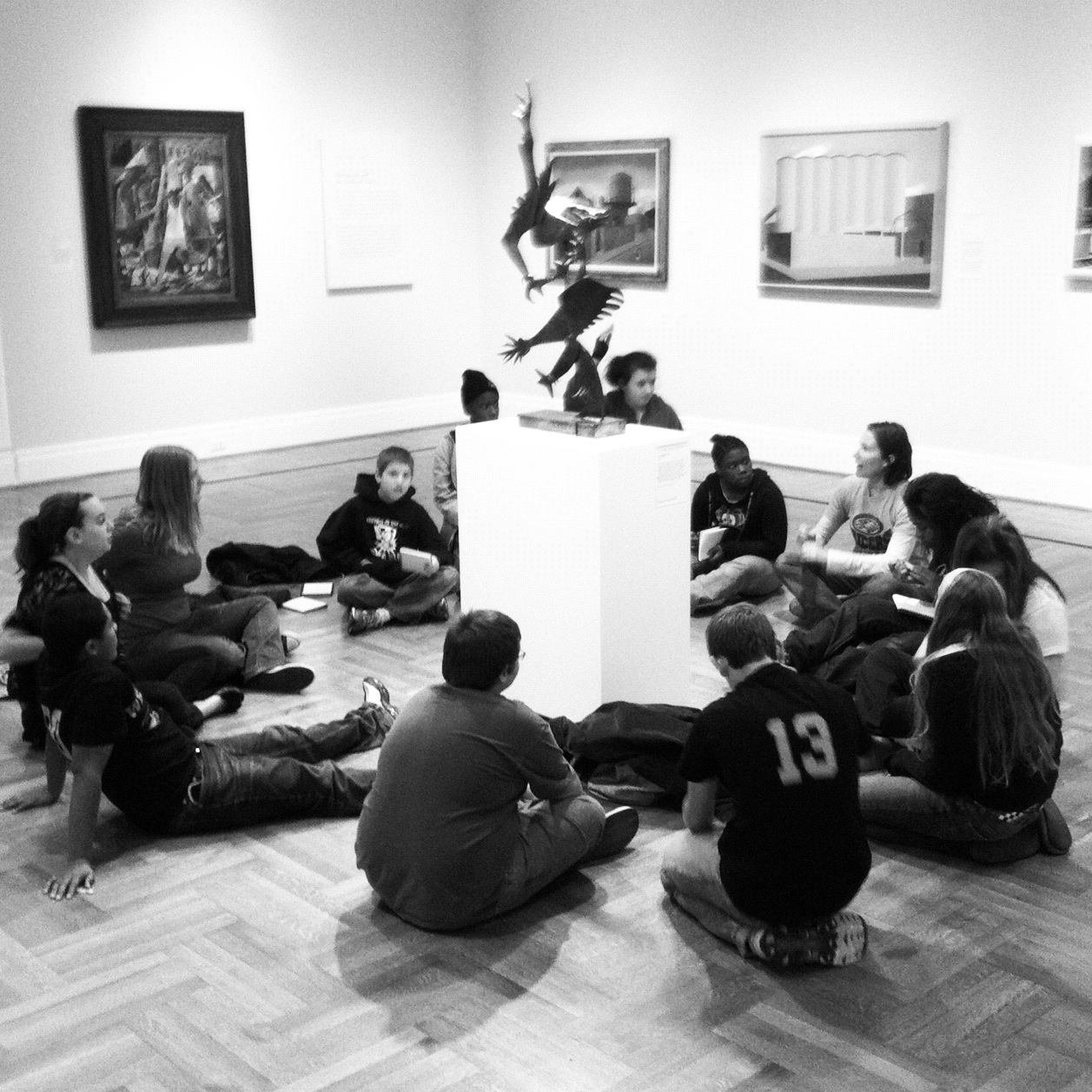
Teacher leading thinking activities in the galleries. Photo by Mike Murawski.

Are we saying the sun is shining; everything is fine, soldier on? Absolutely not! These moments make clear that we must be strong, articulate advocates. While we have spent many years advocating for our collections and our audiences, did we forget to advocate for ourselves? Our strongest advocacy tool is smart and rigorous work. We must examine our practice and demand innovative, and quality thinking and programming. These are opportunities to reach out to our colleagues within our museums and our communities, confident in what are are about and we can do and be.

Ben Garcia’s compelling essay for the JME titled “What We Do Best: Making the Case for the Museum Learning in its Own Right” (available for free download) is premised on the notion that museums are unique environments and we should be focused on doing the work that museums do best. This idea is certainly shared by many others in art museums.

James Cuno, CEO of the J. Paul Getty Trust, has premised his thinking on this very notion (See “The object of art museums” and Whose Muse? Art Museums and the Public Trust). However, unlike Cuno’s policies, Garcia advocates for a progressive understanding of the unique “learning power” of museums and museum collections. At the core of Garcia’s proposal is our role as museum educators to advocate for museum education.

Colleagues, what is your vision for the future of museum education? How can you be an advocate for this future? While the sky may not be falling, we must always remember that as museum educators we must educate about our work, as well as about our collections.

Experimenting in Museums: Creatively Interpreting Artistic Creations

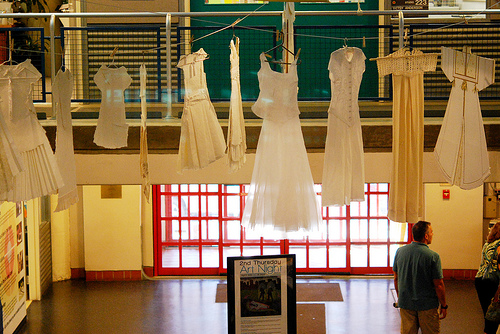
Torpedo Factory Art Center, photo by bittermelon

A typical art museum exhibit contains pieces of art, each accompanied by a block of explanatory text. Sometimes this text only includes the basic facts of artist, title, country, date, and provenance. Other times, wall text is lengthier, giving detailed information. What materials were used, and how did the artist use them? How long did it take to make the work, and what changes did the artist make over time? Who or what influenced the artist, and what is the artist trying to convey? What, in the artist’s own words, is the piece all about?

We can often learn the answers to these questions by reading the text on the wall, or by taking a guided highlights tour. But what if we could actually see the answers unfold as they happened? What if we could watch artists transform materials, speak about their work, and try one technique and then another?

Wall text and traditional tours are useful for understanding art, but museums need not limit themselves to these two methods of conveying ideas. As a museum educator, I have enjoyed trying a variety of art-centered activities, designed to reach diverse learning styles and allow for a more holistic interpretation of the art. I have also had the opportunity to see creative forms of art interpretation as a museum visitor. I have seen art interpreted through museum theater at the National Museum of Women in the Arts (NMWA), and through dance at the Corcoran Gallery of Art. At the Torpedo Factory Art Center, visitors can watch and chat with artists as they work, a chance literally to watch the creative process unfold.

Image
Works by Maria Sibylla Merian. Photo by Laura DiSciullo.

At NMWA in 2011, actors performed three short one-act plays in the galleries to bring the art of their Trove exhibition to life. One of these Trove Trilogy plays featured an artist interacting with the fictional broom-person she painted. This sketch fascinated me the most, as it showed an artist’s conceptualization of her own creation. Another play portrayed an interaction between photographer and subject, and finally, another play depicted an artist (Maria Sibylla Merian) at different points in her life and in her career of researching and making engravings of rainforest flora and fauna. These plays all served to help visitors understand the art by creatively helping visitors to understand the artists. You can read more of my thoughts on the plays here.

Art is all about unique, creative expression. Art museums can, in the spirit of this creativity, embrace unconventional interpretive experiences, including opportunities for audiences to see art being made and participate in art making. Varied, nontraditional means of interpretation blur the barrier audiences might perceive between themselves and the art, and can change a scornful “I could have made that!” to an inspired “I want to make something!”

The idea of experimentation may be daunting, but the results can be quite enriching. As noted in the Elastic Manual, “It is the closest thing so far to working in line with how artists cre­ate.” The Elastic Manual does not give a specific checklist of what makes a project experimental, let alone give a step-by-step list of how to implement such a project. Instead, it offers guidelines and things to keep in mind when embarking on any of the many kinds of undertakings that are unconventional and experimental. I read the manual as a statement that is deliberately open-ended, with a focus on trying new out new ideas – and letting creativity happen as it will.

________________________________________________________

SERIES NOTE: This post is part of a series from ArtMuseumTeaching.com designed to respond to and grow from the ideas explored in An Elastic Manifesto for Museums & Artists, first presented at the 2012 American Association of Museums Annual Meeting. If you have your own response or project to share, please contact me via Twitter @murawski27. And to help make this more of a conversation, we encourage you to add your thoughts or questions below.  See all posts in the series by clicking here.
Experimenting in Museums: The Living Room Project

I believe the best rewards in life come from making oneself vulnerable.  To that end, I approach my work each day in way that allows for experimentation free from fear of failure (okay, sometimes I’m slightly afraid, but I don’t let it hinder me) because we learn from both our successes and our failures.  With the opening of a Renzo Piano-designed wing in January 2012, the Isabella Stewart Gardner Museum ushered in the next phase of the museum’s history.  The spectacular architecture and increased focus on contemporary art (the museum’s Artist-in-Residence program celebrates its 20th anniversary this year) has provided increased opportunities for making connection between the historic and the contemporary.

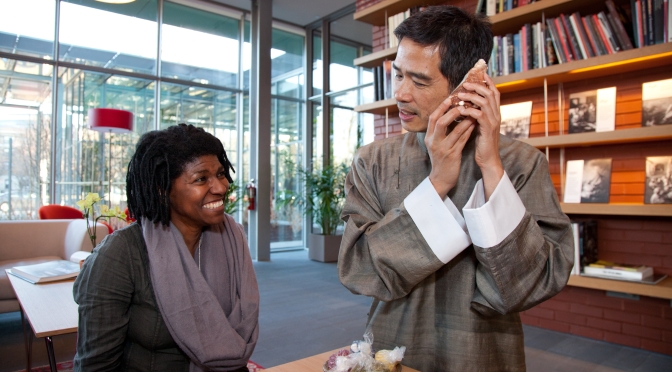
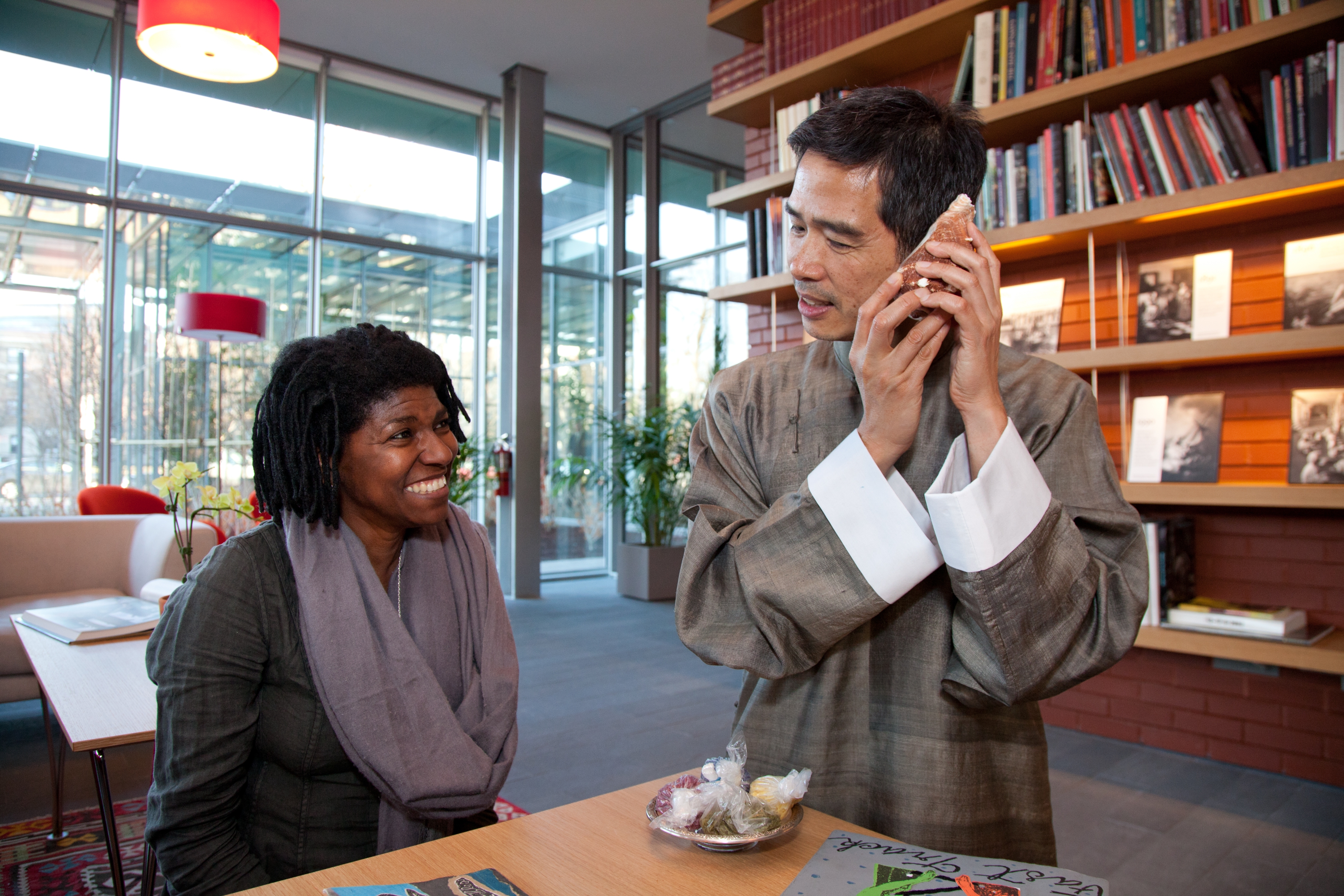
In reflecting on An Elastic Manifesto for Museums, I thought about our Living Room Project.  Domestic in scale and design, the Living Room functions as both visitor orientation space and contemporary art project at the same time. Inspired by the 2000 exhibit The Living Room by artist-in-residence Lee Mingwei, the room is designed to foster visitor learning and interaction in creative ways.  In addition to collection resources and trained volunteers, twice a week visitors encounter a “living sculpture” in the form of a guest host who shares personal objects.

While much of what the Manifesto is about is relevant to this project, I’ve reflected on a few key points.

A different museum experience

By its nature, the Gardner is a different kind of museum.  The arrangement of the collection, housed in an imaginative Italian palazzo with a central lush courtyard, is eclectic and seemingly idiosyncratic in many instances.  And there are no wall labels to identify and explain works.  The installation was a personal endeavor for Isabella Gardner.  However, she is not here to tell us the stories behind her pieces or her personal connections to those objects.

Mingwei’s Living Room Project asks hosts to take on that role by choosing objects of personal significance and engage with visitors in conversation about those objects with the hope that visitors get into the mindset of thinking about and discussing works of art in a way that includes personal meaning and emotions.  This experience is a bit unique and can befuddle visitors, especially the idea that this interaction is a work of art.  Mingwei’s work is something that is “made” not entirely by him (he only comes to the museum periodically); the work of art is the experience of the host and visitor interacting in a unique moment.  In that way, the work of art (like all works of art, I would argue) is different in each encounter and for each visitor.  This is definitely a different kind of museum experience for most visitors.  So far, they have welcomed and embraced this new opportunity.

Your presence is important

Living Room Host Sandy Goldberg. Image courtesy Lisa Abitbol 2012

At its core, the Living Room project is about basic human interaction—one person learning about another person through sharing personal stories.  The rewards of this open ended activity are powerful and what better place to encourage this than in a museum setting.

The rewards for me as a staff member have also been great.  Because we are expanding the museum’s role in the larger Boston community, I have had the chance to meet some amazing people who I may not have met otherwise.  Hosts do not have to be “museum people,” although many curators, educators and staff have participated. We’ve had artists, students, professors, lawyers, ballet dancers, and many more. I have learned something different from each one of them.   This sociability, togetherness and relationship building is the foundation of the Living Room project.  It not only enriches our visitors’ experience, but also feeds the souls of the staff.

Give up control

Living Room Host Maria Magdalena Campos-Pons, Artist with Lee Mingwei. Image Courtesy Cheryl Richards 2012

Last, but certainly not least, is the idea of letting go and trusting others.  Mingwei’s work, the Living Room project included, explores issues of trust, intimacy, and self-awareness.  Each week, I marvel at the generosity in which each host has shared a bit of himself or herself with our visitors through their stories and objects, often very personal and precious.  For some this might be the scariest part of such a project; I essentially give control over to the hosts and trust it will work out as best it can that day.  That’s a hard thing for most of us to do (me included), but it is essential for a project that is about multiple voices and building community.

The Living Room project is a work of art that belongs to Lee Mingwei, the museum, and every host and visitor that participate.  That is a novel way to consider a work of art, I think.  But that is what makes it powerful, successful and beautiful.

________________________________________________________

SERIES NOTE: This post is part of a series from ArtMuseumTeaching.com designed to respond to and grow from the ideas explored in An Elastic Manifesto for Museums & Artists, first presented at the 2012 American Association of Museums Annual Meeting. If you have your own response or project to share, please contact me via Twitter @murawski27. And to help make this more of a conversation, we encourage you to add your thoughts or questions below.  See all posts in the series by clicking here.
Experimenting in Museums: Taking Risks with How We Work

“I don’t think ideas are very valuable in themselves. It’s only in the doing of the idea that you learn anything, or anything interesting happens.”

-Mark Allen, Machine Project Hammer Report

Experimental work in museums has been a topic of conversation for quite some time, and many museums have gone down the path of taking risks and developing new kinds of projects.  But earlier this spring, many of these explorations and ideas came together in a unique and powerful way in a session at the 2012 American Association of Museums Annual Meeting entitled “Experimental Museum Projects: Creating a Community of Practice.”  Presented by Maria Mortati (independent exhibit developer), Sarah Schultz (Walker Art Center), Susan Diachisin (Dallas Museum of Art), and Stephanie Parrish (Portland Art Museum), this session explored how to support, realize, and engage with a variety of experimental projects, leaving attendees — and the entire museum community — with an Elastic Manifesto for Museums and Artists.

photo by Kristin Mckee

For me, this has sparked some great conversations with colleagues and staff about taking more risks with the work we do, and fueled my own fire to “just make it happen” (to use the words of the Manifesto).  And here’s the really crazy thing … I didn’t even attend the conference!  I had heard about the session prior to AAM, and connected to the Elastic Manifesto and related materials through Maria Mortati’s blog (which includes the Elastic Manifesto, Elastic Manual, and supporting Bibliography with some must reads!).  The presenters also started the Experimental Museum Projects group on Facebook, and their session was tweeted and retweeted to a very widespread audience on Twitter.  So before AAM had even ended, people across the country had already been discussing the ideas surrounding this flexible manifesto and embracing experimental work.

Far beyond the boundaries of the conference, this session is now living its potential to empower these types of experimental projects and to help museums create platforms and spaces for new kinds of creative experiences.  To support the open conversation that has been ongoing since AAM, I wanted to launch a new series of posts called “Experimenting in Museums” on ArtMuseumTeaching.com and include more voices and projects to the mix.

As you read the perspectives posted in this series, you can add your own thoughts to the conversation in 2 ways: (1) add comments to the blog posts, and (2) contact me via Twitter @murawski27 if you are interested in contributing your own post to this series.

EXPERIMENTING IN MUSEUMS SERIES

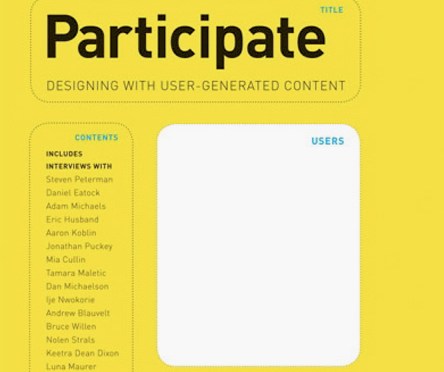
Participate: Designing with User-Generated Content

“Often I set up a platform and ask a question, in one way or another, and then invite people to come in. It’s a conversation, a call and response.”

Keetra Dean Dixon, interview by authors (2010)

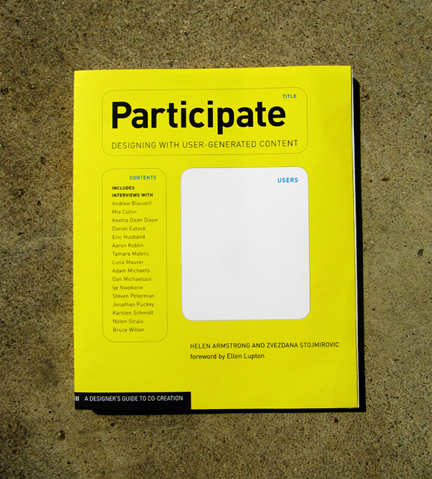
Museums are often all about control — controlling what visitors see, controlling the information presented about objects, controlling the ways in which visitors can create meaning, and even controlling the types of technology or devices we can use to access their collection or extended resources. A “well-curated” exhibition or gallery passively delivers a specific message to a targeted, restricted audience.  But, as the authors of Participate: Designing with User-Generated Content offer, “participatory design turns this idea on its head.”

While focusing on the profession and field of design (which is actually a broad field that obviously has so much overlap and integration with museums), the ideas forwarded in this book resonated with me in terms of how museums are struggling to engage in more participatory acts.  The mantra I take away from the authors text as well as their interviews with a wide range of innovative designers is this: “participatory design replaces monologues with conversations” (25).  This not only resonated with me, with seemed to ring true with all the the future-of-museums talk going on these days to find ways to harness the massive engagement with Flickr, Facebook, Pinterest, Vimeo, YouTube, and Twitter that has conditioned the public to contribute, connect, and create.

How does participatory design work?

In her introduction to Participate, designer and writer Helen Armstrong defines the best participatory design as soliciting content from users and then translating that into something greater than the initial contribution.

“The initial contributions are simple, easily carried out by the user: a photograph, a sketch, a doodle, a word, a movement, a vocalization, a touch. But when put into the context of a larger participatory project, user content flourishes in unexpected ways.” (12)

I love to be reminded that the seed of a good participatory project is really something very simple (and doable), encouraging broader involvement.  Sometimes it is so easy to get wrapped up in some multi-layered, complex idea that sounds cool to us, but that no one in their right mind would actually take the time to participate in/with.  I will always remember one of my design professors in college who harped on about KISS … Keep It Simple Stupid!  This “less is more” dictum never fails, though, when looking to museum visitors for contributions.

For museums, like designers, relinquishing control means celebrating process-oriented work that is not ‘complete’ until visitors or audiences participate, and celebrating the unpredictability this process brings.  I would even say that we need to be open to entirely new types of participation that might simply end with social interactions or conversations — something we often think will get us somewhere, but we need to recognize that sometimes we are already there.

“Content is not king — contact is.”

Douglas Rushkoff, author of Program or Be Programmed (2010)

The book does make the necessary connections with museums.  In the chapter on modularity and providing structures for these largely open-ended undertakings, they quote Nina Simon saying, “The best participatory experiences are not wide open. They are scaffolded to help people feel comfortable engaging in the activity” (Simon, Participatory Museum, 13). Even though we find ourselves ‘breaking the rules’ and removing restrictions to get participatory work done in museums, any participatory process needs rules, constraints, and parameters to prevent it from descending into muddled confusion. Even just making the structure of your project and process transparent to your participants and contributors can help keep to the plan.

Participate also rightfully spotlights some of the recent identity, branding, and promotional campaign designs at the Walker Art Center, including a great interview with Andrew Blauvelt, Design Director and Curator at the Walker.

Overall, I think there is great value for museum educators in engaging with the field of design and design thinking, especially as we work toward similar goals of empowering 21st-century audiences to contribute, interact, and become makers and doers.  I’ll be following up in the next several weeks with some of my own nascent attempts at making this site a bit more participatory in various ways.  Stay tuned…