What Do You Customize? OMCA’s we/customize project

The we/customize project at Oakland Museum of California explores the Bay Area perspective on the popular cultural activities of hacking, remixing, tailoring, modding, mash-ups, kit bashing, and customizing. The connecting spark in each of these spheres of activity is the shared impulse of the maker to radically alter the familiar to personal standards.

we/customize was born of a conversation about custom motorcycles, and grew into something akin to adulthood as the consequence of friendship and collaboration.

As non-participants in this part of our culture, Carin Adams­ (Associate Curator of Art and Material Culture) and I (as the Research and Experience Coordinator) were trying to find the kernels of interest connecting us to choppers. This lead us to observe how people form communities focused on the radical alteration of objects, how these groups self select themselves, and develop identity by means of their chosen activities. To round out the team and help us think about connecting disparate groups, Carin and I asked Evelyn Orantes (Senior Experience Developer) to join us to create our curatorial trio.

To create an exhibition around the activity of customization and the associated communities, we set out to develop the project differently than through the traditional museum approach. Our goal wasn’t to create a new working model for museum exhibitions, nor would we necessarily recommend the particular path we took. We wanted to have fun putting the project together while finding a means to exhibit the content we felt was the most exciting. This subject matter lent itself to be sifted out of conversations and by building relationships with these communities. Our process of content development, did however, reinforce the changing role of the museum as a forum for living cultural activity.

To build the exhibition in conversation with audiences – we made our initial public foray on two fronts. First by going out into the public at Oakland Art Murmur and asking people on video – “What do you customize?” The second, we hosted a panel discussion at OMCA, with Johnny Chung Lee, Jesse Hernandez, and Daniela Rosner about their work and views on customization. These conversations became the basis for how we framed our research, and the public interviews remain part of the content.

To further the dialog, we began with our interviews and panel discussion, we decided to continue going out into the public to build the content for the exhibition. This decision either allowed or forced us to divide the public side of the project into three main phases.

PHASE I: September 26–December 22, 2012
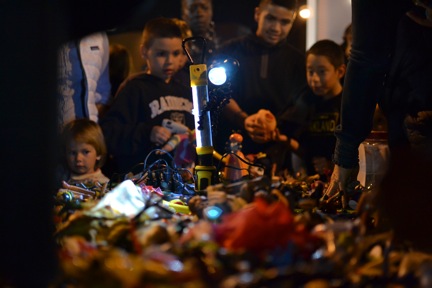
Photo by Ryan LeBlanc

Using the Oakland Rover—a Might-E Truck by Canadian Electric Vehicle, customized by designers Martin Sprouse and Dan Rosenfeld for Oakland Museum of California, we traveled throughout the Bay Area engaging communities in creative projects that explored how people modify objects to serve their own needs. From toy hacking to airbrushing, sound remixing and bike modification— Oakland Rover programs led to rich interactions with the public, who contributed their projects and ideas. These “missions” featured customizers who brought the public a variety of workshops, demonstrations, and participation in the conversation about customization.

The first phase of our project also saw the launch of our social media campaign to continue our conversations with the public online with our blog (wecustomize.org) and on Twitter (@OaklandRover). These exchanges gave us valuable feedback shaping the second and third phases of the project.

PHASE II: December 22, 2012–January 28, 2013

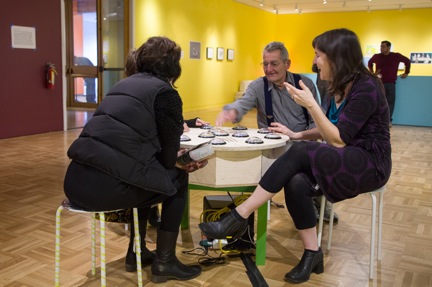
The Oakland Rover’s missions ended when it rolled into OMCA’s Great Hall on December 22. The exploration of customization continued with the transformation of the gallery itself. With paint still on the walls from the previous exhibit, we filled in the space with findings from the Oakland Rover missions as well as visitor input. Starting January 4, guest customizers began on-site demonstrations of their work and invited visitors to join their projects. From scraping out bikes to toy hacking to clothing customization, visitors helped us prototype the Customizer-In-Residence Series and develop interactives.
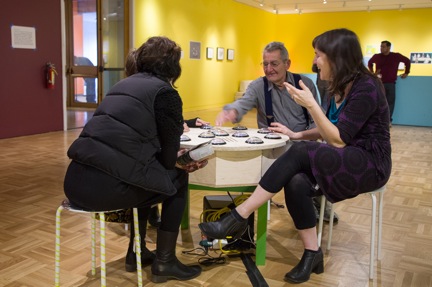
Photo by Johnna Arnold

PHASE III: February 9, 2013­–June 2, 2013

The final phase of the we/customize project is the exhibition, exploring the many forms of customization. The weekly Customizers-in-Residence Series will activate the space through live interactions with people from a variety of customization groups. Through the four months of the exhibition, the space will continue to build, with new projects by both our audience and our Customizers-in-Residence living in the space.
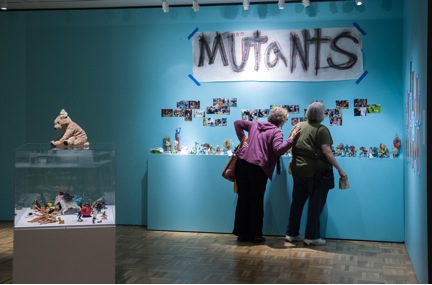
Photo by Johnna Arnold

While planning the project we realized a tradition opening celebration was out of context with our intent. As the exhibition transforms over time – as a consequence of customizers on site and the objects we’re accumulating – we realized the exhibition wouldn’t be complete until the show closed. With this in mind, we’ve planned on brining all the Customizers-in-Residence as well as museum staff together for a final closing party. Not only as a celebration of the conclusion of the project but our final attempt at igniting that initial spark, within each of these spheres of activity, in a culminating experience.

“What do you customize?” – Join the Conversation

The we/customize project began when we asked ourselves how we connect across communities. We launched the project by asking the public “What do you customize?” While we’ve refined our questions as the project developed, we still want to know – What do you customize? What do you start with? What tools do you use? and Why? Where is the boundary between a customization and an invention?

Authors/Project Collaborators:
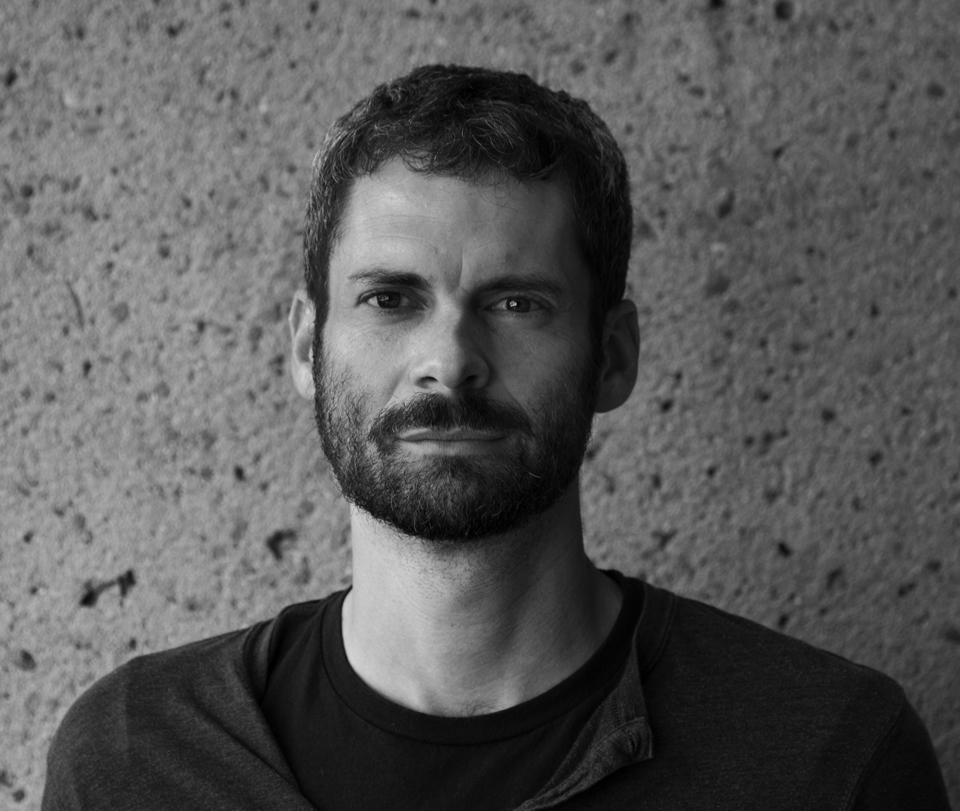
seanSean Olson is the Research and Experience Coordinator at the Oakland Museum of California, and is a member of the we/customize curatorial team trio. An artist and an educator, he has an MFA from Mills College. He has taught at Diablo Valley College as well as Mills College. Sean lives and rides his bike in Oakland. Look for the guy with the custom dress shoes with SPD cleats.
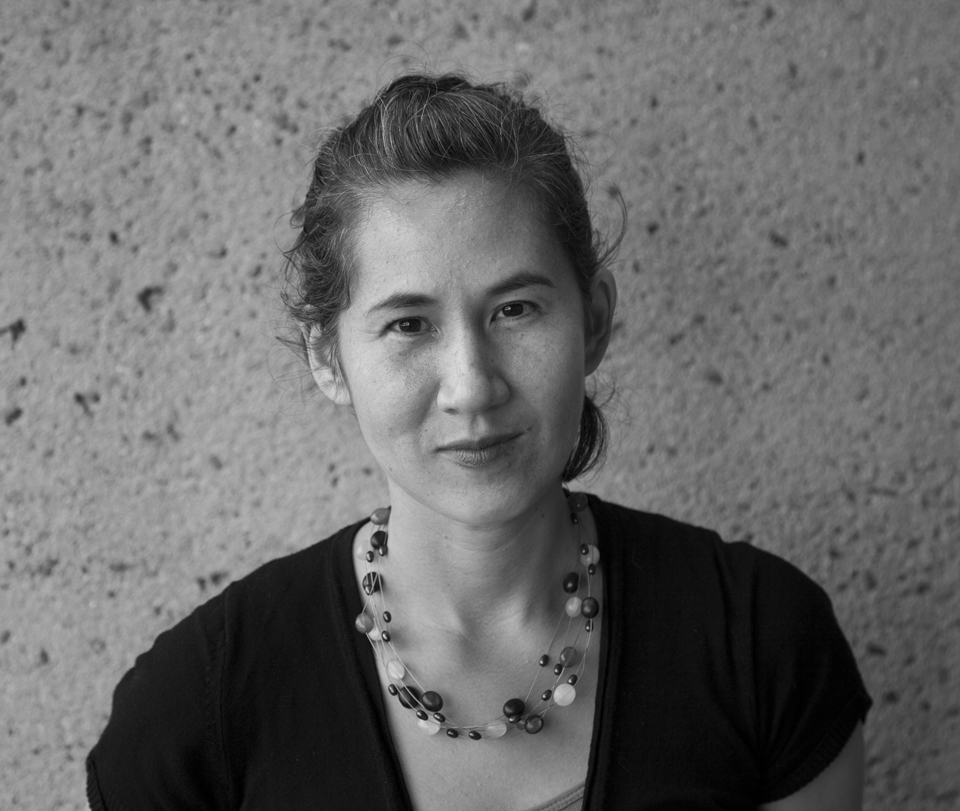
CarinCarin Adams is the Associate Curator of Art and Material Culture at the Oakland Museum of California and is a member of the we/customize curatorial team trio. She joined OMCA in 2006 as curator for the off-site exhibition program at Oakland International Airport. A resident of Oakland and the mother of two, Carin has an endless supply of toys to hack. She has BFA from California College of the Arts and a MFA from the Art Institute of Chicago.
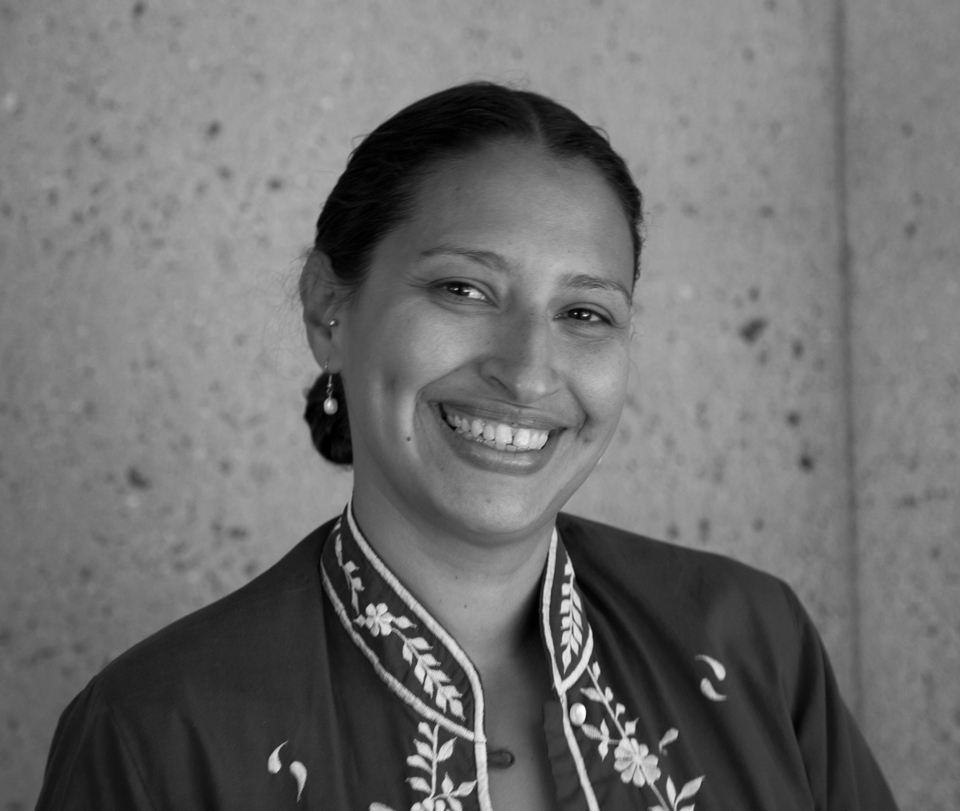
evelynEvelyn Orantes is the Senior Experience Developer at the Oakland Museum of California, and is a member of the we/customize curatorial team trio. With over a decade of museum work at OMCA under her sparkly belt, she delivers meaningful moments of honor, discovery, memory and inclusion for visitors, from the annual Días de los Muertos special exhibition to programs stimulating the minds of all ages. A graduate of UC Berkeley, she is the queen of California culture mash-ups, dishing the authentic complexities of California, one exhibition or program at a time.

Improv(e) Your Teaching

When I left the improv world after 10 years, I was never going back. I had just gotten a job at my first NYC museum (NY Transit Museum!) and was back in school for art history, ready to put acting far behind me. Time went on and the more I learned about museum education pedagogy, the more my brain connected it to improv. Fast forward a few years, museums, internships, freelance jobs, and tours later – I found myself convinced that good museum teaching went hand in hand with everything I learned as an improviser.

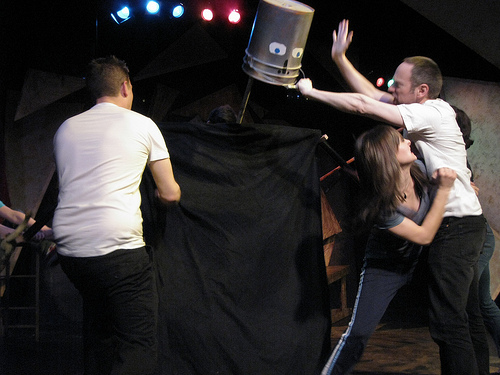
Giant Improv Class by CM

NPR recently aired a story about MBA students taking courses in improvisation. But why improv? For the very same reason every museum educator should be trained in improv: communication. That is not saying we should all be “onstage” when we teach, cracking jokes and making our students laugh. On the contrary, many improv principles are qualities we strive for in our teaching – things that are not taught when we learn a collection or study museum education.

The idea of an educational toolbox is something we hear at every professional development conference and class. What are we really filling it up with? The multi-modal teaching strategies and classroom management skills are essential. But have we been paying enough attention to how we say what we are saying and how to sharpen and enhance our listening skills? Or flex our collaboration muscles? Improv courses do exactly that. It’s like going to the gym for your brain – those revered careful listening, honest responding, fearless and flexible teaching skills are all enhanced by improv ideas.

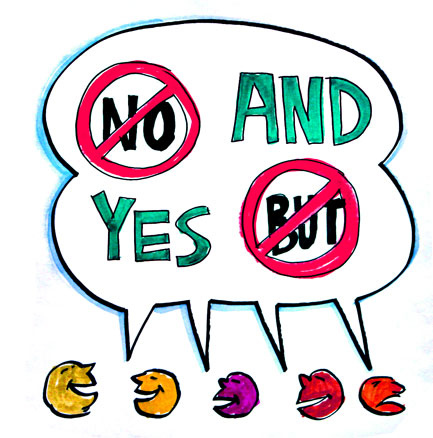
Yes, And…

One of the first things educators learn about inquiry is the idea of asking open-ended questions that allow for many responses, then scaffolding information on top to deepen the conversation. This idea is echoed in improv. The first ‘rule’ of improv is the phrase ‘yes, and’. A scene partner offers information. You take it, affirm it, and add something to it, and your scene partner repeats. This back and forth is the foundation of improv. Negation ends the scene – and in inquiry, defeats the students. It’s about saying, “Yes, I accept your idea and I’m going to make it better” instead of “no, I have a better idea.”

yes-and2The ideas of ‘yes, and’ and inquiry only work when people are listening to one another. If you are not paying close attention to what your scene partner is saying, you may miss the information needed to propel the story. The fact is true with inquiry as well – if you repeat what the student is saying incorrectly or miss their point, you will change the meaning of their observation or interpretation.

During beginning improv classes, instructors lead students in several affirming exercises. It’s all about taking a gift, agreeing, and adding. It is also raising the stakes. By scaffolding more details on to a suggestion, a scene immediately becomes rich and interesting. Sharpening those careful listening skills is essential to any improviser. Responding skills are also put to the test and enhanced through speed games that not only quicken response time, but also better public speaking skills.

Collaboration

Improvisation is a group sport. Teams will practice weekly in order to get to know each other and build trust. Interaction is key to improv – which is why so many companies will hire improvisers to teach team-building. The activities teach individuals how to interact effectively, operate under pressure and, most importantly, trust one another. Also important in improv: the notion that you always want to make your scene partner look better – you will in turn look better as well. We want to affirm our students ideas and teach them to practice critical thinking. Working together builds on the idea of a team: you and your group are living the art in that moment, experiencing it together. These values: trust, interaction, and poise– even when 15 more students than you expected show up for a field trip in a tiny museum – are imperative in good gallery teaching.

Failure is Ok

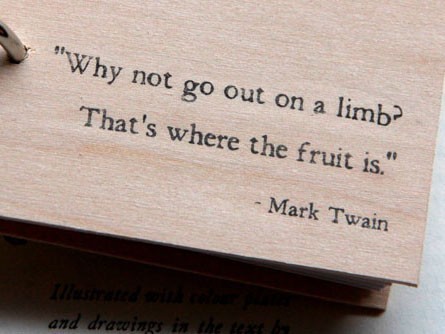
75% of improv is bad. Real bad. You may see a show after reading this and think “Wow. I do not want to look like that.” But how they look is not the point – improv is all about removing the sense of failure. In order to grow, you have to fail. In some improv classes, when students get that feeling of “I screwed up” they take a ‘failure bow’ – a bow, paired with the declaration “I failed!” The rest of the class will clap and cheer, affirming the chance that was taken. When people are less afraid at failing at improv, it connects to their lives, and we learn to handle setbacks with grace and ease.

As educators, we aim to create celebratory spaces that embrace student work. But how can we create these spaces if we ourselves fear failure?

We improvise every day of our lives. We have no idea what the next word is that might come out of our mouth when talking to a friend or co-worker. These skills taught in improv classes will only make for better educators – ultimately better communicators – all while having fun. If only our theses made us laugh this much. The same week I finished school, I was welcomed back by my old improv troupe – and rarely miss a single rehearsal or show. The difference this time? It’s my professional development for teaching.

Have you ever taken an improv class or used it in your teaching? Or do your peers or colleagues have any experiences with improv as professional development? Share your perspective.

quotage

Drinking about Museums: Portlandia Edition … and MakerBots!

I’m not exactly sure when or where it started, but I give credit to Ed Rodley at the Museum of Science in Boston for introducing me to the concept of the “Drinking about Museums” professional meet-up.  What could be better than meeting up with museum folk, playing around in our galleries & exhibit spaces, sharing ideas, and topping it all off with drinks.  Boston is doing it!  Sydney is doing it!  Denver is doing it!  So it was time to get “Drinking about Museums” started up here in the Northwest — Portlandia style. And since I’m still the new kid in town, this was a great way to get outside the walls of the Portland Art Museum and meet other creative museum people.  So here is my report from the inaugural “Drinking about Museums” in Portland, Oregon:

Drinking about Museums — Portlandia Edition

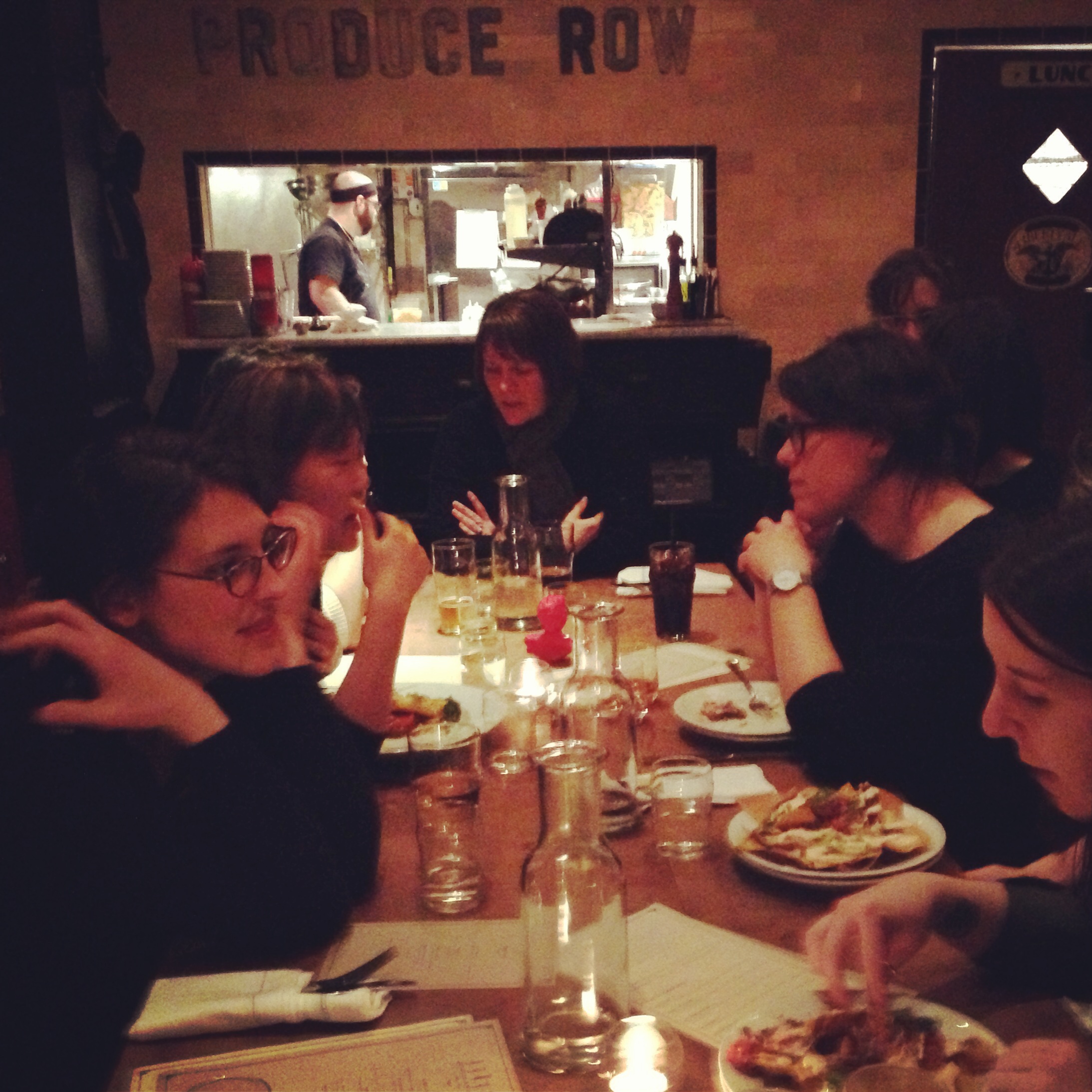
GroupProduceRowWhen:  January 9, 2013

Where: Oregon Museum of Science & Industry (OMSI) and Produce Row

Who: Sparked by my new love for OMSI and their staff, we gathered together interested people from their education and exhibit design departments along with people from our education and digital collections departments at the Portland Art Museum.

The evening began at the Oregon Museum of Science & Industry (OMSI) in their technology lab and maker space — an area of their museum in which they are playing with new forms of creative engagement and participatory design. David Perry, OMSI’s Director of Museum Education, and Kristin Bayans, Senior Educator, both hosted the group along with many other OMSI educators and staff. We all got to know each other through some fun (aka ’embarrassing’) activities, but mostly we played around in the learning lab space and got to chat with each other about what we do.

When you get so many creative, high-energy museum people together in one place, the ideas start flowing … and I feel that we came away from the night with tons of potential for meaningful collaboration.  For me, one of the first experiments that will likely come out of this exchange is a couple MakerBot 3D printing workshops at the Portland Art Museum, allowing education staff from both institutions to play with this technology and its potential applications for an art museum.

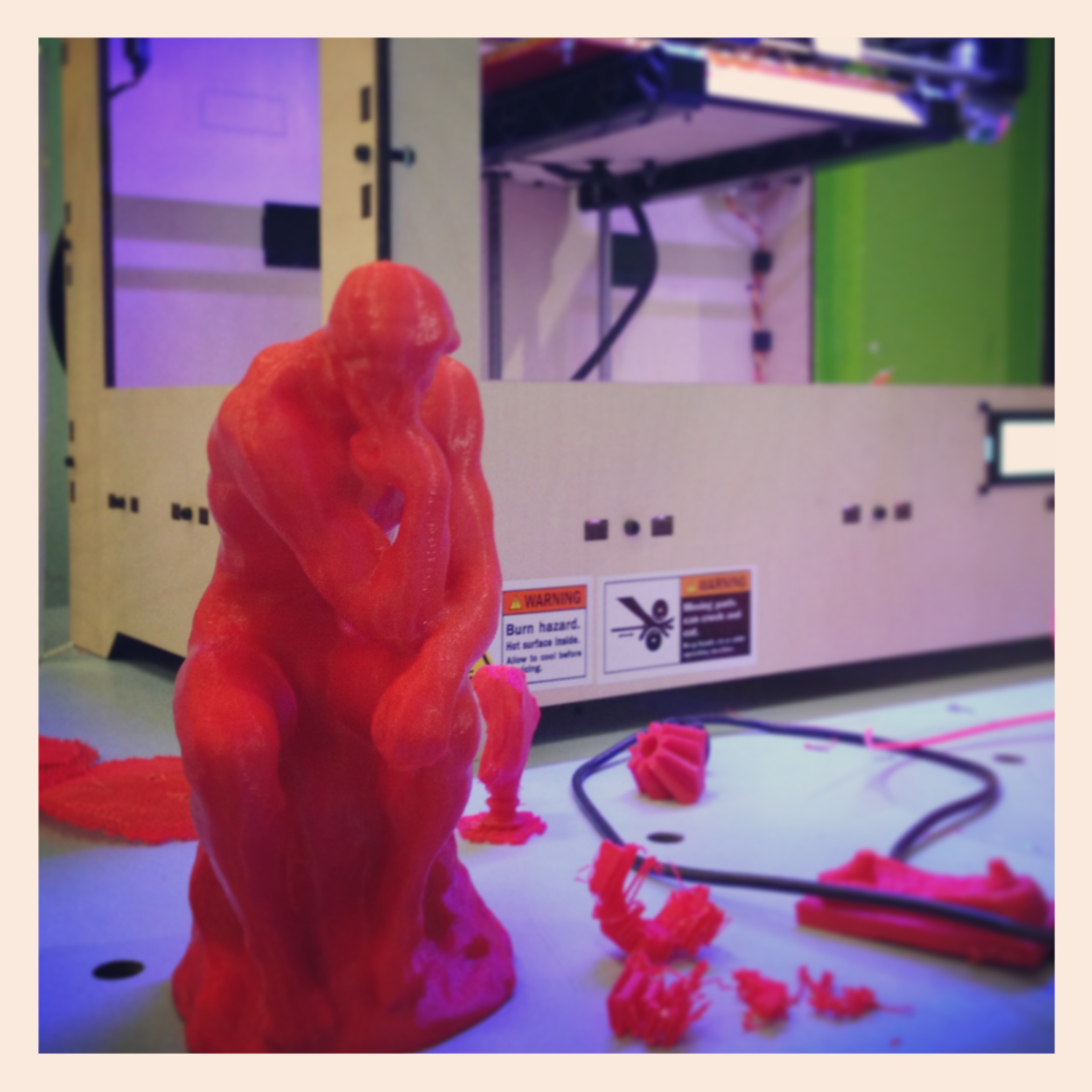
MakerBot-RodinMakerBots!

So this brings me to the next topic of my post … MakerBots!  I have been eyeing the MakerBot station at OMSI for months now, chatting with their staff and volunteers about how it is being used, why it is being used, and what are the potential ways it could be used in an art museum context (or even with artists). Kristin Bayans, who manages this innovative lab space at OMSI, has been such an amazing person to brainstorm with, and she was able to download some objects from the Metropolitan Museum of Art’s collection to print for us yesterday.  Yes, earlier this year, the Met teamed up with MakerBot to make statues, sculptures, and other three dimensional artworks from the museum’s collection available for anyone in the world to access virtually on Thingiverse.com and physically recreate with The Replicator™– MakerBot’s third-generation 3D Printer. As Jackie Terrassa, the Met’s Manager of Gallery and Studio Programs, wrote about this Hackathon event:

“… by partnering with artists and programmers who are already using these accessible technologies as creative tools, we will advance a core component of the Museum’s mission to encourage the study and development of the arts, enhancing the Met’s role as a dynamic site for creativity, inspiration, and exploration by artists and visitors alike.”

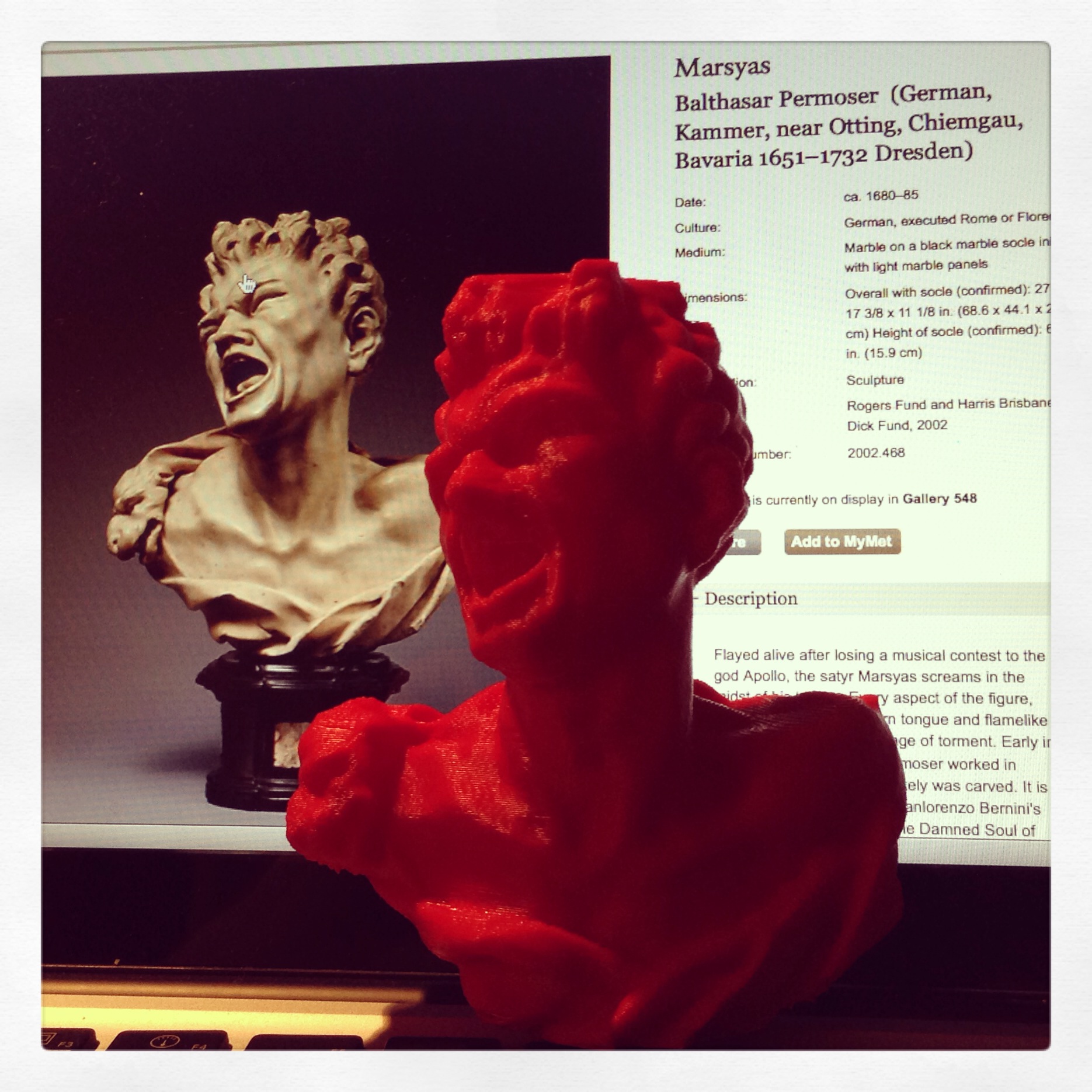
I could not agree more, and this has made me so excited to experiment with some workshops here at the Portland Art Museum around these technologies, and ensure that the museum can be a place for open creative exploration.  And, besides, now I have my very own 3D-printed replica of the Met’s sculpture of Marsyas by 17th-century German sculptor Balthasar Permoser … what could be cooler than that!  Obviously, there will be more discussion coming up on this site around 3D printing and museums, especially the impact this type of work might have in the teaching and learning realm of the museum. But I would encourage everyone to learn more about what the Met has been doing, and check out the objects and the 123D Catch scene files you can download to make your own replicas.

OK, so that is a quick report from Portland’s first ever “Drinking About Museums.”  I look forward to opening this up to more and more museums across Portland, and exploring the way we can learn from each other as professional, as creative thinkers, and as people.  Cheers!

"Marsyas" (2013) by MakerBot, and "Marsyas" (1680-85) byBalthasar Permoser
“Marsyas” (2013) by MakerBot, and “Marsyas” (1680-85) by
Balthasar Permoser