NAEA 2013 Breakdown – Museum Edition

Photo by Thomas Hawk
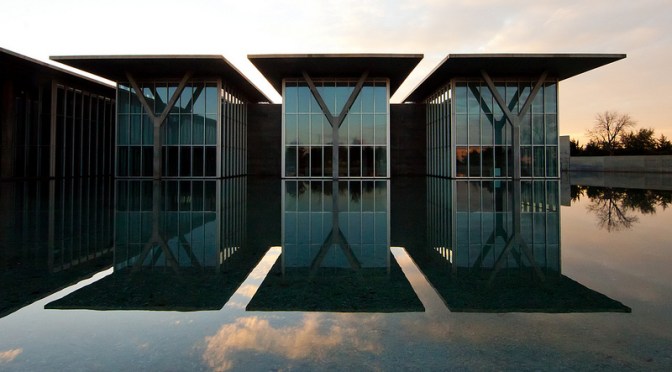
Modern Art Museum of Fort Worth, one of the places hosting NAEA museum preconference activities and a must see while in Fort Worth. Photo by Thomas Hawk

Once again, art and museum educators from across the country (and outside the US) begin to pack their bags and prepare to head to Fort Worth, Texas, next week for the National Art Education Association annual conference (March 6-10). And I thought it would be interesting again this year to offer another quick breakdown of the sessions being offered in conjunction with the Museum Education Division. There are some great sessions being offered this year, in addition to an exciting pre-conference program run by the Museum Division that will for the first time include lots of in-gallery teaching focused on some of the great collections in Fort Worth.

The following stats are pulled only from sessions officially labeled “Museum Education,” so keep that in mind — there are certainly lots of other sessions across divisions that engage with museums, museum learning, and how museums interact with schools and higher education (and I always encourage museum educators to branch out and participate in sessions beyond our “comfort zone”).

But within our own Museum Education Division, here is what it looks like this year at a glance. Click here to compare with last year’s numbers.

Total Museum Education Sessions: 75

Total museum educators presenting: 159 (plus or minus — with 23 people presenting more than 1 session this year)

Most Frequent Session Topics:

  • Visitor/Audience Engagement (various ways of being more responsive to our audiences and visitor needs, etc.) – 11
  • Teacher Professional Development – 9 (duh, it’s NAEA — thousands of teachers attending)
  • K-12 Museum/School Partnerships and School Programs – 8
  • Technologies (iPads, blogs, online communities, etc.) – 7
  • Family Programming – 6
  • Interpretive Resources (gallery didactics, print, web, and mobile) – 6
  • Peer Learning & Communities of Practice (for museum professionals) – 5
  • Art Making & Working with Artist – 5

Rather than focusing on what IS popular or in the spotlight this year, I’m so much more interested in what is NOT so popular or prevalent. After reviewing all of these sessions, I found it interesting that the least frequent topics (although still addressed by someone) include Latino outreach and curatorial collaborations. These both seem cause for concern. Our museum recently has some great senior staff discussions around the November article “Diversify or Die: Why the Art World Needs to Keep Up with Our Changing Society” (see the powerful graphic below). Author Ben Davis quotes the 2010 Center for the Future of Museums (CFM) report “Demographic Transformation and the Future of Museums,” worth a read for what it says about the scandalous state of diversity in the visual arts:

“This analysis paints a troubling picture of the ‘probable future’ — a future in which, if trends continue in their current grooves, museum audiences are radically less diverse than the American public, and museums serve an ever-shrinking fragment of society.”
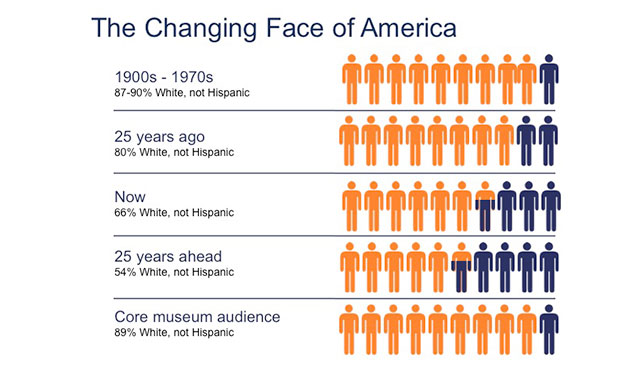
changing-face-of-americaWhile these issues may come up more frequently at AAM, ICOM, or other professional conferences with wider participation than arts educators and art museum educators, the issue is certainly something we, as a field, must be addressing as central to our work. Perhaps these issues will find themselves woven into myriad sessions on visitor and audience engagement in general, but I do fear that when we use the words ‘audience’ or ‘visitor,’ there is a chance that we might unintentionally still be thinking of white, non-Hispanic visitors. I only present this as a potential spark for some conversation, and I’m always open to being corrected and proven wrong (please, prove me wrong here!).

In addition to this blind spot, I also am concerned about the lack of sessions pushing core collaborations with curators — an area that was also severely lacking last year at NAEA. This year, the word ‘curator’ was only mentioned twice in any of the 75 Museum Education Division sessions. At a moment when I know that many major museums are re-imagining (and, in some cases, totally disrupting) the traditional relationships between education and curatorial, this lack of engagement via this year’s NAEA sessions is worth notice. Especially because I know that this issue will find its way into most of the dinner conversations each night in Fort Worth as well as the quick coffee chats we have in the halls between sessions, as it did last year. I am guilty myself, as we have not drawn much attention to this here at ArtMuseumTeaching.com. Given this, I would love to find ways to share the successes and failures of our curatorial collaborations and partnerships, and find ways to push this type of work forward. If you are doing work in this area, let’s get some posts up to shine some much needed light on these collaborations.

Lastly, when I ran a quick analysis of the session titles and short descriptions this year, the most common words used (outside of “art” and “museum”) were, in order of frequency: community, visitors/audience, learning, education, and engagement. While I’m not sure how much this actually tells us, I continually find it interesting to examine the language and vocabulary we use to describe the work we do as museum educators (in fact, there is a session on this very topic on Thursday morning, “Intentional Language: How We Describe Museum Education Can Make All The Difference”). This year, the word ‘community’ rose to become the most common word in the session descriptions, followed by visitors and audience — perhaps showing a bit of a shift in how we are perceiving our work and its relationship with the communities in which we exist. A couple of the least common words to note are ‘curator,’ as mentioned, as well as ‘experimental’ (something we should be doing and sharing more and more).
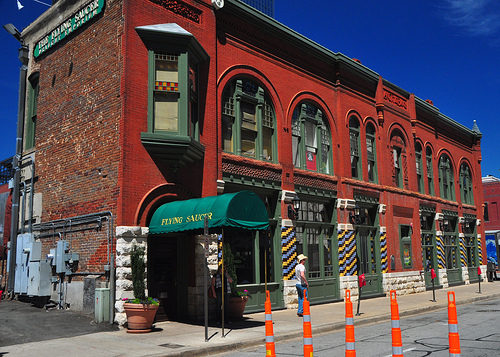
FlyingSaucerFor those of you attending the NAEA Convention in Fort Worth next week, I would like to extend an invitation for you to join the editors and authors of ArtMuseumTeaching.com for a casual Happy Hour event on Thursday, March 7, from 5-6pm at the Flying Saucer (111 E Third St, a short walk from the Convention Center). We’re interested in continually extending and opening up this conversation, and wanted to find a moment at NAEA to pull together anyone who has been involved in the project thus far, as well as anyone interested in learning more.

What: ArtMuseumTeaching.com Happy Hour
When: Thursday, March 7, 5:00-6:00pm
Where: Flying Saucer in Fort Worth, 111 E Third St

I look forward to seeing many of you in Fort Worth, and also getting more of your voices and perspectives involved in the ArtMuseumTeaching.com community!

Reimagining Peer Networks in a Digital Age

By Mike Murawski, Portland Art Museum; Dana Carlisle Kletchka, Palmer Museum of Art, Pennsylvania State University; Elyse Eidman-Aadahl, National Writing Project, University of California Berkeley

“People’s relationships remain strong—but they are networked. Neighbors, and neighborhoods still exist, to be sure, but they occupy a smaller portion of people’s lives. It is hard to borrow a cup of sugar from a Facebook friend 1,000 miles away, but it has become easier to socialize, get advice, and exchange emotional support at whatever distance. Where commentators had been afraid that the internet would wither in-person ties, it is clear that they enhance and extend them.” (Lee Rainie & Barry Wellman, Networked: The New Social Operating System, 2012).

In their recent book Networked: The New Social Operating System, Lee Rainie (director of the Pew Charitable Trusts Internet & American Life Project) and Barry Wellman (Professor of Sociology at the University of Toronto and Director of NetLab) have argued that the large online social circles of familiar platforms such as Facebook, Twitter, Pinterest, etc. actually expand opportunities for learning, problem solving, decision making and personal interaction. Their work at the Pew Internet Project and the NetLab (especially research for the Connected Lives Project) suggests that digital technologies are not isolated — or isolating — systems, but rather networked systems built upon these social networking platforms as well as mobile device technologies.

As Rainey and Wellman remind us (although we need no reminder):

“Daily life is connected life, its rhythms driven by endless  email pings and responses, the chimes and beeps of continually arriving text messages, tweets and retweets, Facebook updates, pictures and videos to post and discuss. Our perpetual connectedness gives us endless opportunities to be part of the give-and-take of networking.”

But how do we—as museum and arts education professionals—maneuver within a technology-mediated world in a way that allows us to cultivate productive, human-centered networks and communities? Museums and schools have been widely engaged in how digital media and technology can connect them with their students and audiences. But what about the potential of these same technologies to build entirely new “communities of practice” among professionals—whether art teachers, university faculty, or museum educators?

These questions are at the core of a series of conversations that we will be facilitating over the next several weeks, centered around a panel discussion that will be part of the National Art Education Association annual conference in Fort Worth at the beginning of March. Through these organic and open conversations, we hope to begin exploring models of human-centered professional exchange and peer networks suited to the increasing complexity, connectivity, and velocity of the 21st century. Drawing on innovative work from the National Writing Project (such as Digital Is), sites of exchange such as this one (ArtMuseumTeaching.com), and connected learning models developed with MacArthur Foundation’s Digital Media and Learning Initiative, we’ll be discussing how online networks and communities can harness the power of emerging technologies and social media to share, collaborate, curate, and participate with peers both today and in the future.

One way to more easily digest this sizeable topic is perhaps to take it one bite at a time.  So we’re excited to be facilitating two public “on air” Google Hangouts along with the session at NAEA—one hangout prior to the conference to take that first bite, and one a couple weeks after the conference to extend our thinking and perhaps follow-up on questions raised in the panel.  The online Google Hangout format also allows us to potentially engage a wider range of people than just those attending the NAEA conference, while at the same time practicing one of the most widely used technologies for face-to-face online engagement.

CONVERSATION #1 – Come Chat With Us via Google Hangout

“What Do WGoogleHangoutIcone Want from Online Communities of Practice?”

Open Google Hangout w/ Mike Murawski, Dana Carlisle Kletchka, Elyse Eidman-Aadahl

Thursday, February 28th – 1:00pm Pacific / 4:00pm Eastern

For this preconference conversation on Google Hangout, we thought we might simply ask:  “what do we want from online communities of practice and peer networks?”  What online networks and communities are you involved with? When you consider jumping into a new online community, what do you hope it will achieve?  What types of exchanges and experiences keep us engaged and prevent us from leaving (or ignoring) the online network? During this conversation, we were able to gather your thoughts, questions, and experiences which will inform our discussion at NAEA on March 7th.

View the YouTube recording of the “On Air” Google Hangout here:

Couldn’t join the Google Hangout?  Watch the broadcast above, and please add your thoughts and perspectives to the “Comments” section below, and we’ll utilize this space to keep the conversation going.

CONVERSATION #2 – NAEA Conference Session

NAEA_logo  “Reimagining Professional Exchange & Peer Networks in a Digital Age”

  NAEA Panel Session w/ Mike Murawski, Dana Carlisle Kletchka, Elyse Eidman-Aadahl

  Thursday, March 7th, -12:00-12:50pm, Meeting Room 121C/Center/1st Floor

At this session, we gathered with a great group of peers to share some of our own experiences working as developers, researchers, and participants in online networks and communities of practice, but also spent time opening up the conversation about key issues (many pulled from the preconference Google Hangout).  For example: how do we promote online ‘contributing’ instead of just online ‘visiting’ when it comes to these experiences? What are some ways to build co-learning interactions online?

Couldn’t attend the session?  Please feel free to connect with either of the Google Hangouts, or chime in via the “Comments” section below.

CONVERSATION #3 – Reconnect via Google Hangout

GoogleHangoutIcon“The Digital Follow-Up: How Do We Drag Everyone Back to Their Screens?”

Open Google Hangout w/ Mike Murawski, Dana Carlisle Kletchka, Elyse Eidman-Aadahl

Thursday, March 28th – 1:00pm Pacific / 4:00pm Eastern

One of the most difficult things to motivate busy museum and education professionals to do is to reconnect online after the conference or workshop.  While we all know the values of extending these relationships and opportunities to reconnect, it can be so difficult to make these a reality.  It only seems appropriate to make this one of the topics of our own ‘digital follow-up’ discussion.  How do we manage and nurture online professional networks so that members stay active, build stronger ties, and feel supported?  We also kept this follow-up conversation open to issues and questions that were addressed in the panel session at NAEA.

View the YouTube recording of the “On Air” Google Hangout here:


We look forward to continuing this exciting series of conversations!  If you have any ideas for a future Hangout or online get-together, let me know and we can work to schedule here within the ArtMuseumTeaching.com community.

Reposted through the National Writing Project’s Digital Is website.

Sweet Spots for Engaging Parents in Family Spaces

Museum Educators know that providing experiences for family audiences are a valuable way to advance the museum’s mission, expand its audience, and strengthen its place within the community. A relatively new way many museums are providing for families is with interactive exhibits. In recent years, these family spaces have evolved from engaging only children to engaging the entire family.

This shift has opened up new areas of study in family learning, broadly defined by the Family Learning Forum as “a special form of free-choice learning” that results in “shared meanings among and between family members.” I like this definition because it presents children and adults as being equally active in family learning. While many family programs and family spaces in museums focus on outcomes for children, I wondered what I could learn if I studied the adult half of the family learning equation. In 2011, I took a look at how adults, in the context of their families, used the Building Zone, a family space located in the National Building Museum in Washington, DC. Through observations and surveys, I uncovered a few sweet spots for parental engagement.

Blocks

photo by ijiwaru jimbo

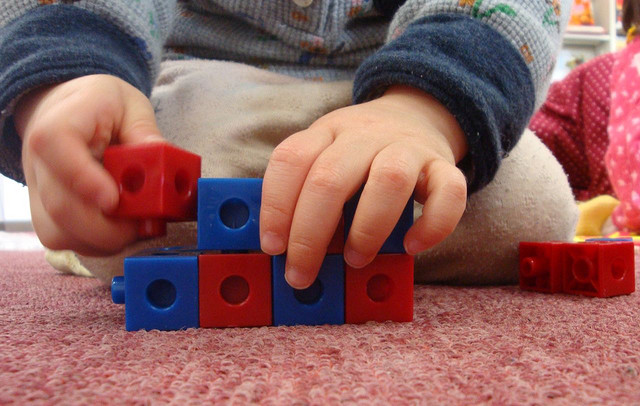
I already knew that blocks provide endless learning opportunities for children, but now I’m starting to think they are the absolute perfect toy. The majority of parents’ active engagement took place in the Building Zone’s two block areas. One at the front of the room consists of bins of small blocks with various architectural shapes and designs and larger foam blocks. The other block area spans the back wall of the room and has two different types of large plastic interlocking blocks. The block areas were the most popular places for caregivers to actively play with their children. I even occasionally observed adults building structures by themselves.

There is just something about the act of building that excites people of all ages. In her recent blog post, Gretchen Jennings makes this observation about museum Maker Spaces:

I also think their emphasis on family and multi-generational participation is a welcome change; often discovery and play spaces have been perceived, either because of their design or because it was assumed, as places for kids only, and adults just stood and watched or wondered off to see the rest of the museum.

My theory is that blocks can be interacted with on many different developmental levels. It doesn’t matter whether the fun stems from exploring the cause-and-effect relationship of knocking down a tower or exercising complex problem solving and abstract reasoning skills – blocks can interest people all ages. The adults I observed were much more interested in helping their children build than pretending to drive a toy truck.

Books

Photo by Svante Adermark

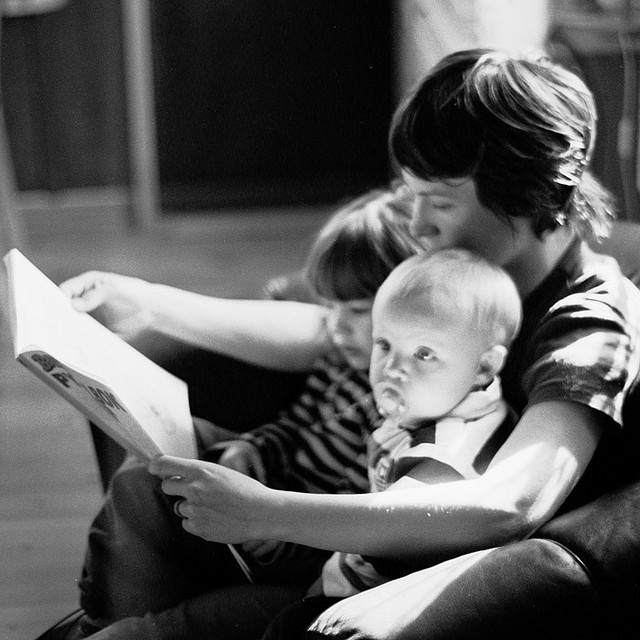
Another common area for parental engagement was the Book Nook, a corner of the room with pillows on the floor, bookshelves, and a few puppets. As with blocks, adults seemed comfortable interacting with their children around books. The children in the Building Zone were all pre-readers, so this is another area in which caregivers could use their knowledge and skills to help their children. The Book Nook was also the only area, aside from the block areas, that I observed adults engaged with the materials by themselves. A couple of times, I saw adults reading the children’s books silently to themselves.

Again, I believe the books appealed to the adults’ developmental level. Stories, like blocks, can be approached and interpreted in different ways. High-quality picture books have layers of meaning embedded in their text and illustrations that require abstract thought and background knowledge to understand.

Benches

The two adult-sized benches in the middle of the Building Zone were one of the most popular places for adults to be in the family space. While caregivers played the most in the block areas and the Book Nook, a different kind of engagement was taking place on the benches – caregivers were observing the children.

Part of the Family Learning Forum’s definition of family learning is learning about each other. While Susie Wilkening of the Reach Advisors is right to be concerned when parents don’t engage with the museum content at all, I think it’s important not to overlook observing one’s children as a form of parent engagement. This is especially true when you consider that the adults I surveyed hoped that they would be able to observe their children playing in the Building Zone and said that being able to observe their children having fun is one of the things that makes a family experience positive. I’m curious to know what readers think about active versus passive forms of parent engagement. To what extent should museum family spaces be designed to encourage parent’s active participation, and to what extent should they be designed for passive observation?

Museum family spaces are sites for complex social interactions and learning experiences. Focusing on the family as a whole in the areas of family learning and parent engagement allows museums to create meaningful experiences for all their visitors. Have you noticed any sweet spots for engaging parents with children in your museum?

A Teaching Interview: THE Audition for Museum Educators

Stricken with those awful nerves that overcome your system while you try to remember those lines you were up past midnight cramming into your head, you cling to your crumpled, dingy papers for dear life – the papers that contain the information you were trying so hard to memorize, the statements you need to naturally and conversationally say. You know you know it, but every time you try to say something without glancing at your papers that are quickly becoming damp from your sweaty palms, your brain freezes. Your name is about to be called as you sit in the uncomfortable chair, fidgeting with the sticker that betrays your best outfit. Doors swing open, and a smiling voice says, “We are ready for you.”

This scenario easily depicts almost every audition I’ve ever had. It also depicts the ‘teaching interviews’ or ‘sample tours’ or even ‘classroom simulation’ I and many other museum educators have had to do as part of interview processes. As a still-sometimes actress, if it quacks like a duck and looks like a duck, call it a duck – museum educators audition for their jobs. A lot. Good monologues do not get actors cast – and good information doesn’t always get museum educators hired. Technique plays a large part in both careers, posing the question: Isn’t it about time we start paying more attention to how we are saying things, and not just what we are saying?

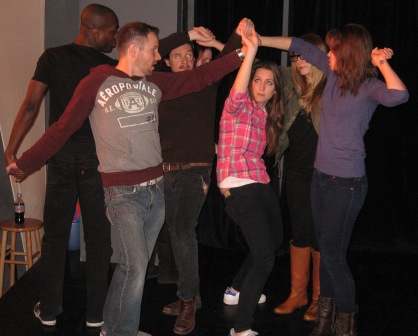
Teaching AuditionIn an audition, the actor is usually provided with an opportunity to bring in a prepared monologue. The actor will perform said monologue and the director makes a decision if the actor is getting called back or sent on their way. Generally speaking, the actor will spend hours, days, even weeks finding that perfect monologue that not only showcases their skill set as a performer, but also connects with the particular role they are auditioning for. If an actor is auditioning for Cosette in Les Mis, their first choice wouldn’t be a piece that brings people to gut-busting laughter. Sounds a little familiar, doesn’t it?

For the teaching interviews I’ve had the pleasure and anxiety of experiencing, it all starts with successfully completing the in-person/phone interview. Then there is the nerve-racking moment of reading the invitation to do a teaching interview. While each institution is different, usually the main idea is to assemble a sample tour (or tour stop) and, with a nod to multimodal learning, an activity for that stop. Usually the prospective educator has about a week to put together this stop and spends countless hours researching the collection, choosing objects, picking that ONE object that will showcase knowledge, teaching skill and personality. Just like an actor auditioning for a role.

actors warming up prior to auditions

But actors will warm up before auditions – take 10 minutes and walk into Ripley-Grier and see dozens of actors at all times doing tongue twisters, stretching, working on breath support and even adjusting their posture. They’ve realized that it’s not just about what you are saying – while the selection is important, it’s equally about how they are saying those words. There is the old adage that you can make people interested in a banana bread recipe if you are interesting enough. In museum education, you might know every fact about Rembrandt and his Self Portrait that hangs exquisitely in the West Gallery at The Frick Collection – but, if you can’t capture your audience and if you can’t be heard, then what?

Some museums are picking up on this idea and calling it what it is.  I had the pleasure of being at the Denver Nature and Science Museum at the end of January to lead professional development workshops and found they audition their education staff. There is an educator position entitled “Performer – Facilitator” and part of the interview is a legitimate audition. According to David Allison, Visitor Programs Manager, and Samantha Richards, Educator/Coordinator for Earth Gallery Programs, after the telephone interview, “they [the candidates] are asked to prepare a monologue and a science facilitation…we also have them do a ‘cold read’ of a script.” When asked why, David replied, “The cold reads show us the comfort level they have with improvisation and the ability to ‘ramp up’ their performance on the spot…the prepared pieces both shows us how well they prepare and also what their instincts are around performing and presenting dynamic shows to our guests.” Samantha added, “The cold read also shows us their performance skills…it is as much about how they wear the cape and how engaging they are as how comfortable they feel.”

For the educators who are uncomfortable with the performance aspect, DMNS has an alternative. According to Samantha, “We do also offer the option of reading two contrasting stories instead of monologues.” The audition section of the job description itself is very clear:

Two contrasting monologues (e.g. comedic and dramatic, 3-5 min each) with some movement;

OR

Choose two children’s stories to read. For one, pick 2-4 pages to read as if you were reading one on one with a child. For the other pick 2-4 pages to read as if you were reading to a large group, where you would need to use dramatic voices and movement to tell the story.

David added, “Some educators take to it quickly and can easily adapt. Others struggle. We can generally tell very quickly if someone is a good fit or not for our team.”

The audition aside, DMNS also does ask for a science facilitation – the information and research is still there. They are also focusing just as much on the presentational aspect of the positions. Samantha added to this idea: “It is very important that our staff is comfortable doing everything from talking to one child about a rock to wearing an astronaut suit and ‘being’ an astronaut in front of a hundred visitors.”

Teaching interviews are not much different than auditions. As educators, it’s time to start focusing on how we are saying the things we are saying. Take an improv class. Do deep breathing before a tour. Pull out some tongue-twisters to get the muscles in your mouth ready to say those artist names and movements without tripping over syllables. We are not actors – but – we have an audience. And taking advantage of every trick of the trade will only make us more engaging and our passions more interesting. In the words of Kid President during his pep talk, “Boring is easy, everybody can be boring. But you are gooder than that.”

Have you had a teaching interview/audition? Does your institution conduct them? How did/do you prepare? Should more museums have auditions and practice-based interviews for education positions?

What Do You Customize? OMCA’s we/customize project

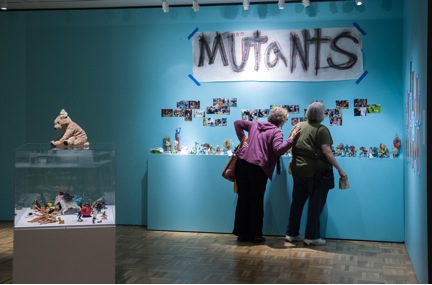
The we/customize project at Oakland Museum of California explores the Bay Area perspective on the popular cultural activities of hacking, remixing, tailoring, modding, mash-ups, kit bashing, and customizing. The connecting spark in each of these spheres of activity is the shared impulse of the maker to radically alter the familiar to personal standards.

we/customize was born of a conversation about custom motorcycles, and grew into something akin to adulthood as the consequence of friendship and collaboration.

As non-participants in this part of our culture, Carin Adams­ (Associate Curator of Art and Material Culture) and I (as the Research and Experience Coordinator) were trying to find the kernels of interest connecting us to choppers. This lead us to observe how people form communities focused on the radical alteration of objects, how these groups self select themselves, and develop identity by means of their chosen activities. To round out the team and help us think about connecting disparate groups, Carin and I asked Evelyn Orantes (Senior Experience Developer) to join us to create our curatorial trio.

To create an exhibition around the activity of customization and the associated communities, we set out to develop the project differently than through the traditional museum approach. Our goal wasn’t to create a new working model for museum exhibitions, nor would we necessarily recommend the particular path we took. We wanted to have fun putting the project together while finding a means to exhibit the content we felt was the most exciting. This subject matter lent itself to be sifted out of conversations and by building relationships with these communities. Our process of content development, did however, reinforce the changing role of the museum as a forum for living cultural activity.

To build the exhibition in conversation with audiences – we made our initial public foray on two fronts. First by going out into the public at Oakland Art Murmur and asking people on video – “What do you customize?” The second, we hosted a panel discussion at OMCA, with Johnny Chung Lee, Jesse Hernandez, and Daniela Rosner about their work and views on customization. These conversations became the basis for how we framed our research, and the public interviews remain part of the content.

To further the dialog, we began with our interviews and panel discussion, we decided to continue going out into the public to build the content for the exhibition. This decision either allowed or forced us to divide the public side of the project into three main phases.

PHASE I: September 26–December 22, 2012

Photo by Ryan LeBlanc

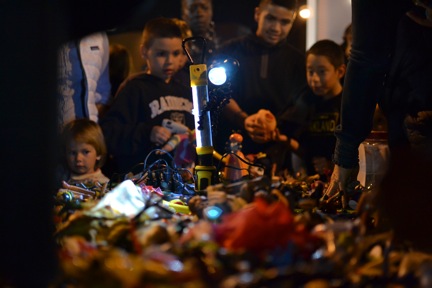
Using the Oakland Rover—a Might-E Truck by Canadian Electric Vehicle, customized by designers Martin Sprouse and Dan Rosenfeld for Oakland Museum of California, we traveled throughout the Bay Area engaging communities in creative projects that explored how people modify objects to serve their own needs. From toy hacking to airbrushing, sound remixing and bike modification— Oakland Rover programs led to rich interactions with the public, who contributed their projects and ideas. These “missions” featured customizers who brought the public a variety of workshops, demonstrations, and participation in the conversation about customization.

The first phase of our project also saw the launch of our social media campaign to continue our conversations with the public online with our blog (wecustomize.org) and on Twitter (@OaklandRover). These exchanges gave us valuable feedback shaping the second and third phases of the project.

PHASE II: December 22, 2012–January 28, 2013

The Oakland Rover’s missions ended when it rolled into OMCA’s Great Hall on December 22. The exploration of customization continued with the transformation of the gallery itself. With paint still on the walls from the previous exhibit, we filled in the space with findings from the Oakland Rover missions as well as visitor input. Starting January 4, guest customizers began on-site demonstrations of their work and invited visitors to join their projects. From scraping out bikes to toy hacking to clothing customization, visitors helped us prototype the Customizer-In-Residence Series and develop interactives.

Photo by Johnna Arnold

PHASE III: February 9, 2013­–June 2, 2013

The final phase of the we/customize project is the exhibition, exploring the many forms of customization. The weekly Customizers-in-Residence Series will activate the space through live interactions with people from a variety of customization groups. Through the four months of the exhibition, the space will continue to build, with new projects by both our audience and our Customizers-in-Residence living in the space.

Photo by Johnna Arnold

While planning the project we realized a tradition opening celebration was out of context with our intent. As the exhibition transforms over time – as a consequence of customizers on site and the objects we’re accumulating – we realized the exhibition wouldn’t be complete until the show closed. With this in mind, we’ve planned on brining all the Customizers-in-Residence as well as museum staff together for a final closing party. Not only as a celebration of the conclusion of the project but our final attempt at igniting that initial spark, within each of these spheres of activity, in a culminating experience.

“What do you customize?” – Join the Conversation

The we/customize project began when we asked ourselves how we connect across communities. We launched the project by asking the public “What do you customize?” While we’ve refined our questions as the project developed, we still want to know – What do you customize? What do you start with? What tools do you use? and Why? Where is the boundary between a customization and an invention?

Authors/Project Collaborators:

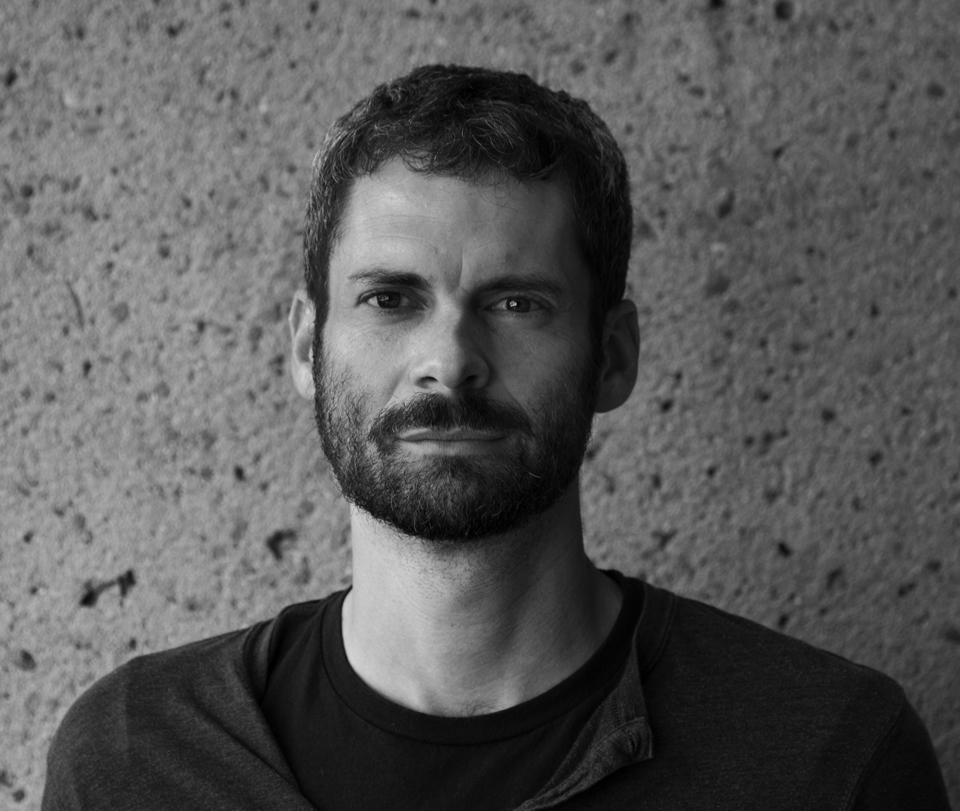
seanSean Olson is the Research and Experience Coordinator at the Oakland Museum of California, and is a member of the we/customize curatorial team trio. An artist and an educator, he has an MFA from Mills College. He has taught at Diablo Valley College as well as Mills College. Sean lives and rides his bike in Oakland. Look for the guy with the custom dress shoes with SPD cleats.

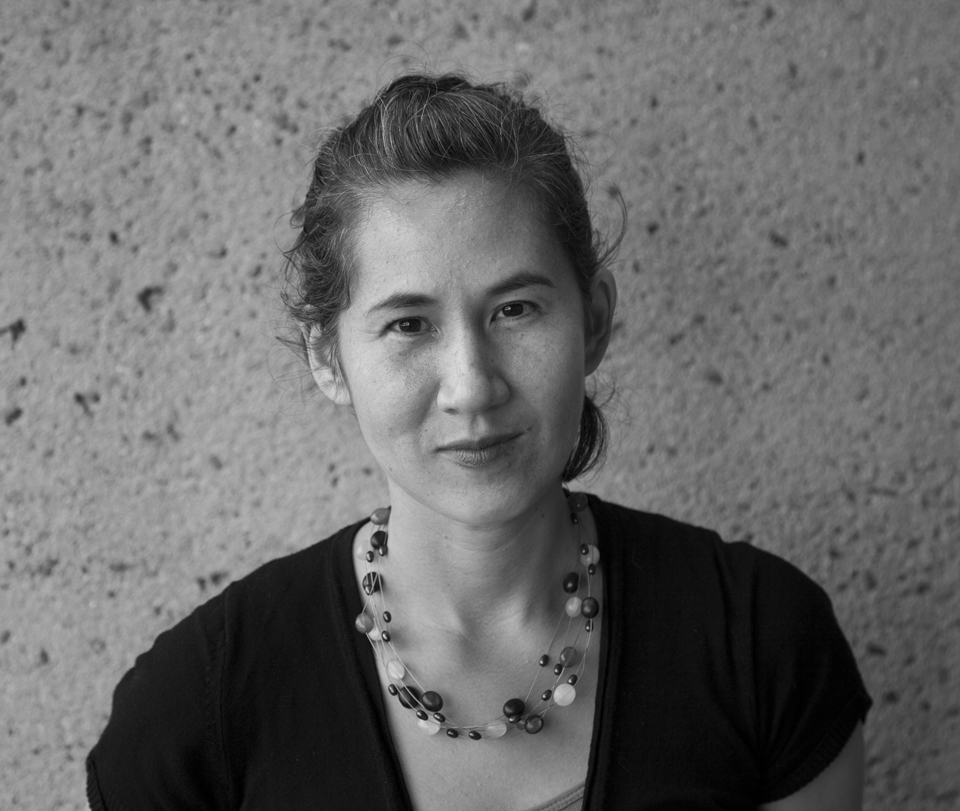
CarinCarin Adams is the Associate Curator of Art and Material Culture at the Oakland Museum of California and is a member of the we/customize curatorial team trio. She joined OMCA in 2006 as curator for the off-site exhibition program at Oakland International Airport. A resident of Oakland and the mother of two, Carin has an endless supply of toys to hack. She has BFA from California College of the Arts and a MFA from the Art Institute of Chicago.

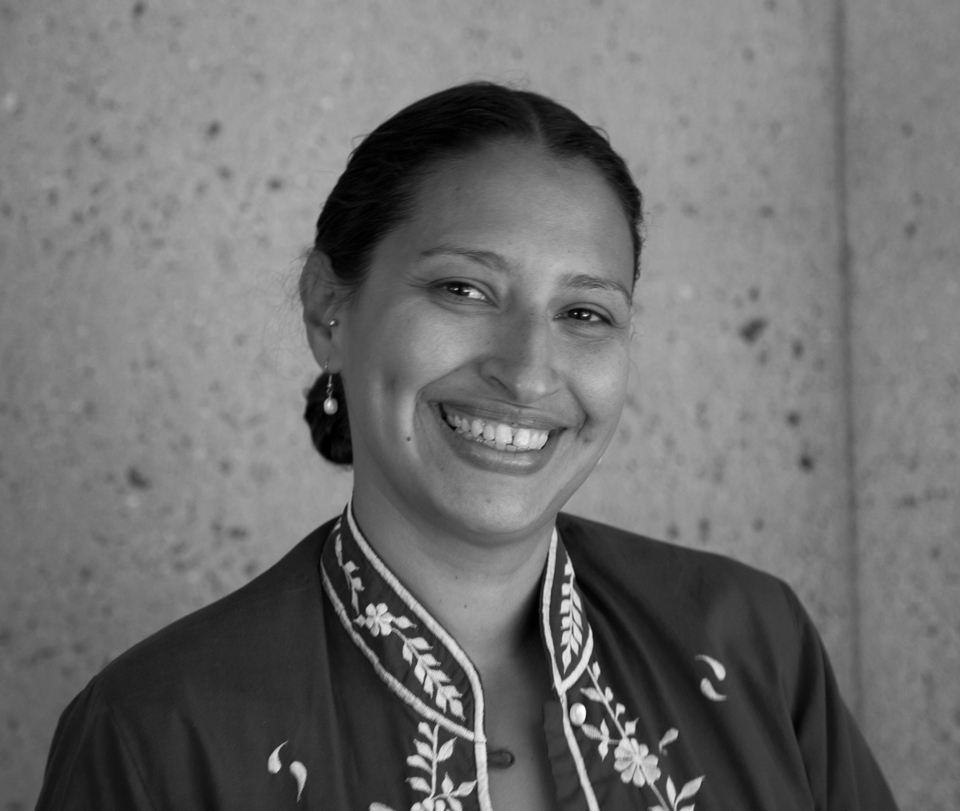
evelynEvelyn Orantes is the Senior Experience Developer at the Oakland Museum of California, and is a member of the we/customize curatorial team trio. With over a decade of museum work at OMCA under her sparkly belt, she delivers meaningful moments of honor, discovery, memory and inclusion for visitors, from the annual Días de los Muertos special exhibition to programs stimulating the minds of all ages. A graduate of UC Berkeley, she is the queen of California culture mash-ups, dishing the authentic complexities of California, one exhibition or program at a time.