All posts by Mike Murawski

Open Letter to The Walker Art Center

Editor’s Note: While ArtMuseumTeaching.com does not frequently republish posts from other sites, there are interesting and urgent issues raised periodically that, I feel, could spark productive conversations, exchange, and potentially even change in our field.  The provocative post below published at Opine Season has already sparked lots of thinking and questioning, and I’d like to utilize the online space and community of ArtMuseumTeaching.com to allow for an OpenThink on these meaningful issues of diversity, audience, community, and social responsibility.  As the letter’s authors state below, “we write this not as disgruntled individuals wanting access to one event. We write this as a collective who are asserting their voice to hold the institutions in their community accountable to a higher responsibility of service.”  I invite everyone to share thoughts, questions, and experiences below.

Written by Chaun Webster, Jeremiah Bey Ellison, Arianna Genis, Shannon Gibney and Valerie Deus

Originally posted at Opine Season on October 29, 2013.

To Whom It May Concern at The Walker Art Center,

We have learned that on October 30, The Walker Art Center will be showing the film, 12 Years a Slave, directed by Steve McQueen, and followed by a talk with the director on Nov 9. This film is perhaps one of the most honest and visceral visual representations of the horrors that were part and parcel of the institution of slavery. Furthermore from the beginning, 12 Years a Slave has been, from its firsthand account, to the writer, to the director and leading actor, one of the most highly recognized, fully Black cinematic collaborations in the history of film.

12yearsWe are concerned that though this film is being shown, that peoples of African descent, whose ancestors’ lives and histories were disrupted by the slaveocracy, will be largely underrepresented in the audience. Our position is that equity is not just about the diversity in the art being shown but the material work of creating greater access to exhibitions to ensure that audiences are representative of the subject matter.

We understand that these events were publicized to members of The Walker and on The Walker’s website. As you may or may not know, when marketing strategies are limited in media and points of origin, the race, class, gender and other layers of social location are also limited.

Within the Walker Art Center’s Mission Statement the institution is described as “a catalyst for the creative expression of artists and the active engagement of audiences” and having programs which “examine the questions that shape and inspire us as individuals, cultures and communities.” Which communities do you seek to inspire and what questions do you seek to examine with the creative expression of artists?

Over the years we have become acutely aware of the way that art institutions are guided by an exceptionalism that will welcome works of art by select artists of African descent and other historically marginalized groups but will largely have little to no relationship with members of those communities. This in no small way contributes to the issue of representative audiences.

stevemcqueenRepresentative audiences insure that narratives are not placed in a vacuum where art institutions can be absolved of responsibility to the cultures and traditions that those stories come from. When white-dominated spaces, often of a homogenous class, bring work like McQueen’s 12 Years a Slave in, they in many ways manage the narrative and the way that it gets interpreted. In these spaces the participant/viewers are freed of any responsibility, social or otherwise, to historically marginalized groups and in so doing re-inscribe the roles of colonialism in art production, distribution, and consumption. In other words, in this case, African art can be present and maybe even a few “exceptional” African artists, but by and large African bodies are unwelcome.

In light of all of this we are calling on The Walker Arts Center to recognize their exclusive practice of not intentionally involving historically marginalized groups at the table for this occasion. This recognition can in part take the form of publishing this letter as an addendum to the material circulated at the screening of 12 Years a Slave and director talk.

We urge The Walker to open up more ticket space for both the screening and the discussion with Steve McQueen. This ticket space would be freely given to reputable organizations of our choice that work with underrepresented youth.

We urge The Walker to arrange another screening and talk with the director that we would host in a community space of our choosing.

Lastly we are calling on The Walker to host a panel discussion at The Walker where we can convene a public conversation on art and social responsibility as it relates to the artist and art institutions.

The tremendous contributions of Africans, on the continent, in the United States, and other parts of the diaspora cannot be understated. These contributions stand in chorus with that of other historically marginalized groups whose communities continue to be denied access to tables carved from their own wood.

The Walker can serve a role in equity as it relates to the production, distribution, and consumption of art in the Twin Cities, but that will require a resolve to listen to its diverse constituents who represent a variety of cultural and ideological perspectives. We write this not as disgruntled individuals wanting access to one event. We write this as a collective who are asserting their voice to hold the institutions in their community accountable to a higher responsibility of service. It is our belief that this is not only possible but imperative as we move forward.

*     *     *     *     *

About the Author

chaun-webster-e1362580382950Chaun Webster is a Twin Cities activist, publisher, and poet in the Black radical tradition. Founding Free Poet’s Press in 2009 with the intention of empowering Black and Brown artists to control their own images, Webster is a 2011 Verve Grant recipient and is preparing for the release of HaiCOUP: a fieldguide in guerrilla (po)ethics. More information about Chaun Webster and Free Poet’s Press can be found at www.freepoetspress.com.

RELATED POSTS THAT MIGHT BE OF INTEREST:

Blurring the Lines: Walker Art Center’s Open Field

Reflecting on Our Radical Roots

Making the Conversation More Inclusive
 

Getting a Better Sense of the Terrain: Machine Project at the Hammer Museum

This post is part of a series I am writing this week to explore the role of artists and artistic practice in the experimental work occurring in art museums across this country, and beyond.  In order to more effectively examine the ways in which art museums have become sites for socially-engaged practice and new forms of artist-driven public engagement, I’m interested in taking some time to showcase three telling cases that have been developed in museums at a parallel moment these past few years:

Selected from more than a dozen examples of this type of practice, these three projects each have stretched and pushed their institutions in new and productive ways, opening up unanticipated, thought-provoking, exciting, and even uncomfortable ways for visitors to experience an art museum.

To help get a sense of how many arts enthusiasts, museum professionals, and educators are aware of these types of experimental museum projects, I’ve been asking readers to please take a few seconds and complete the poll below, if you have not already.

Thanks for responding to the question above.  Now onto the second telling case of great work being done in this area of museum practice.

Machine Project at UCLA’s Hammer Museum

“Almost every day now I think about the power that intimacy can have, and that we don’t need to serve a thousand people with each project. We’ve talked often about how you measure success: it’s not just the number of people that come through; quality is part of it.”  Allison Agsten, Machine Project Hammer Report

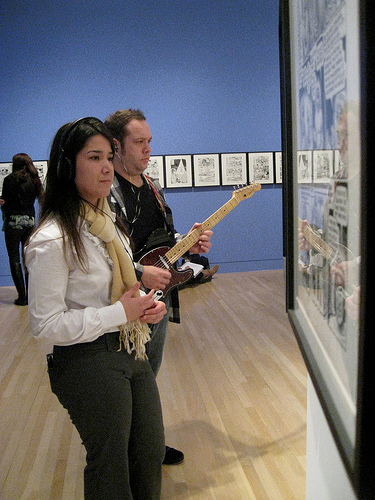
Machine Project’s Live Museum Soundtrack at the Hammer Museum. Guitarist Eric Klerks improvises music for each artworks this visitor views.

In 2010, the Hammer Museum at the University of California, Los Angeles, invited the artist/performer collaborative Machine Project to produce a year of programming which proposed new, alternative, and experimental ways of presenting work at the museum. This decision came out of a process in which the museum worked with a newly-created Artist Council to address many of the visitor services issues the museum was struggling with. Striving to be a truly artist-driven institution, the museum received funding from the Irvine Foundation to create its Public Engagement Artist in Residence program, with Machine Project being the first. Over their residency, twenty-six projects were implemented, including personal soundtracks for visitors, staff pet portraits, table tennis, printmaking workshops, micro-concerts, and a giant animatronic hand that pointed people to different areas of the museum.

The Hammer’s Public Engagement Artist in Residence program specifically sought to bring the creative process of artists into the museum, setting out to utilize artists as problem solvers for visitor services and operational concerns.  As Mark Allen, Director of Machine Project, discusses in his introduction in the Machine Project Hammer Report (2012), however, this became a point of tension between the museum and Machine Project artists:

“When people at an institution speak of a problem, it is often to indicate something that interferes with their operation. From the artist’s perspective, a problem is a provocation or a site to which the artwork responds by creating something that engages the problem and makes it visible in a different light. The problem is aestheticized, framed, or reconfigured; it is seldom erased or resolved.”

micro-concert as part of Machine Project's residency at Hammer Museum.
micro-concert as part of Machine Project’s residency at Hammer Museum.

The Hammer Museum and the artists working with Machine Project have been transparent about these tensions in a unique way that spotlights how productive it can be for visitors to think critically about the museums they visit. While bringing in artists to “fix glitches” may not be a successful goal for experimental practice like Public Engagement, having artists collaborate with museums does work toward more process-oriented goals of having critical conversations about creative negotiation, of building capacities for collaboration, of encouraging museums to cede more control to their communities, and of reconsidering how these institutions engage their publics.  Reflecting upon the project in 2012, a year after its conclusion, the team at Machine Project observed:

“A year later, what seems most interesting about this project is not just what the public experienced, but everything that took place behind the scenes – the conversations with artists, the challenges inside and outside of the museum, the logistic and philosophical issues involved in attempting to suggest other uses for a major cultural institution.” 

This single example of the Hammer Museum’s Public Engagement Artist in Residence program clearly indicates the value of artist-driven visitor engagement, and their work has served as a guide for other institutions to have “a better sense of the terrain” in pursuing similar endeavors.

OTHER POSTS IN THIS SERIES:

Possibilities for Evolution: Artists Experimenting in Art Museums

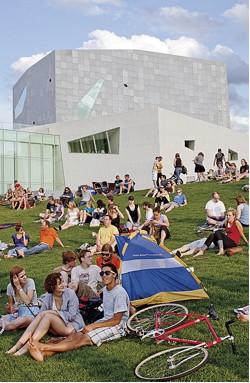
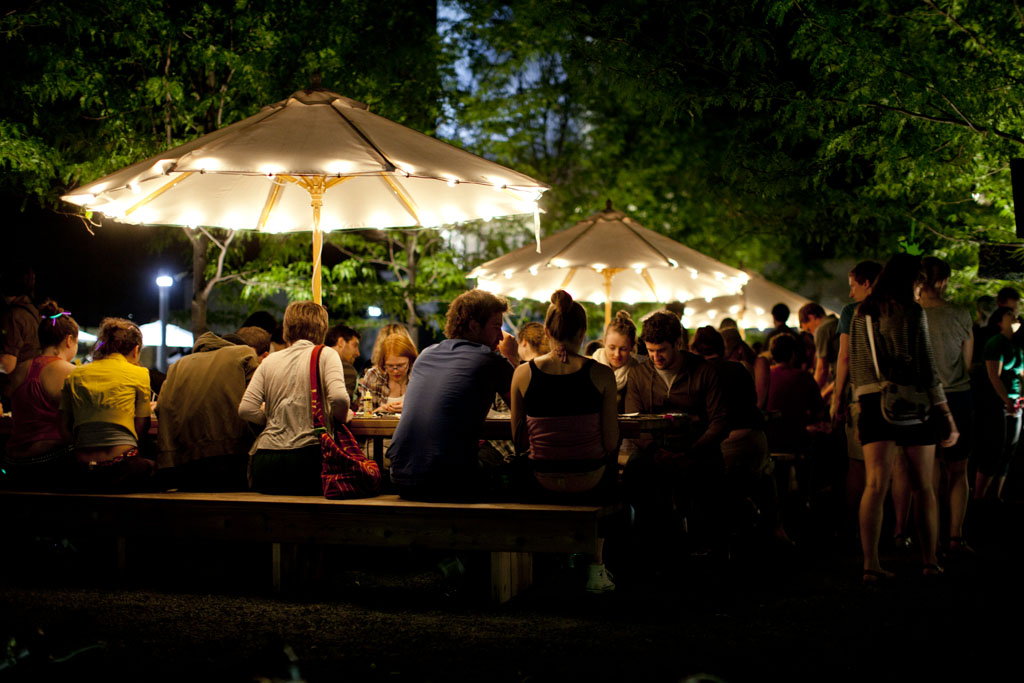
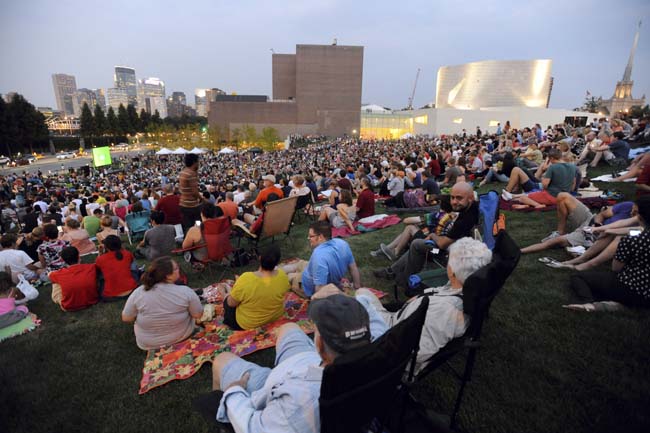
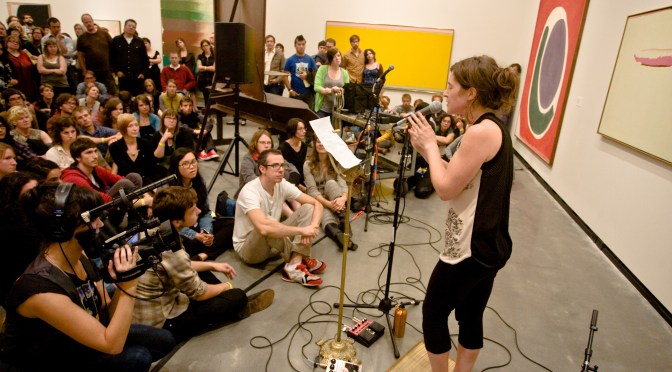
Blurring the Lines: Walker Art Center’s Open Field

Rethink What Can Happen in a Museum: Portland Art Museum’s Shine a Light

RELATED POSTS:

Towards an Even More Participatory Culture in Art Museums

Participate: Designing with User-Generated Content (book review)

Doing, Not Just Viewing: Working Towards a More Participatory Practice

‘Getting in On the Act’: Exploring a More Participatory Arts Practice

It’s Time to Recognize Excellence

trophies-in-a-rowAs art museum educators, we get so wrapped up in our own practice and day-to-day work that there are many things we sometimes do not have time for. From writing that article we’ve always wanted to write to simply spending more time in the galleries looking at art, we can get so busy that these things speed past us. Too frequently, recognizing the work we do as educators also falls by the wayside. So I am calling on you to press the pause button for one moment and recognize the excellent work your peers are doing in the field. It’s time to recognize excellence in art museum education!

Nominate a colleague for the National Art Education Association Museum Division Awards! This is such a simple process, and you can nominate any current NAEA member for Regional Awards as well as the National Award. Here is what you need to do:

  1. Take 5 minutes and think of someone who is making a difference in your work as a museum educator — whether they are a super supportive mentor, a transformative colleague, or an emerging educator whose hard work is deserving of recognition.
  2. Contact them — shoot them an email saying that you think they simply ROCK, and that you would like to nominate them for an NAEA Museum Division Award (regional or national).
  3. Write a short letter saying how great they are! What has been exemplary about their practice or their role in the field of museum education? What impact are they making at their institution; in their community; in the National Art Education Association? How have they pushed you to become a better educator? Please make them blush when they read it.
  4. Ask your rock star nominee to fill out the short CV form (download here) and to select 2 people to write short, glowing letters of support. Again, this is usually very easy, since as a field we are all here to support each other and recognize excellence. Ask the nominee to have their support letters sent directly to you.
  5. Submit this entire packet (nomination letter, CV form, and 2 letters of support) to Ben Garcia (ben.garcia@berkeley.edu) or myself, Mike Murawski (murawski27@gmail.com), no later than October 1st. Please don’t miss this deadline! We really want to consider your nomination and recognize excellence in your colleagues.

NAEA_Awards_2014_cvrYou can find all of this information and forms by visiting the NAEA Awards website here.

Over the past 30 years, the National Art Education Association has recognized excellence in nearly 150 museum educators that are members of NAEA, many of them are mentors and colleagues that we have had the pleasure of working with or continue to work with now. The list includes “movers and shakers” in our field, but also the quiet, modest, yet powerful educators who would not have been recognized without being nominated by someone like yourself.

So take the time to recognize the excellent and transformative work happening in our field, and nominate someone for an NAEA Award!

If you have any questions at all, or need help with this process, do not hesitate to email me at murawski27@gmail.com or Ben Garcia at ben.garcia@berkeley.edu. Remember that the deadline for submitting nominations is October 1st!

Integrating Art Museum Education into a K-12 School

Guest post by Michelle Marcus, The Dalton School

As John Dewey was integrating museum visits and other object-based experiences into his Lab Schools at the University of Chicago, Helen Parkhurst was incorporating similar principles into what would become the foundation of The Dalton School in New York City.  Dalton is still committed to interactive teaching and learning in museum settings; witness my particular position as art museum educator and resident art historian within a larger Museum Program. In close collaboration with classroom teachers and other specialists, both inside and outside the school, the program integrates objects and images into the existing K-12 academic curriculum (especially in social studies and history). At the same time, it weaves age-appropriate methods and questions of art history across the school. My experiences at Dalton over the past 15 years resonate with new directions in art museum education, as the latter begins to explore its shared roots with progressive schools.
Archaeological Analysis with iPads at the Met

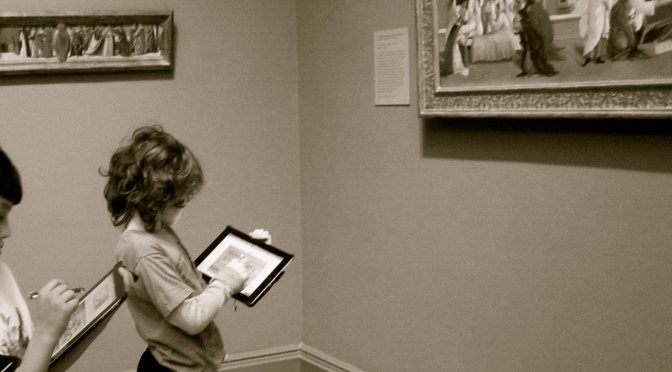
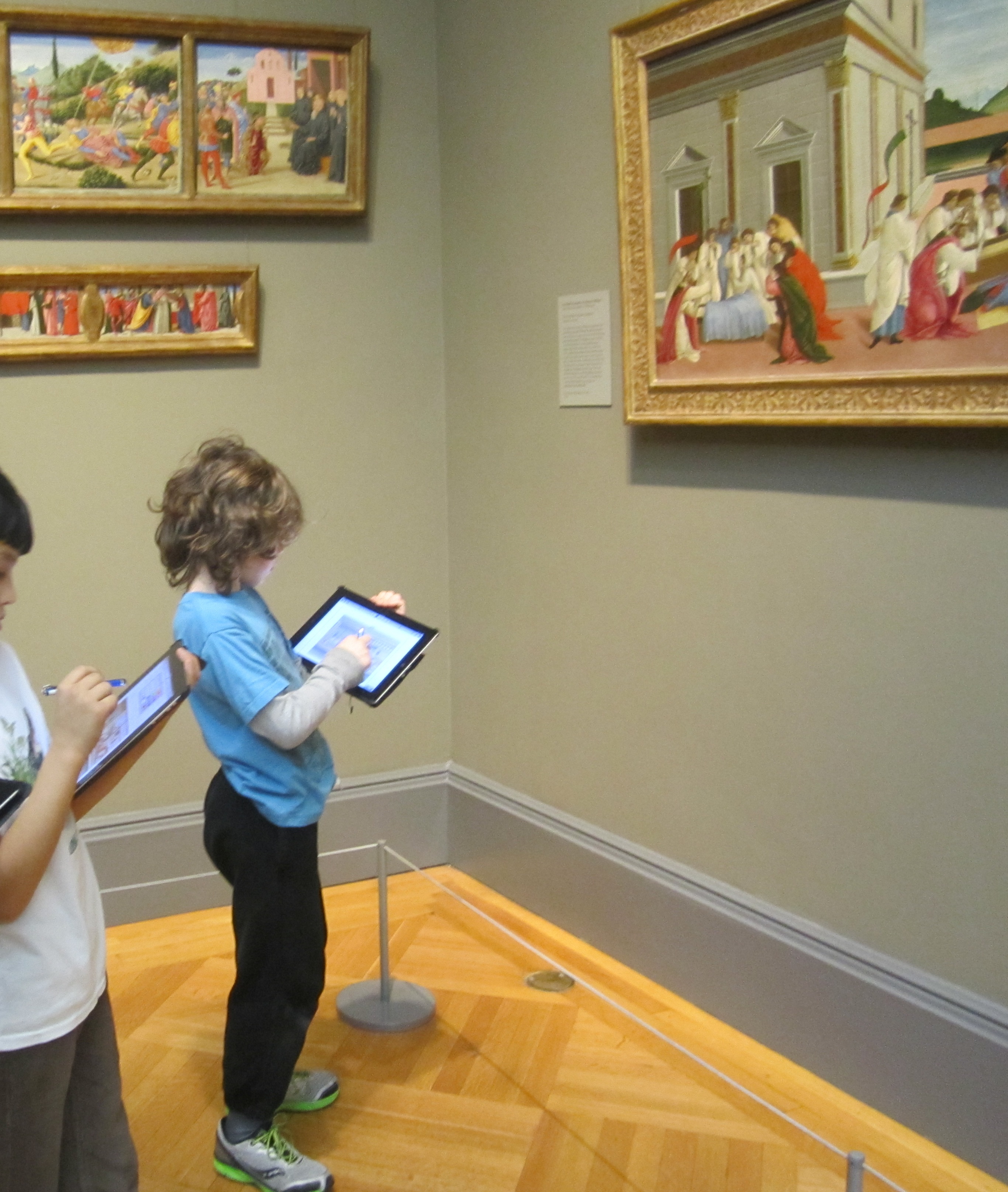
Third graders with iPads in the European Painting Galleries at The Metropolitan Museum of Art (Photo courtesy S. Brudnick).

Third grade doesn’t get any better than an archaeological dig. Even a simulated dig, chock full of museum replicas and flea market finds that only look like they belong to the Age of Exploration. The challenge is keeping the analysis of the finds as engaging as their recovery.  In one strategy, the students revisit the Met to find comparative materials with which to determine the possible place of production of their artifacts. Using iPads to document their finds, students rely on attributes of material, shape, and style: the bend of a tree trunk, the outstretched wings of a bird, the sense of spatial illusion.
Such authentic analogies raise the level of inquiry. For example, were the artifacts from a century palace at Kashgar made locally (in Central Asia), or had they been imported from elsewhere? Why are there Chinese-style cranes on an inscribed Persian tile? By mapping their museum parallels, the students start to reconstruct the nature of exchange along the Silk Road in the time of Columbus. Their finds convince them that Kashgar was a major player in a trade network that stretched from Italy to China. The students take ownership of a history they created from the ground up. While the archaeology provides the initial motivation, an authentic visual analysis sustains it. The use of art museum replicas as primary visual resources in school (whether excavated or not, whether high or low end) provides obvious opportunities for integrated museum visits, or for similar work with online collections.

Rolling Ancient Cylinder Seals at the Morgan Library

Student seal
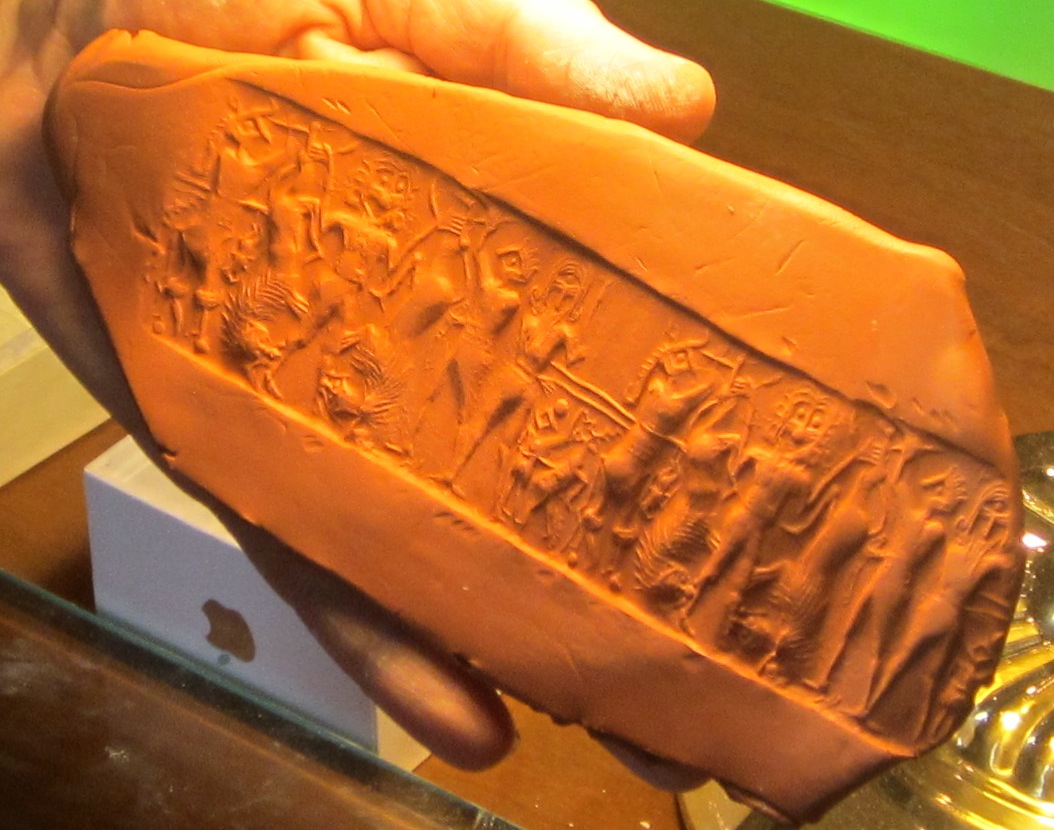
A student’s rolling of an ancient Sumerian cylinder seal. The Morgan Library and Museum (Photo courtesy of I. Donnelly)

While the Met meets most of our needs most of the time (in terms of collection, proximity, and access), the smaller institutions can nevertheless offer more direct experiences with objects and curators. For example, a curator at The Morgan Library offers our fifth graders a remarkable opportunity with cylinder seals from ancient Iraq (ca. 3000-5000 BCE). He lets the students roll an ancient seal across damp clay to create a continuous impression of the engraved design.

What makes this experience so humbling, rather than excessive, is the degree to which it is informed by a classroom curriculum. The students arrive at the Library familiar with the iconography and function of cylinder seals in antiquity, including, for example, the way they were used to mark tablets as signs of authority. We are always delighted (but never surprised) to see the seal-bearing students quiver as they are transported back in time, knowing they are using the same object a Sumerian or Babylonian official did 3000 to 5000 years ago.
Mesopotamia Day at the University of Pennsylvania Museum

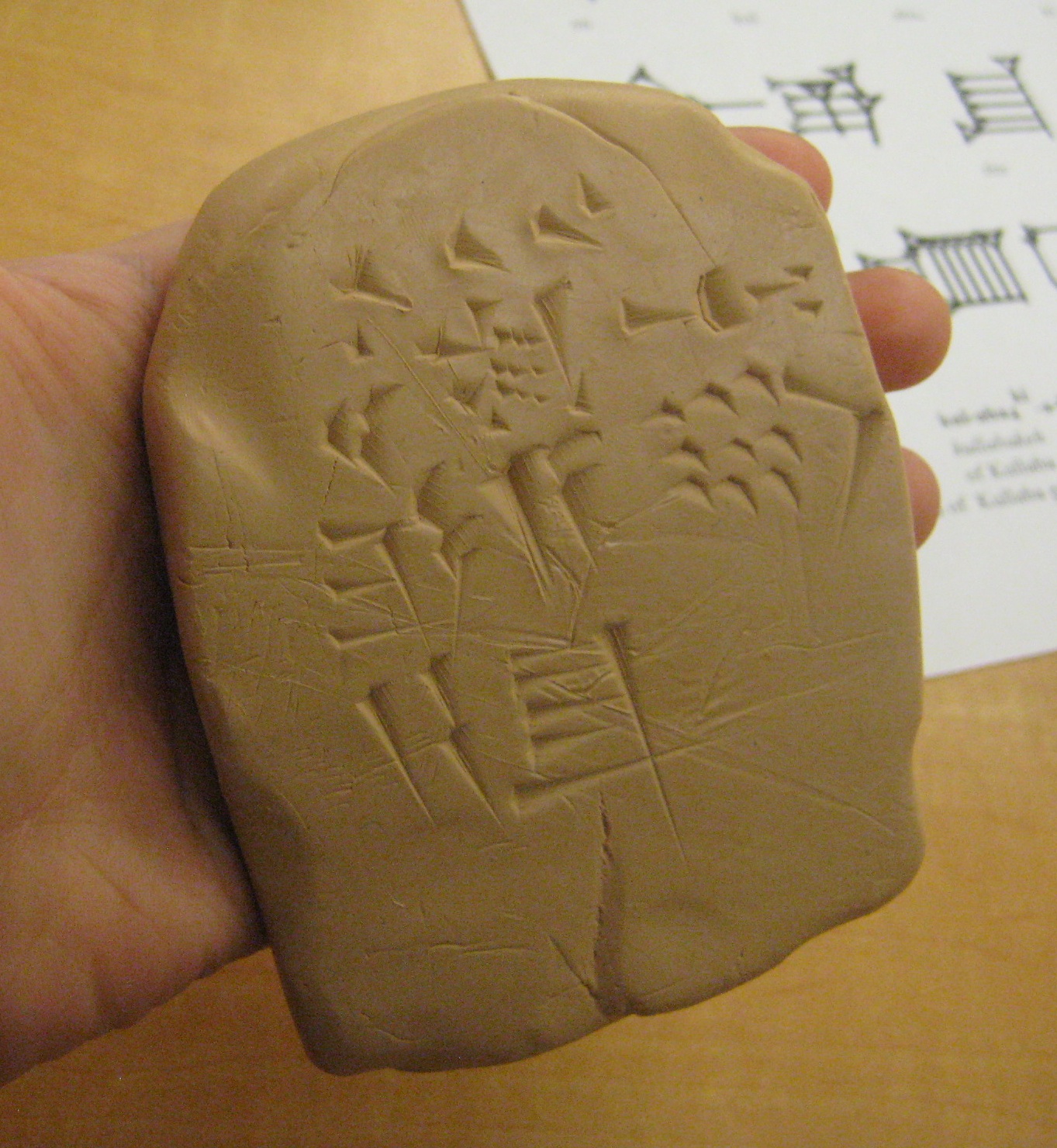
The University of Pennsylvania Museum of Archaeology & Anthropology offers a different sort of experience for our fifth graders. It is based on the museum’s renowned position at the forefront of archaeological and academic research about the ancient Near East; as well as an unusual collaboration among a number of individuals at several institutions. The excursion is organized along the lines of a junior academic conference, in which students have direct access to objects, scholars, and ancient methods of production. In one session, scholars let students handle ancient cuneiform tablets before teaching them how to make one of their own.

A cuneiform tablet made by a Dalton fifth grader at The University of Pennsylvania Museum (Photo Courtesy P. McElfresh)

One memorable moment has students passing around an ancient school tablet, used to practice making cuneiform signs on clay. They notice odd impressions along one edge. Are they ancient numbers? Is it damage? Finally, one student recognizes them as teeth marks! Indeed, a physical anthropologist had already attributed them to the teeth of a ten-year old. Suddenly, our fifth graders could identify with a scribal student who lived 4000 years ago, thinking of those moments of frustration when they leave similar teeth marks on pencils.

In another session, the students explore ancient technology with a curator from the Met, who traveled with us. They reconstruct ancient gold-working techniques by examining artifacts on display, side by side with the curator’s own microscopic photographs of the same finds. Her new photographs had been loaded onto iPads for the visit. The University of Pennsylvania Museum activities make lasting impacts on both the students and the scholars alike. For the former, it authenticates their curriculum through the lens of experiential archaeology and current research. For the latter, it challenges them to re-think their conceptions of K-12 teaching, as they interact with 100 young learners who, they admit, are more engaged by the material than many adult audiences they encounter.

I share these few museum visits — a sample of many dozens undertaken at Dalton each year — with a personal sense of excitement about the future of art museum teaching. I am encouraged to think that the recent turn by art museum educators can include renewed collaborations with progressive school educators. Our mutual interest in making visual materials accessible to a contemporary audience begs for the sort of collaboration, finally, that enriched progressive education at the turn of the 20th century. Granted, we face a challenge inconceivable in the time of John Dewey and Louise Connelly: how to take advantage of new computer technologies without compromising the direct experience with works of art.

About the Author

Marcus PhotoMICHELLE MARCUS earned her Ph.D. in Art History from the University of Pennsylvania.  Before taking on the position of resident art historian and museum educator at The Dalton School in New York, she split her time between college teaching, curatorial consulting, and writing about the art and archaeology of the ancient Near East.  Her research and publications have been supported by grants from the Metropolitan Museum of Art, the Getty Foundation, the Mellon Foundation, and the National Endowment for the Humanities.  More recently, she has been speaking and writing about using images to teach history on the K-12 level.  Beta grants from AMICO and Artstor supported her early efforts to use digital art images at Dalton.

Museums Un/Plugged: Are We Becoming Too Reliant on Technology?

wall-plugI don’t know if it was attending the Museums & the Web conference back in April or just simply recognizing the amount of time I spend navigating technology issues in the museum, but I recently have had a good old-fashioned “freak out” when it comes to museum tech.  Touch screens, apps, MOOCs, mobile-optimized web design, iPad tours, Hangouts, social media, photo sharing, Vine, Instagram, YouTube … EEK!

The budgets and staff support for technology at museums seem to be growing and growing, with some museums investing more in a single technology project than other museums have in their entire annual operating budget.  I’ve certainly been an advocate for this shift in 21st century museums — don’t get me wrong.  As a museum blogger but also as a Director of Education, I have truly come to understand and appreciate the benefits of online engagement and the use of technology for interpretation and learning.  But when I head into the galleries to facilitate a learning experience, technology often falls away and I find myself focusing entirely on the analog elements of museum teaching.

Earlier this year, I was invited to give a public talk at the Museum of Contemporary Art in San Diego as part of their “Outside Perspectives” program, so I decided to grapple with this issue in a public forum.  The main risk here was that I have not fully formed my own ideas and position about the role of technology in museum teaching and learning — but I was excited to throw out a series of raw questions and spark a conversation that would no doubt help me shape my own ideas and thinking.  Here is a link to the SlideShare of my PowerPoint:

The title of the talk kicked everything off with a rather false dichotomy between “plugged in” and “unplugged” museum experiences and the preferences museum visitors might have — even assuming that these experiences are separable in some way. But the real core questions I wanted to deal with were:

  • Are we becoming too reliant on technology in museum education?
  • As we focus more and more on digital and online experiencea, are we sacrificing any of the human-centered elements that have been at the core of museum education for more than a century?
  • If your museum lost power, how would that affect the learning experience in the galleries and across programming?

During my visit to the MCA San Diego, they had the Lifelike exhibition on view at their La Jolla building. So in preparation for my talk, I took some time to explore the online and digital side of people’s experiences with this exhibition — even adding my own Instagram photos and Vine videos to the mix — and presented these incredible layers as part of my talk about the “plugged in” experience.  I also brought in to the conversation a series of technology projects gaining attention in recent years, including Google Art Project, online courses and Google Hangouts via museums like MoMA, the Cleveland Museum of Art’s Gallery One and the ArtLens app (showing this project always gets some oohs and aahs), and the Rijksmuseum’s new website.

During my talk at MCASD, I stopped to open the floor for conversation and audience thoughts about the balance between plugged-in and unplugged engagement in museums, and whether we rely too much on technology.  And even after presenting a series of eye-popping, meaningful, transformative technology-based projects and experiences in museums, the audience largely seemed to place more value on the analog and non-technology-based social experiences they have (or develop as educators) in museums. And I am reminded of the human core of my own gallery teaching practice — a core that was highlighted so perfectly by Briley Rasmussen’s post on this site last year after the Getty’s decision to cut its education teaching staff.  In her post, Briley boldly states:

“When art museums support their collections through personal human interactions, … moments of humanness and ‘unselfing’ occur. This is when our collections shine and are the most profound. This is when we have real public value.”

So with these raw questions laid out, I’m curious about other people’s thoughts.  Are museums becoming too reliant on technology and the internet?  Are we sacrificing any of our core values as we dedicate more and more resources and staff to technology initiatives?  How can we create a meaningful balance between the “unplugged” and the “plugged in” as we move forward into the 21st century?  Join the conversation below.

Do Museum Educators Still Have Time to Read Books?

bookpile
photo by signalstation

While many of you may immediately be thinking “heck no … I never have time to read,” the answer is actually YES.  And to prove it, ArtMuseumTeaching.com is launching a new Online Book Club.  As educators and museum professionals, keeping our head buried at our desk or constantly busy in programs can only get us so far.  And I know that many of us (including myself) struggle to carve out the time to read the publications coming out each month or even the classic texts of yester year.  Perhaps we’re all too busy reading blogs (not entirely a bad thing). Not only is it hard to find the time to keep up with the reading, it may also be a challenge to find ways to make certain theoretical or academic texts relevant to our own practice and professional work on a day-to-day basis.

So let’s bring back the books!  This summer, connect with current thinking and museum colleagues through a series of Google Hangout Book Club conversations that will bring a variety of ideas and questions to key publications in the field of museum education (past and present). These discussions will not simply “review” the book at hand, but focus on how what’s on our bookshelf can inform our practice. How do ideas forwarded by certain authors and scholars connect with our day-to-day programs and work in museums?  What new ideas might be sparked from the pages of current or classic texts in museum learning?

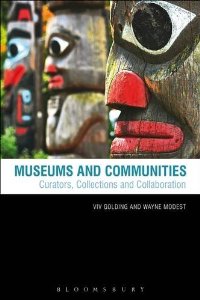
golding-coverThe inaugural Online Book Club was held on July 8th at 3pm Pacific (6pm Eastern) focusing on the recent book Museums and Communities: Curators, Collections, and Collaboration (2013) edited by Viv Golding and Wayne Modest.  For this discussion, ArtMuseumTeaching.com partnered with The Incluseum blog to take a deep dive into this collection of essays that explore the complex issues arising from recent approaches to collaboration between museums and their communities.  The authors of this book outline a range of critical pedagogies and present important case studies that “challenge us to move beyond shallow notions that both elide the complexity of community identities and make simplistic claims to engagement by museums.”

As Viv Golding states in her introduction, this book explores best practice examples in detail to highlight how these provide “a better model of community collaboration” (3).  In the chapter by Wayne Modest on youth participation and co-curating with teenagers, he addresses core thought-provoking questions such as:

“Who benefits from engagement, the museum or the community? How can we engage communities to their benefit?  Who drives engagement, communities or the museum?”

Please view the video archive for this Hangout below — a great discussion about how the essays and case studies featured in its pages might connect to the work we’re doing on the ground in our museum or community.

To learn about future Google Hangouts and Online Book Club discussions hosted via ArtMuseumTeaching.com, you can join the Art Museum Teaching Google Community or follow me on Twitter (@murawski27).

Have ideas for other books we could feature in future Online Book Club discussions?  Let us know in the Comments section below, and we’ll try to pull together a few more before the summer is over.  We have some great ideas, so we’ll have more information available soon.

Read on!

Note: Thanks to everyone who participated in the July 8th Online Book Club Hangout. Here is a link to the video archive:

We look forward to continuing this exciting conversation as well as this series of Online Book Club discussion! Stay connected with the Art Museum Teaching Google Community to learn about upcoming discussions. And, as always, if you have any ideas for a future Hangout or online get-together, let me know and we can work to schedule here within the ArtMuseumTeaching.com community.

Teaching for Independence: Empowering Learning in the Art Museum

Written by Mike Murawski

Prefatory Note: Before ArtMuseumTeaching.com went public, there were several months when it was simply my own personal (private) online space to reflect on my practice as well as larger issues around teaching and learning in museums.  It was (and is) so valuable to write about what we do as educators and museum practitioners, even without publicly sharing that writing.  Since the site went public back in February 2012, these reflections (along with those of nearly 2 dozen other practitioners) have been openly shared via this unique online ‘bazaar’ that spotlights practice — from million-dollar cutting-edge initiatives and multi-year projects to simple, personal reflections and moments to add one more teaching tool to our belts.  And while conferences such as the NAEA, AAM, and Museums & the Web — among others — can surface some truly incredible, thoughtful work happening in museums today (some of which has been highlighted on this site), it is also important to provide a space for reflections and conversation around a more daily teaching practice.  This post is an attempt to maintain those types of reflections on this site, and to encourage others to share their teaching & learning experiences as we continue to build this online community of practice.

A couple weeks ago here at the Portland Art Museum, I had a unique opportunity to work with a group of students visiting from neighboring Portland State University as part of their Freshman Inquiry course entitled “The Work of Art,” led by artist/educator Sarah Wolf Newlands.  This multidisciplinary course examines the ‘work’ that goes into artistic production, but goes way beyond that to explore the role art plays in our lives.  As the course site describes:

“It looks at the work art does in the world — how it shapes, reflects, disguises, complicates, challenges, or brings reality to our assumptions about the world…. What are the artistic levers with which we can move our world forward? What can looking through the lens of ‘art’ at the products from a broad range of disciplines reveal about ourselves, our culture[s] and our society? How does the art we do and the art we experience shape our identity? How does it disguise or reveal our essence, heal our hearts, and enable our joy? How does art influence cultural change? How can we use the arts to build community?”

bradford1

One of my own goals when working with groups of college students and adults in the galleries (and in the classroom) is always to break down the often rigid expectations of “what we do” in front of a work of art — moving past the assumptions that we need to behave a certain way or know something specific before we can have an experience with art. I also aim to teach for independence — an approach to our ‘work’ with art that empowers a participatory, learner-centered process of making meaning and attempts to break down the constructed hierarchies between teacher and learner, professor and student, expert and novice, institution and audience.

“The visitor’s response and experience come first, before the museum’s, before the history of art.” —Rika Burnham

For me, at its heart, teaching for independence asks that educators (whether in the museum, K-12 classroom, or university lecture hall) strive to facilitate deep, collective experiences with art that leave participants and learners better equipped to look, explore, question, and engage deeply on their own without always relying on the museum or an ‘expert’ to lead that process.

Opening Up the Learning Experience: An Hour with Mark Bradford’s Scorched Earth

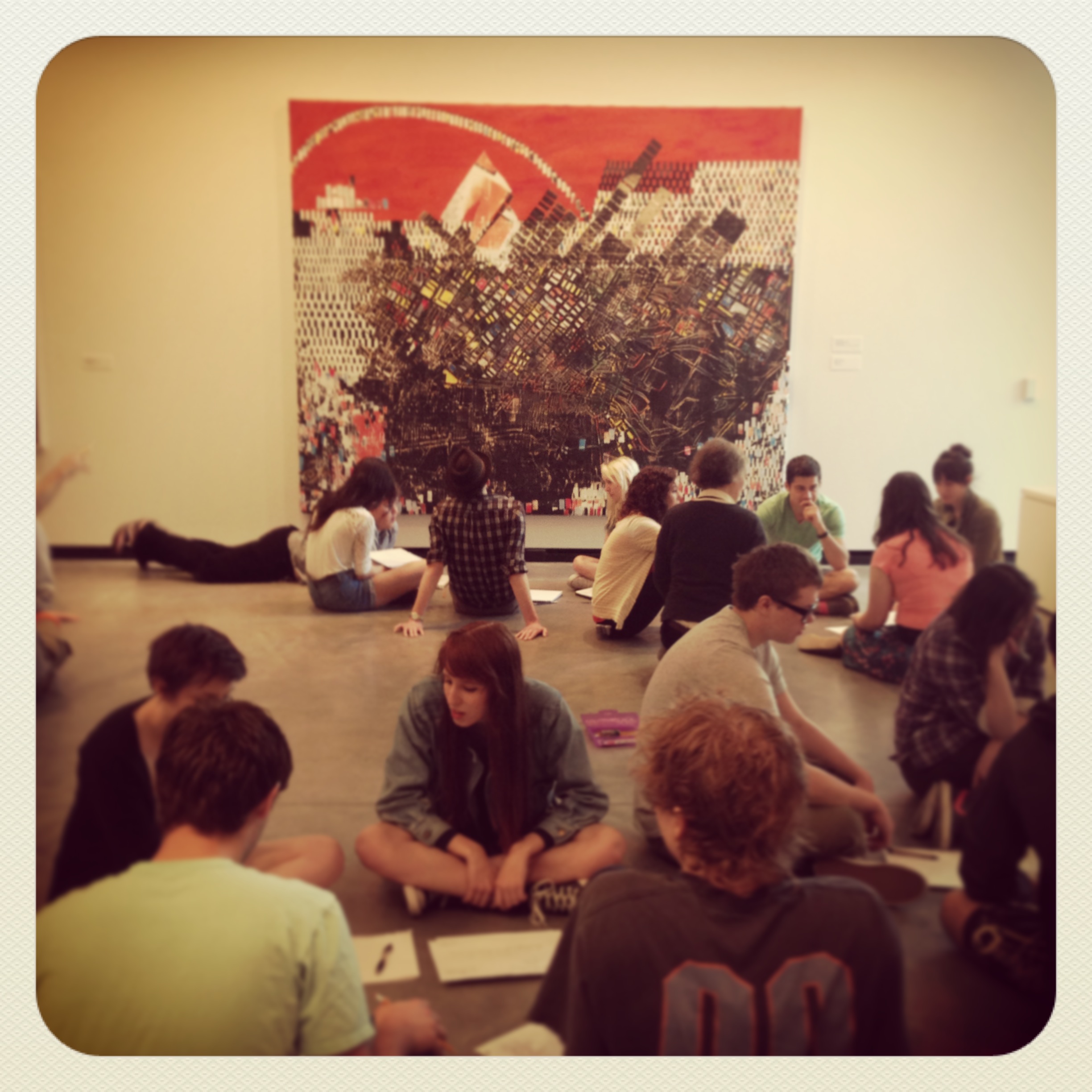
As the PSU students gathered in the gallery, we began with a quick discussion of “what does learning look like in an art museum” to establish an atmosphere of thinking and reflection.  Then, we dove head first into a 60-minute co-learning experience with a single work of art — Mark Bradford’s Scorched Earth (2006). The experience was intended to be multi-modal, involving various ways of thinking and openly responding to the artwork in front of us– a process similar to other experiences about which I have written.

bradford3Here is a quick outline of our experience with Bradford’s piece  (and I always want to be clear that these tips and strategies are not ones that I necessarily invent, but are inspired by some of the ‘Jedi knights’ of museum education like Rika Burnham, to whom I am greatly indebted. I also do use some of these strategies repeatedly when I am in the galleries, since some are just exceptional ways to open-up an experience of freedom, comfort, creative looking, and excitement):

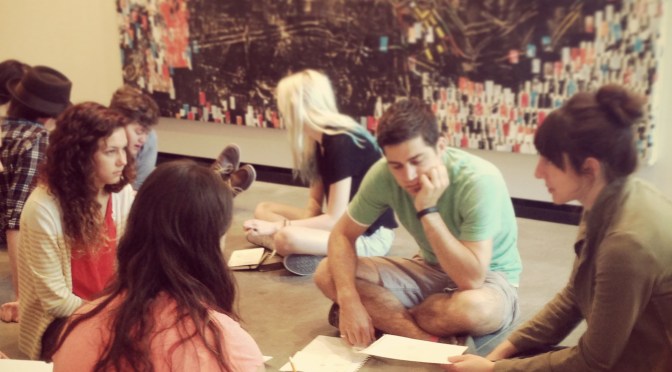
  1. Looking: We began with 1 minute of quiet looking, then having students share their initial observations with a person sitting next to them.  We followed that with another minute of quiet looking, this time using a paper tube as a telescope to see the artwork differently — followed by more sharing with their neighbors about anything new they noticed.
  2. Question: Students were asked to write down one question or wondering they had for this work of art.
  3. 60-Second Sketch: Everyone spread out across the gallery and then had 60 seconds to make a quick sketch of the entire artwork, filling their paper from edge to edge.  Students were asked to lay all of the sketches in the center of the gallery, walk around and see what others drew, and then select a sketch that interested them (and was not their own).
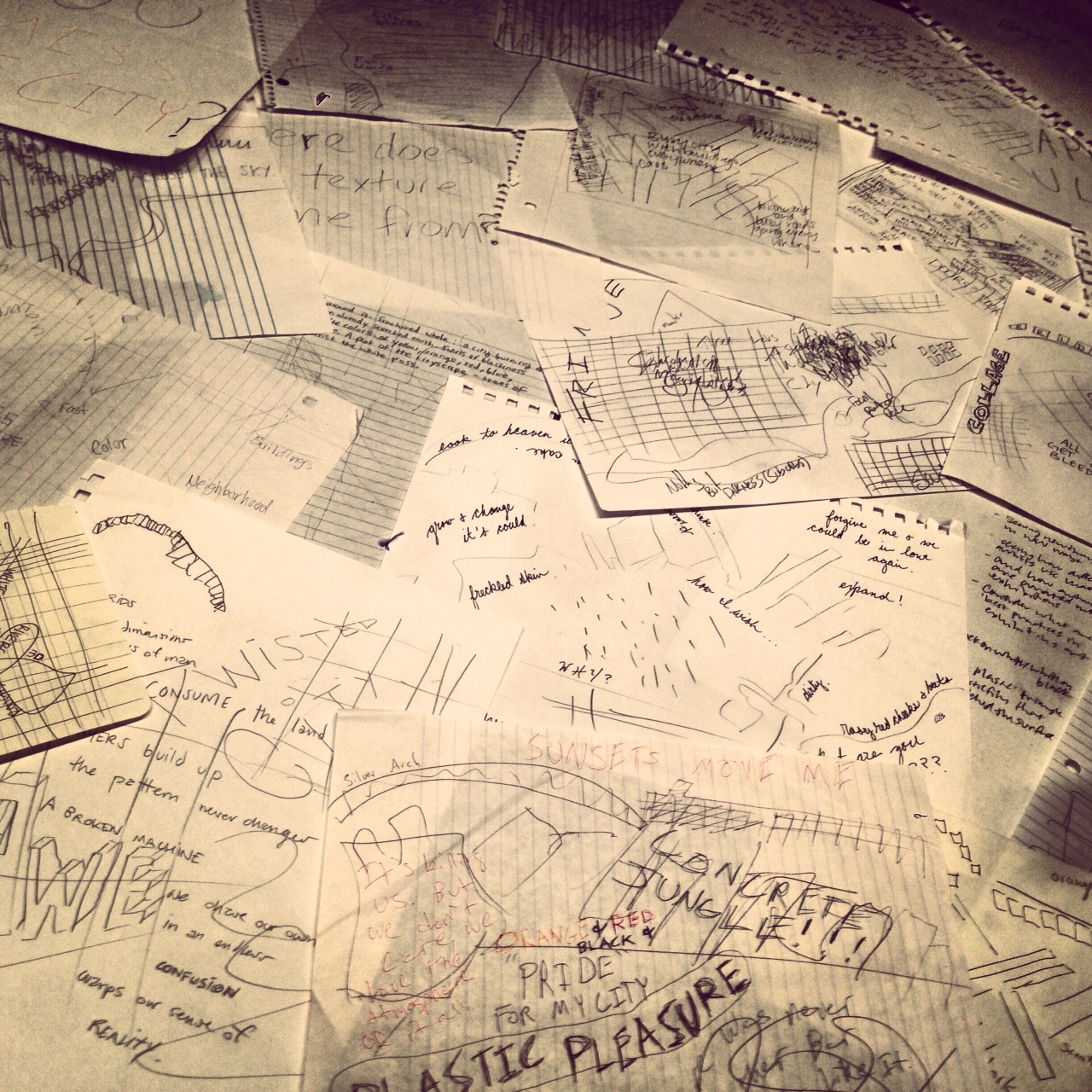
  4. Sketching with Language: Students had several minutes to “finish” the sketch they had selected, but by using only language — adding words, phrases, thoughts, and reflective writing directly on top of the drawing. I call this “sketching with language,” something pulled from Jack Kerouac and his creative process.
  5. Reading: In small groups, students shared their writing by reading it aloud– really honoring their writing by reading it directly instead of simply summarizing or paraphrasing it (which is what we too often do).
  6. Conversation Extender: By this point, students have had some serious time to look at Bradford’s work, share and exchange ideas about what they see and what they think about it, and do some sketching and writing to deepen or even shift their interpretations.  To extend their conversations and spark further thought, each group received a small packet of historic photographs from the 1921 Tulsa race riots — an event that historians have called “the single worst incident of racial violence in American history,” and an event that has been strongly connected to this work by Bradford.  Each group of students was simply asked to continue their conversation about the Bradford piece, yet to see how this added layer of historic images (powerful in their own right) might build or shift that conversation in any way. In talking about his own work, Bradford once says: “It’s about … tracing the ghost of cities past. It’s the pulling off of a layer and finding another underneath.”
  7. Group Discussion: During this entire experience thus far, students have been building personal meaning or sharing their ideas in pairs or small groups. So to wrap up, each group brings their thoughts and insights to the full class as we spend the last 10-15 minutes in an open discussion about the artwork and our experience with it.

Learning to See Learning in the Art Museum

For me, much of the experience with this group of college students was about empowering them to learn to see learning in an art museum (and with a work of art) differently — to begin to see looking and learning with art in a more active, participatory way that also allows for shared authority around knowledge and interpretation.  To help me gain a better understanding of how (or whether) this happens, I invited students participating in the experience described above to send me an email with their reflections after their museum visit. Here are a few great insights from their reflections:

collection of student sketches, questions, and writing in response to Bradford's "Scorched Earth"
collection of student sketches, questions, and writing in response to Bradford’s “Scorched Earth”

“Usually when I go to an art museum, the experience isn’t as fun and exciting. It’s hard for me to look at a work of art and really dissect it…. I probably will never get to just sit down in front of a work of art and analyze it with that many people again, and it was an awesome experience. Thank you for taking the time to teach our class fun tools that we can use in an art museum to really get the most out of our time there.”

“It was really cool to spend a solid hour just looking into what the piece could be about, what it could mean. I’m glad that you opened up the learning experience by allowing us to interpret the painting in our own way, then discuss with one other person, and then discuss in small groups. I think this allowed each student to really get the most out of what other students were understanding and interpreting from the work.”

“This experience was very enlightening because we learned so much from so little. It was profound to get so much out of little more than looking, thinking, and discussing.”

“It’s crazy how observing a piece for just a little longer than a glance can change your perspective of a piece and your understanding of it…. If more people were to do what we did today and take time to observe art, they would see it in totally new ways.”

This type of learner-centered, participatory meaning-making is something I continue to explore in the museum context, but I think it also has significant implications for how we conceive of art history teaching outside of the museum.  What if we allowed for more active, open-ended looking and exploration with art, and hold back some on the passive transfer of information?  What if we used drawing, movement, or creative writing as another way of looking deeply at art?  What if we really focused our teaching more on creating and supporting independent learners who see and think for themselves?

————————————————————-

This post has also been published online at Art History Teaching Resources (AHTR), a streamlined, peer-populated teaching resources site sharing Art History Survey teaching materials between teachers and stimulating conversations around pedagogy in the arts. The site was initiated in 2011 by Michelle Jubin and Karen Shelby, products of the CUNY Graduate Teaching Fellows program.