Do you want to try something fun while stepping outside of your comfort zone? Join us this summer for the first Northeast Ohio Museum Teaching Mash-up!
Inspired by the NAEA Museum Teaching Mash-up (which you can read about here and here), this gallery teaching experiment offers the chance for Ohio museum educators, students, teachers, and community members to connect, interact with art, and learn from each other in a supportive group of colleagues.
WHO: Museum educators, students, teachers, community members, and all who are interested are welcome! This event is designed to bring together people from a variety of experiences. Please feel free to forward this invitation to anyone who may be interested.
What should I expect?
For this event, expect the unexpected! Interested educators sign up, are assigned to random teaching groups of 2-3 colleagues, and receive object assignments. After an hour-long prep period, teaching groups will present a 5-7 minute gallery experience for the rest of the group.
Why participate?
Although we are geographically close, we rarely get the opportunity to observe each other and, better yet, work together in the galleries! Take this time to refresh your own practice, get inspired to experiment at your museum, and get to know colleagues across the region. Try out techniques you can use to create unique, engaging, and fun art viewing experiences for your visitors and students.
How Can You Be Involved?
As an Experimenter:
If you are interested in taking a risk and being a part of one of the small teaching groups that tackles this challenge, please contact Hajnal Eppley (heppley@clevelandart.org ) by August 1st.
As a Participant:
If you’re not quite up for experimenting yourself but want to be a part of the event, you are welcome to join as a member of the audience. (If you’re unsure, you’re also welcome to watch the first round and join Lightning Round 2 after lunch!)
As a Promoter:
Please share the event with anyone who might be interested. Tweet, Instagram, blog, and email your heart out! Before and during the event, use the hashtag #ohiomashup so we have a collective record of our experiences.
Join us as we experiment, take risks, and see what happens!
Patty Edmonson, The Cleveland Museum of Art
Hajnal Eppley, The Cleveland Museum of Art
Nicole Ledinek, Museum of Contemporary Art Cleveland
It seems that there is a month to commemorate or celebrate every group, food, and ailment. In May, Jewish-Americans, Haitians, and teen CEOs are acknowledged. Eggs, hamburgers, salsa, and salads are also honored in May. And a multitude of illnesses, such as ALS, Antiphospholipid Antibody Syndrome, and arthritis (just the diseases beginning with “A”), are brought to public attention.
May is also Older Americans Month, and this past May President Obama, in his proclamation (it is worth a read) acknowledged this truth about our future:
“The United States is entering a new era, and the face of our Nation is growing older and more diverse. For the next 15 years, thousands of Americans will reach retirement age every day, and by 2030, there will be more than twice as many older Americans as there were at the beginning of this century.”
I find it strange—and rather distressing—that both the Older Americans Month proclamation and the 2015 White House Conference on Aging (designed to recognize the importance of Medicare, Medicaid, and Social Security, as well as to look ahead to the issues of older Americans in the next decade) do not mention addressing the increasing prevalence of Alzheimer’s disease. A year ago, I blogged about the coming dementia epidemic, why museums should take note, and some of the model programs museums are developing to serve this growing audience.
The Alzheimer’s Association estimates that 5.3 million Americans have the disease in 2015 (an increase of 100,000 since my last post) and this will rise by 40% in the next ten years to 7.1 million. By 2050, the number of people with dementia is projected to hit 13.8 million and will cost the US over $1.1 trillion (in 2015 dollars). This dramatic rise includes a five-fold increase in government spending under Medicare and Medicaid and a nearly five-fold increase in out-of pocket spending.
I see these increasing numbers reflected in my own personal experience. As my family’s “dementia journey” continues, I have observed how many other friends and museum colleagues have joined me on this path. Even Jeb Bush recently acknowledged his mother-in-law has Alzheimer’s.
Thankfully, I am also seeing an increase in the number of museums developing programs and services for people with memory loss. This past year, in partnership with the regional Alzheimer’s Association, the Oakland Museum of California began a new tour program for persons with early-stage Alzheimer’s and their care partners. The OMCA program is supported in their efforts by Rebecca Bradley, Manager of Access Programs at the Museum of Fine Arts San Francisco, where they also offer special memory loss tours. I was honored to observe tours at both institutions and have had fascinating conversations about strategy and method with their staff and the dedicated docents.
Source: ArtNews. Photo by: Jason Brownrigg
One of the main challenges we struggle with as museum practitioners is shifting our focus from learning to engagement. We are trained to emphasize structured learning, fact retention, and imparting new knowledge to our visitors. Yet this is often not the appropriate approach for visitors with dementia. Persons with memory loss and their loved-ones value comfortable, engaging, and joyful experiences outside of daily routines. Through these special programs, museums can provide unique opportunities for people to have meaningful experiences and activities, and to socialize with new people, and their care partners and families.
The Museum of Photographic Arts, in San Diego, CA offers two notable programming initiatives for people with memory loss, and what I find most interesting is their approach to both engagement and assessment. The first program, Seniors Exploring Photography, Identity and Appreciation (SEPIA) promotes “art-based dialog and opportunities to create photographic images.” While it is designed for all seniors, MOPA has adapted the program for people with cognitive impairments, who make up about a quarter of the program’s audience, according to MOPA Lifespan Learning Coordinator Kevin Linde. The program is not too technical, offers choices, and provides experiences not focused on the participants’ memory loss.
The second MOPA offering is in partnership with the Shiley-Marcos Alzheimer’s Disease Research Center at the University of California, San Diego, and three other museums in Balboa Park. The Memories at the Museum program, modeled after the Museum of Modern Art’s Meet Me at MoMA, focuses on conversation and interaction while engaging with art. Participants with mild-to-moderate Alzheimer’s can stimulate their verbal and visual abilities by discussing artwork in a comforting environment with their care partner.
So how do we know we are successful in our programs for people with memory loss? As I mentioned, assessing “learning outcomes,” as they are usually identified by museum educators, is not really helpful or appropriate for people with memory loss. Instead, MOPA focuses on measuring participant engagement, health, well-being, and positive feelings.
For instance, in March, MOPA piloted a four-week album-making course, My Life Through the Lens, based on the SEPIA program with the Shiley-Marcos Research Center. They blended together evaluative tools from the SEPIA program and those developed by Shiley-Marcos. A program evaluation survey posed multiple-choice plus open-ended questions and program participants could self identify as a caregiver or person with memory loss. Questions such as “what effect did the program have on your mood?” and “what effect did the program have on your relationship with your family member or friend?” helped MOPA understand the affective impact of the program. Kevin shared the survey results with me and I was pleased to learn that a number of participants felt the program had helped to increase their feelings of togetherness, closeness, and strengthening relationship bonds between the person with memory loss and the care partner.
I find it particularly exciting that the affective benchmarks developed for MOPA’s memory loss programs are being incorporated into the museum’s assessment of programs for all visitors. When I asked Kevin about this, he shared that the programs for seniors inspired MOPA to take a look at what works across the board in the museum and focus on the overall visitor experience.
What if all museums measured their success by visitor engagement, happiness, and health in addition specific learning outcomes? Kevin says that MOPA continues to focus on improving its evaluation and understanding the impact of the programs beyond the one or two hours when the visitor is at the museum. It is critically important to include the caregiver in both the programming and the evaluation. While working with other museums is helpful, partnering with social service organizations and non-traditional partners (such the Alzheimer’s Association and local universities) is also vitally important to serving growing older adult audiences with memory challenges.
Whether memory–challenged or not, the growing population of older adults will be looking for more meaningful and dynamic experiences within museums, and museum professionals must be ready to adapt programming and experiences for this new generation of elders. An aging population presents museums with both challenges (of retention, financial support, and access) and opportunities (for lifelong learning, enhancing health and well-being).
So I will end with a call for more examples of museums programs for people with memory loss. Please weigh in and help us build a community of practice around museums serving people with dementia and their caregivers. And please celebrate Alzheimer’s and Brain Awareness Month each June!
Selected Programs
In the comments section associated with Lisa’s CFM blog post, people shared a few programs at art museums that reach individuals with dementia and their caregivers. Here are some of them, with links to more information (if available):
Calling all experimenters! Calling all educators (in museums, classrooms, colleges)! Are you tired of the same old, same old? Interested in playing outside of your comfort zone? If you are headed to New Orleans for the National Art Education Association or based in New Orleans — and looking for a fresh, fun, experimental way to connect with art and with other educators — we’re mashing it up at the Ogden Museum of Southern Art on the evening of Thursday, March 26th.
WHEN: Thursday, March 26th – experimenters gather at 6:00pm, everyone else gathers at 7:00pm
Join us and throwdown your experimental best with students, colleagues, and members of the NOLA community. We’re opening it up to everyone – you don’t have to be a museum educator or an NAEA attendee. Fan of the Ogden? Casual museum-goer? K-12 art teacher or college faculty? Person who’s just curious? Join us in shining new light on selected objects in the collection, and connecting with other educators interested in collectively pushing our teaching practices.
Ogden Museum of Southern Art in New Orleans
The Challenge
We’re doing this because we fall into safe patterns in our lives. Why fix something that isn’t broken? Why change our teaching style and methodologies if they are ‘working’? Unfortunately, playing it safe also leads to stagnancy. So let’s shake up the museum experience, throwdown style. Bring your best, but also walk away with fresh ideas and perspectives.
We want to think together and outside of our comfort zones. Try something that scares you and work with someone you’ve never worked with before. That night, interested educators are invited to meet up at the Ogden Museum of Southern Art at 6:00pm, at which time we’ll create small teaching groups, get randomized object assignments, and receive prompts to rapidly prototype short experiences with these objects. Each group will get 45 minutes to plan a 5-7 minute experience to share with a public audience that night. Starting at 7:00pm on the 5th Floor, each group will share their 5-7 minute experience with their assigned object in the galleries — inviting NAEA attendees, educators, students, museum visitors, and the NOLA community to participate in this rapid succession of arts experiences.
After we make our way through this series of in-gallery experiments, we invite colleagues to grab dinner afterwards to reflect on our experiences together, new connections, and burning questions. There are several great restaurants within a short walking distance of the Ogden (and we can make some recommendations the night of, if people are interested).
How Can You Be Involved?
AS AN EXPERIMENTER:
If you are interested in being a risk-taker, and being a part of one of the small groups that tackles this challenge, please contact Jen Oleniczak at jen@theengagingeducator.com in advance of March 26th. We want to hear from you before we all get to New Orleans! We’ll all need to be at the Ogden (5th Floor) at 6pm to form teams and begin the challenge.
AS A PARTICIPANT:
If you’re not quite up for experimenting yourself but want to be a part of these experiences, everyone is welcome to gather at the Ogden (5th Floor) at 7pm. We’re also excited to be opening these experiences to the larger Ogden audience that evening. Please share this event with everyone, including educators from outside the Museum Division of NAEA.
* * * * *
Will every experience work be a success? Probably not, but we’re not trying to creating the perfect program – we’re trying to push our comfort zones and our ideas of how to approach museum objects. When we constantly try not to fail, we never succeed. And, as educators, its important for us to designate safe spaces for risk-taking and experimentation in museum teaching.
So let’s throw it down New-Orleans-style and see what happens!
Jen Oleniczak, The Engaging Educator
Rachel Ropeik, Brooklyn Museum
Deborah Randolph, Southeast Center for Contemporary Art
Recently, the use of questions in art museum teaching has been questioned. In their book, Teaching in the Art Museum: Interpretation as Experience, Rika Burnham and Elliot Kai-Kee wonder “why we ask questions at all.” They have observed too many instances of questions that merely stand in for the delivery of facts, questions that limit viewers’ responses, or questions aimed only at “getting the students to talk.” They write:
“Even so-called open-ended questions always define a finite horizon of response that limits the range of answers that will make sense to both questioner and respondent” (100).
Are they right?
While they have written an eloquent, essential book that I am very grateful for, I do not agree with their premise that because some docents or educators ask terrible questions, questions in general are a flawed pedagogical tool. Every teaching method has unsatisfactory practitioners. That does not mean the teaching method itself is bad. More likely it means that some practitioners are not buying into the philosophical underpinnings of the methods, or, in some cases, that they don’t have enough experience or good mentorship.
I can assure you that many docents or educators could also botch Burnham and Kai-Kee’s described methods. Does that mean their methods are bad? Certainly not. I have been with Burnham for an experience with an artwork, and it was powerful. I don’t disagree that what she does works wonderfully for her audiences. However, I also don’t agree that all audiences can or will look for an hour at a painting without prompting through questioning. I have taught audiences for whom this works just fine, but over ten years of teaching literally thousands of tours at art museums, I believe that museum educators must not do away with open-ended, non-leading questions.
In Defense of Questions
Why not do away with questions? Because some groups have never been to a museum before, or looked for longer than a few seconds at an artwork. Some groups have rarely been asked their opinion before. Some groups have not experienced learning as interpretative and dialogic instead of didactic. Some groups have had no practice listening to each other. Some groups are scared to death of sounding stupid. Some feel highly uncomfortable in the galleries. “We are the only people who look like us here,” a student once said to me on a tour at the Whitney Museum, and when she broke down in tears, so did others in the group and so did I. Some groups don’t even want to travel to the area where the museum is. When I taught high school in the South Bronx, my students said they did not want to go on field trips to Manhattan. “Too many white people in Manhattan, Miss,” said one student, and I don’t think he was joking. Some groups are still thinking about the backpack they were forced to check in the lobby. Some are just marveling at the museum – a place entirely new to them. Some are hungry or wondering when they will be allowed to go to the bathroom. Perhaps some students (hard to believe for us art lovers) are simply not interested in art. (I don’t blame them. We all have affinities. I would probably not have been enthusiastic about a school field trip to a car mechanic unless ways to be engaged in the topic were modeled for me.)
For many groups, questions will help them move through fear, discomfort, distraction, or lack of experience or affinity. By asking questions, we model the rules of interpretative play that Burnham and Kai-Kee propose. “Look keenly…share your observations…ask questions… listen to and respect what others say…be patient” (130). We hope that they might internalize these modes of inquiry and use them to think about not just art but the visual culture we live with.
In my experience, questions are critical in modeling how to explore a work of art. When we ask, “What do you notice?” we model for students that their observations are important and meaningful. When we ask, “What more do you notice?” we model that their initial observations are not enough. When we ask, “Where do you see that?” we model that their observations are best grounded in the work. When we ask interpretative questions such as, “What can you guess about this place?” or “How would you describe this person?” we model that their hypotheses are valuable even without a higher degree in art history. When we ask, “What makes you say that?” we remind them to ground their interpretations in observations. When we offer curatorial interpretations or artists’ quotes and ask them what they think of these ideas, we model that the conversation around art in the galleries is still alive and far from complete. When we ask, “Do you agree or disagree?” (with curatorial or artists’ statements or with other students’ thoughts), prompting them to explain their answers, we model that debate and an openness to multiple interpretations are appropriate and they are capable of it. When we ask, “Do you like it? Why or why not?” we model that their opinions matter. When we ask about how art relates to their own lives, we model that what you see in a museum can have an impact beyond its walls. When we ask students to offer up their own questions about the artwork, we model how they can conduct their own conversations with an artwork – on their own or with a group.
Do Burnham and Kai-Kee really think that questions like these “define a finite horizon of response?” For every single one of these questions, I can imagine an unlimited array of responses. These are the kinds of questions that experienced lookers ask themselves about an artwork without prompting. But what of the groups with the aforementioned preoccupations or inexperience? Our role as educators for every visitor – not just the experienced lookers – is to model these modes of inquiry. I love Burnham and Kai-Kee’s model for dialogical teaching. In their model, imagined as a four-sided diagram, or diamond, participants in a dialogue move between any of four roles:
The mover pushes the dialogue forward with statements or questions.
The follower supports the dialogue with evidence, encouragement, or just active listening.
The bystander stands back, views the dialogue from afar, perhaps metacognitively.
The opposer actively disagrees with another’s point of view. (87-89)
Many viewers would not naturally know how or be willing to take on these roles. Questions can help. When we ask questions, we model the role of the mover for students. When later in an experience (or even in the beginning of one), we ask them to raise their own questions about an artwork, we invite them to be movers. When we ask students to think about what others have said and express their agreement or disagreement we are asking them to be both bystanders and, possibly, opposers. We are modeling the role of listening to the whole of the conversation and stepping in when they have a different opinion or even if they want to agree or support as a follower.
Later in their discussion of this dialogical model, Burnham and Kai-Kee describe what I think of as the most exciting kind of question. If you’ll allow me an extended metaphor, the questions I have already described are the meat-and-potato questions – the questions to facilitate a sustained, filling experience with an artwork. But then there is the Boeuf Bourguignon of questions – the one that has been simmering so long it excites the palate upon contact. The educator has reflected on an artwork for days, weeks, even years, and has come back again and again to a question that she cannot answer, that she wants to hear as many thoughts on as possible. It is “a question that is real for [the teacher], a question she wants to share with the students, and whose answer she does not already know” (91).
I had the good fortune of being able to research the painting for months. I read Motherwell’s writings, asked a curator at the museum for background on the work, spoke to a conservator about it, and looked at it carefully for extended periods. I was even able to gather with educator colleagues in front of the painting and discuss it. During this latter session, a question came up that none of us could answer definitively. It stuck with me through all my research. I knew I wanted to share it with the participants in my session.
Motherwell was fascinated by collage. When he discovered it, he said, he took to it like a “duck to water.” He said the experience of making collage was like “making beautiful love for the first time.” The painting I was planning to discuss, according to one curator, “could be read as a translation to another scale of one of his collages.” My colleagues, after seeing his collages, had been perplexed. The painting was not nearly as good as his collages, they agreed. Their question became: Why even make the painting? Why not stick with collage? Indeed, in Motherwell’s writings he describes getting more pleasure out of making collage: “I do feel more joyful with collage, less austere. A form of play. Which painting, in general, is not, for me, at least…” (Collected Writings of Robert Motherwell, ed. Stephanie Terenzio). So the question stuck with me. Why even make paintings? I wanted to ask this question because after all my research and time looking at the artwork, I still found it fascinated me.
After a long, free-wheeling, open-ended discussion of the painting, I proposed the question to my first group. There was silence. Uh-oh, I thought, maybe this question was only interesting to me. Maybe, like Burnham and Kai-Kee suggest, I had asked a question that limited “the range of answers that will make sense to both questioner and respondent.” Maybe I had asked a question unrelated to their experience of or interest in the artwork. But I sat with the silence for a few moments, and people began to speak up.
“Perhaps,” one said, “he wanted to make something bigger than collage would allow.”
“Perhaps,” said another, “he couldn’t make as much money from collages.”
“I think,” said yet another, “he could learn something about his collages by making the paintings.”
“I think he needed them for his legacy – to be considered important.”
We laughed about some of the answers, and there were plenty of perplexed looks as we sat with the question. It was another way into the painting. Yes, it was influenced by my own experiences with and interest in the work, but it was an open-ended, genuine, and satisfyingly riddling question and the range of answers took us places we hadn’t yet been in the conversation.
Sometimes no one answers questions like this, and I think that’s OK, too. These questions are modeling something that all questions should model, and I think these questions throw into sharp relief. They model that we are all learners, and we are learning together. We are asking questions because we are genuinely curious about their answers.
About the Author
JACKIE DELAMATRE: museum educator, currently teaching at the Rhode Island School of Design Museum and writes teacher curricula for the Guggenheim Museum, the International Center of Photography, and the Neuberger Museum of Art. Until this summer, she taught at the Museum of Modern Art, the Whitney Museum, and the Guggenheim Museum for nearly a decade. She has coordinated research on the effects of looking at art on critical thinking skills, founded programs for teens as well as babies and their caregivers, and written for the Journal of Museum Education as well as several museum and museum education blogs, most recently for Museum Questions. She holds a B.A. from Brown University and an M.F.A. from New York University in Fiction. She is at work on a novel.
Written by David Bowles, Assistant Museum Educator for School Programs, Metropolitan Museum of Art
Cross-posted with Museum Questions, a blog authored by Rebecca Herz that is dedicated to questions about museums and thoughts on creating a reflective practice.
This blog post is about listening and reflection. As a museum educator, my job is to listen. On a good tour, I learn about as much about art from visitors as they learn from me. I also learn something about their lives. But often it seems like these moments evaporate. So for the past two years, I have been posting some of the most indelible teachable moments from my gallery experiences on Facebook.
I limit myself to one moment per tour. I try to stick to the facts, and not interpret the child’s ideas in my own words. I describe the context succinctly, and stick to a few sentences at most. I imagine reflecting on the teaching experience with someone who has never heard of the field of museum education – so no jargon allowed. When it makes sense, I include a visual of the artwork that sparked the teachable moment.
The moments I capture tend to be funny, which is why they make good Facebook posts. But they also highlight important moments of discovery, and often mark pivot points in gallery conversations. I try to focus on what Piaget might have called moments of disequilibrium – those wonderful, maddening moments when you discover for yourself that what you thought was simple, is not.
Here are three such experiences, some thoughts on what I’ve learned about school tours and student visitors along the way, and tips for anyone interested in giving this a try.
1. Fear of the Unknown
“A 7th grade student on a tour in the Ancient Egypt galleries this morning pointed out that he would rather be chased by mummies than velociraptors.”
I think the young man’s logic was that mummies chasing him through the Museum were likely to shuffle along slowly, while raptors are nimble pack hunters (as anyone who saw the kitchen scene from the original Jurassic Park can attest). He makes a valid point. This comment sparked a stimulating conversation among the class about fear of the unknown. We sat in the dimly lit gallery surrounded by sarcophagi and other tomb equipment unearthed along the Nile, and other classmates chimed in with their honest reactions to the unfamiliarity of the experience. After several other students also expressed fear, one young lady allowed that she “sort of liked being scared.” I asked her if it felt “safe scary” and she nodded. The young man whose comment started the conversation smiled at her and nodded as well.
These students feel slightly scared by the unknown Egyptian galleries filled with mummies and other ancient artifacts. But they are attracted to the unknown. The unknown in a museum setting, like the unknown in movies, is “safe scary.” For them, what is interesting about this space at the Met is not the connections they can make to their school curriculum, or the comparison between the ancient and the contemporary, but the opportunity to exist temporarily and safely in a space outside of the safety and routine of the everyday.
2. Time Travel
“6th grade student, after discussing a sculpture of the historical Buddha: “So, is the Buddha like the Doctor? Doctor Who I mean.” Mind expanded.”
If you’ve never watched Doctor Who, close this browser and go watch some. The Doctor is an extravagant, brilliant, and charismatic alien who explores the universe trying to help the helpless, ease suffering, and generally leave things better than he found them. His ship, the TARDIS, can travel anywhere in space or time. Since he seems to like Great Britain, he comes to Earth a lot. Coincidentally, the show is produced by the BBC, so the Doctor is invariably British, as are his plucky human companions. The Doctor is a troubled hero, whose views on the universe are often transcendent as well as maddening.
On some level, the young lady who asked me if the Buddha was anything like the Doctor understood that the story of the Buddha, like the story of Doctor Who, is about creating an impossible narrative of characters who can save the world. On another hand, she may have been reaching for a way to connect historical information about the Buddha (i.e. he really existed, he was a prince, he traveled throughout India and Nepal, etc.) with the more incredible aspects of his story (i.e. his description of concepts like samsara and nirvana, his awakening or enlightenment, etc.) She seemed interested in the Buddha not as a representative of another culture but as a superhero, an embodiment of the type of figure that could save the world. In short, I think she saw a role model.
3. Love and Marriage
“2nd grade student this morning after hearing that Theseus ditches Ariadne after they escape from the Minotaur: “Well, maybe he was too young for marriage. I mean, you shouldn’t marry someone you just met. You should like, get to know each other first. But it was still mean of him.”
Like the Greek myths that inspired it, this discussion offered an interesting analysis of human behavior. After telling these students the myth of Theseus and Ariadne, I asked students what they thought of the story’s ending. The first flurry of responses focused on abandonment and notions of fairness; everyone agreed that Theseus made a bad choice. Well, nearly everyone. I pushed for dissent, and asked if anyone had another point of view. This young lady had been sitting silently for a while, and when she did speak it was with energy.
On some level she was trying to make Theseus’ decision to abandon Ariadne acceptable. On a deeper level, I wonder if this student, like the young lady who compared the Buddha to the Doctor, was thinking about role models. As you can see in the comments left by my Facebook friends, Disney’s ‘Frozen’ explores these ideas very effectively as well. Whether or not this student had seen the movie (and I suspect she had), it was a powerful reminder to me about making room for respectful dissent when interpreting works of art. Students really absorb the lessons that they learn from movies, so it makes good sense to keep tabs on what those lessons are – and what ambiguities they might offer.
So what patterns have I noticed about kids’ interests at the Met?
The Unknown
Many of these conversations involve discovering new frontiers, and the thrill and fear that accompany real, authentic exploration. As long as the fear of the new doesn’t overwhelm the group, it can be very productive if acknowledged. There’s a lot to be said about the transformative power of discomfort; just ask an oyster.
Role Models
Humans are social animals; we look to others for tips on how to behave. Many students are searching for role models, and some have found them in fictional characters. These young people are looking for ways to connect these characters and their worlds to the real world around them, and they will do so at the first opportunity.
Contemporary Connections
Museum educators often talk about contemporary connections: strategies or concepts that help visitors understand something unfamiliar by tying it to something personally familiar from today. When students initiate their own contemporary connections, they often do so in unpredictable ways that can be surprising, humorous, or subversive. There is something to be said for letting students make their own connections instead of doing it for them. Kids will bring pop culture with them into the museum regardless, so ignoring its power means missing opportunities for authentic discussion.
Keeping up-to-date on popular trends among young learners can really help make genuine connections that make complex ideas accessible. It can also highlight key misunderstandings about objects or the stories objects tell. For example, the idea that you should get to know your future partner well before committing is a very particular approach to marriage, presumably not one endorsed in most ancient societies.
Some Takeaways for Museum Educators
1. Listen. Really Listen.
Focus on what students are really saying when they respond to your questions, not just what you think they mean. This is hard. Use the words they use to define academic terms and abstract concepts. If a student’s comment strikes you as snarky or disruptive, lean in to it. Find out more. Let them know you’re interested in their thinking. Give them space to explain. If they don’t want to explain to you, consider asking them to turn and talk with some of their peers. Listen to what you hear, and think about how it connects to your own ideas about the content or lesson.
2. Let students drive the conversation.
My boss sometimes talks about how effective museum educators need to be a ‘Guide on the Side’ rather than a ‘Sage on the Stage,’ and this is vital to effective gallery teaching. Use a light touch to keep the conversation moving. Stay goal-oriented, but don’t get so attached to your goals that you lose sight of the importance of the process of discovery for your participants.
3. Ask for divergent thinking
Seek out dissenting ideas so that you are encouraging participants to think both deeply and individually. Some works of art open themselves up to a wide range of possible interpretations without ever committing to just one – examples might include many modern and contemporary art objects. Other works of art, like a Gupta period Buddhist sculpture or ancient Roman sarcophagi, have very specific meanings that their makers intended; there are incorrect understandings of some works of art, and that is important for us to acknowledge. Those misunderstandings are often great starting points for real inquiry if you can help students ground their misunderstandings in the visual elements of the artwork! Either way, seeking out divergent thinking empowers students to discover and craft the complexity of interpretation for themselves.
4. Reflective Practice needs others
I think the capacity to reflect in action (while doing something) and on action (after having done it) is an important part of professional practice. Both are hard to do, and both benefit greatly when other people can be sounding boards. I find these status updates help me slow down and think about the choices I’ve made. Better yet, doing so gives me immediate informal feedback.
Give it a try!
About the Author
DAVID BOWLES: Assistant Museum Educator for School Programs, Metropolitan Museum of Art. David oversees the strategic planning, staff and volunteer training, program implementation, and evaluation of all aspects of guided K-12 school tours at the Metropolitan Museum of Art. In collaboration with colleagues, he also develops resources for educators, in particular for educators who are bringing students to the Museum on guided or self-guided visits. David also teaches across a range of audience areas, including K-12 educator programs and adult gallery talks. Before this, he worked at the Rubin Museum of Art as Manager of School Programs. He earned his M.S.Ed from Bank Street College and a B.A. with Honours from McGill University. David’s postings on this site are his own and don’t necessarily represent the Metropolitan Museum of Art’s positions, strategies, or opinions.
Editor’s Note: Given the meaningful ongoing dialogue about the role(s) of museums in society and our communities, I am thrilled to repost this piece by Jamie Harrison in which she reflects on her visit to the new Canadian Museum of Human Rights in Winnipeg — the first museum solely dedicated to the evolution, celebration, and future of human rights. From inviting multiple perspectives to embracing complexity, Harrison thinks deeply about core aspects of teaching and student learning through her experience of the exhibits and design of the Museum of Human Rights. I am most excited to share her perspective as a classroom teacher since so many museum educators (paid staff and volunteers alike) are working toward similar goals, allowing for museums to be a place for learners to be challenged; where we can struggle to make meaning, recognize others’ perspectives, participate, and create personal relevance. I encourage readers to click on links to the many teaching strategies that Harrison provides, and explore the resources of Facing History and Ourselves.
* * * * *
Written by Jamie Harrison, high school teacher, Brandon, Manitoba
Reposted from Facing Canada, a blog of the Facing History and Ourselves community dedicated to the idea that education is the key to combating bigotry and nurturing democracy.
Museums are invaluable to education. The carefully selected exhibits, information, and artifacts provide tangible and visual evidence for exploration, reflection, and dialogue that support lessons in the classroom. Museums allow students to build upon prior knowledge – to see things differently.
In late October 2014, I had the opportunity to attend an educator’s preview of the new Canadian Museum for Human Rights in Winnipeg, Manitoba. At the time of my tour, many of the galleries were still under construction, but what I was able to see led me to think deeply, and at times differently, about how I teach in my own classroom.
Here are 8 lessons I took away from my visit to the Canadian Museum for Human Rights:
1. Take Students on a Journey
As you move through each of the museum’s eight levels, it becomes progressively brighter (a symbolic – and physical – movement from darkness to light). It is thoughtfully and memorably planned to lead visitors in, to build knowledge, and to lead us toward hope. In the classroom, I take students on Facing History’s Scope and Sequence journey, exploring the role of the individual in society, the concept of “we” and “they,” the supporting history of human rights in Canada and throughout the world, the memory of those who were left voiceless, and the choice (and call) to participate in our own communities.
2. Invite Multiple Perspectives
The Canadian Museum for Human Rights is highly interactive, with videos, games, and activities meant to encourage participation from all visitors. The space provides multiple perspectives that contribute to our understanding of human rights. Many of the events and issues explored in the museum stem from people, governments, and societies only seeing, or contemplating, a single perspective. As educators, we need to foster safe and respectful classroom environments, ensuring that students have the freedom to both contemplate and express multiple perspectives on a variety of issues. Doing so promotes personal growth and it allows students to see things beyond themselves – teaching strategies like contracting and fishbowl can help students to hear each other.
An interactive message of welcome greets all visitors to the museum. (Photo courtesy of Jamie Harrison)
3. Give Students Opportunities to Struggle with Making Meaning
On the second level, visitors are greeted by a visual and interactive timeline of important moments in human rights history. There is a video screen that runs the entire length of the wall, posing the question: What are human rights? Likewise, much of the art on display on this level – and throughout the museum – is open to interpretation, allowing each viewer to linger over their personal interpretations and meditate on the messages they draw from the pieces that they see. In our classrooms, we can use the working definitions teaching strategy to engage students in their own explorations of key issues. Analyzing visual images gives students a framework to interpret artwork.Giving students the opportunity to make their own meaning in the classroom promotes the intellectual involvement of students and recognizes that words and images can bear multiple, and often deeper, meanings as it is our beliefs, values, history, and understandings that give words and images value.
Photographs featured in the museum. (Photo courtesy of The Canadian Museum for Human Rights website)
4. Make Room for Other Ways of Knowing and Learning
The second level of the museum also looks at the Indigenous perspective and Canada’s journey toward recognizing the human rights of all individuals and groups. The Indigenous artwork here reflects groups from each of Canada’s provinces and territories. The space allows room for performance, storytelling, and discussion, and is annexed by a space for ceremony and smudging meant to recognize, and encourage, the values and traditions of our First Nations peoples. If the medium is the message, how are we using different mediums in our classrooms to teach students about the past and about the world in which they live?
A look into human rights and the Indigenous perspective. (Photo courtesy of Jamie Harrison)
5. Students Need to Deal with Complexity Because Life is Complex
The third level of the museum examines the history of protecting human rights in Canada, including a look at the Canadian Bill of Rights. The exhibits on this level demonstrate that not all issues of human rights are easy to decipher – the processes involving human rights can often be lengthy and difficult. As we work to equip students for the complexities of our world, we can bring complex case studiesand resources into the classroom, and we can ask questions that perhaps have no “right” answers.
6. Encourage Personal Connections
At the time of my visit, there was a temporary exhibit entitled “Peace” on the sixth level. Developed by the Canadian War Museum in Ottawa, the exhibit focuses on Canada’s role in peacekeeping and how that role has been challenged and has evolved throughout history. Two reflection walls encourage participation from visitors. Each provides a guiding question and asks visitors to make personal connections to the content. It provides an outlet for students to examine the impact that peacekeeping has on their identities and on the identity of Canada as a whole.
A reflection wall encourages participation and discussion on Canada’s role in peacekeeping. (Photo courtesy of Jamie Harrison)
7. Choose to Participate
Level seven focuses on inspiring change – on choosing to participate. This level houses an exhibit looking at change and a communication wall where visitors are encouraged to reflect upon what they imagine the future to look like and how they can help to inspire positive change in that future.
Looking ahead…(Photo courtesy of Jamie Harrison)
8. Help Students See Beyond the Classroom Walls
The final gallery in the museum leads to the tower of hope – the peak of the museum – meant to symbolize a merging with the sky. The tower’s viewing platform provides a breathtaking panoramic view of the city of Winnipeg: the now and the future. Here you are surrounded by warmth and light – a true journey from the darkness. We need to help our students take and apply their learning beyond the walls of the classroom. They need to carry their knowledge, beliefs, and values with them so that they can apply them throughout their lives.
An elevator leads to the tower of hope. (Photo courtesy of Jamie Harrison)
How do you use field trips and museum visits in your courses? What impact do such visits have on your students?
About Author
JAMIE HARRISON is a high school English and Social Studies teacher in Brandon, Manitoba. Having been fortunate enough to have had a teacher who believed strongly in interacting with history – in facing history as a way of learning about ourselves – she strives to carry that same enthusiasm forward in her own teaching. She does this through interdisciplinary learning, hands-on exploration, and educational travel. Jamie is married with two children.
In light of recent events concerning the situation in Ferguson, Missouri, and the ongoing protests, conversations, debates, arguments, emotional outpourings, and moments for learning that are occurring for all of us, I simply wanted to post some links to resources that might help support teaching and learning during this time of crisis and healing. Or perhaps to just start — or continue to build — a process of learning and peaceful conversation. Most of these have been circulating since August, and I have found them extremely useful for my own personal learning as well as broader implications for museum teaching practice. If any museums, libraries, teachers, or schools are utilizing other resources in terms of addressing these pressing issues with your communities, students, and audiences, please add them in the Comments section below or send them to me directly at murawski27@gmail.com so I can add them here. This is considered as an organic, growing list of resources sourced by the ArtMuseumTeaching.com community and our readership.
My heart goes out to everyone in my hometown of St. Louis. Please stay safe.
“Whether you find yourself teaching in a schoolhouse, in your living room with your children, at a community meeting filled with movement members, in a church basement with others who seek racial reconciliation, or in a detention center common room, [these] resources … provide a snapshot of what is being taught, what is being felt, and what is being created each day.” – Marcia Chatelain
“Teaching the #FergusonSyllabus,” by Dr. Marcia Chatelain for Dissent Magazine online, reflecting on the #FergusonSyllabus project after the Grand Jury decision pertaining to Ferguson, Missouri.
#FergusonSyllabus hashtag on Twitter, developed by Marcia Chatelain as a way for educators to share ideas on how to talk about Ferguson in their classrooms.
“Time and Space to Learn and Reflect,”by David Cohen, written for the blog of the Accomplished California Teachers (ACT), a teacher leadership network for the state of California.
The Illipsis: on Ferguson, riots and human limits— in this second installment of The Illipsis, Jay Smooth looks back at the events in #Ferguson and asks how we can truly apply Rev. Dr. Martin Luther King Jr.’s advice that “riots are the language of the unheard.”
Katherine Brooks wrote a short piece for HuffingtonPost on December 5th that surveyed how artists have been quick to echo the nation’s near constant calls for justice and clarity in the wake of Michael Brown’s killing in Ferguson, Missouri. As she writes, “The landscape of St. Louis might be marred by isolated acts of vandalism and law enforcement crackdowns, but art is still flourishing.”
Margaret Middleton of the Boston Children’s Museum started the Twitter hashtag #museumsrespondtoFerguson, and also launched a Pinterest board “Museum Response to Ferguson” for people to pin useful resources. Both are worth checking out.
“#BlackLivesMatter – Teachers and Students,” (VIDEO EMBEDDED BELOW) a live conversation on December 10, 2014, from Teachers Teaching Teachers and EdTechTalk, a collaborative open educational technology community. Thanks to the amazing Paul Allison and everyone who participated in these conversations.
“Ferguson – Share what you are learning and teaching,”(VIDEO EMBEDDED BELOW) a live conversation on December 7, 2014, from Teachers Teaching Teachers and EdTechTalk, a collaborative open educational technology community. Thanks to the amazing Paul Allison who hosted the conversation with Renee Watson, Christopher Rodgers, Chris Sloan, and Janae Williams to talk about police brutality, the murder of black men, racism, and what we are teaching after Ferguson, Michael Brown, Eric Garner… and more.
“In moments like the reaction to Brown’s death, we need more engagement, not less, and each of us has something to offer.” –David M. Perry, Dominican University
“#FergusonSyllabus: 10 Clips to Stimulate Classroom Discussion,”from Alisa Gross at the Acclaim Blog, that offers several suggestions for news footage and clips from documentaries to stimulate discussion about social justice, protest, and the roles of news media and perspective.
“Teaching #BlackLivesMatter: Countering the Pedagogies of Anti-Black Racism,” Friday, December 19, The Graduate Center, CUNY. An event where we can think through how to address racialization and state power as scholar-teachers, working at the level of both immediately executable plans for teaching/research, and longer term strategies for making the academy accountable to racial violence. The event will begin by breaking into smaller groups and contributing to a collaborative syllabus. Please feel free to add to it beforehand, or if you can’t be at the event, join the Google Doc around 10:00 am next Friday (12/19).
#MuseumsRespondToFerguson – Margaret Middleton of the Boston Children’s Museum began this hashtag now being used to track the way that museums are responding to issues related to Ferguson. Middleton also created a Pinterest Board “Museum Response to Ferguson” with relevant links and resources.
TWITTER CHAT: Dec. 17, 2014, 2-3 PM (EST). Join this live Twitter chat on social justice, advocacy, and the museum field’s responses to the issues of racism, injustice, and police brutality. Follow and join the conversation using the tag#museumsrespondtoferguson.
Reposted from Museum Questions, a blog authored by Rebecca Herz that is dedicated to questions about museums and thoughts on creating a reflective practice.
TheMuseum Questionsexploration of school visits to museums has been sorely lacking the context of a literature review, as noted by Christine Castle of Museum Education Monitor. Happily, Dr. Lynda Kelly told me about a report she wrote in 2011, which is excerpted below. The report was commissioned by The Sovereign Hill Museums Association in Australia. Lynda is Head of Learning the Australian National Maritime Museum, and prior to this worked in digital and audience research at the Australian Museum, Sydney. She has written and consulted widely in this field in Australia and for museums internationally. The full report, with a full bibliography included, can be found here. Thanks to Lynda for allowing me to share this much-shortened version. -Rebecca Herz
Student Learning in Museums
It has long been recognised that museums are educational institutions and that their school audiences are critical in both sustaining visitation and, through offering a positive and inspiring experience, can influence lifelong museum visiting habits (Falk and Dierking, 1997). This report outlines the evidence for student learning in museums under the frame of the contextual model of museum learning (Falk and Dierking, 1992, 2000), coupled with review of published studies primarily drawn from the work of DeWitt and Storksdieck (2008) and Groundwater-Smith and Kelly (2003-2011). Given the parameters of this review, the focus is on the physical museum space, coupled with the role of the teacher and museum staff. For more information about the impacts of the online and mobile spaces on educational activities see the list of resources at the end of this report.
The Personal Context and Student Learning
Field trips offer deep cognitive learning beyond facts and concepts to include process skills and draw on other places of learning such as museums. Learning on a field trip is a valuable supplement and addition to classroom instruction and a way to prepare students for future learning (DeWitt and Storksdieck, 2008).
Students are more likely to remember social and personally relevant aspects of field trips, yet also dislike and keep less favorable memories of these trips that seem overly structured and leave little room for their personal visit agenda (DeWitt and Storksdieck, 2008).
Based on the elaborateness of children’s descriptions it was concluded that high personal involvement, links with the curriculum and multiple visits to the same institution embraced long-term learning impact (DeWitt and Storksdieck, 2008; Wolins et al, 1992).
Affective outcomes, such as increased motivation or interest, sparking curiosity or improved attitudes towards a topic, may be more reasonable given the short-term nature of field trips (DeWitt and Storksdieck, 2008).
Visits to science centres can positively impact attitudes towards science for students who are already interested in and engaged with science (Jarvis and Pell, 2005).
Students felt that in order to be substantively engaged in cognitive learning they needed to: know how things worked; be able to think through ideas; have opportunities to ask questions; be able to handle, manipulate and closely examine artefacts and exhibits; be able to seek out information from several sources in language that is appropriate to their age and stage of development; and be stimulated through all their senses (Kelly and Groundwater-Smith, 2009).
When looking at emotional learning, students expressed a desire to be emotionally connected, while at the same time not emotionally confronted. The students in this study indicated that they welcomed opportunities to be fully engaged with provocative questions, fascinating and puzzling exhibits and clear, well-structured and accessible information (Kelly and Groundwater-Smith, 2009).
In the majority of cases the aspect of the field trip that was recalled subsequently was the content and/or subject matter presented during the field trip (Falk and Dierking, 1997).
Even after years had elapsed, nearly 100% of the individuals interviewed could relate at least one thing they learned during an early-elementary-school field trip, and most could relate three or more things (Falk and Dierking, 1997). Students retained information about sharks from an exhibition in a marine park in Italy up to three months after a visit (Miglietta et al, 2008). Sixteen months after visiting a science centre in Israel students recalled facts and details of their visit such as exhibitions, activities and guides’ input (Bamberger and Tal, 2008).
The Social Context and Student Learning
Students are more likely to remember social aspects of their visit. The social interaction occurring on a field trip is an important part of the experience and supporting students’ in sharing their experiences enhances learning (DeWitt and Storksdieck, 2008; Kelly and Groundwater-Smith, 2009).
Students like learning with their friends. While they recognised that a visit to the Museum was primarily designed by their teachers to assist in their learning, they also wanted it to be a satisfying social occasion when they could learn with and from their peers (Kelly and Groundwater-Smith, 2009).
Visits are highly social experiences for students. A study of sixth graders stated that they had more control over their own learning when interacting with their peers rather than adults who tended towards control (Birney, 1988).
A study of student talk found that school visits to museums assisted in building relationships between students through cooperative interactions and discourse (DeWitt and Hohenstein, 2010).
The Physical Context and Student Learning
Students wanted to feel safe and comfortable and to move around readily unimpeded by a number of prohibitive signs. They also wanted areas to be well-lit and inviting and find physical spaces scaled to their ages and needs (Kelly and Groundwater-Smith, 2009).
The novelty of the setting may distract from students’ conceptual learning if novelty is strong (DeWitt and Storksdieck, 2008).
The degree of structure of a field trip is the subject of much disagreement in the literature – how much should the experience be mediated and teacher/educator-led, and how much should be student-led, based on free-choice learning? DeWitt and Storksdieck (2008) identified several issues around structured visits:
To maximise cognitive and affective outcomes field trips need to provide moderate amount of structure while still allowing for free exploration.
Well-designed worksheets can be effective in promoting discovery-based enquiry if exposing students to a wide range of relevant information.
Well-designed worksheets may tap into already available interpretive material thus extending the richness of information.
The use of pre and post visit activities can enhance the cognitive and affective learning outcomes.
In a museum setting structure experiences, such as guided tours, specific detailed tasks can increase cognitive learning but may dampen enthusiasm.
Structure, including worksheets, may limit the ability for students to explore and engage with the unique aspects of the museum setting.
Based on a rage of studies, McManus (1985) recommended that worksheets should be designed to encourage observation, allow time for observation, focus on objects not labels, be unambiguous about where to find information and encourage talk.
Photo by Universal Pops at Flickr.com. Photograph of a school group on tour at the North Carolina Museum of Art viewing “Sir William Pepperrell and His Family (1778, oil on canvas) by John Singleton Copley.
THE ROLE OF THE TEACHER
Teachers value museums as sources of rich learning and social experiences (DeWitt and Storksdieck, 2008; Falk and Dierking, 1997; Groundwater-Smith et al, 2009). Teachers’ agendas for the trip will influence their subsequent classroom practice (DeWitt and Storksdieck, 2008).
Research reveals that teachers have complex and comprehensive reasons for field trips, valuing these as learning and educational opportunities and as chances for social and affective learning (DeWitt and Storksdieck, 2008).
Teacher motivations for school trips include connecting with classroom curricula, providing a general learning experience, enhancing student motivation, exposure to new experiences, change in setting or routine and student enjoyment (Kisiel, 2005).
Students with teachers who were both enthusiastic about science and engaged in extensive follow-up activities expressed more positive attitudes towards science after their museum visit than students in other classes (Jarvis and Pell, 2005).
DeWitt and Storksdieck (2008) report that field trips are enhanced when the teacher:
Becomes familiar with the setting before the trip.
Orients students to the setting and agenda and clarifies learning goals.
Plans pre-visit activities aligned with curriculum goals.
Plans and conducts post-visit activities to reinforce the trip and enables students to reflect on their experiences.
THE ROLE OF THE MUSEUM AND MUSEUM EDUCATORS
Limited research has been undertaken into the role of museum educators in school visits and researchers are only beginning to examine the role of the museum in the student visit (Griffin, 2004). However, of the literature consulted it is clear that collaboration between teachers and museum educators and other staff in program development brings positive results in terms of enhanced outcomes of student visits and in strengthening relationships.
DeWitt and Storksdieck (2008) report that teachers’ goals may not be the same as those of museum educators which, in turn, can cause confusion and impediments to learning. Teachers also may have multiple goals for the visit, whereas museums may be too focussed on the logistical aspects of the visit, such as wayfinding, parental consent, safety forms, transportation, financial transactions and orientation (DeWitt and Storksdieck, 2008).
When programs are developed in alignment with school curricular and teacher goals rather than the museum’s objectives, integration of the visit into classroom practice is more likely (Xanthoudaki, 1998).
Successful museum-school collaborations are often characterised by the museum reaching out to teachers and developing material in conjunction with them (DeWitt and Storksdieck, 2008; Groundwater-Smith et al, 2009).
Australian Museum staff who had participated in the 2009 Teachers’ College found this had a positive impact upon all participants, and that teachers had a great deal to offer in the way of advice. Staff felt that they had benefitted in terms of getting close to their audience; learning about how the Museum could better engage teachers and students; networking and connections made to enable further discussion and consultation to take place; and stimulating new ideas for programs (Kelly and Fitzgerald, 2011).
Featured image by Universal Pops at Flickr.com. Photograph of a school group on tour at the North Carolina Museum of Art viewing “Sir William Pepperrell and His Family (1778, oil on canvas) by John Singleton Copley.
Editor’s Note:This post is part of a series on ArtMuseumTeaching.com during August that focuses on the recent bookMulticulturalism in Art Museums Today (2014). Find links to additional posts in this series by several of the book’s authors, and please join us for anOnline Book Club via Google Hangout on August 20th.
Written by Keonna Hendrick, Brooklyn Museum
Melissa Crum (Mosaic Education Network) and I came together to develop multicultural critical reflective practice (MCRP) as a protocol because we shared the belief that the decisions museum educators make about our teaching practice — such as the artwork to discuss, language we use, expectations we set for learners — are informed by our willingness to move beyond our individual interpretations and values. When we teach, we may create opportunities for our biases to shape and limit learners’ perspectives on artworks, peers, and themselves. MCRP is a theoretical framework and ongoing practice in which educators identify, analyze, and challenge the cultural beliefs, values, and assumptions that color our interactions with artworks and learners. Leading others through MCRP while writing about the practice has challenged me to re-address my biases while reflecting on how my perspectives and values impact our teaching. I have facilitated practical applications of MCRP with many groups; however, my experience training a small group of emerging educators in a mid-sized art museum in this practice greatly impacted my engagement in the process.
Developing Critical Self-Reflection in Educators
Keonna Hendrick challenges learners to think critically about cultural representations in art. Photo by Jonathan Dorado , Brooklyn Museum
In the first of a two part-session focused on developing critical self-reflection in educators, I asked each educator to write a short autobiography at home, reflecting on a moment of their lives and writing freely for 30 minutes. I met with each of them individually one week later to discuss the process and to consider how their personal narratives might inform their work in museum education. Although they were not asked to share the details of their autobiographies, several chose to tell me about their personal experiences. They explored relationships, events, and expectations that informed the way they saw themselves in the past and present. I knew when I assigned the exercise it might trigger difficult memories, hard feelings, and even trauma that might be challenging for both participants and myself to work through.
As I listened to their stories, I was incredibly aware of the trust they vested in me to receive their personal truths and to guide them as they considered the intersection between their personal and professional lives. They were vulnerable, honest, passionate, and confused. I found it necessary to be present and aware of my own biases and experiences, and to resist responding from the feelings they may evoke. There were some moments when values were expressed that were in direct conflict with my own, and I had to remind myself that no matter how difficult reflections can be to hear, the purpose of exploring MCRP is to identify and address our attitudes (no matter how negative). It took courage for these educators to share their autobiographies — without any certainty of how I might respond — and to challenge themselves to think critically about their experiences. And it challenged me to listen without judgment and to respond with care while encouraging them to engage in deep reflection. While the educators commented on the success of the workshop, I couldn’t help but feel exhausted, wondering how Melissa and I might assist others in preparing to facilitate such delicate discussions.
Promoting Critical Self-Reflection in Our Practice
Facilitating exercises that promote critical self-reflection is hard work but it’s worth it. Just as museum educators should be aware of information, teaching strategies, and audience, facilitators of MCRP should be comfortable with and actively engaged in this practice. Witnessing the courage of the participants and facilitating MCRP with many participants individuals has urged me to delve deeper in my own critical reflective practice and to ask: Why have I been afraid to acknowledge certain aspects of myself and others? Identifying these fears and their origins helps me understand why my progressing self-awareness may have been stifled at times and charges me to take responsibility for working through those fears towards an improved cultural consciousness.
Identifying fear is no small feat. Even taking the first steps of facing those fears while admitting to behaviors and attitudes that negatively impact others can be incredibly difficult. When we offer MCRP as a resource to others for improved pedagogy, we become more accountable for our own failings as educators. Learning from my failures in teaching, forgiving myself for poor decisions, and continuing to engage in the work to address the limitations of my actions and knowledge are challenges I have encountered as a practitioner and facilitator of MCRP. Through journaling, reading both scholarly writings and personal narratives, and engaging in a monthly peer group, I have grown to recognize some prejudices that I had not previously explored as a result of ignorance and limited conversation. Although I am not proud of these prejudices, my ability to acknowledge and work to overcome them has enabled me to be more patient with others and myself. It has helped me engage in an ongoing practice of forgiveness for others and myself. Educators may make poor choices from time to time; however, resisting the temptation to rest complacently in those decisions and repeat them with learners and with artworks disrupts educators’ potential to support learners in becoming self-actualized and expanding our cultural perceptions.
* * * * *
ABOUT THE AUTHOR
KEONNA HENDRICK: Senior Museum Educator at the Brooklyn Museum, Hendrick oversees the 10-month Museum Education Internship Program, a professional development opportunity for emerging museum educators working with school, youth, family, and adult audiences. She has also worked as a Family Programs Educator at the Museum of Modern Art and served as a board member for New York City Museum Educators Roundtable and Classical Contemporary Ballet Theatre. She holds a B.A. in History and Studio Art from Wake Forest University and a M.A. in Arts Policy and Administration from The Ohio State University. Hendrick is an innovative museum educator and arts administrator who develops practical applications for big picture ideas and issues. She is committed to exploring the transformative nature of art-centered experiences, promoting cultural understanding across communities, and engaging adults, children and adolescents in personally relevant experiences. Keonna’s postings on this site are her own and do not necessarily represent the Brooklyn Museum’s positions, strategies, or opinions.
On August 20th, ArtMuseumTeaching.com brought together a group of authors and editors of the book Multiculturalism in Art Museums Today for a live discussion via Google+ Hangout. Those joining the Hangout included Joni Boyd Acuff, Marianna Adams, Briley Rasmussen, Alicia Viera, and Veronica Betancourt. Please find the video archive of this conversation below, and enjoy!
Don’t Have Your Copy of the Book Yet? No problem. As part of this collaboration with Rowman & Littlefield Publishers through this series of posts about Multiculturalism in Art Museums Today, we are able to offer ArtMuseumTeaching.com readers a special discount. To receive a 25% discount, go towww.rowman.com to order this book and enter the discount code: 4S14ACUEVA
Written by Jessica Baker Kee, Ph.D. Candidate in Art Education, Penn State University, and Pincus Family Foundation Intern, Palmer Museum of Art
In the process of living and working as museum educators, we make space to honor Maxine Greene, the educational philosopher, author, and teacher whose writings and teachings have greatly impacted the field of aesthetic education. Dr. Greene, who passed away last week at the age of 96, conducted lectures and taught classes at Teachers College, Columbia University (where she had been professor emerita since 1965) until her passing. She is renowned worldwide for bringing a remarkable sense of empathy, creativity, and imagination into teaching and learning in the arts. Maxine Greene posited “wide-awakeness” as the bedrock of her educational philosophy: a heightened awareness of one’s own sensory, emotional, and spiritual existence, as well as a greater empathic connection to the human community. She believed direct, immediate encounters with works of art were central to the development of this enhanced awareness; in her 1977 essay Imagination and Aesthetic Literacy, she argued that:
“those who can attend to and absorb themselves in particular works of art are more likely to affect connections in their own experience than those who cannot.”
Throughout her career, she was a staunch advocate for “aesthetic literacy” through education in the arts, and argued against overly standardized teaching methods in favor of dialogue, learning from students, and building empathic learning communities in both schools and museums. When we use the work of Dr. Greene to inform our discussion and praxis as museum educators, we place ourselves within a rich tradition of intellectual and creative thought arising from the philosophy of John Dewey and others. Although she had an extensive background in existential philosophy, she remained grounded in everyday teaching praxis, which makes her writing uniquely accessible to a diverse range of students, teachers, artists and educators. I first encountered Dr. Greene’s work as a master’s student of art education, and it was a breath of fresh air in what often felt like a dense and theoretical field of study. Reading her work is an aesthetic experience of its own; her sparkling, lucid writing style draws the reader in as she invokes her own encounters with works of art, literature, poetry and the beauty of nature. Below is a list of her major works that may be of interest to museum teachers:
Maxine Greene Center for Aesthetic Education and Social Imagination (http://maxinegreene.org): a community of artists, scholars and educators devoted to discussing and celebrating Dr. Greene’s work.
Feel free to leave your own thoughts, musings, and remembrances of Maxine Greene in the comments, or submit your memories with the Maxine Greene Center’s “Remembering Maxine” webpage (which already has a powerful and growing series of people’s memories and experience with Dr. Greene).
ABOUT AUTHOR
JESSICA BAKER KEE is a second-year PhD candidate in the Art Education program at Pennsylvania State University. She completed her BA in Art History at Duke University and her MAEd in Art Education at East Carolina University. She has also worked as a museum education intern, a public and private school art teacher, a federal disaster relief agent, and an educational research consultant. Her research is rooted in phenomenology and explores constructions of identity and trauma within pedagogical environments, examining the impacts of race, class, and institutional policy on the lived experiences of art educators and their students. In her free time she enjoys running, yoga, art making and exploring the beautiful trails of Central Pennsylvania. Jessica’s postings on this site are her own and do not necessarily represent Pennsylvania State University’s positions, strategies, or opinions.
Written by Jenn DePrizio, Director of Visitor Learning, Isabella Stewart Gardner Museum
Since participating in the 2014 Gallery Teaching Marathon held at the Museum of Contemporary Art San Diego during the NAEA conference, two questions have been swimming around in my mind:
Where do our expectations for behavior in gallery experiences come from?
What does satisfaction look and feel like in an art museum experience?
Issues of expectations and satisfaction are part of the work we do each day. We plan gallery talks, tours, and programs with intention and hope that we meet the needs and expectations of our visitors. During the Marathon, I participated as both a learner and facilitator in the varied gallery experiences that ranged from using thinking routines to creating poetry to using movement as a way to express personal interpretation of a work of art. Since that day I have been thinking deeply about expectations and satisfaction from both points of view as learner and teacher. The reflection that follows begins to dig into the questions posed above.
Where do our expectations for behavior in gallery experiences come from?
Yasumasa Morimura, An Inner Dialogue with Frida Kahlo (Collar of Thorns), Color photograph, 2001 Museum purchase, International and Contemporary Collectors Fund 2002.9. Image from http://carearts.org/
As a teacher I approach each learning opportunity with my own set of expectations. For the Marathon, I paired up with my Gardner Museum colleague Michelle Grohe (Director of School and Teacher Programs) to offer an experience we called “VTSing VTS.” We wanted to move beyond the heated debates that sometimes surrounds Visual Thinking Strategies. We simply wanted to engage in conversation about a work of art with our colleagues using the method, and then talk about what the experience was like — hence our title “VTSing VTS.” One of the misconceptions about VTS is that it can only be used successfully with young children or those unfamiliar with art, i.e. beginner viewers. So, Michelle and I were curious to see what a VTS discussion would be like with a group of non-beginner viewers, specifically our art museum education colleagues. We wondered, “What would museum educators do with the open-ended question ‘What’s going on in this picture?’” with this work of art: An Inner Dialogue with Frida Kahlo (Collar of Thorns) [2001], by artist Yasumasa Morimura.
We anticipated that some members of our group may have prior knowledge to contribute to the conversation—maybe someone would be familiar with this artist’s work, maybe someone would think it looked like an image by Frida Kahlo they’d seen before, maybe someone would have first-hand knowledge of photographic processes. We hoped that through our group dialogue we could dispel the myth that these kinds of comments should not be shared. Often in VTS discussions with non-beginners, participants hold back and do not share background knowledge they may have about the work being discussed. Is this because they think they can’t or shouldn’t? If so, where does that restrictive idea come from? Because we wanted everyone to authentically participate in the discussion, before turning it over to Michelle to lead the VTS discussion, I encouraged everyone to share whatever they wanted to express —observations, questions, prior knowledge, etc. The resulting discussion was one in which many ideas were contributed and numerous questions were posed.
What does satisfaction look and feel like in a museum experience?
Prior to the VTS discussion, we wanted to take the pulse of the group in terms of knowledge and experience with VTS, so I asked a simple question about what was on their minds about VTS. There were many thoughtful responses, but one that stuck with me is “I am wondering if this experience will be satisfying.” It’s a natural feeling to wonder if what you are about to engage in will be enjoyable and fulfilling. But in this case I wonder if some of this skepticism may have been based on the fact that the discussion would be entirely generated by the group with no art historical content added by the facilitator. The content of our 20 minutes together talking about a work of art would come entirely from the participants with the skilled facilitator (Michelle) paraphrasing and linking comments.
So, I’m curious, do we need art historical information to be satisfied in an art museum experience? Throughout the Marathon, we had participated in a number of gallery experiences that did not include any art historical information, discussion of artist intention or biography, etc. In those instances, the facilitator encouraged us to experience the works of art through poetry, movement, creating sound effects, and sometimes even silence. Is it because VTS is based on words that participants expect the facilitator to contribute certain words, i.e. information? How much of our criteria for satisfaction is dependent on the type of experience we are having? If our experience is word-based, do we expect the facilitator to provide art historical content? And if our experience is movement-based or poetry-based, do we have the same expectations?
For me, VTS discussions are always satisfying—even when they are not (more on that in a moment)—for many reasons. At the Gallery Teaching Marathon, what was most satisfying for me was getting to know my colleagues better. By listening to the way people talk about a work of art, I caught a glimpse of the way they think. I learned how comfortable they felt (or did not feel) when offering a divergent opinion. I discovered that even seasoned museum professionals can feel self-conscious about taking the conversation in a different direction. I was given a privileged peek into who they are. It’s not every day that we see others in an authentic, vulnerable way like that. The final comment of our VTS discussion offered a different interpretation of the work of art. As a teacher I appreciated greatly that someone was brave enough to offer an idea so different than the rest of the group. This is what I cherish about open-ended gallery experiences—the opportunity for every visitor’s voice to be heard and valued equally.
Can we be satisfied by not being satisfied?
All of this thinking about satisfaction has led me to another question: When is not fully being satisfied a good thing? A desire for more from an experience does not have to be a negative thing. It is the curiosity that is sparked, the debate that is started, the challenge to one’s way of thinking that is necessary for a transformative experience. It is precisely that hunger for more discussion, deeper understanding, and expanded knowledge that propels our thinking and understanding of art and ourselves. So, can we be satisfied by not being satisfied?
Weeks after the Gallery Teaching Marathon, I am appreciative for colleagues who were willing to experiment and discuss our teaching practice. There are many, many ways that we can encourage our visitors to have meaningful experiences with our collections. No one technique can accomplish all that is possible with a work of art. What happened in the galleries at MCASD during the Marathon reinforced my belief that our teaching practice can and should be diverse and far-reaching. I hope we can continue to be open-minded and supportive of the work that we each do. For me that would be so satisfying.
For the past two decades, the overall discourse regarding Visual Thinking Strategies (VTS) has been the subject of rather thorny debate. The often-cited conversation between Philip Yenawine and Danielle Rice at the 1999 National Docent Symposium (published in 2002) productively drew out many of the disagreements about the role of information in museum teaching, especially with beginning viewers and first-time museum visitors. In their recent book Teaching in the Art Museum, Rika Burnham and Elliot Kai-Kee frame VTS as a restrictive teaching method, wondering about participants’ experience in the galleries: “Have they not perhaps been cheated out of an authentic encounter with the painting?” These debates continue to today, and, at times, it seems like one needs to draw a line in the sand and decide which side they stand on.
So what is VTS?
For those of you unfamiliar with Visual Thinking Strategies, it is an inquiry-based teaching method developed by Abigail Housen and Philip Yenawine more than twenty years ago and used in museums and school classrooms across the country. Here is how Philip Yenawine describes it in his latest book Visual Thinking Strategies: Using Art to Deepen Learning Across School Disciplines(2013):
“VTS uses art to teach visual literacy, thinking, and communication skills—listening and expressing oneself. Growth is stimulated by several things: looking at art of increasing complexity, answering developmentally based questions, and participating in peer group discussions carefully facilitated by teachers.” (19)
Even those who do not practice VTS may be familiar with the sequence of open-ended questions that form one of the main aspects of VTS teaching practice:
What’s going on in this picture?
What do you see that makes you say that?
What more can we find?
If you are interested in learning more about VTS, the foundational research behind it, and ongoing research in museums and classrooms today, here are some excellent resources:
The Milwaukee Art Museum provides an excellent overview of VTS, with teaching tips and videos to help teachers begin to implement the basics of this strategy in their own classroom.
One of the leading museums implementing VTS theory and practice in the galleries is the Isabella Stewart Gardner Museum, and their website includes research reports and an article written for the Journal of Museum Education.
Pushing Beyond the Protocol
My own approach toward VTS has been to set aside any controversy and more fully explore the research as well as the practical implementation of these teaching strategies ‘on the ground’ in museums. Back in 2009, I led a panel at the American Association of Museums conference that called attention to the many questions, challenges, and apprehensions that exist regarding this method. After interviews with more than 30 museum educators from across the country, I was able to gain a more complete and complex view of how VTS (and the research behind it) is being implemented in art museums—including adaptations of the original protocol, metacognitive dimenions as part of the VTS experience, pushing the boundaries of artwork selection, and alternative applications for docent and teacher training. I have even found institutions that use Abigail Housen’s “stages of aesthetic development” (the core foundation of VTS) as part of their curatorial practice, the writing of labels and wall texts, and working with teaching artists to examine ways of creating art that addresses developmental stages of the viewers. In addition to being one of the most commonly used teaching methods in art museums today, it is interesting to see how many other ways that VTS and its research has entered into museum practice.
Burning Questions about VTS: Ask Philip Yenawine
While I have never been trained in VTS myself, I have adopted it as part of my own teaching toolbox — often using its open-ended questions as a way to spark looking, talking, and listening with a work of art. I respect the research and practice involved with VTS, which is why I jumped at the chance to partner with the national VTS organization to bring Philip Yenawine here to the Portland Art Museum. Philip has been traveling around the country since his latest book was released last year, and his speaking engagement here at the Portland Art Museum (this Saturday, May 3rd, 2:00pm) will be part of that series of talks.
When we were first offered to host Philip’s talk here in Portland, I invited Philip to also join me for a conversation on stage as part of this Saturday’s program (which he gladly accepted). I wanted to have the opportunity to discuss the applications of VTS with art museum teaching, and discuss some of the ‘burning questions’ that many museum educators have about VTS research and practice.
So, I am using this blog post (and the ArtMuseumTeaching community) to gather some juicy, burning questions that we all might have about VTS in museum teaching. To seed this “open think” process of gathering your questions, I asked Jennifer DePrizio and Michelle Grohe at the Isabella Stewart Gardner Museum in Boston (a leading museum in VTS research & practice) to send me some of their questions. Here is some of what they sent me:
We know a lot about what VTS looks like (both in terms of facilitation and types of learning to expect) in elementary students, primarily in grades 3-5. What does that learning and teaching look like with older students, particularly high school?
Listening is the cornerstone of paraphrasing and ensuring that students know that you not only listened to their ideas, but they were heard as well. That can be a difficult skill to encourage teachers to develop. Can you really train someone to be a good listener? How can we design effective professional development experiences that help teachers become aware of how they listen, and how to listen better? What activities and practice can we put into place to help our gallery educators hone their listening skills?
Since professional development programs at the Gardner invest a lot of time, over time, with teachers, what does their growth look like in terms of: aesthetic development, comfort with visual art, use of student-centered teaching practices, use of VTS questions with non-visual art, overall attitudes and understandings of teaching and learning and role of visual art in the classroom/school?
What is the long-term effect or stickiness for VTS?
What does the use of VTS look like with non-beginners, or with viewers who are moving from beginner viewers (Housen stages I and II), into different aesthetic stages such as Housen’s stage II/III, II/IV and III? How could we best support their growth while also challenging the students effectively? What would that facilitation look like? How would we know that we were addressing the students’ actual questions, not just sharing information that we think would help them?
How do we responsibly respond to the many misrepresentations of VTS that exist? How do we help colleagues in the field of art museum education understand the nuances that are available within VTS?
ADD YOUR QUESTIONS:
Please help me crowd-source some more ‘burning questions’ about VTS, and use the Comments area below to add your own questions. If you add your thoughts here between now and Saturday, I’ll bring many of these questions to my conversation with Philip Yenawine here at the Portland Art Museum (and I should be able to post the video of this conversation here next week).
Thanks for helping me think about VTS in this open space for exchange, questions, and ideas! And I’m looking forward to my conversation with Philip on Saturday (join us if you’re in Portland — the event is FREE and starts at the Portland Art Museum at 2pm).

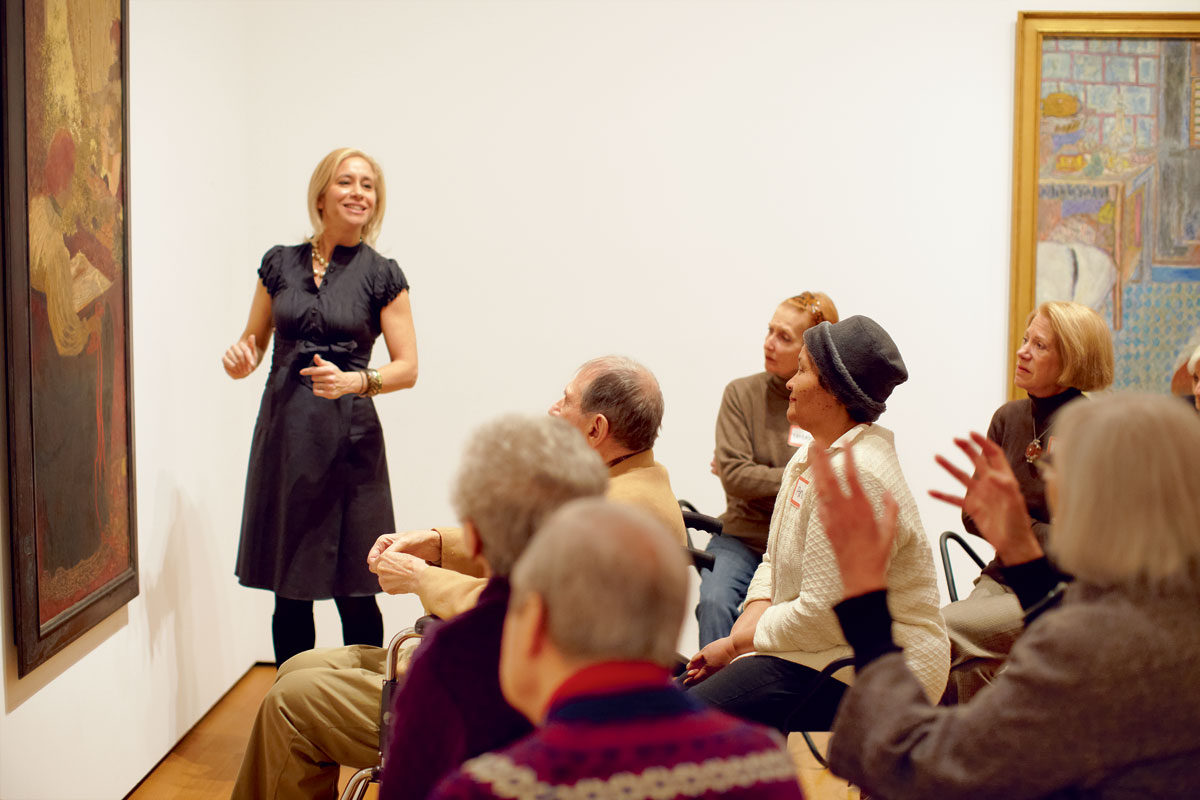
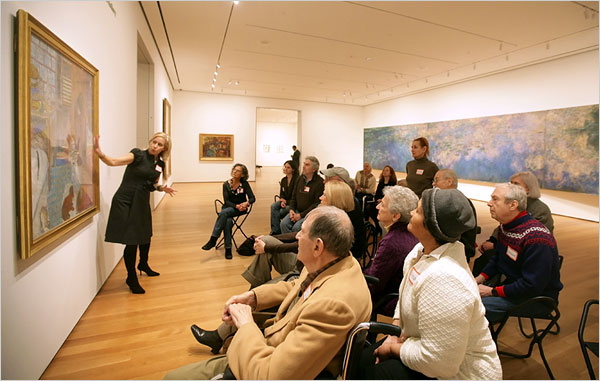

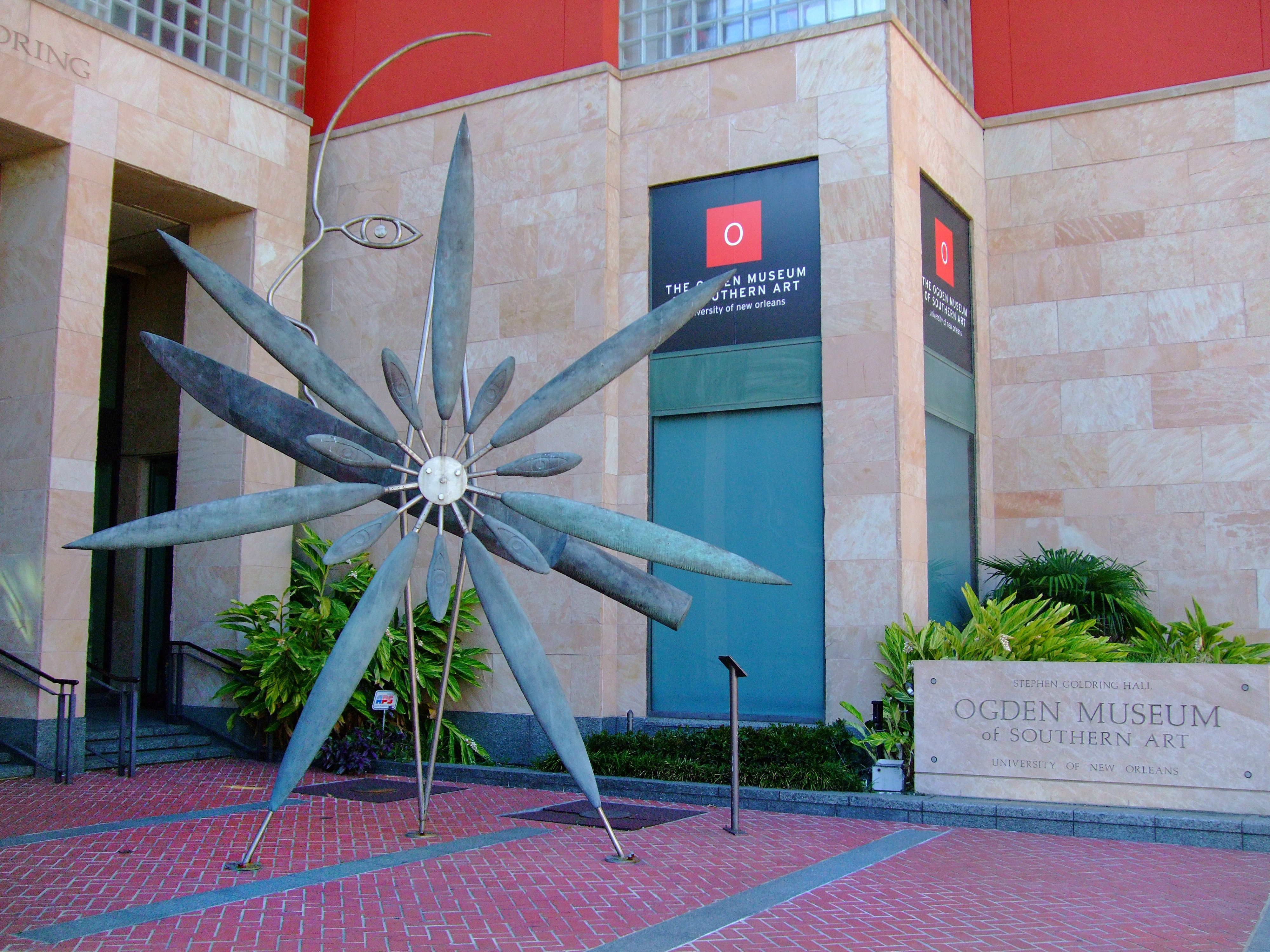

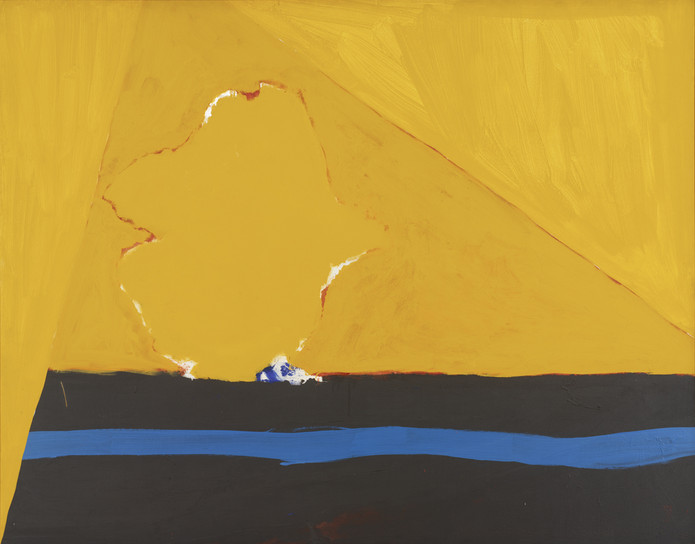

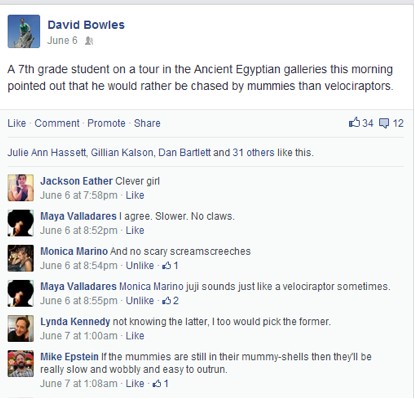
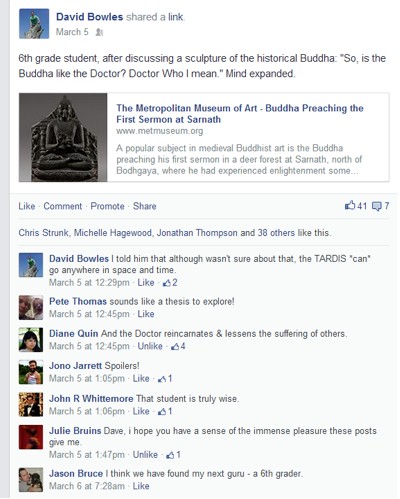
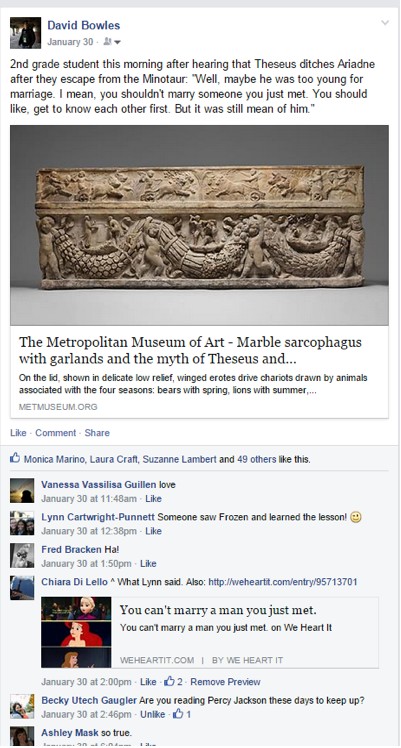


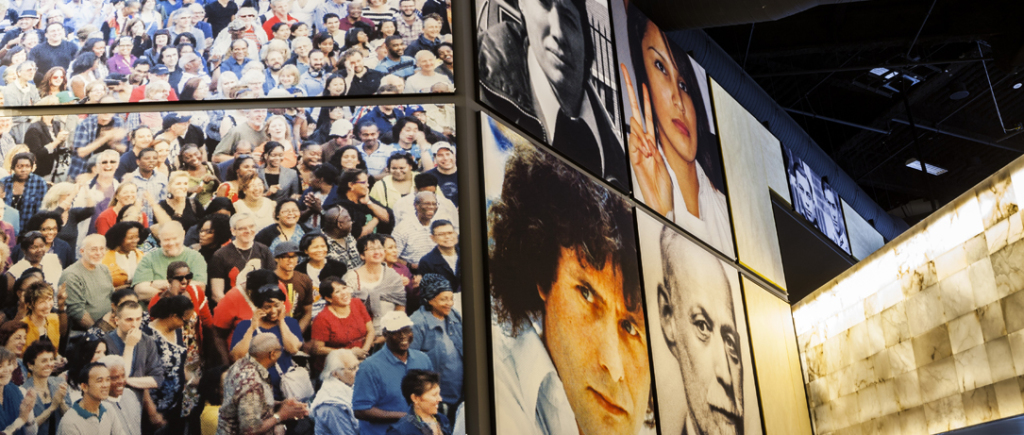

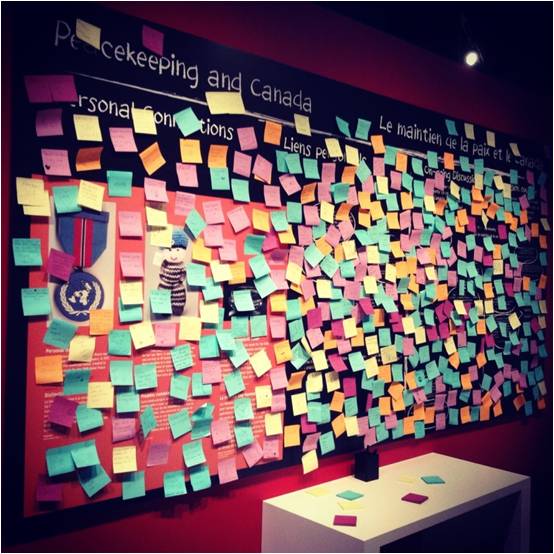



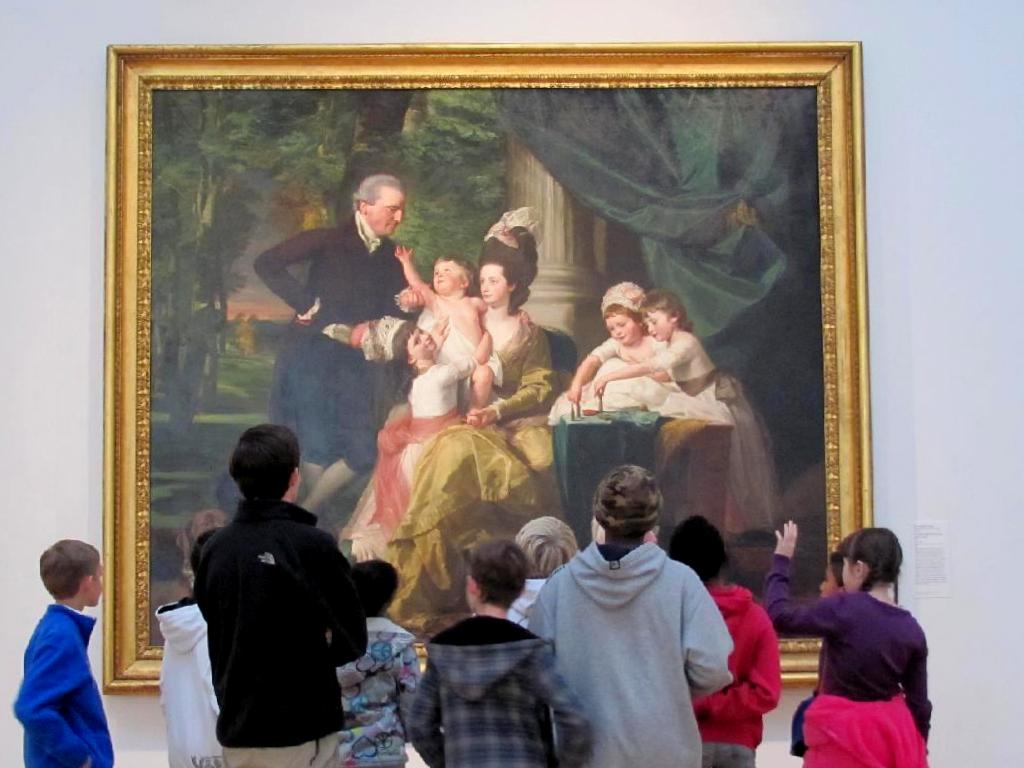



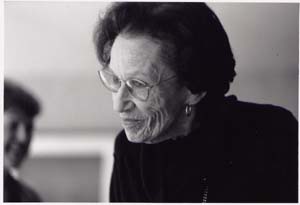
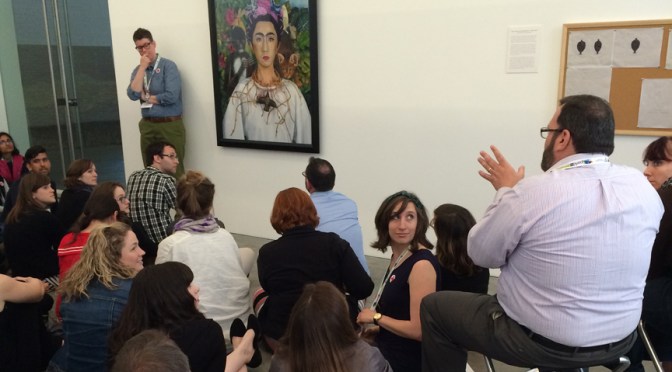
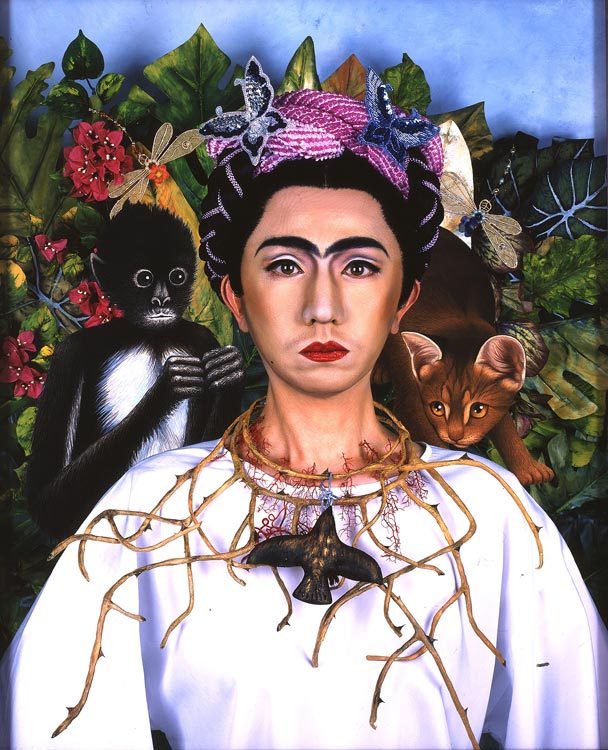
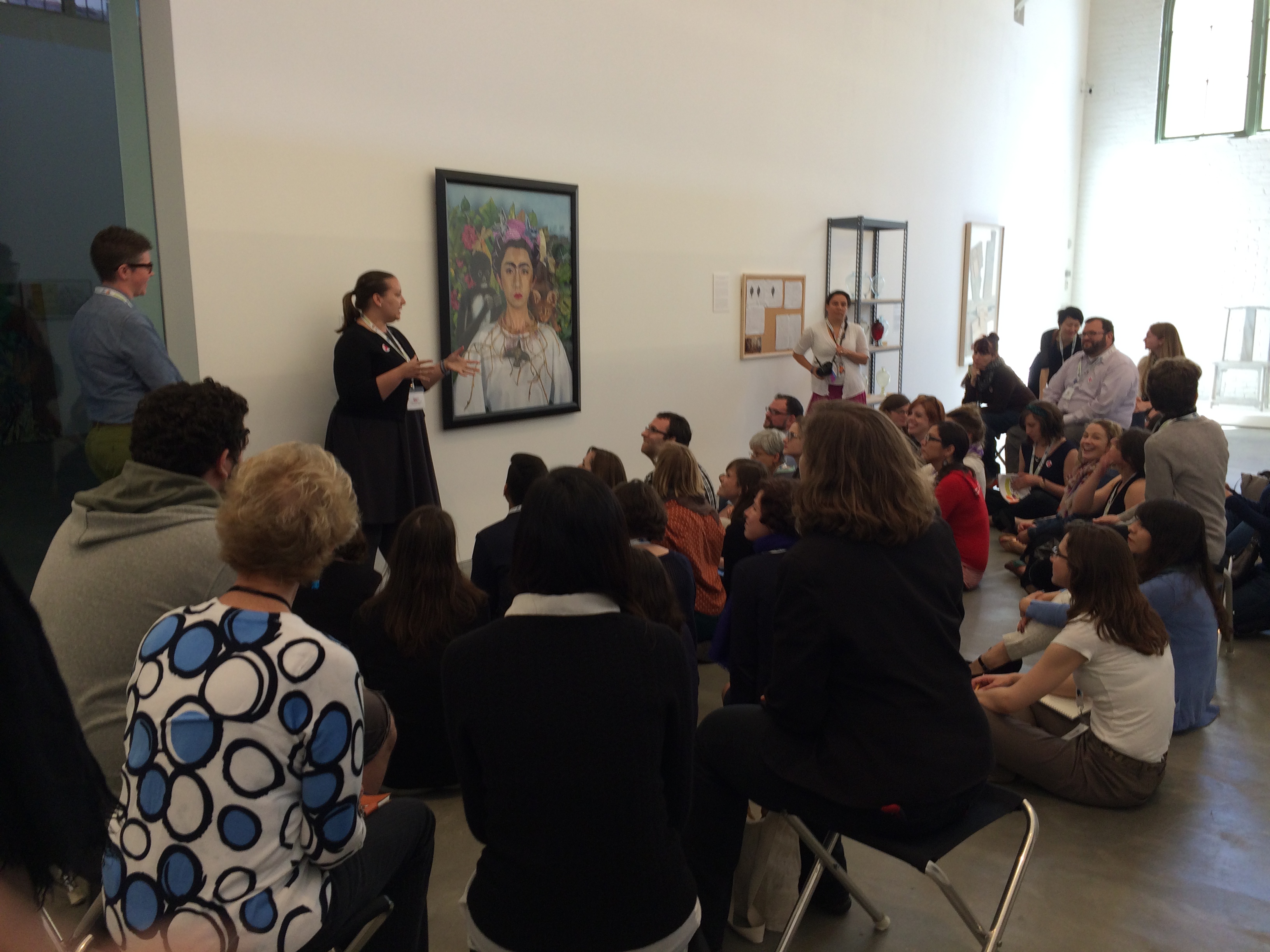
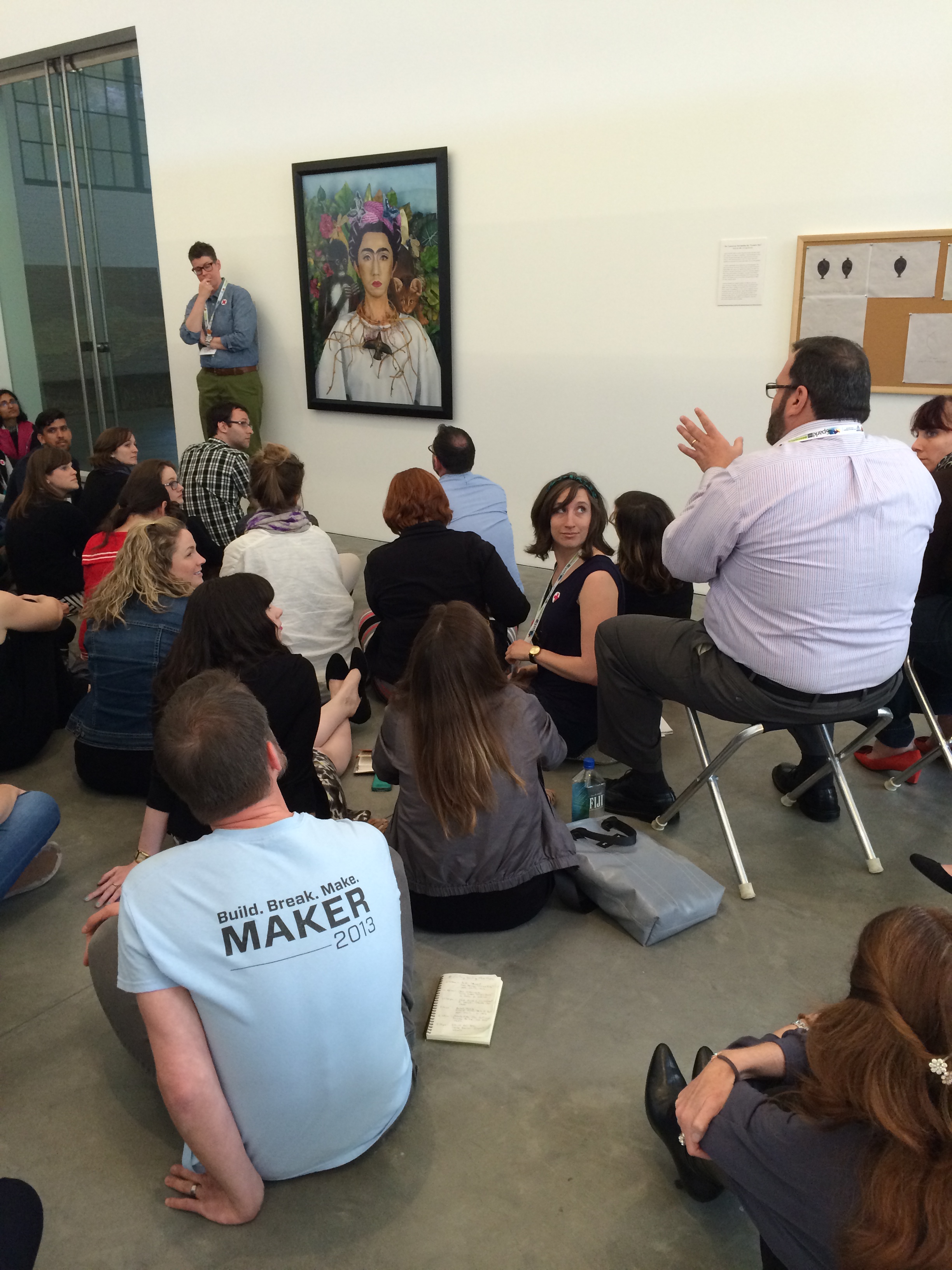

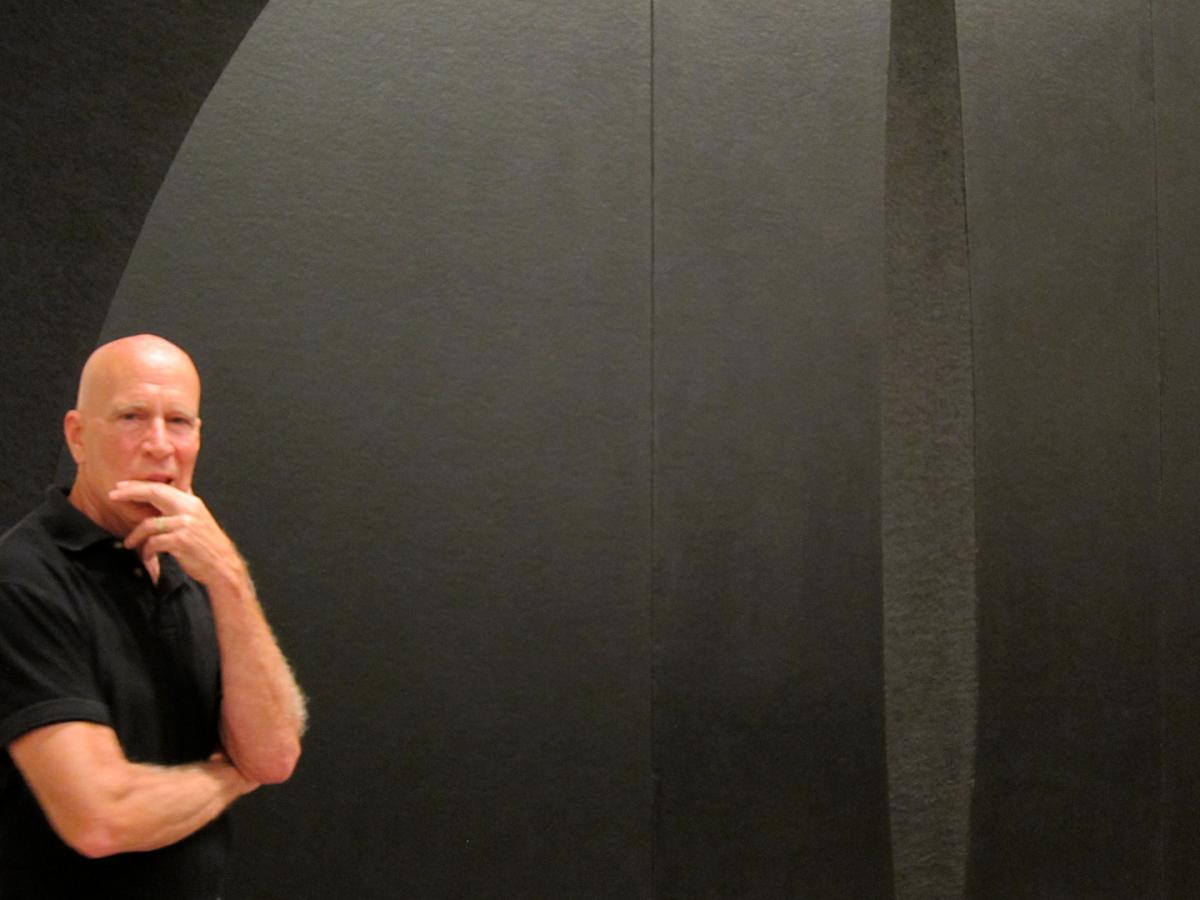
 Art Museum Teaching