In recent years, there has certainly been increased awareness and discussion about salaries within the museum profession. I can speak from my own place within the field of museum education when I say that this has become a very frequent (and more urgent) topic of conversation at conferences, leadership convenings, and professional meetings in recent months. Thanks to the efforts of museum activists involved with movements such as Museum Workers Speak, #MuseumsRespondtoFerguson, protests at individual museums, and several leaders in our field, we are seeing an increase in awareness around museum labor practices, hiring, and worker pay as well as the intersection of these issues with race, gender, and class.
Last week, Joan Baldwin wrote an insightful and widely-read piece entitled “Museums and the Salary Conundrum” via the Leadership Matters blog — a site that emerged in conjunction with the 2013 book of the same name written with Anne Ackerson and studying museum leadership in history and cultural heritage organizations. In her post, Baldwin so clearly and boldly frames the problem of museum salaries:
“we work in an underpaid, under-resourced field. And for too long, too many people have told us that it is such a privilege to participate, that we should suck it up, deal with the fact that we’re thirty and still need roommates to pay the rent, and revel in the fact that we have a museum position.”
Joan quickly followed her post with another this week entitled “The Salary Agenda,” in which she and Anne take a stab at what they think a Museum Salary Agenda for the 21st Century could look like. I really appreciated this action-focused series of items, which can begin to help the conversation focus on real change — from professional organizations and institutions to graduate programs and individuals. Here is a quick repost of their Agenda, and I invite everyone to read their entire post and add comments to the already-active conversation on their blog.
What Professional Associations and Museum Service Organizations Can Do:
Establish and promote national salary standards for museum positions requiring advanced degrees.
Encourage museums to demonstrate the importance of human capital in their organizations.
Make salary transparency part of the StEPS (AASLH) and accreditation process (AAM).
Support organizations in understanding the need for endowment to support staff salaries. A building and a collection don’t guarantee a museum’s future. People do.
Create a national working group for #Museumstaffmatters.
What Institutions Can Do:
Encourage networking and individual staff development.
Make every effort to provide salaries that exceed the Living Wage.
Educate boards regarding the wastefulness of staff turnover.
Make criteria for salary levels transparent.
Examine the gaps among the director’s salary, the leadership team and the remaining staff.
Offer equitable health and family leave benefits (and make them available on Day One of a new hire’s tenure).
What Individuals Can Do:
Do your homework. Understand the community and region where you plan to work.
Be prepared to negotiate. Be prepared to say no. A dream job isn’t a dream if your parents are still paying your car insurance and your mobile phone bills.
Ask about the TOTAL package not just salary. If you are the trailing spouse and don’t need health insurance but do need time, make that part of your negotiations.
Network. Know what’s going on in your field, locally, regionally, nationally.
What Graduate Programs Can Do:
Be open about job placement statistics
Teach students to negotiate salaries and benefits.
Teach students to calculate a Living Wage plus loan payments and quality of life.
Encourage networking, mentoring and participation in the field.
Just as Joan and Anne are not speaking from a position of having solved all these problems, neither am I. However, I wanted to share their recent writings and ideas as a way to ensure that this conversation remains strong within the field of museum education. As we enter the spring season of conferences (AAM, NAEA, etc.), let’s make sure to keep these issues at the forefront of many of our conversations about diversity, inclusion, and leadership and work toward making appropriate and necessary changes within our professional organizations and institutions.
Thank you to Joan (and Anne) for sparking another important exchange around these vital issues to our field, and thanks to all the museum thinkers and activists pushing this issue through Twitter chats each week and in-person meet-ups across the country.
100+ participants at the #MuseumWorkersSpeak rogue session at AAM 2015. Photo from Museum Workers Speak.
“For the understanding of a picture, a chair is needed. Why a chair? To prevent the legs, as they tire, from interfering with the mind.” –Paul Klee
I’m pushing myself, and I’m tired. There are too many museums in Washington, D.C., on my list, and I am running out of time before I have to fly to the other side of the country. My foot hurts, too, because I twisted it walking on the capital’s irregular sidewalks; it is bruised badly, but I press onward as I am determined to squeeze in yet another museum. I’m driven. Foolishly, I thought my heavy travel-ready backpack would be ok for this last venture that somehow I could manage it well enough on my shoulders balanced against my back. But now in the Smithsonian American Art Museum, this backpack has become a problem as the guards—properly, I’ll add—keep telling me to wear it on my front. In this position the straps are too tight, so I attempt to hold it near the ground on my side. That position doesn’t work either because it is too heavy for my arm alone. I then compromise by holding the pack at the front of my body with my arms wrapped awkwardly around it.
Whenever I find myself in a museum with short time, I mentally and emotionally agree that I’m going to metaphorically strap on some roller skates and cruise through it all. I like getting a sense of the whole of any museum, even if it is much larger than a skate-cruise allows. This time, with the mix of guard admonishments and sore foot, my push to see everything isn’t working. Completely frustrated, I spot a bench in a dark room placed before a quite garish painting. I head for the bench, not the painting.
The bench is instantly satisfying, cushioned—quite comfortable. Backpack down next to me, I sigh to gather myself, then look up. The painting looks quite different than it did when I initially walked into the room. It takes me a bit to figure out just what is happening before me; very slowly, the lights illuminating the painting seem to shift into what begins to feel like the slow revolving of a Christmas tree light wheel display. As the colors change, the relationships of the shapes and patterns within the artwork alter, making some versions visually delightful. I’m taken away from my foot misery, fascinated. It’s a celebration of the full color spectrum—a Roy G. Biv tribute. Time is passing and I don’t care; I’m now mesmerized by the work, and comfortable enough to take some time looking. It’s hooked me; I’ve stopped skating. I’m looking deeply, asking questions. Wondering.
I’m lucky this visit–there are few visiting this part of the gallery, so there is no crowd to subtly press me to move on. I welcome the one person who steps into the gallery space, and when he sits next to me—the bench is a long one and could accommodate many—we talk a bit about what we notice in the abstract world of the painting that changes before us. After viewing a second round of the color cycle, I finally get up to find the label. The work’s painter initially surprises and slightly wounds my pride that I didn’t actually know him immediately, it’s David Hockney’s Snail’s Space with Vari-Lites, “Painting as Performance”. From the label I’m curious to what a Vari-Lite is? With the color spell broken I make myself move on, away from the comfortable bench.
Later, when I look for more details online, I find a static picture on the SAAM collections site that shows none of the subtle color changes. With a further Internet search, I find a few not-very-equivalent to the real thing YouTube phone-captured videos. These videos just vaguely give a sense of the piece. This is a you-must-see-it-to-get-it artwork. The SAAM thoughtfully gives us a bench so we can sit and see for some time.
I have no idea if anyone else has been struck in the same way I am with this particular painting. Thinking about my experience, I am reminded of one of my first museum visits as a child at the Columbus Museum of Art where there was a machine that demonstrated color light mixing using transparent gels showing how three light primaries (red, blue, green) combine to create magenta, yellow, and cyan. My mother had to drag this whining eight-year-old away from it as I could have played for hours. Years later, I desperately wanted to make something like it for my science project. So I’m moved by color, perhaps in the same way some are moved by music. Color feeds me in a way few other things do.
One of my other color memories is thanks to a Windsor chair, notably with a back, so I could really relax while viewing a painting. This chair was placed before one of the most well known paintings in D.C., Renoir’s Luncheon of the Boating Party. My circumstances were similar to those with the Hockney: I was at my first National Docent Conference, overfilled with conversation about art, and in a different twist for me, was being dragged by others for one last look at art before we headed to our flight. Upon hitting the galleries, my goal was to sit and gather myself, so I wandered through in search of a chair aiming to take the first one I could find. At the time, some almost 30 years ago, an available chair seemed a novel thing. And equally unexpected, the guards at The Phillips Collection were students from nearby universities dressed in everyday clothing. I remember asking an approachable gallery attendant if I could sit in the chair, assuming I could not, and being told that it was there for people to take in the paintings. The atmosphere was welcoming, and the chair made it more so.
Gallery view with Renoir, Phillips Collection. Flickr Photo by Steven Zucker, CC BY-NC-SA 2.0.
The room was full of Impressionist paintings; I was full of a disdainful attitude about them, internally wearing my smugness of ‘I’d been there, I’d done impressionism.’ One of the lessons I learned that day sitting in that welcoming chair has stayed with me since: you don’t know what you don’t know unless you see something for yourself. Being in that chair, the painting invited me in to look, and the more I looked the more I wondered, the more intrigued I became, and suddenly my respect for this work increased. Not having the Internet to turn to in those days, I soon found myself in the bookstore buying information on this masterpiece. Today this 20-minute experience remains vivid in my mind’s eye.
When I recently talked about this with my colleague Peter Samis, Associate Curator of Interpretation at SFMOMA, he suggested that both of these works are clear instances of what he calls Visual Velcro. The Hockney and the Renoir readily hook the viewer into the work in part because of the color dramas they present. The Visual Velcro with them hooked me so well that I might have stayed for a while to look anyway. Having a place to sit in both instances helped me physically endure a much longer visual journey. Access to seating can also support our viewing works that are not as easy on the eyes, those that are more unsettling or socially challenging. For instance, the color used in the recent show Rewind at The Baltimore Museum of Art is quite purposeful, the artist has made KKK robes in colorful Kente cloth and other patterned fabrics. While the Rewind show has the visual allure of color, the content is more socially charged; I want to sit in a chair especially in that exhibition. The longer I can be with any artwork, the more I will notice, the more I will feel.
Comfortable chairs in the right places within our galleries are critical. Not only do they offer a place for the weary to rest, but also are an invitation to stop, stare, and wonder. In many ways, in this online venue, I’m preaching to the converted: we know this. But you might want to remind yourself of the interpretive value of a chair.
When was the last time you sat in one in front of a work and let yourself just see?
Flickr Photo by Chris Short, galleries at North Carolina Museum of Art. CC BY-SA 2.0.
* * * * *
ABOUT AUTHOR
SUSAN SPERO, Ph.D. teaches Museum Studies at the John F. Kennedy University in Berkeley CA. Her classes focus on all aspects of the visitor experience, including discussions on creature comforts. She also serves on the Museum Education Roundtable Board.
As the fourth year of ArtMuseumTeaching wraps up, I thought it would be good to post a brief “Year in Review.” Not that we need any more end-of-the-year lists or calls for resolutions, but I think it can be meaningful to take a minute and look back at some of the issues that have been on our minds this past year. I want to thank all of the amazing contributors who have taken the extra time to share their practice with this community!
Since its inaugural year back in 2012, ArtMuseumTeaching has grown from a tiny blog seedling to a robust and active online community now involving more than 60 contributors, publishing 172 posts, and being read by hundreds of thousands of people in as many as 170 countries around the globe. I hope that this online community and forum will continue to grow, include more perspectives, and be a space of exchange where we can connect on issues of teaching, learning, and community engagement that matter most for museums and the people that make up those museums.
Year in Review: 5 Most Popular Posts of 2015
5. “320 Hours: Slow Looking & Visitor Engagement with El Greco” (July 2015): We all talk about the value of slow looking and extended engagement with art – and this great post by Kelsey Ferreira provides such a unique insight into her experiences spending 320 hours with a single El Greco painting at the Portland Art Museum. What questions did visitors ask? What types of experiences sparked further engagement and learning? What surprisingly deep experiences did visitors bring to this stunning painting? A fantastic read for museum educators and art lovers alike!
4. “Status Update: Facebook as a Reflection Tool” (January 2015): David Bowles of the Metropolitan Museum of Art shared his insights from posting some of the most indelible teachable moments from his gallery experiences on Facebook, and using social media tools such as Facebook to add a reflective element to our practice. This is a great read, especially with David’s five take-aways for museum educators about student learning in the galleries.
3. “We Flipped Our Museum – Here’s What We Learned” (June 2015): Emily Kotecki shared the work at the North Carolina Museum of Art to deepen and activate the museum learning experience through a Flipped Museum pilot program called “Artists in Process.” They developed an online learning platform to support social interaction and choice-based learning, and then worked with sixteen classes from different cities across North Carolina to research, explore, and reflect on the artistic process. Check out their ‘lessons learned,’ and read more in the Summer 2015 issue of the Journal of Museum Education.
2. “The Big ASK: Experiencing the Brooklyn Museum’s ASK App” (July 2015): Written after my own visit to the Brooklyn Museum this past summer, I briefly explored the what, how, and why of this effort to rethink the museum visitor experience. While I am still attracted to the app’s desire to make personal connections with visitors, I’m a bit concerned with how few visitors use the app considering the staff and resources dedicated to this project. But I absolutely love that the team at the Brooklyn Museum is super transparent about their thinking and planning via their blog (so awesome!).
1. “Questioning the Use of Questions” (January 2015): In the most widely-read post of 2015, museum educator Jackie Delamatre responded to Rika Burnham and Elliot Kai-Kee’s challenge to the use of questions in museum teaching. While there is great value in questioning the use of questions, Jackie’s insightful post defends the use of open-ended questions and brings in some of her own personal experiences. And her search for the ‘Boeuf Bourguignon of questions’ is not to be missed!
Enjoy these popular posts from 2015, and see you in 2016 — a year that promises to bring a whole new set of challenges, success stories, and new ways of thinking about both the theory and practice of museum teaching. If you would like to share the projects you’re working on or the issues and challenges you are grappling with, please add your voice to this growing community (and just send me a tweet at @murawski27 or email me at murawski27@gmail.com).
When you’re regularly working 10-hour days doing everything from implementing strategic initiatives to signing timesheets, how do you manage to be a leader in those circumstances? Ask any exempt staff (1) and they’ll no doubt share stories of being overworked, under-resourced, and despite the best of intentions, feeling overwhelmed and less than effective. Given this reality, beyond your personal conviction and will power to do a good job, what makes a great leader? What supports do leaders today and tomorrow need to be successful? What strengths and skills can museum educators bring to leadership roles?
These questions guided an interactive session we led at the National Art Education Association Annual Convention in March 2015. During the session, colleagues shared the qualities they believe make a great leader. If you think about a great leader from your own life, you’ll probably recognize many of these same qualities including:
has vision
is innovative
is a great listener
speaks the truth
is courageous
accepts and learns from failure
is strategic when fighting battles
knows when to follow rather than lead
models behavior for staff
brings others along and empowers others
is a chief storyteller
From there, we split into groups and tackled the top three leadership issues we face, as chosen by those assembled:
developing and supporting staff
institutional culture change
making change at your level
Since we believe in the power of collective minds, and know that there are incredibly smart, capable people in our work, we endeavored to develop solutions or, at least, resources and places to begin. Here’s what we learned…
Create interdisciplinary teams and use Design Thinking to create solutions. Change takes time and is an investment – you’ll need to weather storms and stay more than two to three years at an institution. It takes courage to run with it, create a space that doesn’t exist, and ask forgiveness later, not permission. Flip authority within by trusting others with the reins.
Making change at your level
Whether you are a volunteer, intern, part-time staff, full-time staff, or a director, hold yourself to high standards while knowing your limitations. Modeling change versus talking about change is more impactful. Awareness of change leads to more collaboration, which leads to growing success and less discouragement, which generates more ideas. The book Tempered Radicals was recommended.
Design thinking, Flickr photo by Cedim News. CC BY-NC 2.0 license.
As we reflected on the outcomes of that session recently, we realized the values, challenges, solutions all still feel relevant to us. When we talked about our current environments and work realities however, some new questions and challenges emerged:
has vision – what if others on your team don’t share that vision?
is innovative – what if others define innovation differently?
is a great listener – what if others aren’t listening to you?
speaks the truth – what if others don’t want to hear it?
is courageous – what if your courage backfires?
accepts and learns from failure – what if failure negatively impacts your job or career? What if others in your institution don’t value failure?
is strategic when fighting battles – when does strategy become political and personality-driven?
knows when to follow rather than lead – how do you follow when there’s a lack of trust?
models behaviour for staff – what if staff are not receptive? For example, emerging and mid-career professionals tend to prefer flat rather than hierarchical organizational structures compared to more senior professionals.
brings others along and empowers others – what if they disappoint?
is a chief storyteller – what if it’s a story others aren’t ready to hear? What if your story is competing for airtime, or there’s no one to hear it?
Perhaps these questions, or similar versions, have emerged in your setting as well, whether quietly or loudly. How do leaders tackle these very real, messy issues? What sources of strength, knowledge, or wisdom can we mine to support both ourselves and others?
We invite your thoughts and responses to these and other questions — add to the Comments below, or share your questions via social media.
* * * * *
Notes
[1] The U.S. Fair Labor Standards Act determines many employment standards, including who is or is not “exempt” from overtime pay. Many museum workers are exempt from overtime pay due to their work duties.
About the Authors
WENDY NG: Manager, Learning at the Royal Ontario Museum in Toronto, Canada, where she oversees School Visits, Traveling Programs, and the Hands-on Galleries. Previously, Wendy worked at the Art Gallery of Ontario as Coordinator, Elementary School and Teacher Programs, and other museums in Washington, DC and London, England. She holds a BFA and BEd from York University, a MAT in Museum Education from George Washington University, and is certified by the Ontario College of Teachers.
RACHEL TRINKLEY: Director of Education for Explore! Children’s Museum of Washington DC, a new children’s museum being developed for the nation’s capital. Prior to joining the museum, she worked at the Freer|Sackler Galleries, Smithsonian Institution, and at the Columbus Museum of Art (Ohio), where she managed the docent program and served as Assistant Director of Learning. She holds a BA from Saint Mary’s College, Indiana, and an MA in art history from Ohio State University.
Visitors to the Portland Art Museum are beginning to encounter an unmistakable revitalization of Native American art. This fall, the Portland Art Museum announced the opening of its new Center for Contemporary Native Art, a gallery dedicated to presenting the work and perspectives of contemporary Native artists. In 2014, the Museum was awarded a major three-year grant from the Institute for Museum and Library Services (IMLS) focused on creating a “community anchor” space to foster a deeper understanding of Native American art and artists in the contemporary world. Each year, the Center will host two rotating exhibitions and feature a range of related programming.
Greg Archuleta, Sara Siestreem, and Greg Robinson in Center for Contemporary Native Art
At the core of the Center’s mission is the commitment to partner with Native artists in co-creating the exhibitions, interpretation, and programming for the space. This approach challenges visitors to think about Native American art and the cultures that inform the work as dynamic and changing, and not as an ethnographic snapshot in time. In this way, we hope that privileging a contemporary view of Native art in the Museum will provide visitors an opportunity to engage with and to relate to the plethora of Native experiences. Front-end evaluation and planning of the Center has involved the Museum’s Portland-based Native Advisory Committee as well as Native artists and others involved in Native American artistic and cultural practices across the region.
The Museum’s Center for Contemporary Native Art is part of broader institutional efforts which culminate early in 2016 with an innovative special exhibition showcasing contemporary Native photographers in dialogue with photographs from Edward Sheriff Curtis’s renowned body of work The North American Indian. In addition, a new, provocative set of Native artists will be featured in the Center for Contemporary Native Art (see Survivance below), and a spectacular summer exhibition spotlights Native fashion and design.
For Deana Dartt, Ph.D., the Museum’s curator of Native American art since 2012, these exhibitions and initiatives are the result of years of collaborative efforts and a true commitment to Native artists and communities. Working closely with Native advisors, she has brought to the museum an emphasis on Native artists working today to reinvigorate the Museum’s highly acclaimed historic Native American art collection. Her goal is to more meaningfully engage visitors in the issues critical to Native American art practice now, and the unique perspectives that inform that work. Dartt says:
“We want to show the whole spectrum of artists and art practice in Indian Country, from customary or ‘traditional’ to the edgy contemporary, seamlessly woven together in a way that is meaningful to our community as a whole as well as empowering for young Native visitors as they walk through the galleries. I’m always thinking about—and always inspired by—the power of art to heal historic wounds and restore hope.”
Dartt, who grew up in southern California and is a member of the Coastal Band Chumash, earned her Ph.D. in anthropology and museum studies from the University of Oregon and served as curator of Native Culture at the University of Washington’s Burke Museum before joining the Portland Art Museum. She is one of only two Native American art curators in mainstream institutions who are of Native heritage.
In concert with the Museum’s education department, Dartt has connected the collections with Native communities through projects such as the new Center for Contemporary Native Art and Object Storiespartnerships with the Native American Youth Association (NAYA) and Family Center, as well as Yup’ik community members in Bethel Alaska (see previous post “Sharing Authority/Sharing Perspectives: Native Voices”). The Museum has also enhanced online access, making the Native American collection of nearly 3,500 objects the first to be fully digitized through a $150,000 grant from the Institute for Museum and Library Services.
Yup’ik/Inupiaq artist Drew Michael, whose stories are featured in Museum’s Object Stories project. Photo by Katie Basile.
Under Dartt’s guidance, the Native American collection has quadrupled its modern and contemporary holdings since 2012, adding works by exciting contemporary artists such as Wendy Red Star (featured in the Native photography exhibition) and Nicholas Galanin, the Tlingit/Aleut multidisciplinary artist. In 2017, the Museum will mount a major exhibition entitled The Art ofResilience: A Continuum of Tlingit Art, the first large-scale examination of Tlingit art whose forms have long defined the public perception of Northwest Coast Native art. It will include items from the Portland Art Museum’s 1948 acquisition of the Axel Rasmussen collection that inspired the dedication of permanent gallery space at the Museum to showcase Native American art. The exhibition will complement the world-class collection with stunning contemporary works and others to be commissioned specifically for the exhibition. Dartt remarks:
“In developing The Art of Resilience and our contemporary installations, we’re forging strong connections with the Native artists and communities. We’re bridging the past and future of Native American Art at the Museum.”
Indigenous Currents
The Center for Contemporary Native Art’s inaugural exhibition thlatwa-thlatwa: Indigenous Currentsopened in October, featuring the work of contemporary Oregon Native artists Greg Archuleta, Greg Robinson, and Sara Siestreem. These three artists bring forward a strong sense of the continuum of Native cultures and artistic practices in Oregon. Each of these artists is working in traditional as well as “modern” media, but their practice is rooted in their sense of Native identity and values as integral to their roles as Native community members—not solely as individuals with exceptional talents.
entrance to the new Center of Contemporary Native Art and its inaugural exhibition
The exhibition addresses the issues these artists face in their everyday lives, as Native people challenged to assert their indigeneity in a growing urban metropolis. They all work in their own ways to educate Oregonians about the deep and rich history of this land and its rivers. Their collective goal is to make visual the ancestral memory that fuels the passion for their work—a memory largely invisible to the people who share this home. In partnering with the Portland Art Museum to bring this vision to the public, the shared goal of these three artists is to help visitors more deeply understand the art and experiences of Oregon Native people—past and present—and to more fully appreciate the unique beauty of the cultures so deeply rooted here.
For this project (among others), the Museum’s curatorial and education staff are making a conscious effort to allow the artists’ to engage the public and talk about their own work and artistic practice; rather than adopting the standard practice of Museum curators or educators talking about the artists’ work (whether through interpretive texts, publications, or public programs). The artists have been leading gallery talks in the Center to talk about their work, and the Museum has been using these videos as well as artist interviews (see below) to share this project with a public audience. In keeping with this goal, I am embedding a few of these videos below so that you can learn more about the art and practice of each artist with minimal intervention on the part of the Museum.
Survivance
In March of 2016, the Center for Contemporary Native Art will present its second exhibition featuring the work of Demian DinéYazhi’ (Diné) and Kali Spitzer (Kaska Dena/Jewish). Together, these artists will frame themes of gender, sexuality, and identity through the lens of their respective Indigenous cultural perspectives and traditional practices. Their work in the new Center will demonstrate their commitment to survivance, defined by Anishinaabe scholar Gerald Vizenor as Indigenous self-expression in any medium that tells a story about an active Native presence in the world now.
Survivance is more than mere survival—it is a way of life that nourishes Indigenous ways of knowing. DinéYazhi’ and Spitzer will create a transdisciplinary and multimedia space that reaffirms their dedication to cultural revitalization through language and social engagement—a contemporary and radical act of survivance.
Header Image: Ishmael Hope dances with Clarissa Rizal’s “Resilience Robe” during the Shx’at Kwáan dance performance during the Sealaska Heritage Institute Celebration 2014. Rizal’s “Resilience Robe” was commissioned by the Portland Art Museum, and will be an important work in the Museum’s 2017 exhibition of Tlingit art. Photo from Juneau Empire, http://juneauempire.com/local/2014-06-15/weaving-new-native-narrative-museums
Written by Mike Murawski, Kristin Bayans, and Phillippa Pitts
This essay is part of the new MuseumsEtc book Interpreting the Art Museum, an expansive volume of 19 essays & case studies from experienced museum professionals sharing some of today’s most successful initiatives in art interpretation.
From November 2014 through April 2015, the Portland Art Museum hosted the installation of a complex, unsettling, and physically-immersive multimedia installation piece entitled The Enclave(2013) by Irish contemporary artist and photographer Richard Mosse. Consisting of six monumental double-sided screens installed in a darkened gallery, paired with a powerfully haunting soundscape, The Enclave presented a unique challenge for the Portland Art Museum’s education team as they tackled issues of interpretation, visitor reflection, and public learning.
In The Enclave, Mosse employs discontinued military film stock to document the largely overlooked humanitarian disaster in the eastern Democratic Republic of Congo (DRC) – in which 5.4 million people have died since 1998. In a kind of advocacy of seeing, The Enclave attempts to cast this forgotten tragedy in a new spectrum of light, to make this forgotten humanitarian disaster visible. Furthermore, Mosse aims to keep the experience as open as possible, allowing viewers to bring personal experiences, memories, stereotypes, and media images to the process of making meaning with this complex work. According to Mosse:
“The work does not prescribe a set of responses, and remains ambiguous in an unsettling and seemingly irresponsible way.”
Given these expectations for ambiguity and complexity, the museum’s education team decided to construct an extended series of meaningful opportunities for visitors and staff alike to respond to and react with the installation. These opportunities encouraged personal reflection and physical engagement within the space of The Enclave and provided open pathways for further learning. Opportunities offered incorporated a range in levels of engagement from which to choose.
This case study explores the strategies used by the museum to connect a variety of visitors with this unsettling work of contemporary art. These strategies include:
an in-gallery interpretation space designed for visitor reflection and response;
printed postcards inviting visitor written responses;
While these interpretive strategies serve as the focus for this case study, the museum also partnered with the locally-based international development non-profit organization, Mercy Corps and the Mercy Corps Action Center, whose staff facilitated workshops for museum staff and docents as well as teachers and students participating in a joint school program between the museum and Mercy Corps.
In addition, the museum hosted an extensive series of public workshops and conversations which specifically encouraged open dialogue and personal reflections paired with viewing The Enclave. Throughout these interpretive strategies, our goals were to allow for open, personal, even emotional responses to the piece; to encourage visitors to physically engage with the space of the piece; and to provide pathways for further learning, especially related to the situation in the DRC.
In-gallery interpretation space
Early in the education team’s thinking about how to facilitate visitor experience with The Enclave, it became clear that visitors walking out of the installation would need a way to work through their reactions and responses. In the absence of a tour or multimedia guide, it would fall on the content of the interpretive space to empower individuals to tackle The Enclave independently. Simply entitled Reflecting on The Enclave, the in-gallery interpretation space helped visitors transition from a state of being acted upon by the exhibition’s visual and auditory forces to having the freedom and quiet to react to what had just transpired. The space did not provide visitors with the museum’s point of view or any curatorial voice. The museum remained silent and instead provided a comfortable space for visitors to have and share their own perspectives.
Reflecting on The Enclave interpretive space, Portland Art Museum
This small “living room” space included a love seat, cushioned armchairs, and a small end table with a bin of pencils. Housed across from the seating area were five clear acrylic holders, each of which held one deck of interpretive postcards. The front side of each card displayed a still photograph from the exhibition and the backside displayed the interpretive prompts: I saw… I heard… I felt… Five cards were placed in the rack with the photograph facing forward and one card was placed in the rack with the interpretive prompts facing forward. This arrangement indicated to visitors the card’s multi-interpretive purpose. Sitting on a pedestal directly below the cards was a clear acrylic box with a slit in the lid. Cards filled out by visitors could be seen inside the box. The nature and placement of these items invited visitors to look at, pick up, write on, and add a card to those already in the box.
Attached to the side of the box was a sign inviting visitors to See what others have shared via the project’s associated Tumblr site. This information indicated to visitors that they could read others’ responses and that their responses were aggregated into an ongoing community commentary about The Enclave extending beyond the museum.
Response cards
Knowing from previous experience that cards are popular takeaways for visitors, these postcards aimed to provide visitors with an opportunity to say I saw this or I witnessed that. Therein lay one of the project’s most significant challenges. With six simultaneous screens and a 47-minute runtime, visitors emerged from The Enclave having witnessed entirely different scenarios. Some saw rolling images of stunningly beautiful landscapes. Others witnessed a funeral scene juxtaposed with a dangerous birth. A body abandoned in the grass. A sprawling internal displacement camp. Our challenge was to find the emotional or thematic touch points that could translate this immersive experience into static interpretive cards.
Our interpretive media team segmented the piece into major themes or experiences: war and conflict, the role of the photographer, nature and the sublime, Africa and the other. Cross-referencing this list with the potential photographs approved by the artist’s gallery, we chose six images that we believed could serve as touchpoints for a range of potential experiences: a sublime landscape, a military roadblock, a group of civilians, an individual soldier, a young woman, and a damaged village.
We deliberately selected images that were highly polysemic. For example, the landscape Platon echoed picturesque tropes of art history. It also could speak to environmentalism, highlight the surreal nature of the pink film stock, represent the work’s otherworldliness, or, as we saw in the response cards, embody an idea of hope. By contrast, we did not select a photograph called Madonna and Child, which featured a uniformed soldier holding a baby in the pose of the Virgin and Child. This image, while incisively poignant in highlighting the complexities of villain and victim, left little space in which the visitor could create meaning. By offering the visitor a broad range of photographs, we invited them to self-select the image that matched their experience.
Sample visitor response card from the Reflecting on The Enclave interpretation space, Portland Art Museum.
Initially, we had planned to further draw out these themes through a variety of questions printed on the verso of the cards: Who is the victim and who is the villain? What is the man on the right thinking? What about the man on the left? Due to a compressed project timeline, our initial prompts were developed without the benefit of visitor testing. Therefore we used a docent training session as an ad hoc focus group.
After standing in The Enclave ourselves and observing docent educators processing their experience, we redeveloped the prompts entirely into the three, simple, sensory-based statements: I saw… I heard… I felt… These words, which were repeated over and over in the training session, were familiar to us from educational research, particularly Harvard’s Project Zero Thinking Routines, which employed them. They provided enough guidance to bolster processing and reflection, but to still afford room for a variety of responses and types of meaning making. Moreover, by splitting the prompts into bite-sized statements, we also hinted to visitors that it was OK to have a range of responses from simple to complex, and to navigate the space on the reverse of the card in whatever way they chose.
Sample visitor response card from the Reflecting on The Enclave interpretation space, Portland Art Museum.
Visitor responses
In total we printed 7,000 cards, of which around 4,000 were taken by visitors and around 500 slipped into the box in the gallery. Although each response was unique, the methods by which visitors used the cards could be categorized in three ways:
Lists: Some visitors took the prompt literally, charting what they saw, heard, and felt. They wrote in vertical columns over the words, sometimes even using lines to divide their cards into three spaces. They outlined and circled the light grey text to emphasize it. They drew lines between the printed words and their handwritten texts.
Notes to the museum: Often marked with explicit salutations to the museum or the artist, visitors used these cards to give us feedback in the form of concerns, thank you notes, and a frequent request to turn down the volume (the artist preferred the audio component of the piece to be quite loud, providing a physical experience of sound as well as of the projections).
Journaling: By making the background text light grey, we had successfully signaled to visitors that almost the entire card could be used to write or draw. Many visitors did exactly that, often writing stream of consciousness, free association, or personal reflections. Many show cross-outs and hesitations, reflecting the questioning and thinking that happened in the space. For example, one visitor wrote, “There was something about this. Something I’m not entirely sure what it was. Something about this just made my something click. All I can say is brilliant: I’m leaving with a lot to think about and a really heavy heart. But that’s what art does, right? Makes you think. Amazing.”
In terms of what the visitors wrote, we saw five overall themes emerge from the visitor responses:
Peace on Earth: Visitors who shared prayers, wishes, and hopes for those involved in the conflict. This was, interestingly, often correlated to the image Wrap Your Troubles in Dreams. In this case, visitors took the opportunity to speak directly to the woman depicted: “Sorry adout the war” [sic] or “Plz be safe.”
Cynicism and despair: Although there were uplifting moments in The Enclave, the artist did not shy away from depicting violence, destruction, and conflict. This response was almost a direct inverse of those in the first category.
Intellectual connections: These visitors related The Enclave to their prior knowledge of politics, literature, and film, bringing in comparisons to Kubrick, Heart of Darkness, Invisible Children, and others. As we know, adults learn by relating new ideas to their existing matrices of knowledge and experience. In this way, we saw them working through The Enclave, demonstrating learning and engagement as well as an interest in thematically related topics.
Self-absorbed artists: Many visitors attacked the piece, challenging the validity and morality of a white artist receiving accolades and making money by speaking for black communities and “capturing” images of black bodies.
Descriptive processing: Many visitors did not attempt to reach conclusions. They listed what they saw, heard, and felt, sometimes filling the entire card just with descriptive words.
Tumblr site
The Tumblr blog site was where all these varied responses came together. It provided a trans-temporal community in which viewers could find echoes of their own experience in the words of others. With over 100 posts shared on the site, it also provided a broader view of the museum audience (and the city of Portland) as a whole responding and reacting to The Enclave. Like the in-gallery interpretive space, the Tumblr site was designed to be as simple as possible both aesthetically and functionally. Visitors scrolled through back-to-back cards: image, comment, image, comment. As an institution, we provided no annotation or categorization. The cards were posted in a random order, free to complement or contradict their neighbors. Even the introductory text was completely neutral:
While The Enclave is on view at the Portland Art Museum, visitors are invited to reflect upon this immersive experience and share their thoughts with the museum. These are some of their thoughts.
Framed in this way, the site offered visitors validation. The museum posted, without comment or hierarchy, every type of response: those who called out Richard Mosse as a “selfabsorbed artist”; those who wrote only one or two words; and those who made spelling or grammatical errors. Viewed together, the stream emphasizes that there is no single interpretation or meaning for this work and that, in the museum’s eyes, no one viewer’s voice is more important or correct than the others’.
This approach carried inherent risks. As a department, we were committed to posting all responses, and yet aware that, given the racially charged nature of the work, we might encounter hate speech or other offensive content. There were cards that we did post that were difficult to endorse, such as one which read:
The people in this area of the continent are guided by superstition fed by rage and terror. No education or very little. No chance, no changes, no hope – only renewed conflict + murder.
Overall, however, we had only one card that we chose not to share because of its references to suicide.
In five months, our Tumblr site received a little over 1,000 page views: 10% of visitors viewed between ten and twenty response cards in a visit; 5% viewed between 30 and 40; 30% returned to the site at least once and 180 began following the museum on Tumblr. Even months after the exhibition has closed, we still gain new followers and see new reposts. Perhaps most interestingly, however, is the fact that no one card has emerged as the most shared or iconic image from the project. Although a few Tumblr users reblogged a batch of cards at once, most chose one or two, frequently non-sequential cards, to share with their followers. As virtual visitors, they selected from the diversity of responses offered, to find the few that resonated with them as individuals.
* * * * *
“My intention with this work was to create a dilemma in the viewer’s heart. If some viewers were struck by the beauty of war – and sometimes war is beautiful – then, I hoped, those viewers would then be appalled by their response: by taking aesthetic pleasure from someone’s misery, pain, or death. And in that moment, perhaps they might stand back from themselves in the act of perceiving – take a moment to think.” – Richard Mosse
As contemporary art continues to challenge museum visitors in a variety of ways, it is important for museums to carefully reflect on the ways in which visitors will experience and respond to unsettling, immersive, complex, and socially-relevant works of art. In our experiences with The Enclave, having a set of interpretive strategies that allowed for individualized reflection as well as collective sharing allowed for a more meaningful experience for many visitors. The opportunities for personal reflection and extended learning offered by the museum for The Enclave have helped to anchor the museum as a museum ofits place, not just a museum in its place – and these experiences might provide guidance to other museums as they plan interpretation around similarly complex contemporary art.
KRISTIN BAYANS: Interpretive Media Specialist at the Portland Art Museum, where she works cross-departmentally to create mobile, web, and in-gallery learning experiences for special exhibitions, the museum’s permanent collection, and the Object Stories project. Previously, Kristin served as Senior Educator in the Oregon Museum of Science and Industry’s Vernier Technology Lab and as an Assistant Educator for the Smithsonian’s Mobile Learning Institute. She holds an MA in Museum Studies from George Washington University and an MA in Art History from the Courtauld Institute of Art.
MIKE MURAWSKI: Director of Education & Public Programs, Portland Art Museum. Murawski earned his MA and PhD in Education from American University in Washington, DC, focusing his research on educational theory and interdisciplinary learning in the arts. Prior to his position at the Portland Art Museum, he served as Director of School Services at the Saint Louis Art Museum as well as head of education and public programs at the Mildred Lane Kemper Art Museum at Washington University.
PHILLIPPA PITTS: Associate Educator for Gallery Learning at the Portland Museum of Art in Portland, Maine, where she oversees interpretive media, adult learning, and participatory gallery spaces. Prior to this position in Maine, Phillippa served as the Kress Interpretive Fellow at the Portland Art Museum in Oregon, Lecturer and Gallery Instructor at the Museum of Fine Arts Boston, and built apps and games in museums around the country. Phillippa holds an MA in Art History and Museum Studies from Tufts University.
Written by Virginia Spivey, Contributing Editor at Art History Teaching Resources (AHTR)
Check out the Art History Pedagogy & Practice e-journal hub at Art History Teaching Resources (AHTR), and read the linked White Paper. AHTR is a peer-populated platform for art history teaching content including lesson plans, book reviews, image clusters, and classroom and museum activities.
Over the summer, AHTR worked with the research firm of Randi Korn & Associates to conduct a survey that revealed significant interest in this project. AHTR is excited about the potential of Art History Pedagogy and Practice to build bridges connecting the traditionally siloed community of academic art historians to others involved in SOTL, museum education and art education at the K-16 level, and the digital humanities. AHTR recently launched an “e-journal hub” where regular updates will be posted about Art History Pedagogy and Practice, along with information and resources about SOTL and best practices in educational research. As we move forward in this endeavor, we encourage visitors to visit the site to provide feedback and comments about the project.
While art historians in higher education devote extensive amounts of time, effort, and energy to the job of teaching, the attitude persists that this role is separate, or even a distraction, from the primary responsibility to contribute as scholars in the field. Maintaining the duality of teaching and scholarly activity devalues the crucial relationship of pedagogical practice to art historical study, and precludes the potential for research in teaching and learning to have significant impact on the discipline itself. In order to realize this potential, the scholarship of teaching and learning in art history (SOTH-AH) must be acknowledged as a legitimate area of intellectual inquiry by the institutions and communities encompassing academic art history. A peer-reviewed journal devoted to SOTL-AH would facilitate this process by providing scholars a space to share research on pedagogical topics, and encourage further academic investigation and discourse around teaching and learning in art history.
This white paper identifies the need for SOTL-AH based on a recent survey of art historians in higher education and a review of current literature addressing pedagogical topics. It considers the impact an academic journal devoted to this topic would have on the art history and related fields that include study of visual and material culture. As a solution to the lack of SOTL-AH, Art History Teaching Resources (AHTR) began Art History Pedagogy and Practice (AHPP), a peer-reviewed e-journal, that will advance and disseminate academic research on art history’s pedagogy. This initiative builds on the community and pedagogical inquiry AHTR has developed since its launch in 2011. AHPP will be housed on Academic Works, CUNY’s Digital Commons repository as an open-access publication that will impose no subscription or contributor fees.
Stay Tuned
Check the AHPP e-journal hub for updates about the e-journal and to learn more about ways to become involved with Art History Pedagogy & Practice.
On October 16th, Museum Mashup, Triad Style took place at the Southeastern Center for Contemporary Art. Individuals from all over the state came to experiment and meet new friends, all with the idea of experimenting with cultural experiences. As this is at least the 7th experimental museum teaching event like this in the past year or so (they have happened in New York, Brooklyn, San Diego, New Orleans, Cleveland, Denver, and now Winston-Salem), I wanted to share more on how to plan your own Museum Mashup, as well as some reflections from our recent SECCA Mashup.
How We Plan a Museum Mashup
The impetus behind this is simple: empowerment and ownership. People on Twitter (encouragingly using #MuseumEdMashUp tag) reached out to me asking if they could do a Mashup and/or I or someone from my organization could come out and lead one at their museum. People here were asking if they could come since they weren’t an educator and others asked if they could invite non-art educators. My answer is and always will be yes. Yes, invite non-art educators. Yes, come even if you are scared. Yes, do one anywhere and everywhere. Yes.
When I did the first experimental teaching adventure with Mike Murawski and Rachel Ropeik over a year ago, it wasn’t this. It’s evolved into this, because of circumstance, need, new places, new people – and my guess and hope is it will keep evolving, beyond this ‘how-to’ and the Mashups that have happened. The Mashup doesn’t belong to any person or museum – and it doesn’t have to be about good teaching or developing programming or pedagogy. It focuses, in my opinion, on the creation of experiences with objects, people, stories, and surroundings. So folks asking “can we…?” the answer with me will always be “yes!”
Which leads to the thought that this isn’t so much of a ‘How-to’ as a ‘How-we’. And if we keep sharing this ‘How-we’ then we, as a community, can use this experimentation in the best possible way for ourselves.
So without further ado, the How-we:
Found a group of people.
As some of you may know, I just moved from NYC to Winston Salem, NC. I knew a handful of people, museum people mostly, through traveling and my partner. After chatting with Debbie Randolph of the Southeastern Center for Contemporary Art, who was part of the NOLA NAEA Mashup at the Ogden, I emailed a group of people I knew in the Triad museum world and told them about the idea. I asked them to ask people they knew, and we had a group.
Found a place and date.
Lucky for us, Debbie had done the Mashup in NOLA and knew how successful it could be. She offered to host the first at SECCA. As a group, we did a Doodle poll and found a date and time frame that worked for the majority.
Promoted away!
Yep, promotions before logistics. Since the basic idea was experimentation, and because I had done a Mashup before, I wrote a quick blurb and put up a Facebook Event. The Engaging Educator wrote a press release and shared it with SECCA’s Marketing Director, who shared it with their press contacts.
Just did it.
Logistics were a big part, and the part that always stresses me out. I broke it down into a few key areas when planning for this Mashup:
The Schedule: Mashups are fast. There was 15 minutes alloted for greetings, groupings and a quick warm-up, about 35-45 minutes for the participants to create a 5-7 minute experience, and then the time for the experiences. That last time frame is flexible, based on the number of participants.
The Works: Since the exhibition at SECCA, Point & Counterpoint has 18 artists on display, it was natural to use them all, since we didn’t know exactly how many people would be attending. Alex Brown from SECCA printed out cards with the artist names, and the groups would randomly choose which artist they would be working with. Some artists had multiple works, but ultimately it was up to the group to decide what they wanted to create.
The Groups: As people walked in, they signed in. Taking the total number and dividing by three people per group, people were assigned into six groups in the good old fashioned method of ‘1, 2, 3, 4, 5, 6…1, 2, 3, 4, 5, 6…ok all the 1’s over here, the 2’s over there.’ I ended up doing this in a notebook and just calling out each group, but that elementary school grouping happened in a tiny moleskin.
Facilitation:The facilitator is crucial, but the lack of facilitator voice is even more important – it isn’t their show. Debbie introduced SECCA and the exhibition, and I explained the Mashup goals – random groups would randomly be assigned a work, they would have a finite amount of time to create an experience with the work. This experience would have to be experimental – that is, no VTS, inquiry, traditional teaching styles, and ideally something that could fail. Aside from instructions, the facilitator needs to push the event along, but not comment. While I did lead the group in an improv warmup (everyone felt scared! I feel energies too often in rooms, so I had to fix it!), I timed groups, cut them off when they went over time, and turned the attention over to the next group.
On a personal note, I leave things vague and don’t like to give the group ideas, suggestions, props – I want them to define experience themselves, the interpretation to come organically and the experience to be group driven, not agenda driven. Yes, I would love to see everyone do crazy out there experiences – but risk to me is very different than risk to others.
Lunch:Lunch was provided for the participants. This is optional, clearly, and our next one (YES, we have another planned!) will happen after lunch. I’m a fan of giving people some kind of treat after positive-risk taking.
Reflection:They came, they created, they presented, they ate, and they reflected. Below, you can read the reflections of several participants – I left it optional to submit a written reflection, but post-lunch we chatted about a few key things. I asked the group to think about how they felt before, during and after the Mashup, what successes and failures they saw and had, and what can they do today, tomorrow or eventually with what they saw today. Those questions were also posed to the group for the written response.
Wrapped it up, and said where next…
I’m a big believer of striking while the iron is hot – I immediately emailed the group post-weekend, and asked where the next Mashup would take place. Full disclosure, I asked AT the Mashup, post reflection, because I am still an abrasive New Yorker. Worked well, because the New Winston Museum and North Carolina Museum of Art offered to host the next two. I set a date for the participants and myself regarding reflections. It’s 4:30pm on October 26th, and my self-imposed deadline was October 27th at 5pm. I also started a Facebook group to keep everyone together, post photos, plan the next one – with the simple description of “To plan, execute and reflect on cultural experience experimentation in NC.”
Because that’s exactly what we are doing.
This wasn’t my first Mash Up, but this might have been my favorite one, only because of the domino effect that happened after. People are excited – we had educators, but we also had a curator, a chef, an owner of a new makerspace, artists, retired teachers, a poet – and that energy around connecting with objects and works is incredible. So YES, do these all over…AND share what happened!
Participant Reflections: Museum Mashup, Triad Style, October 16
Before the Mashup at SECCA, I was feeling slightly anxious. I had seen a mash-up in New Orleans, but wasn’t exactly excited about doing it myself. What if I didn’t have any ideas? What if I let my group down? What if I was assigned some artwork that I couldn’t find a connection with? I felt better knowing that I wasn’t going into it alone and that everyone would be encountering their assignment at the same time. Mostly before the mash-up I was feeling reluctant to go and trying to make an attitude adjustment so that even if I didn’t have fun, I wouldn’t bring an attitude that would encumber anyone else from having a great time.
Appropriately, Jen rounded up the group for a collective experience to get us started. This was crucial, as warm ups can be. I knew most of the people there, but there were some I didn’t and it was not a gathering that had existed before. We needed a shared experience before beginning the task. Simply gathering in a circle helped, Zip-Zap-Zop further supported a new dynamic and preparation for us to move forward.
I felt better when assigned my group; I’ve been on a committee with Katherine for the better part of this year and I had met Emily before at other museum educators events. When we received our artwork, I felt a little anxious again: it was a video work. How would we incorporate a piece of art that was so dependent on time? When we went to the video, however, I began to relax again. It was beautiful. My fear of connecting with the work was quickly assuaged and the next challenge was to figure out how to create a corporate experience. I felt blank. What on earth would we do? When Emily suggested sharing our thoughts in flashes while we watched, I again felt better and knew I could trust the process. We were sharing ideas; we had similar observations and some of the same ideas were resonating with us. The film was short and looped through several times as we formulated our own responses and began to brainstorm our approach. I kept finding myself thinking, what do I want people to notice and learn and had to remind myself I wasn’t teaching. Our goal was to create an experience. When watching the film that showed falcons and Arabian desert, I felt compelled to move. And movement became part of the experience.
We worked together to create an experience; while we didn’t require our visitors to look closely at the video or experience it in full, we did use the elements of the video to inform the experience. And, it served as a backdrop, visual and auditory, as we proceeded. I hope that people were able to see it and make connections while participating in the activity we led, even if the connection to the art was necessarily soft.
There was a moment, as we wrapped up our “experience,” when I realized that everyone in the gallery had jumped right in and trusted us all the way through the activity. They trusted us and each other (it might have helped that the room was darkened for video) such that at the end we were all standing as falcons and emitting a piercing cry of a bird of prey into the gallery. I was grateful for their trust in us and I think they were rewarded for it; the positive energy in the room was palpable.
I left the day feeling energized and like I had had a good mental/professional workout.
While in some ways, I feel like I am constantly experimenting in my own teaching in the process of figure out what works, I also experience limitations. Some of these are institutional, some are self-imposed. What I saw from my group’s gallery experience is how movement can be a really important thing to do in an art museum. It helped me respond to the video and it further shifted the energy of the collective group. I can thus push more to incorporate movement in the context of my museum teaching–trying to find ways to do it safely and structure experiences so that it is included.
In terms of structure, I think it was great to have the length of time (5-7 minutes) that we had and the number in each group (3). Also, as one of my colleagues said, it’s so fun to get to work with other people’s art!
The Museum Mashup is a really fun and fresh way to connect with one’s creative side and to collaborate with museum and art professionals. Mediation is the sacred key to what Curators and Educators do–it’s our shared ground. The Mashup brought us together and helped bring about a variety of responses, approaches to mediation, and conversation showing that good things happen when you play.
When I first signed up for the Museum Mash-up I really had no idea what to expect, but I had met Jen a week or two before and I knew that it would be an exciting event. I met some interesting new people, which is rare for me. I know everyone in town! I was surprised by how some of the groups gave me a new and very interesting way to view some of the art installations. I think I made some new friends at the Mash-up, and I plan to take a closer look at the exhibits at SECCA and explore some new perspectives.
It’s not always easy to break away from what “works”, but I believe it is always worthwhile to step back and look at things in new ways and through different perspectives. By encouraging collaboration between educators and non-educators from the Triad, the Museum Ed Mashup at SECCA gave me the opportunity to play with a group of individuals that value experimentation and play as much as I do.
In the field of museum education it is often all too easy to stop experimenting and become complacent when you find something that “works” well enough. This could be a tour program, an art activity, a scripted speech, or a way of looking at or experiencing artwork. While there is nothing inherently wrong with repeating programs or experiences, repetition in isolation and without experimentation can lead to complacency, and ultimately stagnation. This problem is exactly what the Museum Ed Mashup was created to combat. And that is exactly what it did.
By bringing together educators and non-educators together from varied backgrounds it gave everyone the ability to experiment freely and experience the world through different perspectives. This, I think, is the greatest gift the Mashup has to offer. It reminds us that not everyone thinks alike.
The time spent at MuseumEd Mashup, far exceeded my expectations. In a world of meetings, planning, lectures and programming, it was refreshing to step away and look at exhibits in a more provocative way. I was inspired to explore the artist and medium in new and creative ways, with others! Thank you for stepping outside of the box and taking risks with your audience.
Reposted from the Getty Museum’s website and The Getty Iris online magazine. Special thanks to Sarah Cooper and Annelisa Stephan at the Getty, as well as artist Julia Sherman, for allowing me to repost this content about such an inspiring, creative, and experimental project.
Presented by artist and writer Julia Sherman, creator of the popular blog Salad for President, the Getty Salad Garden is conceived as a dynamic platform for conversations, drawing together a wide variety of creative voices. Like the format of her blog, Sherman will invite a range of artists and creative guests to join her in harvesting and making salads, emphasizing that the simple act of cooking together can be the catalyst for fascinating conversations and a fruitful creative exchange. Through sharing their artistic and culinary interests and the surprising ways they intersect, the conversations reveal the potential for a simple salad to invigorate our creative lives. Throughout the fall, the Getty Salad Garden will serve as an unexpected, playful space for investigations into the historical material on display in the galleries, infusing it with contemporary perspectives.
For the project, Sherman collaborated with urban gardeners Farmscape Gardens, and art-historian-turned-landscape-architect David Godshall of Terremoto Landscape. Together they have designed a garden which thoughtfully responds to the Getty Center’s architecture and landscape, and utilizes rare seeds, including 19th-century varietals, that help preserve agricultural and culinary heritage. The garden will be drip-irrigated, using dramatically less water than a lawn requires.
The Getty Salad Garden will support a variety of projects documenting the salads and conversations Sherman has with exciting members of Los Angeles’s artistic community. Through student workshops, intermittent public hours, and small gatherings, the Getty Salad Garden explores the unique way gardens inherently foster community, and hopes to inspire new encounters between visitors, artists, gardeners, cooks, museum staff, and works of art.
The Getty Salad Garden in progress next to the Central Garden. Photo: Abby Han
An Interview with Julia Sherman of Salad for President (from The Getty Iris)
During Julia’s latest salad exploration adventure in Japan, where she sampled dishes with myoga wild ginger flower, ponzu dipped sea grapes, and fried lotus root, Sarah Cooper (Public Programs Specialist, Getty Center) spoke with her about how the Getty Salad Garden came to be and how the simple salad managed to get her vote.
What led you to create Salad for President?
In 2011, I had finished my MFA at Columbia University, and I was forging along, pursuing shows and residencies and paying a fortune for a studio on the fifth floor of a storage facility under the Manhattan Bridge. My space was sandwiched between a CrossFit gym and a 24-hour energy distributor, so you can imagine I was not feeling surrounded by “community.”
My husband started a Tumblr for me called Salad for President, urging me to catalogue my obsessive cooking, gardening, and hosting. These were the creative things I was doing without preoccupation, the equivalent of a sketchbook for most artists. There came a point where I finally admitted that I wasn’t inspired in the studio; I wanted to be in my kitchen or garden, making that which I knew exactly how to share. So I taught myself how to take photos of food, and I started inviting myself over to the homes and studios of all the salad-loving artists I knew. The energy I brought to the project was immediately contagious, and so it became a garden, a book, a cocktail syrup, and a soon a perfume. The open-endedness for me is the best part. Salad is a platform for me.
Julia Sherman. Photo courtesy of Julia Sherman
I read that you think making a salad is similar to making art in that it requires assembling various colors, textures, and sensory elements. Yet salads are not art. Why do you make this connection?
I think you could make an argument that a salad could be art if the maker wanted it to be, but for me, salad as an art object is not really the point. I am more interested in practice and dialogue, an artist’s approach to the entirety of their world, not just their finished works. If I were to call the salad itself a work of art, it would no longer feel like a casual gift, something I can so easily give to others. It’s not meant to be exhibited but consumed, and then reimagined the very next day.
What have been your favorite salad sessions?
Some of the best salad sessions have come from those who don’t identify as cooks. Sina Najafi—editor in chief of Cabinet Magazine—and Nina Katchadourian—one of my favorite artists—used the materials of their salad to make a tribute to Rafael Nadal, their favorite tennis player. They constructed a tiny tennis court out of pine nuts and chives, and we got so deep into the topic that it eventually turned into a potent lesson on role models and the importance of finding inspiration outside your given discipline.
If you had to choose a salad recipe that best reflects your own creative outlook, what would it be?
I always go back to the Greek salad, because I am fascinated by its staying power—I have never met a contemporary twist on a Greek salad that I preferred. In all creative pursuits, it is important to know when not to innovate but to instead appreciate things just the way they are. This is a trait I appreciate most in art—think of Bruce Nauman or the Fluxus artists. Things don’t have to complicated to be good.
What artists have been important for you throughout your career?
I have been very fortunate to have mentors whose work I admire. When I was in college, I identified with the work of Janine Antoni. I had the chance to work with her in grad school and assist her briefly, and she taught me about work-life balance, prioritizing, and taking risks. She has been making sculpture and installation successfully for over 20 years. Later she found her passion in dance and was not afraid to pursue that. That, to me, is what it means to be a great artist.
Installing the Getty Salad Garden. Photo: Abby Han
Same for Jon Kessler and Dike Blair, who have been painfully honest about the peaks and valleys of the art world and their own careers. We are all just trying to figure it out, over and over again, and it is so valuable to hear that from those who are succeeding. The art world is not a cult where you find your place and claim it; rather, we are just a roaming community of restless makers looking for a way to keep pushing ourselves.
Last year you created a salad garden on the roof of MoMA PS1 in New York. Why is it important to you to present Salad for President in the context of a museum?
The art world will always be my home, and I think it is crucial that I root my thinking there. A project like this, as innocuous as it might seem, asks some critical questions of both the visitors and the museum itself, the artists who show their work there, and the people who make the museum happen. How are you supposed to use the space and who does it belong to? How can a museum be an active place of engagement? How can it activate the imagination of the public?
For me, the garden is both familiar and strange—a place that allows for an ease of curiosity, discovery, and dialogue amongst the experienced gardener and the total novice alike. This mirrors the ideal engagement one should have at the museum.
For the Getty Salad Garden, you’ve brought in two collaborators: David Godshall of Terremoto Landscape and Farmscape Gardens. How did you meet these collaborators and bring them into the project?
David Godshall and I are old friends. He approaches everything he does with the utmost intention and respect. I knew that if we were to make a garden at the Getty, it would have to be beautifully designed and sensitive to its surroundings. So David created a really smart Tetris configuration, which was an elegant and cost effective solution to a functional garden. It’s also one that he sees as a midway point between the Getty Center’s architecture and Central Garden.
Overhead view of the Getty Salad Garden. Photo: Abby Han
When I was in Los Angeles about six months ago, Gillian Ferguson, the producer of the radio show Good Food, wrote an article about Salad for President for Los Angeles Magazine in which I alluded to my plans to make my next salad garden in Los Angeles. Lara Hermanson of Farmscape Gardens reached out to me, offering to plant and manage a garden if I were to make it happen.
I consider myself the ultimate amateur gardener, but for a project of this scale, I could never have done it without the expertise of Lara’s staff, Dan Allen and Ariel Chesnutt, who spend all day creating and maintaining public and private vegetable gardens in California.
Why did you want to realize the second iteration of your garden project in Los Angeles?
I moved to Los Angeles with my partner, Adam Katz, in 2007, and he and I started a project space in the front of my studio called Workspace. It really served a need of our community of artists, just finding their way after school, not yet showing their work in commercial galleries. It was there that I found my place as an organizer, a host, a facilitator of artists’ projects. I am grateful to Los Angeles and its artists for their energy at that time.
I later moved back to New York for grad school, but I’ve always maintained a life in L.A. I also learned to garden here, so it seemed only right to make the next salad garden in the place where so many of my fundamental ideas came together.
Bringing people together and sharing their stories seems to be the central impulse of Salad for President. What is it about salads and gardens that make them such great connectors?
I’ve discovered that the intimacy of salad and the garden unlocks a world of people I admire. We are all trying to figure out how we can live our lives better, more honestly, more fully. What better way to spark a conversation about those big ideas than to start with something small?
* * * * *
This season, Julia Sherman is in residence at the Getty Salad Garden, growing, harvesting, and cooking alongside members of Los Angeles’s artistic community. Through student workshops, intermittent public hours, and small gatherings, the Getty hopes the simple salad will inspire new encounters between visitors, artists, gardeners, cooks, museum staff, and works of art.
Starting at 11:00am, we’ll create small teaching groups, get randomized object assignments and prototype short experiences with these objects. After sharing these adventures, we’ll meet for lunch and discuss the morning.
Please invite all experimenters: museum educators, art teachers, science buffs, general educators, as well as any community members interested in playing! The more the merrier, no experience in art necessary, just a can do attitude and willingness to play and experiment.
Not in North Carolina? Jen from The Engaging Educator will be live-tweeting the Mash-Up, and participants are invited to share at #museumedmashup
WHEN: Friday, October 16th – 11am-2pm
11-11:15– Welcome, introduction, assign artworks + groups
Focus for a moment on an object in front of you. How do you understand its shape? How would you represent it by drawing it? Imagine turning or rotating it. What would it look like then? How could you create something with the same shape?
When we look at and create art, we are exercising spatial intelligence to analyze and construct objects and images. Rich experiences with works of art have been shown to significantly enhance student math achievement, as documented by the Framing Student Success program that studied the effects of standards-based instruction that integrated high-quality visual arts, math, and literacy content in three high-poverty New York City Public Schools. These findings support a growing trend in K-12 programs across the country to merge arts instruction with science, technology, engineering and math (STEM) education, pioneered by Rhode Island School of Design’s STEM to STEAM initiative.
Our challenge:
How can the excitement around the potential of the arts to contribute to STEM education, along with current research on spatial ability be shared in an art museum setting, so that PreK-12 teachers can bring the ideas into their classrooms? Here we’ll share the activities and discussions that we designed with this aim. The two-hour gallery session was a part of a week-long teacher institute, VAST (Visual Arts and Sources for Teaching) held at the Philadelphia Museum of Art this past July. The overall theme for VAST was integrating art across the curriculum. Our session was led by Andrea Kantrowitz, Assistant Professor at Tyler School of Art, Temple University, who co-wrote and implemented the Framing Student Success curriculum; Rebecca Mitchell, former Manager of Teacher Services at the Philadelphia Museum of Art; and Lynda O’Leary, Distance Learning Coordinator at PMA.
Through a series of structured activities (individual, small group, and large group) – looking at art, drawing, creating sculptures, discussing, and choreographing a short dance on a work of art (yes, you read that right!), the teachers engaged their spatial thinking skills to think and create in two- and three- and even four- dimensions.
Logistics:
The setting: Temporary exhibition, Minimalism in Motion at the Philadelphia Museum of Art and permanent collection galleries
Audience: 80 PreK-12 teachers (in groups of 20 at a time)
After a short introduction to the Framing Student Success study and some research findings about spatial thinking, the teachers began their first activity. With pencils and sketchbooks in hand, the group spent 10-15 minutes drawing Robert Morris’s Untitled (Battered Cubes) from 1970, a piece made up of four large cube-like objects. Andrea explained that there was no “wrong” way to draw the sculptures, and that a variety of approaches would be beneficial to our discussion later. Since there were art teachers and classroom teachers in each group, we didn’t want anyone to feel self-conscious about their drawing ability. Andrea emphasized that it was the thinking and problem solving that was most important, not how “accurate” the drawing looked. The teachers sat wherever they felt comfortable, and drew the sculpture from whatever angle they preferred.
teachers drawing Robert Morris’s “Untitled (Battered Cubes)”
The teachers then watched a minimalist dance performance, choreographed by Lucinda Childs and filmed by Babette Mangolte in 1973, Calico Mingling (available here: http://ubuweb.com/film/mangolte_calico.html) and notated it however they wanted to – through sketches, notes, or some combination of the two. Again, the goal was to observe closely and record these observations with pencil and paper. In the Childs piece, the dancers move around and through a grid pattern on the ground, located at Robert Moses Plaza at Fordham University.
Many ways to solve a problem:
We gathered the teachers back together and placed the drawings of the sculpture on the floor. After a walk around the circle to look at all of them, we discussed the variety of approaches – while some people showed multiple viewpoints in one drawing, others focused on what they could see from their vantage point. Next we looked at everyone’s notes/sketches of the dance, which revealed even more variety. Some people focused on one dancer’s movements, while others watched for overall patterns among all of the dancers. Still others counted steps, traced arcs of the movements, or looked for relationships between the dances and the grid below their feet. All of these approaches yielded successful results, and the variety of solutions enriched the group’s understanding of both the sculpture and dance. We discussed the challenges and strategies to translate three-dimensional objects onto a two-dimensional surface, and the added complexity of movement and time.
teachers looking at the drawings on the floor
Building it out again: three dimensions
Now it was time to experiment with creating something three-dimensional from a two-dimensional material: paper. Working with a 1 1/2 inch dot grid on an 8 1/2 x 11 sheet of paper, a pair of scissors, and small circular stickers, teachers created sculptures. No specific instructions were given except to create something three-dimensional based on the grid. The teachers cut, folded, and taped. Discoveries were made, and sculptures were adjusted. They learned what worked and responded to their new knowledge as they continued to build. As expected, this exercise resulted in a wide range of sculptures – size, shape, and orientation. We displayed the sculptures in the center of the room and discussed the process and results.
teachers’ paper sculptures on display
Introducing time: the fourth dimension
Happily, there was a Carl Andre sculpture installed in the exhibition, which consisted of 17 copper squares, arranged in a line on the floor. Another grid! This gave us, the facilitators, the idea to culminate this part of the session with physical activity, something we thought would also benefit students when these ideas were translated into a classroom. Andre’s sculptures are meant to be experienced by walking over, around, and on them. Taking inspiration from Childs’s dance, we split the larger group into groups of 4-5 teachers and gave them 10 minutes to create a dance on and around the sculpture. Although coming up with choreography was a new experience to many of the teachers, they embraced the challenge and had fun working together. Again, the final pieces showed great variety:
Some moved in grid-like movements: forward, backward, side-to-side, while others incorporated more organic movements. Some were in unison, others had each dancer moving in a unique way. All utilized the length of the sculpture and responded to its structure.
* * * * *
On a concluding walk through the galleries, we took note of how artists throughout time and place use the grid to organize space. For example, the use of one-point perspective in a Canaletto painting or the incorporation of multiple perspectives in an 18th century Japanese screen. From grids on floors, to decorations on the ceilings, to paintings, drawings, decorative arts, and sculptures on view, it became clear that grids abound in art and architecture. We began to consider the world around us in new ways and recognize underlying structures that order our built environment.
These exercises drew the teachers out of their comfort zones and encouraged them to engage in creative play – looking, drawing, creating, dancing, and discussing. They considered spatial relationships from several perspectives and through different means. It is our hope that the teachers left the session with practical ideas for the classroom, an enriched understanding of spatial intelligence, and a new appreciation the interconnectedness of art across the disciplines.
* * * * *
About the Authors
REBECCA MITCHELL is the former Manager of Teacher Services at the Philadelphia Museum of Art, where she taught students in the galleries, organized teacher programs, and wrote teacher resources (to view the PMA’s teacher resources, please visit www.philamuseum.org/teacherresources). She has a B.A. in art history from Smith College and an M.A. in art history from the University of Delaware. She currently resides outside of New Haven, CT, where she is spending time with her two young children, but remains active in the art museum education community.
ANDREA KANTROWITZ, EdD, is an artist and researcher, who has lectured and given workshops internationally on art and cognition. As the director of the Thinking through Drawing Project at Teachers College, Columbia University, she organized a series of international drawing and cognition research symposia, in collaboration with colleagues from the U.K. She holds a B.A in Art and Cognition from Harvard University and a MFA in Painting from Yale, and an Ed.D from Columbia University in art education and cognitive studies. She teaches foundation drawing at Pratt Institute in Brooklyn, and art education at Tyler School of Art, Temple University. She worked for many years as a teaching artist in the New York City public schools and has been involved in multiple local and national arts in education research projects. Her own art work is represented by Kenise Barnes Fine Art.
Written by Alyssa Greenberg, doctoral candidate in the Department of Art History at the University of Illinois at Chicago; founding member of Museum Workers Speak
Reposted from The Incluseum blog, an online forum advocating that inclusion become an integral priority for all museums and flourish through supportive community relationships.
On September 25-26, I participated in MuseumNext’s first stateside convening at the Indianapolis Museum of Art (IMA). Since 2009, MuseumNext has organized annual conferences in cities across Europe to highlight current best practices and future directions for the museum field. Starting with Indianapolis this year, MuseumNext will hold conferences annually in the fall in the States and in the spring in Europe. This fall’s topic was “Building Inclusive Museums” (not to be confused with the International Conference on the Inclusive Museum — though it’s great to see the topic gaining increasingly widespread attention).Through two days of jam-packed conference sessions, the themes explored ranged from sharing power and authority with museum audiences to fostering more inclusive hiring and labor practices within institutions. In this blog post, I’ll share two of my greatest takeaways from the conference.
1. Redefining and interrogating inclusion
There were at least as many definitions of inclusion as there were speakers at the podium. Something that came up again and again was the idea of sharing power and responsibility with communities beyond museum walls. For example, Independent Curator and and Public Engagement Consultant Sarah Schultz used the Open Field project, which she founded at the Walker Art Center in Minneapolis, as a case study to explain how inviting “community members” (a phrase that merits further unpacking) into the process of creating public programming is essential to creating an inclusive space.
Similarly, in the realm of exhibition development, Smithsonian Curator Masum Momaya advocated engaging community members “from concept to closing.” Manager of Digital Content/Social Media Lori Byrd-McDevitt shared a case study of a “community blogging” initiative at the Children’s Museum of Indianapolis.The museum demonstrated “radical trust” by allowing selected bloggers free rein to create content for their website. Byrd-McDevitt anticipated that questions of compensation might arise in the audience, and she was clear that community bloggers received the benefit of blogging experience as well as perks such as meals, goodie bags, access to museum events, and museum membership — but not financial compensation.
Momaya followed up on this topic in the Q&A following Simon’s talk, asking how an activist museum director can address wage disparity and privilege. Though Simon’s talk was called “Fighting for Inclusion,” she responded that the issues of working conditions described by Momaya were “not our fight” — a viewpoint with which I disagree. When museum staff members partner with community members to do museum work, and there’s an imbalance in voice or compensation or decision-making power, that partnership can reinforce rather than challenge social inequalities. If we are to continue promoting inclusion as a value within our field, we will need to put more thought into how to address this tension. How can we persuade museum workers at all levels — including museum leaders — that equitable working conditions are central to inclusion?
2. Who’s (not) in the room
Museum Evangelist Adrianne Russell pointed out that the high registration cost (tickets were in the $400 range) (not to mention travel costs!) kept MuseumNext attendance out of reach of many museum workers. I was fortunate to be able to attend the conference with the help of a senior colleague, who let me ride with her from Chicago and even subsidized my lodging! This amazing, above-and-beyond support for an emerging professional from a leader in the field was instrumental — but not everyone can be so lucky.
I concur with Russell that while the free livestreaming went quite far in making the conference accessible to a wider audience, the impact of having a more diverse community of museum workers in the room would have had a significant impact on the conference discourse, especially if the conference had had a more audience-engaged format. Many people followed the stream and engaged the conference topics over Twitter, but having their voices physically present to ask questions and address the presenters in person would be a huge improvement.
Presenters and participants alike called attention to who was in the room — and who was missing. With a few exceptions, the “sea of white women” (to borrow an apt phrase someone used to describe the museum field at a Museum Workers Speak event in Chicago) was visible both behind the podium and in the audience. This topic deserves further interrogation. In her presentation, Co-Founder of Brown Girls Museum Blog Ravon Ruffin mentioned the Andrew W. Mellon Foundation Art Museum Staff Demographic Survey and argued, “We can’t talk about museums unless we confront our own privilege to collectively be in this room.”
By far, the most radical and provocative presentations were delivered by women of color — specifically, Co-Founder of Museum Hue Monica O. Montgomery, Momaya, and Ruffin. Those are the presentations I encourage you, readers, to watch or rewatch. Throughout the conference, most of the presentations delivered by white women were operating in the “success story” mode pervasive in the museum field, flattering participants’ current understandings of inclusion without pushing further. Why was the critical role of pushing the field to work harder for inclusion seemingly left to women of color alone? And since they did speak up, will we listen?



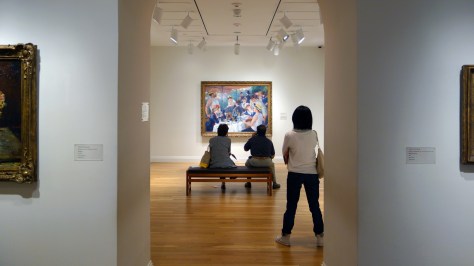
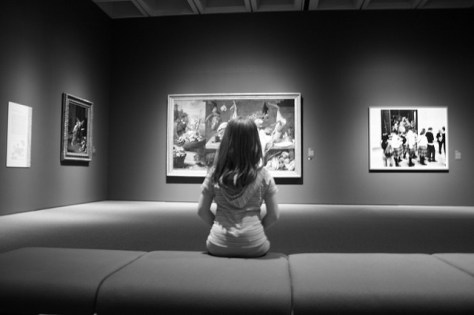

 5.
5.  4.
4.  3.
3.  2.
2. 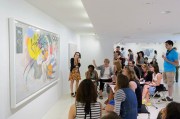 1.
1. 


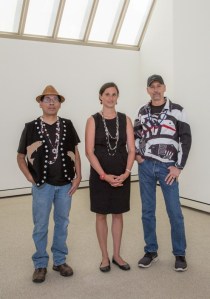
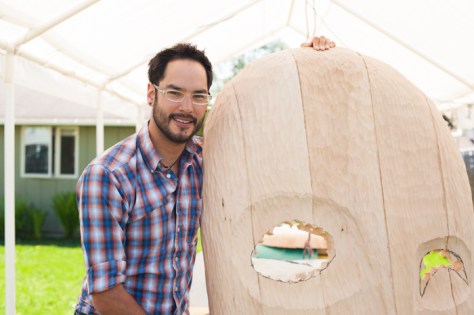
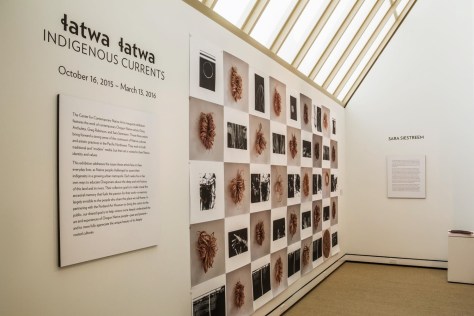
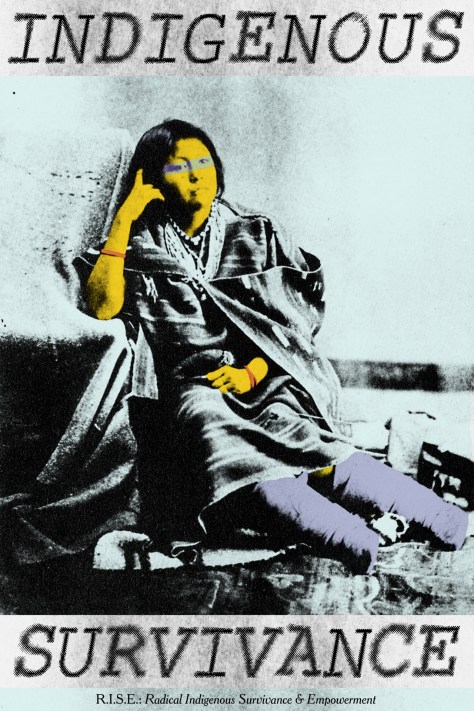
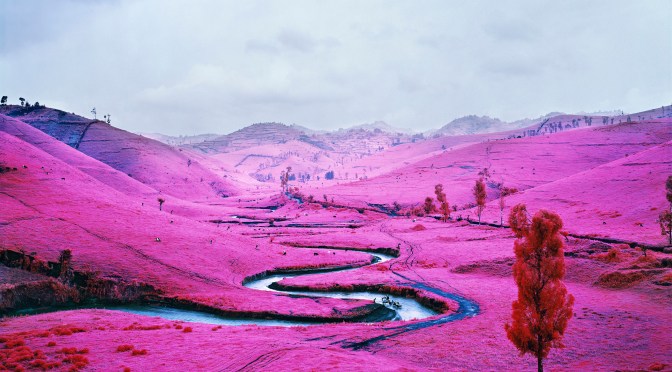
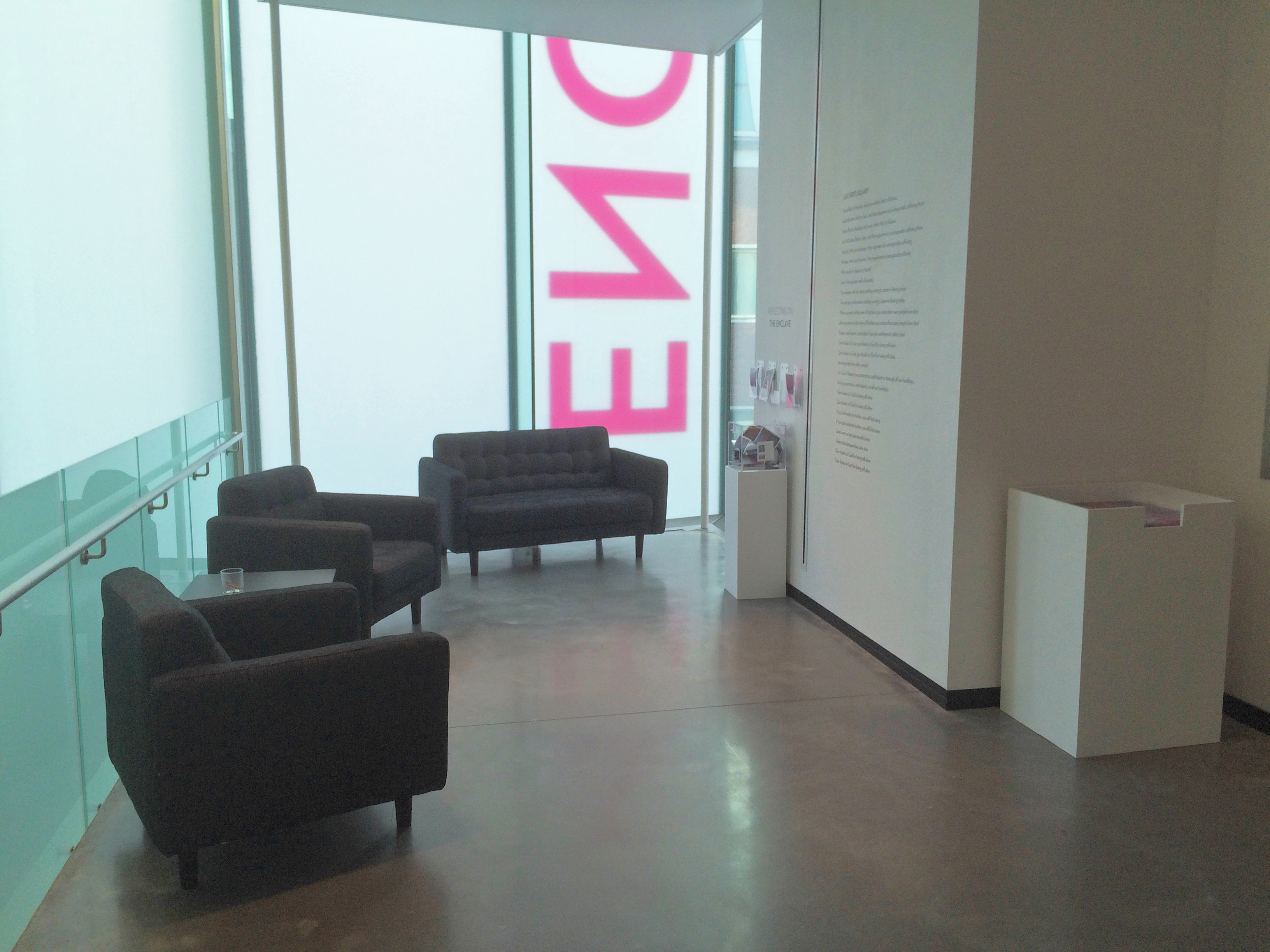
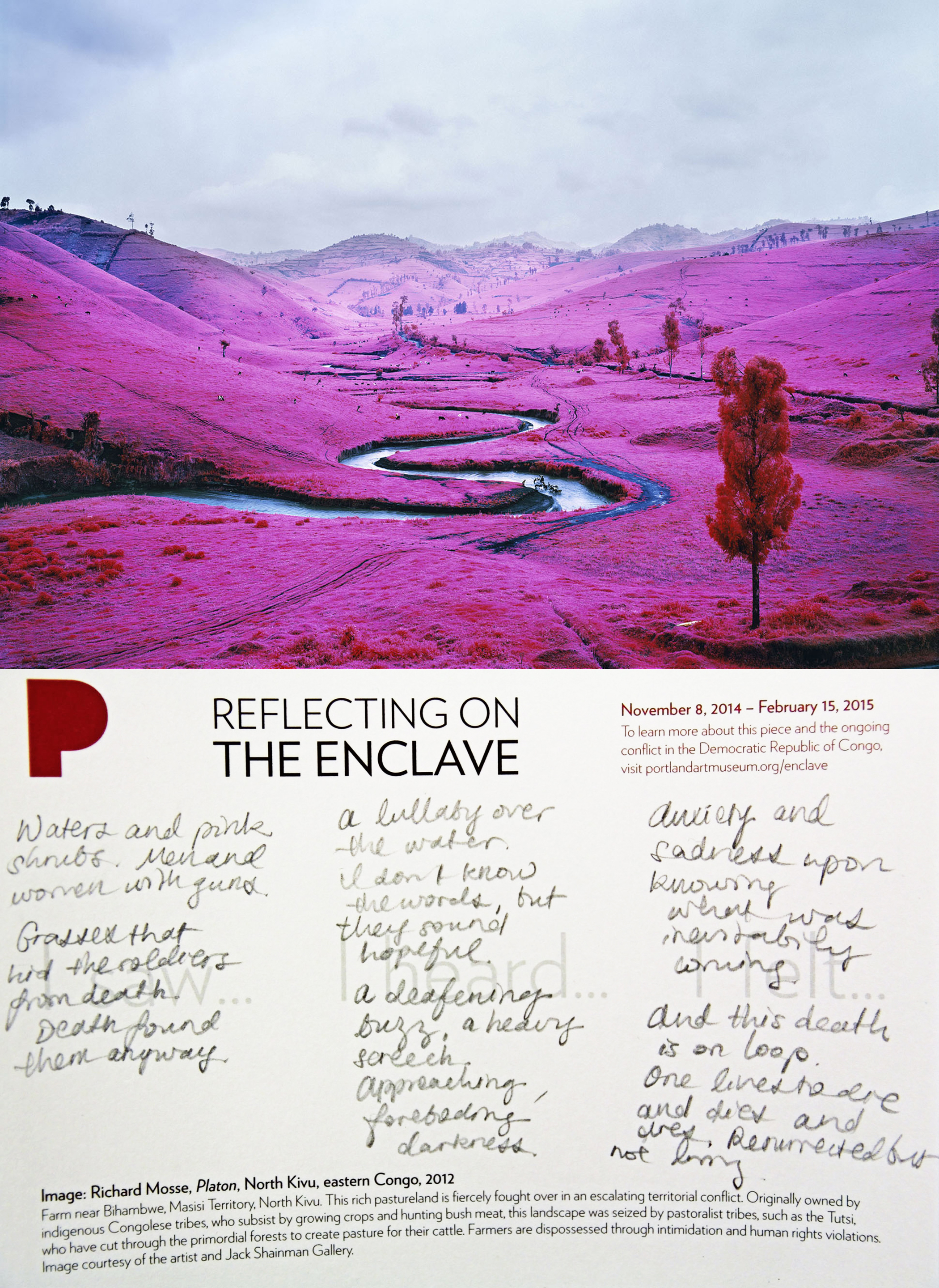
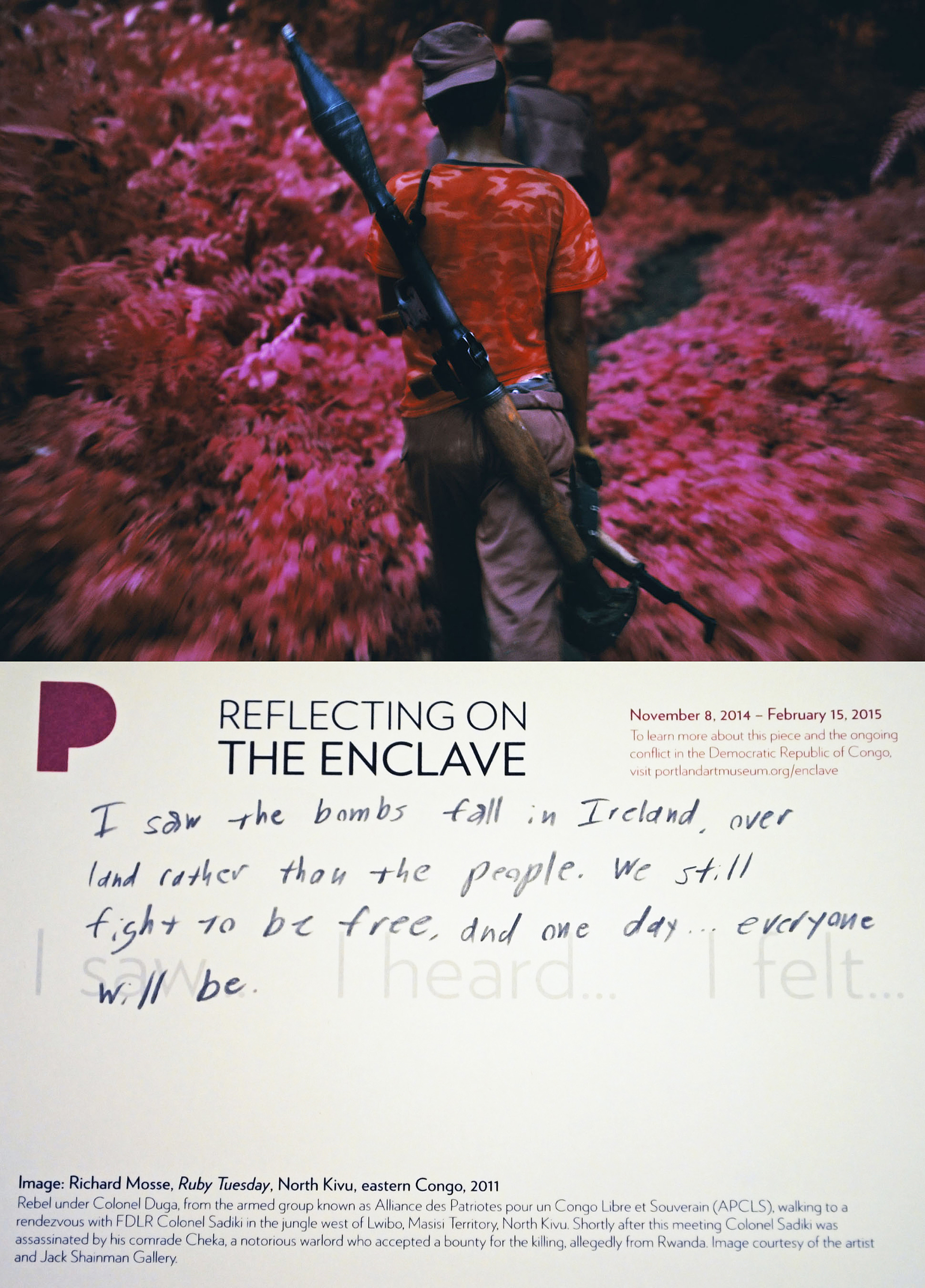


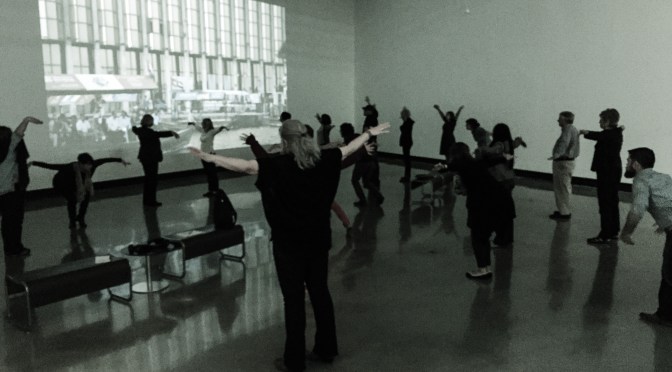
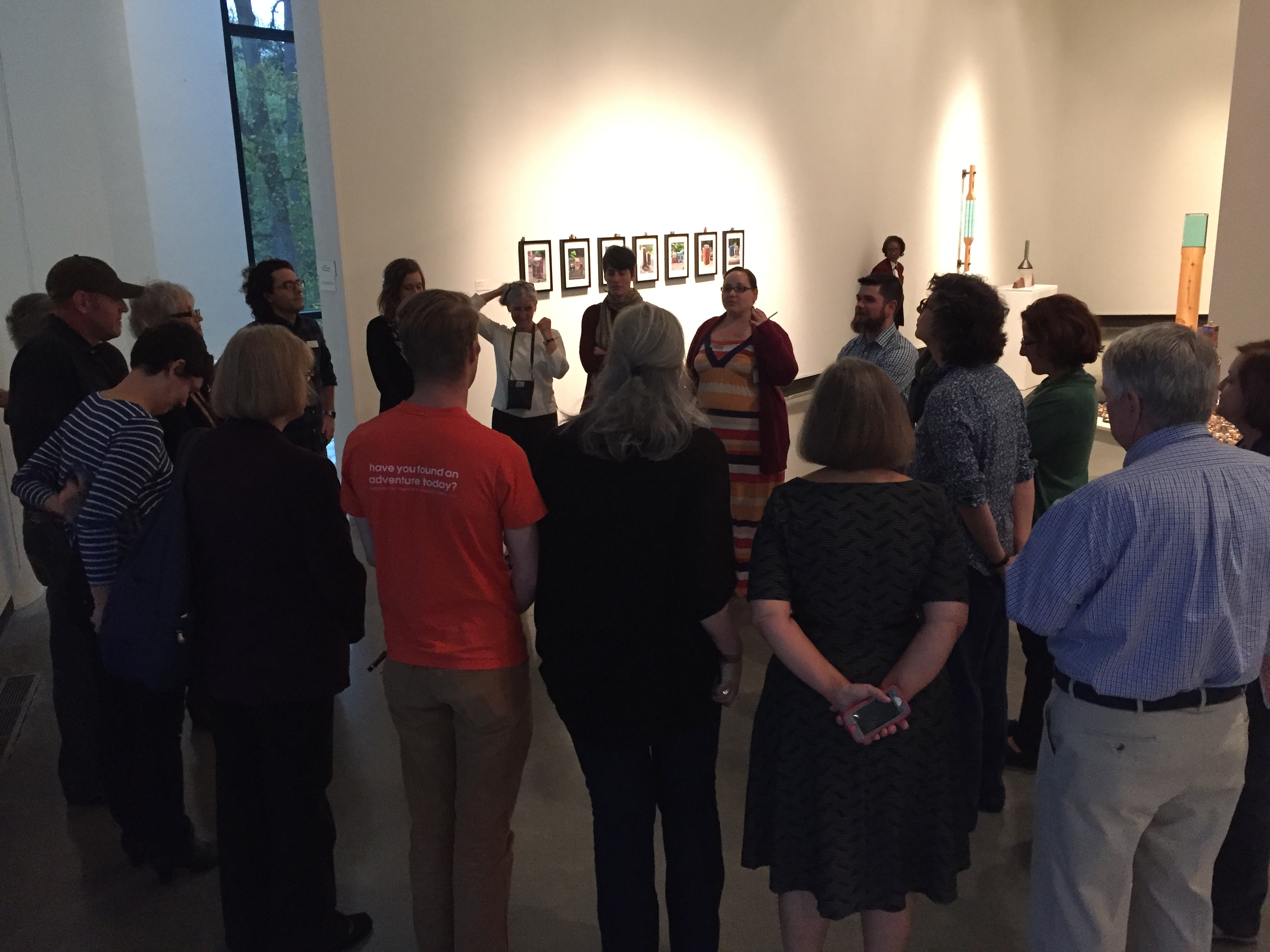

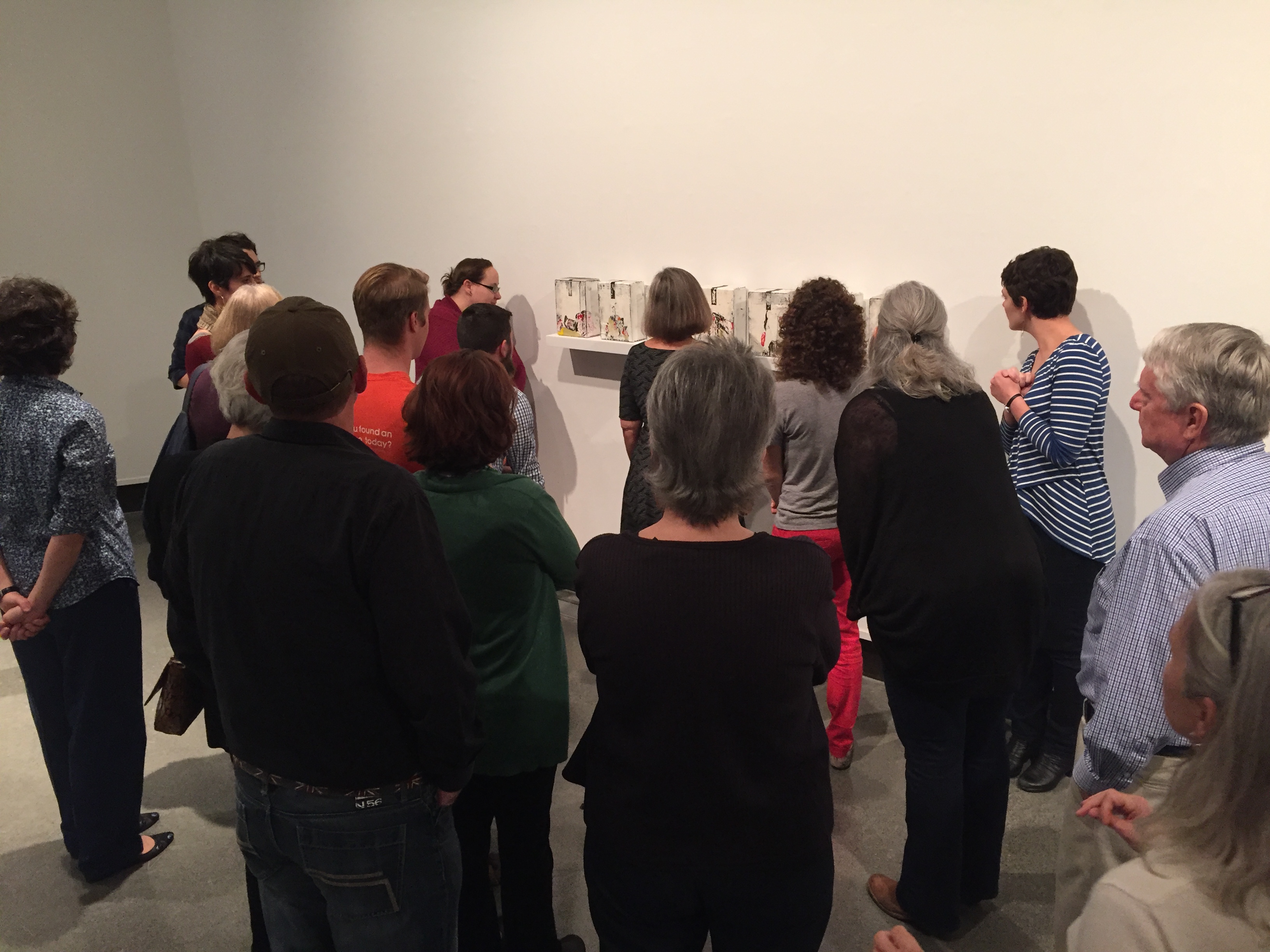
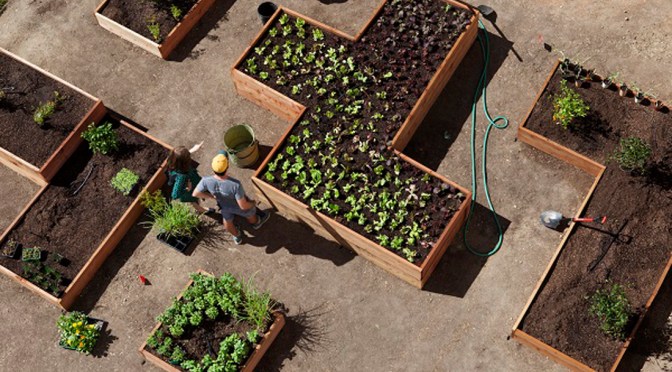

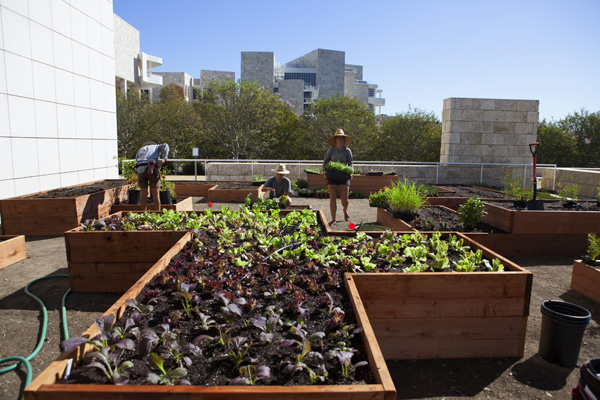
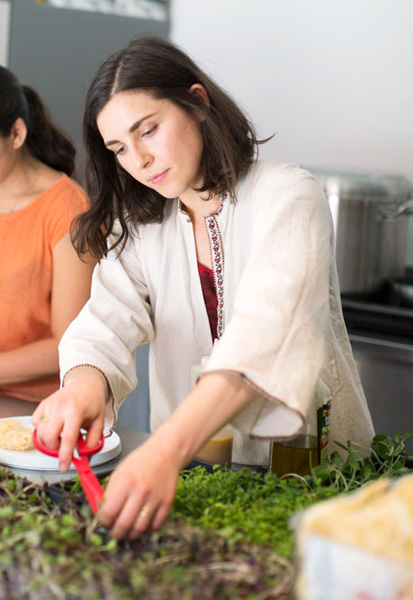
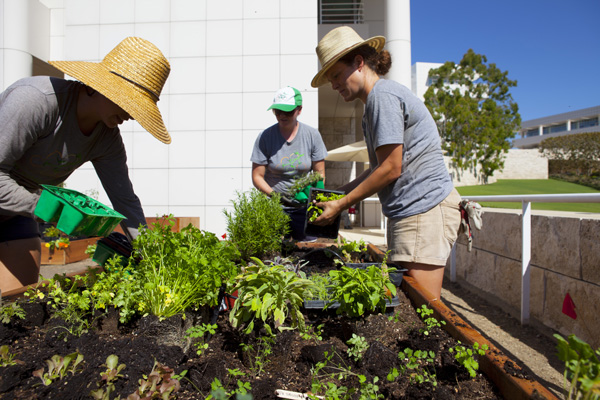
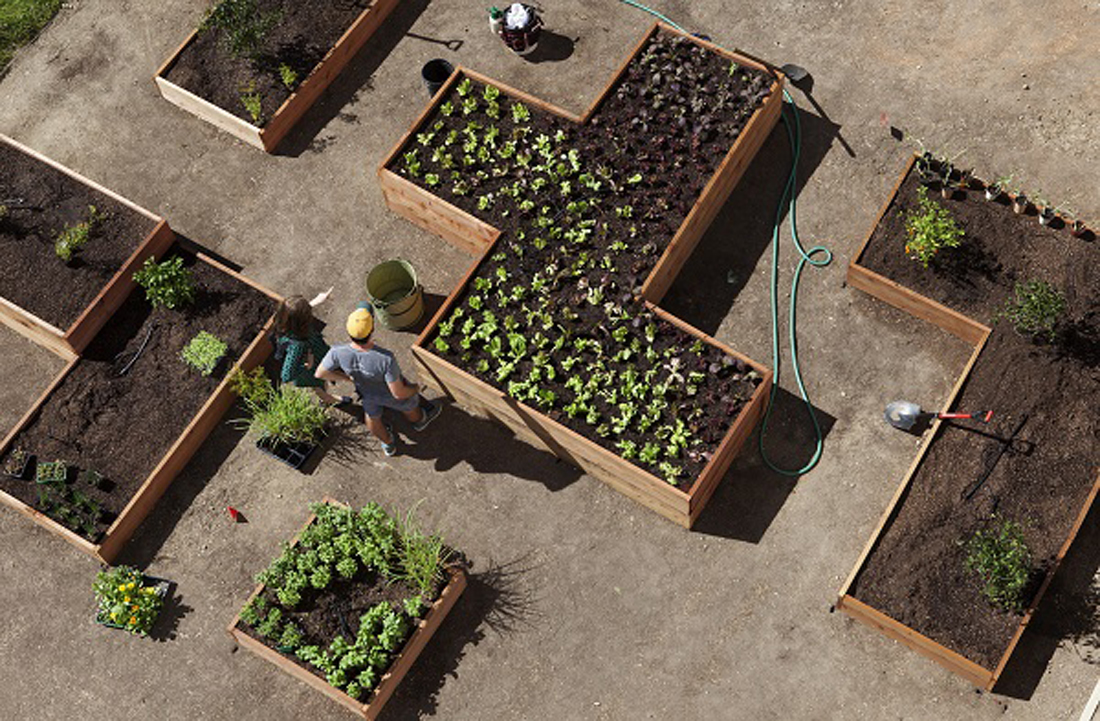
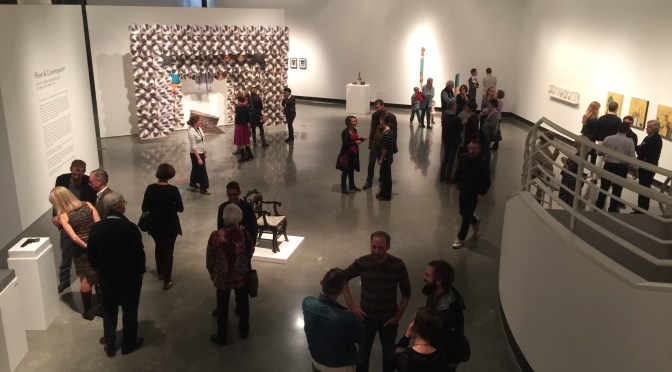


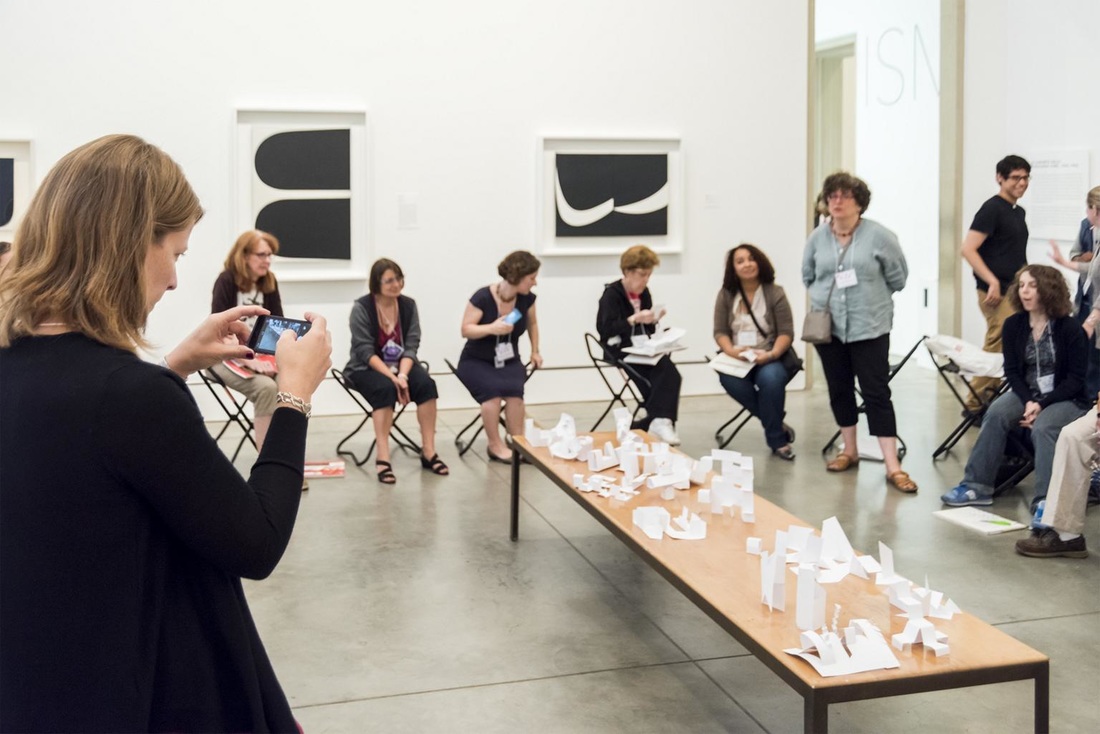
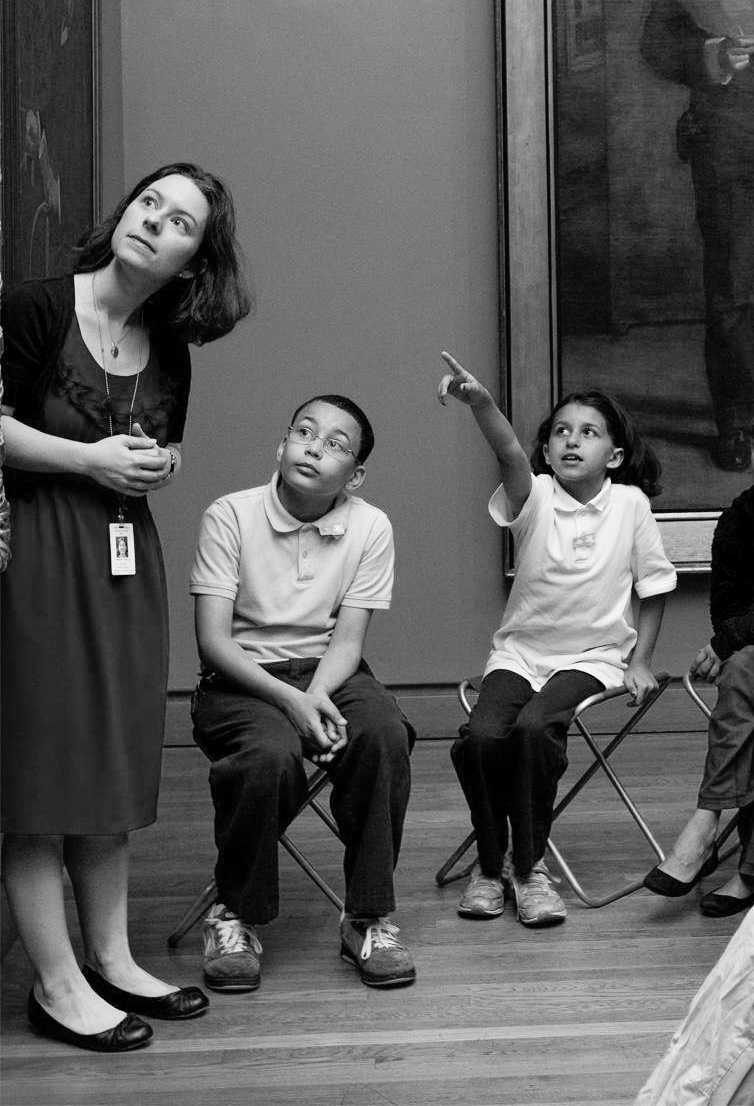


 Art Museum Teaching