As art museum educators, we get so wrapped up in our own practice and day-to-day work that there are many things we sometimes do not have time for. From writing that article we’ve always wanted to write to simply spending more time in the galleries looking at art, we can get so busy that these things speed past us. Too frequently, recognizing the work we do as educators also falls by the wayside. So I am calling on you to press the pause button for one moment and recognize the excellent work your peers are doing in the field. It’s time to recognize excellence in art museum education!
Nominate a colleague for the National Art Education Association Museum Division Awards! This is such a simple process, and you can nominate any current NAEA member for Regional Awards as well as the National Award. Here is what you need to do:
Take 5 minutes and think of someone who is making a difference in your work as a museum educator — whether they are a super supportive mentor, a transformative colleague, or an emerging educator whose hard work is deserving of recognition.
Contact them — shoot them an email saying that you think they simply ROCK, and that you would like to nominate them for an NAEA Museum Division Award (regional or national).
Write a short letter saying how great they are! What has been exemplary about their practice or their role in the field of museum education? What impact are they making at their institution; in their community; in the National Art Education Association? How have they pushed you to become a better educator? Please make them blush when they read it.
Ask your rock star nominee to fill out the short CV form (download here) and to select 2 people to write short, glowing letters of support. Again, this is usually very easy, since as a field we are all here to support each other and recognize excellence. Ask the nominee to have their support letters sent directly to you.
Submit this entire packet (nomination letter, CV form, and 2 letters of support) to Ben Garcia (ben.garcia@berkeley.edu) or myself, Mike Murawski (murawski27@gmail.com), no later than October 1st. Please don’t miss this deadline! We really want to consider your nomination and recognize excellence in your colleagues.
Over the past 30 years, the National Art Education Association has recognized excellence in nearly 150 museum educators that are members of NAEA, many of them are mentors and colleagues that we have had the pleasure of working with or continue to work with now. The list includes “movers and shakers” in our field, but also the quiet, modest, yet powerful educators who would not have been recognized without being nominated by someone like yourself.
So take the time to recognize the excellent and transformative work happening in our field, and nominate someone for an NAEA Award!
If you have any questions at all, or need help with this process, do not hesitate to email me at murawski27@gmail.com or Ben Garcia at ben.garcia@berkeley.edu. Remember that the deadline for submitting nominations is October 1st!
“For arts marketers, it’s no secret that the engagement models of yesterday are being cast off in favor of fresh, bold ideas to boost audience development and revenue. If we’re keeping track, however, some of the new approaches that have been successful for organizations across the country would have seemed downright weird in decades past. Inviting naked cyclists into a museum to find new audiences? Bringing art to the local laundromat to promote community dialogues? Bringing random strangers together to interpret permanent collection pieces? These concepts may seem bold, but for [these 3 organizations], weird strategies like these have fostered an organizational culture that draws in the community and gives patrons an experience they won’t soon forget.”
Hack the Museum 2.0
Hack the Museum
Should anyone be surprised to find Nina Simon and the Santa Cruz Museum of Art & History at the top of the list of experimental, participatory organizations? I mean, she wrote the book on this type of work … literally. But instead of getting into a rut or taking any easy routes, Nina continues to lead her institution as a pioneer of participatory practice. And, more importantly, she is working to support and scaffold this type of work well beyond the walls of her museum — this summer’s “Hack the Museum Camp” brought together 75 creative and museum professionals for 48 hours to create a museum exhibition that challenges the way people think about displaying the art, history, and the heart of Santa Cruz.
Through this experience, the Museum of Art & History becomes a petri dish for participatory practice that is inevitably expanding to artistic and institutional practice far outside of the ‘innovative sunshine’ of California. The camp’s website nicely sums up the “Why”:
“To invite unusual collaborations, to give people a space to test out their craziest dreams, to push professionals to do something quickly, to encourage experimental thinking and prototyping.”
Wash Clothes, Make Art, Build Community: The Laundromat Project
I was truly inspired by the report’s feature on the Laundromat Project, a unique project that brings engaging, community-responsive art and artists into local coin-op laundromats across Greater New York City. As Rise Wilson, founder and creator, describes, the project focuses on bringing art to where the people are, and thinking about laundromats as unique community gathering spaces.
Not only are people across New York engaging in arts experiences as they wait for their wash cycle to end, but these neighborhood locations become creative spaces with the transformative potential to bring out new conversations, relationships, and a meaningful form of public art practice that spills out across the community.
“The power to harness our own imaginations is connected to a sense of freedom and agency to make the change we want in the world,” states LP Executive Director Kemi Ilesanmi. “Creativity is the engine, and we are together, with our neighbors, trying to make the world a more just and artful place one creative, unconventional, and artful intervention at a time.”
On Naked Ambition: Portland Art Museum
I vividly remember that night back in June when nearly 10,000 stripped-down cyclists converged in the park directly adjacent to the Portland Art Museum, preparing to launch the world’s largest World Naked Bike Ride to date. Instead of keeping its doors closed (which was tempting for various reasons), the Museum made the bold decision to not only open to the public that night, but to embrace the community energy and “weirdness” that is the World Naked Bike Ride.
Scantily-clad cyclists entered the Museum for $1 per item of clothing, and many (for obvious reasons) entered for free. As chance would have it, this was also the opening day for the Museum’s summer exhibitions Cyclepedia: Iconic Bike Design and Gaston Lachaise (in case you don’t know Lachaise’s work, we’re talking some monumental nude figures). 1,000 naked or mostly-naked cyclists entered the Museum from 8-10pm that night, and aside from averting my eyes as much as possible, I was reminded why I love the Portland Art Museum.
The Cyclepedia exhibition itself was a focused effort to engage in community collaborations outside of the “weirdness” of the Naked Bike Ride, with the Museum partnering with 26 organizations, bringing 40 programs to the Museum and the region, and connecting with bike builders, designers, collectors, and cycling enthusiasts across the Northwest and the globe. We brought local bicycle designers’ voices into the galleries through the Object Stories project (which can be found by searching for “Bicycle” here), and hosted a series of Summer Joy Rides that had groups exploring art and bicycle culture via community bike rides.
As the NAMP e-book declares, if any town in the US truly captures the spirit of the “weird,” it’s the artistic, DIY-loving city of Portland. And I can say, after being here for almost a year, nothing could be more true. The Museum is dedicated to relinquishing control and gaining broader community involvement, as well as experimenting with participatory engagement and social practice with programming like Shine a Light (no doubt I’ll write more on this in the coming months).
* * * * *
Karina Mangu-Ward, Director of Activating Inovation at EmcArts, pinpoints the change she sees happening across the arts non-profit sector:
“We see art organizations shifting from seeing themselves as producers of content to seeing themselves as platforms for engagement. This is a huge shift; one that requires a letting go of old ways of doing things and has profoundly exciting implications for organizations and the field.”
I know that this is happening in countless organizations across the US and the globe. Tell us about how your organization is getting “weird” or paving the path for more unconventional, risk-taking work? What changes have you seen in your organization recently that are providing space for meaningful participatory practice and playful thinking?
We recently discovered that museum educators certainly do have the time to read books! This past July, a group of us participated in the inaugural ArtMuseumTeaching Online Book Club to look at the new book Museums and Communities: Curators, Collections, and Collaboration(2013), edited by Viv Golding and Wayne Modest. With student-centred and community-centred practice at the core of what we do as museum educators, the book raised lots of ideas in relation to theory and practice and how different roles across the museum consider or enact participatory practice.
For our second Online Book Club, we thought it might be a good idea to visit (or for many of us, re-visit) a classic textLearning in the Museum (1998) by George Hein, Professor Emeritus at Lesley University, Cambridge, MA. In this pivotal book, Hein presented an overview of the traditions and history of museum education, and developed a key framework for understanding educational theories as well as making connections with visitor studies research. Hein raised education and visitor experience as important considerations for museum professionals overall as museums are forced to “justify their existence”.
View the video archive below of the October 1st On Air Google Hangout with Michelle Grohe (Isabella Stuart Gardner Museum) and myself.
Some provocations for readers as we near the Online Book Club discussion:
Does Learning in the Museum influence the practice of museum educators today? How so? Are we still in a position of having to “justify [our] existence”?
Have new learning theories emerged from within art museum education research and practice since the book was written? Did Hein pave the way for this thinking?
Does ‘education’ and ‘constructivism’ have a specific meaning for museum educators? Does meaning change across the organisation?
Have art museums changed to become constructivist-learning spaces for visitors as Hein advocates? Can we share examples from our practice to demonstrate this?
You can also check out a great Q&A with George Hein posted on the Getty’s blog while he served as their Guest Scholar back in 2011.
We would love to know if or how your practice today connects to the ideas outlined in Hein’s book (now 15 years old). Then help us to decide if this book deserves ‘classic’ status!
To learn about this and future Google Hangouts and Online Book Club discussions hosted via ArtMuseumTeaching.com, join the Art Museum Teaching Google Community.
Read on!
Note: Thanks to everyone who participated in the October 1st Online Book Club Hangout. Here is a link to the video archive:
Unknown individual plays the piano on site at the Portland Art Museum. Photo by Benji Vurong.
As a museum educator, I enjoy the elements of random surprise and creative disruption that can creep into museum practice. Experiencing the unexpected, especially in the space of a museum, can be such a rewarding thing. Back in late July, I had such an experience here at my own museum as I walked up one morning for work and heard a piano playing … and it was coming from the Museum’s outdoor sculpture courtyard. As I rounded the corner, I was surprised to see a piano sitting right there outside the Museum. The person playing the piano was truly fantastic, and a small group of people had gathered to listen — I assume that most were walking across downtown when they were drawn in by the sound of the piano.
I sat with the group for about 10 minutes, and then headed to my office with a few questions burning in my head: “Why is there a piano here at the Museum?” “How could I learn more?” “Would there be any way to keep the piano here?” I was so intrigued by how much this simple piano could activate and transform this small, public urban space.
I quickly learned that a local project called “Piano Push Play” had contacted the Portland Art Museum about placing one of their public pianos here. The project has been working this summer to place a series of pianos in public locations across downtown Portland — with the pianos generously provided by the Snowman Foundation, a music education non-profit organization based here in Portland that helps kids in need get the instruments, instruction, and inspiration they need to develop their musical and creative talents. “Piano Push Play” was founded to give the public more opportunities to see, hear, and enjoy the piano being played in outdoor spaces. And, as local project founder Megan McGeorge notes (and I heartily agree), these pop-up piano locations are “a bright spot of surprise in people’s day.”
McGeorge started the “Piano Push Play” project after experiencing “Play Me, I’m Yours” in New York City, a project developed by British artist Luke Jerram. According to his project’s website, Jerram’s street piano project has reached over three million people worldwide, with more than 800 pianos having been installed in 35 cities across the globe, from New York to London. Located in public parks, bus shelters and train stations, outside galleries and markets, and even on bridges and ferries, Jerram’s project makes pianos available for any member of the public to play and enjoy. Who plays them and how long they remain on the streets is up to each community. Many pianos are personalized and decorated by artists or the local community. According to Jerram, by creating a place of exchange, “Play Me, I’m Yours” invites the public to engage with, activate, and take ownership of their urban environment.
“Play Me, I’m Yours” at the Art Museum
As I started to search for more information about Jerram’s larger street piano project, I quickly found that many other art museums were hosting public pianos. For the weekend of Earth Day back in April 2012, the Los Angeles County Museum of Art had a “Play Me I’m Yours” public piano decorated by artist Frank Cubillos. As the LA Times noted in an article about Jerram’s street music project:
“The point is simple: Bring communities together through random acts of public music.”
“Play Me, I’m Yours” at the Cleveland Museum of Art, decorated like their famous Monet “Water Lilies” painting. Photo from http://www.streetpianos.com/cleveland2013
The Utah Museum of Contemporary Art also hosted “Play Me, I’m Yours” during 2 weeks in June 2012, with 10 pianos decorated by a series of Utah contemporary artists that were placed in public spaces across Salt Lake City including UMOCA. This summer, the Cleveland Museum of Art has jumped onto Jerram’s project — in conjunction with their celebration of the 2013 Cleveland International Piano Competition (CIPC) being held at the museum. CIPC and Case Western Reserve University are presenting Play Me, I’m Yours Cleveland, which includes a piano decorated like the Cleveland Museum of Art’s Monet Water Lilies panel that was available to play through August 18, 2013. Later this fall, as part of celebrating the 75th season of Boston’s Celebrity Series, the organization has decided to partner with Jerram to bring this public street piano installation to Boston, including a piano sited at the Boston Museum of Fine Arts this fall from September 27 to October 14, 2013. These are just a few of the art museums that have decided to get involved with “Play Me, I’m Yours,” and I’m sure there are many other art museums connected to this project or hosting public pianos outside of Jerram’s network.
Here at the Portland Art Museum, Megan McGeorge’s own “Piano Push Play” project has been drawing in lots of people in play, listen, interact with each other, and even learn about some of the organizations involved in expanding music education and access to instruments here in the Pacific Northwest. “We believe that simply by exposing people to the visual and auditory experience of a fellow human playing the piano, we are reminded of how magical and vital music is to our community,” says McGeorge, in a recent interview with OPB. “Thanks to a partnership with our organization, and our generous sponsors Portland Piano Company and West Coast Piano Moving and Storage, we are able to bring together the components of community, kids and music to the streets of Portland,” added Michael Allen Harrison, founder of The Snowman Foundation.
On several Fridays since the piano was installed at the Portland Art Museum back in late July, there have been concerts with additional instruments and noteworthy performers (the best way to find updated information is on the “Piano Push Play” Facebook page — especially since a lot of the programming is of the ‘pop-up’ variety). But the best way to experience this project is just to walk by and experience the music, the people, and the energy of this space. It is a great way for museums to continue to let go, to have community members creating and sharing artistic expressions, and to put community members at the center of a certain form of public engagement and programming.
The pianos in these projects stay in location as long as the community can support it (in terms of the cost of tuning and any maintenance needed to keep it sounding good). Through the generosity of several individuals, the piano has remained at the Portland Art Museum for several weeks past its original 12-day time slot. If you are interested in further supporting this piano, you can go to their WePay.com site by clicking on this link and find more information there.
Public Pianos as a Site of Exchange
Beyond simply having a public piano for people to play, this project intrigued me in terms of how it reactivated and energized the outdoor space between the buildings of the Portland Art Museum. And each time I stop by the piano, I am struck by the people gathered around, talking to each other and listening together. “Piano Push Play” certainly turns this public space into a site of exchange, where people meet who might never cross paths any other way in Portland.
I spoke with Megan McGeorge recently about this project, and she mentioned the powerful social and community-building element of street pianos. McGeorge, who plays at the piano herself fairly regularly, remarked, “I’ve met so many people I would have not met otherwise; playing is a great way to start a conversation.” One of the photos she shared with me (below) shows two strangers named “Safety Jack” and JB. They had never met before, but came to this piano and were teaching one another songs that they each knew.
Two strangers meet and share songs at the Portland Art Museum. Photo by Benji Vurong.
Do others’ have experience with public or street music projects like this in conjunction with a museum? Is this type of project relevant to the work of museums? How might museums play a stronger role in community-based projects like this that bring people together around arts and creativity? What would a similar project look like in the visual arts? As always, I welcome your feedback, thoughts, and comments. And perhaps you will have the opportunity to participate in “Play Me I’m Yours” or “Piano Push Play” here in Portland or in your own city. PLEASE play!
As John Dewey was integrating museum visits and other object-based experiences into his Lab Schools at the University of Chicago, Helen Parkhurst was incorporating similar principles into what would become the foundation of The Dalton School in New York City. Dalton is still committed to interactive teaching and learning in museum settings; witness my particular position as art museum educator and resident art historian within a larger Museum Program. In close collaboration with classroom teachers and other specialists, both inside and outside the school, the program integrates objects and images into the existing K-12 academic curriculum (especially in social studies and history). At the same time, it weaves age-appropriate methods and questions of art history across the school. My experiences at Dalton over the past 15 years resonate with new directions in art museum education, as the latter begins to explore its shared roots with progressive schools.
Archaeological Analysis with iPads at the Met
Third graders with iPads in the European Painting Galleries at The Metropolitan Museum of Art (Photo courtesy S. Brudnick).
Third grade doesn’t get any better than an archaeological dig. Even a simulated dig, chock full of museum replicas and flea market finds that only look like they belong to the Age of Exploration. The challenge is keeping the analysis of the finds as engaging as their recovery. In one strategy, the students revisit the Met to find comparative materials with which to determine the possible place of production of their artifacts. Using iPads to document their finds, students rely on attributes of material, shape, and style: the bend of a tree trunk, the outstretched wings of a bird, the sense of spatial illusion.
Such authentic analogies raise the level of inquiry. For example, were the artifacts from a century palace at Kashgar made locally (in Central Asia), or had they been imported from elsewhere? Why are there Chinese-style cranes on an inscribed Persian tile? By mapping their museum parallels, the students start to reconstruct the nature of exchange along the Silk Road in the time of Columbus. Their finds convince them that Kashgar was a major player in a trade network that stretched from Italy to China. The students take ownership of a history they created from the ground up. While the archaeology provides the initial motivation, an authentic visual analysis sustains it. The use of art museum replicas as primary visual resources in school (whether excavated or not, whether high or low end) provides obvious opportunities for integrated museum visits, or for similar work with online collections.
Rolling Ancient Cylinder Seals at the Morgan Library
A student’s rolling of an ancient Sumerian cylinder seal. The Morgan Library and Museum (Photo courtesy of I. Donnelly)
While the Met meets most of our needs most of the time (in terms of collection, proximity, and access), the smaller institutions can nevertheless offer more direct experiences with objects and curators. For example, a curator at The Morgan Library offers our fifth graders a remarkable opportunity with cylinder seals from ancient Iraq (ca. 3000-5000 BCE). He lets the students roll an ancient seal across damp clay to create a continuous impression of the engraved design.
What makes this experience so humbling, rather than excessive, is the degree to which it is informed by a classroom curriculum. The students arrive at the Library familiar with the iconography and function of cylinder seals in antiquity, including, for example, the way they were used to mark tablets as signs of authority. We are always delighted (but never surprised) to see the seal-bearing students quiver as they are transported back in time, knowing they are using the same object a Sumerian or Babylonian official did 3000 to 5000 years ago.
Mesopotamia Day at the University of Pennsylvania Museum
The University of Pennsylvania Museum of Archaeology & Anthropology offers a different sort of experience for our fifth graders. It is based on the museum’s renowned position at the forefront of archaeological and academic research about the ancient Near East; as well as an unusual collaboration among a number of individuals at several institutions. The excursion is organized along the lines of a junior academic conference, in which students have direct access to objects, scholars, and ancient methods of production. In one session, scholars let students handle ancient cuneiform tablets before teaching them how to make one of their own.
A cuneiform tablet made by a Dalton fifth grader at The University of Pennsylvania Museum (Photo Courtesy P. McElfresh)
One memorable moment has students passing around an ancient school tablet, used to practice making cuneiform signs on clay. They notice odd impressions along one edge. Are they ancient numbers? Is it damage? Finally, one student recognizes them as teeth marks! Indeed, a physical anthropologist had already attributed them to the teeth of a ten-year old. Suddenly, our fifth graders could identify with a scribal student who lived 4000 years ago, thinking of those moments of frustration when they leave similar teeth marks on pencils.
In another session, the students explore ancient technology with a curator from the Met, who traveled with us. They reconstruct ancient gold-working techniques by examining artifacts on display, side by side with the curator’s own microscopic photographs of the same finds. Her new photographs had been loaded onto iPads for the visit. The University of Pennsylvania Museum activities make lasting impacts on both the students and the scholars alike. For the former, it authenticates their curriculum through the lens of experiential archaeology and current research. For the latter, it challenges them to re-think their conceptions of K-12 teaching, as they interact with 100 young learners who, they admit, are more engaged by the material than many adult audiences they encounter.
I share these few museum visits — a sample of many dozens undertaken at Dalton each year — with a personal sense of excitement about the future of art museum teaching. I am encouraged to think that the recent turn by art museum educators can include renewed collaborations with progressive school educators. Our mutual interest in making visual materials accessible to a contemporary audience begs for the sort of collaboration, finally, that enriched progressive education at the turn of the 20th century. Granted, we face a challenge inconceivable in the time of John Dewey and Louise Connelly: how to take advantage of new computer technologies without compromising the direct experience with works of art.
About the Author
MICHELLE MARCUS earned her Ph.D. in Art History from the University of Pennsylvania. Before taking on the position of resident art historian and museum educator at The Dalton School in New York, she split her time between college teaching, curatorial consulting, and writing about the art and archaeology of the ancient Near East. Her research and publications have been supported by grants from the Metropolitan Museum of Art, the Getty Foundation, the Mellon Foundation, and the National Endowment for the Humanities. More recently, she has been speaking and writing about using images to teach history on the K-12 level. Beta grants from AMICO and Artstor supported her early efforts to use digital art images at Dalton.
I don’t know if it was attending the Museums & the Web conference back in April or just simply recognizing the amount of time I spend navigating technology issues in the museum, but I recently have had a good old-fashioned “freak out” when it comes to museum tech. Touch screens, apps, MOOCs, mobile-optimized web design, iPad tours, Hangouts, social media, photo sharing, Vine, Instagram, YouTube … EEK!
The budgets and staff support for technology at museums seem to be growing and growing, with some museums investing more in a single technology project than other museums have in their entire annual operating budget. I’ve certainly been an advocate for this shift in 21st century museums — don’t get me wrong. As a museum blogger but also as a Director of Education, I have truly come to understand and appreciate the benefits of online engagement and the use of technology for interpretation and learning. But when I head into the galleries to facilitate a learning experience, technology often falls away and I find myself focusing entirely on the analog elements of museum teaching.
Earlier this year, I was invited to give a public talk at the Museum of Contemporary Art in San Diego as part of their “Outside Perspectives” program, so I decided to grapple with this issue in a public forum. The main risk here was that I have not fully formed my own ideas and position about the role of technology in museum teaching and learning — but I was excited to throw out a series of raw questions and spark a conversation that would no doubt help me shape my own ideas and thinking. Here is a link to the SlideShare of my PowerPoint:
The title of the talk kicked everything off with a rather false dichotomy between “plugged in” and “unplugged” museum experiences and the preferences museum visitors might have — even assuming that these experiences are separable in some way. But the real core questions I wanted to deal with were:
Are we becoming too reliant on technology in museum education?
As we focus more and more on digital and online experiencea, are we sacrificing any of the human-centered elements that have been at the core of museum education for more than a century?
If your museum lost power, how would that affect the learning experience in the galleries and across programming?
During my visit to the MCA San Diego, they had the Lifelike exhibition on view at their La Jolla building. So in preparation for my talk, I took some time to explore the online and digital side of people’s experiences with this exhibition — even adding my own Instagram photos and Vine videos to the mix — and presented these incredible layers as part of my talk about the “plugged in” experience. I also brought in to the conversation a series of technology projects gaining attention in recent years, including Google Art Project, online courses and Google Hangouts via museums like MoMA, the Cleveland Museum of Art’s Gallery One and the ArtLens app (showing this project always gets some oohs and aahs), and the Rijksmuseum’s new website.
During my talk at MCASD, I stopped to open the floor for conversation and audience thoughts about the balance between plugged-in and unplugged engagement in museums, and whether we rely too much on technology. And even after presenting a series of eye-popping, meaningful, transformative technology-based projects and experiences in museums, the audience largely seemed to place more value on the analog and non-technology-based social experiences they have (or develop as educators) in museums. And I am reminded of the human core of my own gallery teaching practice — a core that was highlighted so perfectly by Briley Rasmussen’s post on this site last year after the Getty’s decision to cut its education teaching staff. In her post, Briley boldly states:
“When art museums support their collections through personal human interactions, … moments of humanness and ‘unselfing’ occur. This is when our collections shine and are the most profound. This is when we have real public value.”
So with these raw questions laid out, I’m curious about other people’s thoughts. Are museums becoming too reliant on technology and the internet? Are we sacrificing any of our core values as we dedicate more and more resources and staff to technology initiatives? How can we create a meaningful balance between the “unplugged” and the “plugged in” as we move forward into the 21st century? Join the conversation below.
As museum educators, we’re always trying to get visitors to slow down, but sometimes we have a more immediate task, convincing them that they are in fact looking at a work of art. Recently three New York City educators got together and talked about the most common “Is this art?” situations we’ve encountered.
Rachel Crumpler on Jackson Pollock: “My four-year-old could do that.”
Before you stop reading, let me acknowledge – yes, I have chosen a cliché. My intention is to use Pollock as a stand-in, a canonical example, of any number of more process-based works. For instance: Kazou Shiraga’s slippery barefoot paintings, Zarina’s meticulous Pin Drawings, Franz Kline’s definitive brushstrokes, or even John Chamberlain’s crunched-up cars. These works often challenge viewers’ preconceptions about what kind of art they will (or should) see hanging on the walls of the museum.
The responses vary, ranging from “My four-year-old could do that” to “It looks like scribble-scrabble, finger painting, a car wreck, a big mess.” Or the hardest response for an educator to field: the uncomfortable polite silence punctuated with a quick roll of the eye or a smirk shared between friends. Once uttered, perhaps coaxed forth, responses invariably question the artist’s skill and the overall value of the artwork. (Confession: I still have to take a deep breath and remind myself not to get annoyed when a visitor sneers and likens an artist to a four-year-old, insulting some of my favorite children as well as some of my favorite artists.) In fact, these comments are often coming from visitors who feel affronted by the unexpected and are responding defensively.
Many of the initial comments a Pollock (or any process-based work) elicits refer to how the painting was made – and also often indicate a hesitation to accept the work as art. Though stated defensively, these comments are not entirely off base. I think it’s important to first acknowledge and accept the hesitation. That’s something I love about museums. There is always some artwork that makes me uncomfortable, that challenges my own definition of what art can be. In his time, Jackson Pollock was pushing the envelope; with his artwork, he was asking questions about how art should look and how art can be made.
Conversations in museums, thankfully, are not meant to appraise the quality of the artworks viewed, but rather to unpack the inherent ideas. After recognizing the broader questions of value and defining art, leaving them open for discussion, I would want to ground the conversation in the artwork at hand. For Pollock, I would want to return to the implicit observations made in the initial comments and how they relate to the creative process. What about the painting makes it look like scribbling, finger painting, a mess? Where, specifically, in the painting do you see that?
The ensuing conversation will vary, depending on who is taking part and what the original comments were; any number of approaches could move the discussion forward.
I might show some of Pollock’s earlier and more representational work from his years with the Art Students League. Looking at the two works side by side silently states that the abstraction is a choice, not a matter of ability. I might ask the group how the two would be different to make. Or I might share that Pollock lived with his wife Lee Krasner in a farmhouse on Long Island. He would spread his canvases out on the floor of his large studio, and using brushes, sticks and sometimes a turkey baster loaded with house paint, he would begin to squirt, pour and drip onto the floor. I might ask the group to see if they can identify the painting’s starting and ending points. Alternately, I might ask the group to envision a four-year-olds drawing and compare it to the Pollock – how do the two differ, and what do they share in common?
The differences found in the all-over painting style may point to Pollock’s control of the paint and academic knowledge of composition. The similarities, however, might allow for greater understanding of Pollock’s process and more nuanced interpretations of his work. In fact, the response “my four-year-old could do that” may be more insightful than the participant (or educator) realizes.
Four-year-olds, still learning language and ways to interact with other humans, often express themselves physically. Anger is communicated through clenched fists and stomping feet; sadness, through a down-turned glance or the curl of the spine. And sometimes, it just feels good to run. For a four-year-old, movement is a primary means of engaging with the world. Likewise, Pollock chose to engage with the canvas through movement. Rather than communicating through recognizable images, he dripped, dribbled, spilled and splattered the paint in a dizzying dance across his studio floor. The painting we see can be read as the aftermath, a record of the artist’s intuitive physical expression.
Jen Oleniczak on Kiki Smith: “That’s disgusting, how is it art?”
Beauty is in the eye of the beholder. Describing something as beautiful is as benign as saying your day is ‘fine’ – neither offer information and both are frustrating without more information. The same can be said for calling something disgusting – and much like asking why a day is just ‘fine’ asking why a person thinks something is disgusting often ends up with the retort of “because it just is.”
A more recent work by Kiki Smith entitled “Lilith,” 1994, Metropolitan Museum of Art. Photo by Smath.
Aesthetics are subjective, and much art can be overlooked because it is not outwardly ‘beautiful.’ Having the experience of teaching with classic and modern art, I’ve heard the “pfft, that’s disgusting” in front of works not traditionally ‘beautiful’. While it’s fairly easy to call a floral Rococo work ‘beautiful’ and ‘art’ – what about a gritty Kiki Smith?
My goal as an educator is not only to have visitors appreciate craft in a work that isn’t traditionally ‘beautiful,’ but also to understand the art AND beauty is often in the idea, as well as the work. Kiki Smith’s Tale encompasses that very balance. Smith is known for her representations of the body, usually altered in gasp-inducing ways. Tale is a sculpture of a woman crawling on the ground with a long trail of feces (fake) following behind her – admittedly, a bit cringe worthy, even for the savviest of art viewers. and easily something a visitor could dismiss as disgusting. But when examined closer, the work, like all of Smith’s body works, is brilliantly complex.
When in doubt, I bring out the inquiry guns for students and adults alike. Just the title of the work, Tale, provokes the question: why do you think Smith used Tale and not Tail? What could the title imply? A quote from Smith herself opens the conversation further:
The Tale piece was about kind of shame and humiliation about something – like that you’re dragging this sort of internal personal garbage around with you all the time. And also the shame and humiliation of not being able to hide it, that it’s so apparent in one’s own being. (as cited in NPR “Artist Kiki Smith: A Profile”)
Just those brief questions and an artist quote allow the work to gain a life – and let people stop and think about the ideas behind a work of art. Everyone has personal ‘garbage’ and that new connection between art and life is exposed with Smith’s quote. The work becomes an experience and the idea behind it becomes intriguing, thought-provoking and even beautiful.
Shannon Murphy on Isamu Noguchi’s Akaris: “I got the same thing from Ikea.”
Yes, Ikea sells beautiful paper lanterns, and it’s jarring to see a similar object in a museum. Isamu Noguchi’s version of the paper lantern, the Akari, has been knocked off since he began designing them in the early 1950s. I frequently meet visitors who get snarky upon seeing one during a tour. They are understandably suspicious of my “tour,” especially if it ends at the gift shop where they can purchase an Akari. Yet, this is the very reason why I love the Akaris. You can take a sculpture home. If you don’t actually want one, the concept alone is worth investigating more — high art specifically made to be affordable.
Isamu Noguchi seated with three Akari, c. 1950s. Image Courtesy of The Noguchi Museum
I understand how some of the mystique can be lost when it’s possible to take home the work of art, especially when it comes with an on/off switch. As an educator, I invite visitors first to consider how the Akari is different from the Ikea lamp. If the soft glow of the handmade paper doesn’t capture them, I invite them to look inside and inspect the hand-crafted bamboo armature. Then, I like to share the story of the object to place it in a historical context. Akaris were conceived in 1951 when Noguchi was visiting a small town in Japan called Gifu. The mayor of the town asked Noguchi to re-design the traditional paper lantern. Noguchi went to work and designed hundreds of Akaris in various abstract shapes. The story continues for decades as Noguchi struggled to exhibit Akaris as fine art, while still selling them at a reasonable price. The struggle is often said to have cost him a Grand Prize at the 1986 Venice Biennale where he insisted on exhibiting the Akaris along with his stone and metal sculptures. Much to Noguchi’s dismay, the Akaris were stuck in a realm of applied art.
Sometimes, the artist’s words resonate with visitors. Noguchi said “Call it sculpture when it moves you so.” The Akaris were, “the one thing I’ve done out of pure love . . . nothing to do with commerce.” Saying the word “love,” while looking at a glowing light and knowing there was a history of struggle wins visitors over every time. Money! And then with a wry smile, I remind my group that the Akaris are sold downstairs in the shop. I tell them that it won’t last forever, the paper will one day begin to turn and the bamboo will give. Its authentic beauty does last for many years though, and it could be the last thing you see before you go to bed every night. Try that with Starry Night.
Which objects do you find people asking “Is this art?” How have you handled it? We’d love for everyone to share their stories here.
* * * * * *
ABOUT THESE 3 NEW YORK CITY EDUCATORS
RACHEL CRUMPLER works as a museum educator for the Solomon R. Guggenheim Museum, Noguchi Museum and Whitney Museum of American Art. She also teaches art classes for Foster Pride, a non-profit organization that provides free classes to children in the New York City foster care system. She holds a MA from Stony Brook University in Art Theory, History and Criticism. Rachel’s postings on this site are her own and do not necessarily represent the positions, strategies, or opinions of the Noguchi Museum, the Guggenheim Museum, or the Whitney Museum of American Art.
JEN OLENICZAK: Founder of The Engaging Educator, a NYC-based organization that specializes in theatre, improv, and movement workshops and professional developments for educators. With a dual background in art history and theatre, Jen is also a museum educator, trained actor, and improviser. She’s worked as an educator with the Guggenheim Museum, Metropolitan Museum of Art, MoMA, Brooklyn Museum, The Frick Collection, Noguchi Museum, and New York Transit Museum. Jen keeps herself busy performing with National Comedy Theatre and searching for new delicious food spots. Jen’s postings on this site are her own and do not necessarily represent the positions, strategies, or opinions of the Noguchi Museum, the Guggenheim Museum, the Museum of Modern Art, or The Frick Collection.
SHANNON MURPHY: Currently teaches at the Noguchi Museum, the Guggenheim Museum, the Museum of Modern Art and the Cooper-Hewitt National Design Museum. She is constantly experimenting with new strategies to engage visitors and students with art. Shannon holds a BFA from the Rhode Island School of Design and is working on her MA at the City College of New York. In her free time she enjoys yoga, papermaking, and playing soccer with friends. Shannon’s postings on this site are her own and do not necessarily represent the positions, strategies, or opinions of the Noguchi Museum, the Guggenheim Museum, the Museum of Modern Art, or the Cooper-Hewitt National Design Museum.
While many of you may immediately be thinking “heck no … I never have time to read,” the answer is actually YES. And to prove it, ArtMuseumTeaching.com is launching a new Online Book Club. As educators and museum professionals, keeping our head buried at our desk or constantly busy in programs can only get us so far. And I know that many of us (including myself) struggle to carve out the time to read the publications coming out each month or even the classic texts of yester year. Perhaps we’re all too busy reading blogs (not entirely a bad thing). Not only is it hard to find the time to keep up with the reading, it may also be a challenge to find ways to make certain theoretical or academic texts relevant to our own practice and professional work on a day-to-day basis.
So let’s bring back the books! This summer, connect with current thinking and museum colleagues through a series of Google Hangout Book Club conversations that will bring a variety of ideas and questions to key publications in the field of museum education (past and present). These discussions will not simply “review” the book at hand, but focus on how what’s on our bookshelf can inform our practice. How do ideas forwarded by certain authors and scholars connect with our day-to-day programs and work in museums? What new ideas might be sparked from the pages of current or classic texts in museum learning?
The inaugural Online Book Club was held on July 8th at 3pm Pacific (6pm Eastern) focusing on the recent book Museums and Communities: Curators, Collections, and Collaboration(2013) edited by Viv Golding and Wayne Modest. For this discussion, ArtMuseumTeaching.com partnered with The Incluseum blog to take a deep dive into this collection of essays that explore the complex issues arising from recent approaches to collaboration between museums and their communities. The authors of this book outline a range of critical pedagogies and present important case studies that “challenge us to move beyond shallow notions that both elide the complexity of community identities and make simplistic claims to engagement by museums.”
As Viv Golding states in her introduction, this book explores best practice examples in detail to highlight how these provide “a better model of community collaboration” (3). In the chapter by Wayne Modest on youth participation and co-curating with teenagers, he addresses core thought-provoking questions such as:
“Who benefits from engagement, the museum or the community? How can we engage communities to their benefit? Who drives engagement, communities or the museum?”
Please view the video archive for this Hangout below — a great discussion about how the essays and case studies featured in its pages might connect to the work we’re doing on the ground in our museum or community.
To learn about future Google Hangouts and Online Book Club discussions hosted via ArtMuseumTeaching.com, you can join the Art Museum Teaching Google Community or follow me on Twitter (@murawski27).
Have ideas for other books we could feature in future Online Book Club discussions? Let us know in the Comments section below, and we’ll try to pull together a few more before the summer is over. We have some great ideas, so we’ll have more information available soon.
Read on!
Note: Thanks to everyone who participated in the July 8th Online Book Club Hangout. Here is a link to the video archive:
We look forward to continuing this exciting conversation as well as this series of Online Book Club discussion! Stay connected with the Art Museum Teaching Google Community to learn about upcoming discussions. And, as always, if you have any ideas for a future Hangout or online get-together, let me know and we can work to schedule here within the ArtMuseumTeaching.com community.
“Real isn’t how you are made. It’s a thing that happens to you.”
public domain image of the Skin Horse from Velveteen Rabbit
This year’s American Alliance of Museums (AAM) Annual Meeting wrapped up in Baltimore last week, but I’m still wrapping my mind around some of the ideas that came up in sessions and lively discussion (in person and via the Twitter hashtag #aam2013). Although the official theme was “The Power of Story”, I walked away thinking that another fitting tagline could have been the above quote from that classic of children’s literature, The Velveteen Rabbit, shared as wisdom from the Skin Horse to the titular lagomorph.
The idea of realness and how that matters in a museum context was on people’s minds throughout the conference, enough that it had a whole session dedicated to it on the first day. “Is It Real? Who Cares?” brought together a group of museum professionals to engage the room in debate over some knotty questions. Before you get excited for a recap of that session, I’ll clarify that I wasn’t there. But they’ve set up a Tumblr that’ll give you some ideas of what you missed, and the handout includes some of the questions that may affect your thoughts about realness.
They ask some great, substantial doozies:
Does authenticity of objects matter more or less to different visitors?
Can display context render real objects fake or make fake objects seem real?
Is the object rendered more real because it’s rare or one-of-a-kind?
If I were feeling more academically-minded, here’s where I’d drop some quotes from Walter Benjamin’s seminal The Work of Art in the Age of Mechanical Reproduction about the aura that a real object has due to its very realness, but I’m only feeling academically-minded enough to use the word “seminal” and bring Benjamin up in the first place. Besides, he wasn’t speaking at AAM, so I’ll move on.
the mug whose breaking set Rob Walker wondering how stories make us care more about objects, or, as it says on the project’s website: “O.G. S.O.”, photo used with permission from Rob Walker.
I’m sorry I missed “Is It Real? Who Cares?”, especially because it was the beginning of what became a thematic thread I followed throughout the rest of the conference. In Tuesday morning’s session, “Significant Objects”, Rob Walker talked with the Center for the Future of Museums’ Elizabeth Merritt about his project of the same name, which started out with Rob and Joshua Glenn collecting thrift store tchotchkes, inviting an array of creative writers to contribute fictional short stories about the objects, and then selling the objects+stories on eBay. You can probably guess the punchline. The $128.74 worth of knick-knacks sold for $3,612.51.
But did that make those knick-knacks more real? Would purchasers have paid more if the stories had been nonfiction documents of the objects’ histories (the kind of thing we love to include in museum labels), or was there something special about fiction that drove up the value?
As Elizabeth Merritt put it in that room, there are plenty of stories museums choose to tell about their objects that are factual, but not terribly enlivening or enlightening.
It strikes me that this is part of what’s behind projects like Amuseum Guides or MoMA Unadulterated, unofficial audio guides that offer quirky alternative angles on museums instead of straight facts. Discover forty-six ways you could be killed by the animals and places in the dioramas of the American Museum of Natural History. Hear what 3-10 year olds have to say about the art grown-ups like to dismiss with that tired chestnut, “A kid could make that.”
Lively! Fun! Encouraging people to see museums in a different way, much like the material shared in the alliteratively alluring AAM session called “Magnificent Masters of Museum Mysteries: Narrative Games in Museum Contexts.” Seema Rao from the Cleveland Museum of Art, Susan Edwards and Rebecca Edwards (no relation) from the J. Paul Getty Museum, and Georgina Bath Goodlander from the Smithsonian’s American Art Museum all shared games they’ve developed that ask players to use museum objects to help move through stories. The objects are central to the game experience (visual clues often help answer questions that lead to the next step), but the games aren’t designed to specifically teach the player about the objects.
There are lots of great examples of this kind of approach that privileges the visitor experience and makes museums fun (*gasp*). Amuseum Guides and MoMA Unadulterated do it. The Metropolitan Museum of Art’s Murder at the Met: An American Art Mystery does it, inserting museum visitors into a fictional story that requires looking closely at the museum’s objects and allows some leeway between the fact and fiction of the contextual, historical information about those objects. Visitor engagement and careful observation are the goals, not formal learning about the art. A true experience in the museum that doesn’t rely on real facts to make it so.
installation view of “Mining the Museum”, Courtesy Maryland Historical Society, Image MTM 037B
But how does this sort of true–though not altogether real–experience balance out with museums’ responsibility to offer audiences truthful information? A central question throughout these sessions, but nowhere more relevant than on the last morning at “Talking About Race: ‘Mining the Museum’ After 20 Years”. Here was a panel of educators, scholars, and curators talking about Fred Wilson’s 1993 exhibition, “Mining the Museum” at the Maryland Historical Society, where he re-curated displays to juxtapose objects like iron shackles with elaborate silver serving ware and highly finished wooden chairs drawn like an audience around a post once used to whip enslaved people.
Wilson himself joined the panel and spoke eloquently about what inspired the exhibition in the first place. He talked about being mad walking into museums and not seeing racially diverse stories represented. “It made the museum complicit in the evils of the past,” he said. The idea of provenance came up and was questioned. How is provenance determined, after all? Is it who owned a thing? Who cleaned a thing? Certainly in most museums, that first one trumps all. Ownership tells us one part of an object’s story, but it’s far from the whole story.
And so ended AAM with these unresolved issues floating through my head. What makes an object real? Who determines that realness? How important is that realness to a museum visitor? And, maybe most importantly to those of us in the museum field, how can a museum balance out the nebulous concept of realness with an authentic, true experience.
I started with a quote, so in the name of symmetry I’ll end with one. It’s from “Peter and Alice”, a new play by John Logan that I caught in London a few months ago, and it hits on that careful balance between real and true. The play imagines the conversation that might have happened between the people who inspired Peter Pan and Alice in Wonderland, and near the end there’s a scene where the real Peter (there’s that pesky word again) is remembering when he first saw Peter Pan performed onstage:
I remember the first time I saw the play. I thought it was all real. […]
After the performance Uncle Jim took us backstage. It was a mad bustle, even that was thrilling. I mean, I knew it wasn’t actually real, I knew they were all actors, and we were in a theater… But I needed to know if this place existed, if it were somehow true, even though it wasn’t real. So as the party was going on and everyone was celebrating I wandered onto the stage by myself. Just me… How large it was… I saw the painted backdrop of Neverland. The pirate ship… the wooden moon… And I closed my eyes and spread my arms… And it was true. […]
For a moment… Then I opened my eyes and heard the party, and Uncle Jim calling me, and my brothers laughing… And life went on.
I don’t have neat answers for these questions, but AAM certainly got my mental wheels turning. Do you have answers? Thoughts? Examples of how you find this balance of real and true in your own museum work?
I talked a lot about implementing design thinking inside one’s own institution with attendees in the halls of the conference hotel and over a “Birds of a Feather” breakfast. And since returning from Portland, I’ve had numerous inquiries from colleagues at institutions around the world about how to get started with design thinking, a human-centered process for innovation.
Image from dt4e.org, Design Thinking for Educators
The museum profession is embracing new ways of problem solving, collaborating, and innovating like never before. And perhaps that’s why the concept of “design thinking” struck a chord at this year’s Museums and the Web conference.
Design thinking is mindset and a methodology for fostering creativity and solving complex problems with innovative solutions. It can transform the way a museum or cultural institution develops digital or analog offerings, visitor experiences, or visitor services by giving staff the analytical, creative, and intuitive techniques and tools to solve multifaceted problems. In the museum setting, design is usually used in the context of making objects, but design is also a process. Design thinking is a process for framing and solving problems and discovering new opportunities. It’s a powerful protocol that can lead to truly innovative outcomes.
There are many starting points and incremental steps along the way, but there is no single, definitive way to move through the design thinking process. As Tim Brown, CEO of IDEO, writes in “Change by Design” (2009), design thinking is a “continuum of innovation…a system of overlapping spaces rather than a sequence of orderly steps.”
To step into into this “continuum of innovation,” there are some strategies and approaches you can implement to kick-off the process and start infusing the design thinking ethos into your work culture. Some of these are more attitudinal, while others are tactical.
1) Get away from your desk and talk to visitors
A mother and daughter I interviewed in the SFMoMA galleries.
The power of talking to real users—from visitors to members to donors—can have a transformative impact on staff attitudes and insights. It sounds simple, but the mere act of moving from abstracted discussions about “the public” to interactions with real, live people is incredibly powerful. Spending as little as one hour a day over the course of three days interviewing visitors can lead to deeper, more nuanced understanding about the needs of visitors—and insights around how to meet those needs.
At the San Francisco Museum of Modern Art (SFMOMA), where I worked for over 10 years and introduced and championed design thinking, I led a team of colleagues through in-house trainings on how to interview museum visitors for empathy. The materials, including the slide deck for an in-house SFMOMA staff training and “cheat sheets” for conducting interviews on the museum floor, are all available on the Design Thinking for Museums.
2) Set time constraints
The temptation to work on projects until they are “perfect” is not uncommon in most organizations, and is especially endemic in art museums, where the notion of the precious, beautiful object has a longstanding precedent. Setting time limits, even artificial ones, lowers the stakes and expectations around tangible products.
For example, if you only spend one hour making a prototype, it’s hard to have the urge to cling to what you’ve designed and become overly attached to it. It’s much easier to change course and make adjustments. Bringing a scrappy prototype to a meeting or a user test frees a team from getting hung up on colors, fonts, and implementation details, and allows them to focus on the concepts.
The notion of time limits applies not only to the development of prototypes, but to all phases of the design thinking process itself. By setting time limits at every stage of the process, the team is forced to keep moving forward and not get mired in details and delays. In fact, the entire cycle can be experienced in 90 minutes, as modeled in a free, open, online “crash course” in design thinking created by the Stanford d.school.
3) Saturate your space
The SFMOMA web team workspace, covered with images of visitors in the galleries.
Saturating your space means filling your work environment with photographs, notes, and stories about the users you have observed and talked with. This makes their stories more genuine and compelling to internal stakeholders, and keeps you “accountable” and true to your users. Being constantly reminded of these real people with real needs through visual cues in one’s work space can inform your every decision.
It’s also a powerful “ice breaker” for getting skeptical colleagues on-board. When the wall outside my cubicle at SFMOMA was plastered with photographs and stories about SFMOMA visitors, I had queries from colleagues in almost every department. (I chose this particular wall because it’s very visible to anyone traveling between the conference room and the restrooms!)
4) Adopt an optimistic and collaborative approach
The design thinking ethos is one of openness, optimism, and collaboration. In many ways it’s similar to improv in that it’s biased towards action and focuses on building on each other’s ideas and opening up possibilities, trusting that the process will bear fruit even if the path is not always clear. In many museums it can be hard to remain upbeat as resources shrink and workloads increase, but this is a process that demands optimism and openness.
5) Find a buddy
This is probably the most important tactic for kicking off design thinking in one’s institution. Changing ways of working and thinking inside an organization is not easy, and it’s even harder to go it alone. Finding a colleague who is interested in trying—and failing—along with you can make all the difference. Ideally your buddy can be someone inside your own institution, but if that’s not possible, find someone at another institution with whom you can share stories and ideas.
Prefatory Note: Before ArtMuseumTeaching.com went public, there were several months when it was simply my own personal (private) online space to reflect on my practice as well as larger issues around teaching and learning in museums. It was (and is) so valuable to write about what we do as educators and museum practitioners, even without publicly sharing that writing. Since the site went public back in February 2012, these reflections (along with those of nearly 2 dozen other practitioners) have been openly shared via this unique online ‘bazaar’ that spotlights practice — from million-dollar cutting-edge initiatives and multi-year projects to simple, personal reflections and moments to add one more teaching tool to our belts. And while conferences such as the NAEA, AAM, and Museums & the Web — among others — can surface some truly incredible, thoughtful work happening in museums today (some of which has been highlighted on this site), it is also important to provide a space for reflections and conversation around a more daily teaching practice. This post is an attempt to maintain those types of reflections on this site, and to encourage others to share their teaching & learning experiences as we continue to build this online community of practice.
A couple weeks ago here at the Portland Art Museum, I had a unique opportunity to work with a group of students visiting from neighboring Portland State University as part of their Freshman Inquiry course entitled “The Work of Art,” led by artist/educator Sarah Wolf Newlands. This multidisciplinary course examines the ‘work’ that goes into artistic production, but goes way beyond that to explore the role art plays in our lives. As the course site describes:
“It looks at the work art does in the world — how it shapes, reflects, disguises, complicates, challenges, or brings reality to our assumptions about the world…. What are the artistic levers with which we can move our world forward? What can looking through the lens of ‘art’ at the products from a broad range of disciplines reveal about ourselves, our culture[s] and our society? How does the art we do and the art we experience shape our identity? How does it disguise or reveal our essence, heal our hearts, and enable our joy? How does art influence cultural change? How can we use the arts to build community?”
One of my own goals when working with groups of college students and adults in the galleries (and in the classroom) is always to break down the often rigid expectations of “what we do” in front of a work of art — moving past the assumptions that we need to behave a certain way or know something specific before we can have an experience with art. I also aim to teach for independence — an approach to our ‘work’ with art that empowers a participatory, learner-centered process of making meaning and attempts to break down the constructed hierarchies between teacher and learner, professor and student, expert and novice, institution and audience.
“The visitor’s response and experience come first, before the museum’s, before the history of art.” —Rika Burnham
For me, at its heart, teaching for independence asks that educators (whether in the museum, K-12 classroom, or university lecture hall) strive to facilitate deep, collective experiences with art that leave participants and learners better equipped to look, explore, question, and engage deeply on their own without always relying on the museum or an ‘expert’ to lead that process.
Opening Up the Learning Experience: An Hour with Mark Bradford’s Scorched Earth
As the PSU students gathered in the gallery, we began with a quick discussion of “what does learning look like in an art museum” to establish an atmosphere of thinking and reflection. Then, we dove head first into a 60-minute co-learning experience with a single work of art — Mark Bradford’s Scorched Earth (2006). The experience was intended to be multi-modal, involving various ways of thinking and openly responding to the artwork in front of us– a process similar to other experiences about which I have written.
Here is a quick outline of our experience with Bradford’s piece (and I always want to be clear that these tips and strategies are not ones that I necessarily invent, but are inspired by some of the ‘Jedi knights’ of museum education like Rika Burnham, to whom I am greatly indebted. I also do use some of these strategies repeatedly when I am in the galleries, since some are just exceptional ways to open-up an experience of freedom, comfort, creative looking, and excitement):
Looking:We began with 1 minute of quiet looking, then having students share their initial observations with a person sitting next to them. We followed that with another minute of quiet looking, this time using a paper tube as a telescope to see the artwork differently — followed by more sharing with their neighbors about anything new they noticed.
Question: Students were asked to write down one question or wondering they had for this work of art.
60-Second Sketch: Everyone spread out across the gallery and then had 60 seconds to make a quick sketch of the entire artwork, filling their paper from edge to edge. Students were asked to lay all of the sketches in the center of the gallery, walk around and see what others drew, and then select a sketch that interested them (and was not their own).
Sketching with Language: Students had several minutes to “finish” the sketch they had selected, but by using only language — adding words, phrases, thoughts, and reflective writing directly on top of the drawing. I call this “sketching with language,” something pulled from Jack Kerouac and his creative process.
Reading:In small groups, students shared their writing by reading it aloud– really honoring their writing by reading it directly instead of simply summarizing or paraphrasing it (which is what we too often do).
Conversation Extender: By this point, students have had some serious time to look at Bradford’s work, share and exchange ideas about what they see and what they think about it, and do some sketching and writing to deepen or even shift their interpretations. To extend their conversations and spark further thought, each group received a small packet of historic photographs from the 1921 Tulsa race riots — an event that historians have called “the single worst incident of racial violence in American history,” and an event that has been strongly connected to this work by Bradford. Each group of students was simply asked to continue their conversation about the Bradford piece, yet to see how this added layer of historic images (powerful in their own right) might build or shift that conversation in any way. In talking about his own work, Bradford once says: “It’s about … tracing the ghost of cities past. It’s the pulling off of a layer and finding another underneath.”
Group Discussion: During this entire experience thus far, students have been building personal meaning or sharing their ideas in pairs or small groups. So to wrap up, each group brings their thoughts and insights to the full class as we spend the last 10-15 minutes in an open discussion about the artwork and our experience with it.
Learning to See Learning in the Art Museum
For me, much of the experience with this group of college students was about empowering them to learn to see learning in an art museum (and with a work of art) differently — to begin to see looking and learning with art in a more active, participatory way that also allows for shared authority around knowledge and interpretation. To help me gain a better understanding of how (or whether) this happens, I invited students participating in the experience described above to send me an email with their reflections after their museum visit. Here are a few great insights from their reflections:
collection of student sketches, questions, and writing in response to Bradford’s “Scorched Earth”
“Usually when I go to an art museum, the experience isn’t as fun and exciting. It’s hard for me to look at a work of art and really dissect it…. I probably will never get to just sit down in front of a work of art and analyze it with that many people again, and it was an awesome experience. Thank you for taking the time to teach our class fun tools that we can use in an art museum to really get the most out of our time there.”
“It was really cool to spend a solid hour just looking into what the piece could be about, what it could mean. I’m glad that you opened up the learning experience by allowing us to interpret the painting in our own way, then discuss with one other person, and then discuss in small groups. I think this allowed each student to really get the most out of what other students were understanding and interpreting from the work.”
“This experience was very enlightening because we learned so much from so little. It was profound to get so much out of little more than looking, thinking, and discussing.”
“It’s crazy how observing a piece for just a little longer than a glance can change your perspective of a piece and your understanding of it…. If more people were to do what we did today and take time to observe art, they would see it in totally new ways.”
This type of learner-centered, participatory meaning-making is something I continue to explore in the museum context, but I think it also has significant implications for how we conceive of art history teaching outside of the museum. What if we allowed for more active, open-ended looking and exploration with art, and hold back some on the passive transfer of information? What if we used drawing, movement, or creative writing as another way of looking deeply at art? What if we really focused our teaching more on creating and supporting independent learners who see and think for themselves?
————————————————————-
This post has also been published online at Art History Teaching Resources (AHTR), a streamlined, peer-populated teaching resources site sharing Art History Survey teaching materials between teachers and stimulating conversations around pedagogy in the arts. The site was initiated in 2011 by Michelle Jubin and Karen Shelby, products of the CUNY Graduate Teaching Fellows program.
“The recent development of MOOCs (massive open online courses) can provide museums with valuable possibilities for education, community outreach and multi-disciplinary collaboration.”
The quote above by David Greenfield, a doctoral candidate in Learning Technologies at Pepperdine University, was part of a paper entitled “MOOCs, Museums, and Schools: Natural Partners and Processes for Learning” presented at the recent Museums & the Web Conference in Portland theorizing about the potential of partnerships with schools and community members in developing online museum courses. Museums are already starting to realize those possibilities in the area of online courses.
The Museum of Modern Art, the Tate and my own North Carolina Museum of Art are currently offering extended online courses similar to MOOCs. These courses are different from each other in content, audience, and style, yet they are all pioneering engagement with local, national, and global audiences through objects in their specific collections. Their experiences offer important lessons to future museum MOOC-makers.
Why Museums Can Excel Online
MoMA educator Deborah Howes filming a segment for MoMA Online Courses in front of a Nam June Paik piece.
Why are museums uniquely suited to be leaders in this field? For one, museum education is predicated on informal, constructivist learning approaches which encourage the learner to control their learning. Similarly, online courses allow students to go through the content at their own pace, constructing their own meaning from discussion forums, assignments and projects. Deborah Howes, Director of Digital Learning at MoMA, said, the pairing of museum education and online learning is, “conceptually, very much aligned.” She continues:
“Museum education teaching is based on the curiosity of people who come from all different walks of life and have any number of questions about what excites them. Teaching online, we offer different kinds of learning experiences–videos of behind the scenes tours, slide shows of art works, DIY experiments–and students explore this variety according to their own interests to create meaning.”
Second, museum learning is often social. Visitors come in groups, field trips, or with families to share the experience of looking at and discussing objects. Learning Management Systems like Blackboard, Moodle, and Haiku allow for similar discussions and facilitate group collaboration.
At the North Carolina Museum of Art, students who might live hundreds of miles away can work together on a video project and post art projects to receive peer feedback. MoMA and Tate also encourage this type of online community through discussion boards. MoMA online course alumni have created their own Facebook groups to extend the learning community, some of which are in their third year of operation
MOOCs Multiply Museum Outreach
Elizabeth Moore, an NCVPS Photography student stands with her work in an exhibition in NCMA’s education gallery. Courtesy North Carolina Museum of Art.
Online learning can offer virtual windows to the extensive, beautiful, and awe-inspiring collections that museums have to offer. The NCMA is located in the middle of North Carolina, a state 560 miles (900 km) long. The virtual courses offer both synchronous and asynchronous components. Each week the instructor is in charge of opening the module (or unit) and hosting one live class with students. Otherwise, students go through that module and complete assignments at their own pace. Modules can include articles, assignments, discussion forums vocabulary wiki’s and/or multimedia. Over half of our online high school students live hours away and may never have even heard of their state art museum. Online, they can take our courses, be exposed to art spanning 5,000 years of all mediums, including sculpture, photography, paintings, and mixed media.
Once students take online classes at NCMA, we want to find ways to bring them to the brick-and-mortar building. To do that, we host exhibitions that highlight work from our online courses, which encourages students to visit the NCMA in person (see photo). We’ve also offered field trips and buses to our annual teen event.
The Tate’s reach stretches nationally and even globally. Rosie Cardiff, e-Learning editor at Tate, found that 31% of her students based outside the United Kingdom, with just under 10% living in Australia and New Zealand. Similarly, MoMA has both a national and international reach. A woman from rural Canada who took one of the online courses thanked Howes for the opportunity to interact with a global community of contemporary art lovers that she could not find locally. “A museum can provide that type of community and support,” Howes says.
Financing Remains a Challenge
Both the MoMA and NCMA courses started because of grants from Volkswagen and Wells Fargo Foundation, respectively. Both of these grants end soon, and both institutions are seeking future funding for the growth and expansion of the courses. MoMA charges $150–200 for their self-guided course and $200–350 for their instructor-led courses. Those fees will help sustain the program, whether or not they receive a future grant. The NCMA, on the other hand, does not charge for their courses, instead, high school students receive school credit. While we encourage students to visit the NCMA to see their exhibition or attend a field trip, we don’t have additional funds to cover their travel.
In Tate’s case, Rosie Cardiff explained that “initial funding for developing the courses came from the Tate Online core budget.” Tate charges £20 ($31) for unlimited course access. Cardiff says the courses “have now paid for themselves and cover costs of ongoing maintenance and copyright fees, etc., but they don’t generate much in the way of profit.” When asked what advice she would give to future museums or institutions looking to invest in developing online courses, Cardiff advised thinking “carefully about the business model for the online courses if you are planning to use them to generate revenue. Courses can be costly to produce and you need to think about ongoing maintenance costs, especially if the courses are tutored.”
An inside look at the Tate online courses. Courtesy Tate Museum.
Grounded in Specific Collections
As museums create online courses, resources, or distant learning programs, Howes advises they “think creatively about the unique qualities of their collection and what that could offer to a global audience. Anyone can do a course on modern art if they have a collection, but how do they offer a unique look on this topic?”
Similarly, the Tate and NCMA courses offer visitors opportunities to engage with and respond to art specific to their collections. The NCMA courses use art in the permanent collection as catalysts for learning about topics such as game design, advertising, fashion, photography and videography. The multimedia we provide include videos of art in the galleries, interviews with museum staff or local, North Carolina experts in that particular field.All three museums offer opportunities to watch video interviews with artists, curators, or experts, as well as demonstrations of artist technique and process.
Full Speed to the Future
David Greenfield believes that when it comes to museums and online learning, “we’re in the evolutionary stages of what’s going on.” As pioneers of a new educational format, museums join with for-profit companies like 2U and Coursera in shaping a field that is rapidly changing. In fact, as of May 1, 2013, MoMA, along with the Exploratorium in San Francisco, has announced a new partnership offering professional development MOOCs for K-12 teachers.
“Museums”, says MoMA’s Deborah Howes, “have a chance to rewrite art history in a way that is relevant to where they are.” MoMA, Tate, and NCMA are already doing just that.
Course topics (selected): From Pigment to Pixel: Color in Modern and Contemporary Art, Experimenting with Collage, Modern Art 1880-1945, Materials and Techniques of Postwar Abstract Painting, etc.
Instruction: Self-guided and instructor-led options
Course topics: Artists’ Techniques & Methods, Introduction to Drawing Techniques
Instruction: Self-guided
ABOUT THE AUTHOR:
EMILY KOTECKI: Associate Coordinator of Teen and College Programs at the North Carolina Museum of Art. Emily creates online and onsite programming for these audiences, including art competitions, arts councils, and developing online courses. Prior to museums, Emily worked at The Washington Post as a multimedia politics producer covering the 2008 presidential campaign. She received her received her Master of Arts in Teaching from The George Washington University and holds a Bachelor of Arts in Broadcast Journalism from American University. Follow her on Twitter @EmilyKotecki or visit www.emilykotecki.com. Emily’s postings on this site are her own and do not necessarily represent the North Carolina Museum of Art’s positions, strategies, or opinions.


 As art museum educators, we get so wrapped up in our own practice and day-to-day work that there are many things we sometimes do not have time for. From writing that article we’ve always wanted to write to simply spending more time in the galleries looking at art, we can get so busy that these things speed past us. Too frequently, recognizing the work we do as educators also falls by the wayside. So I am calling on you to press the pause button for one moment and recognize the excellent work your peers are doing in the field. It’s time to recognize excellence in art museum education!
 You can find all of this information and forms by visiting the NAEA Awards website here.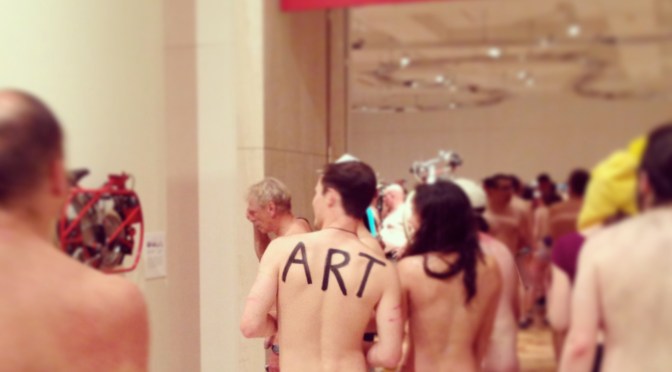
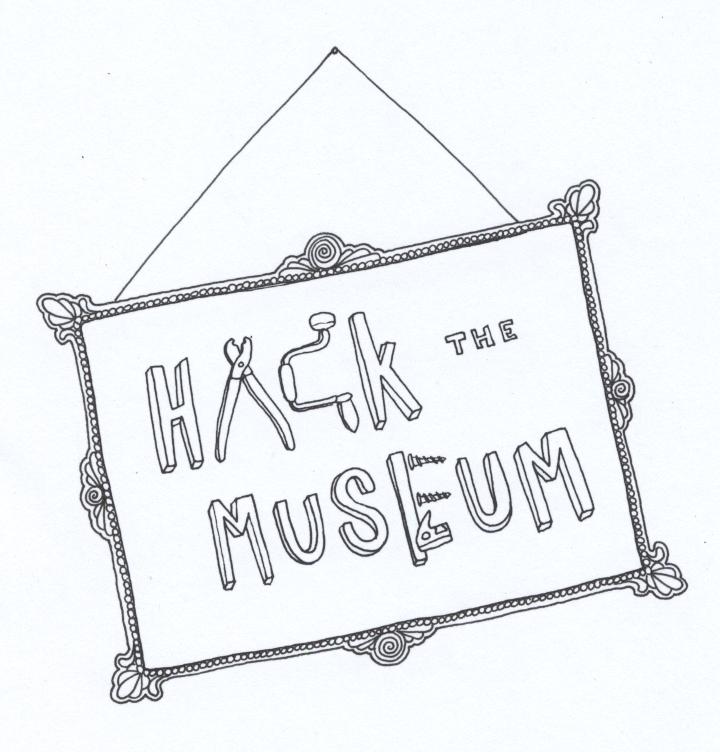
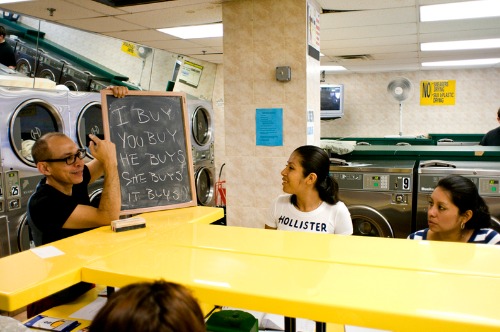


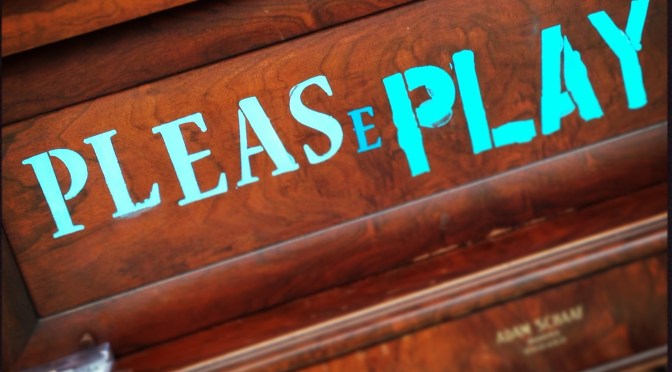
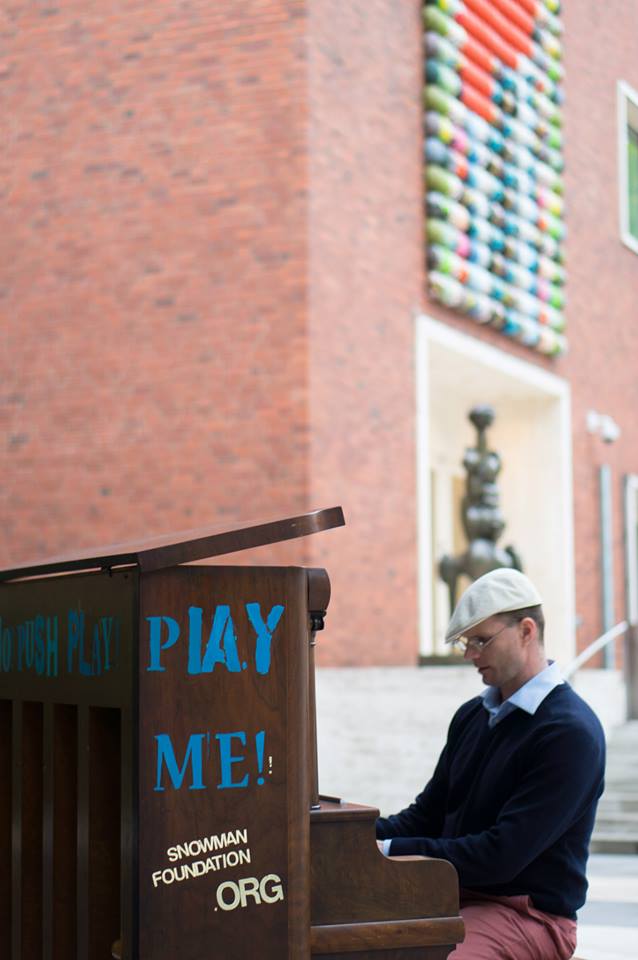
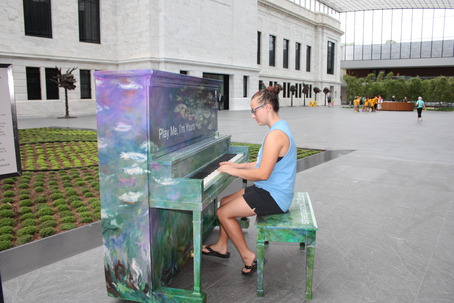
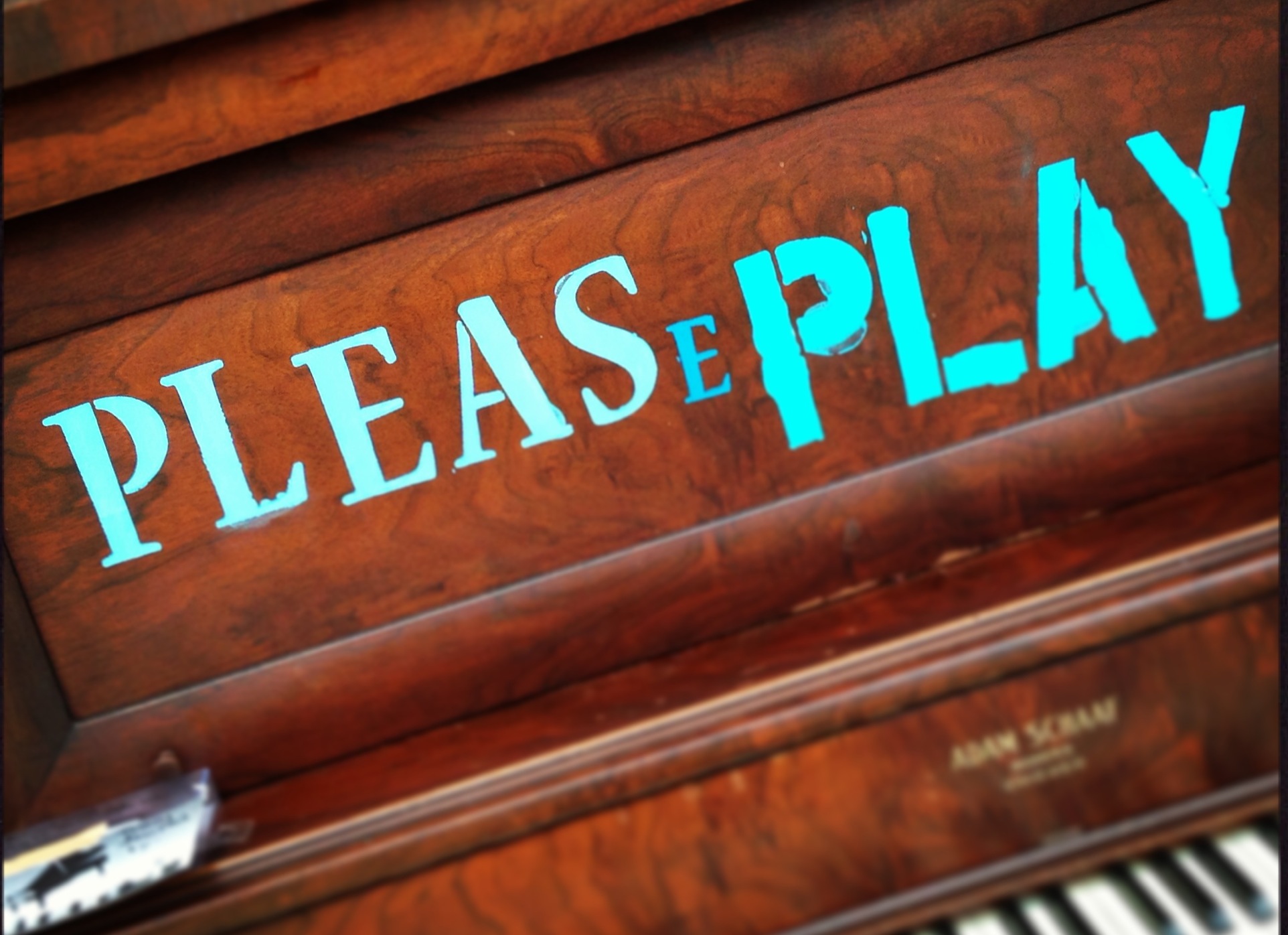
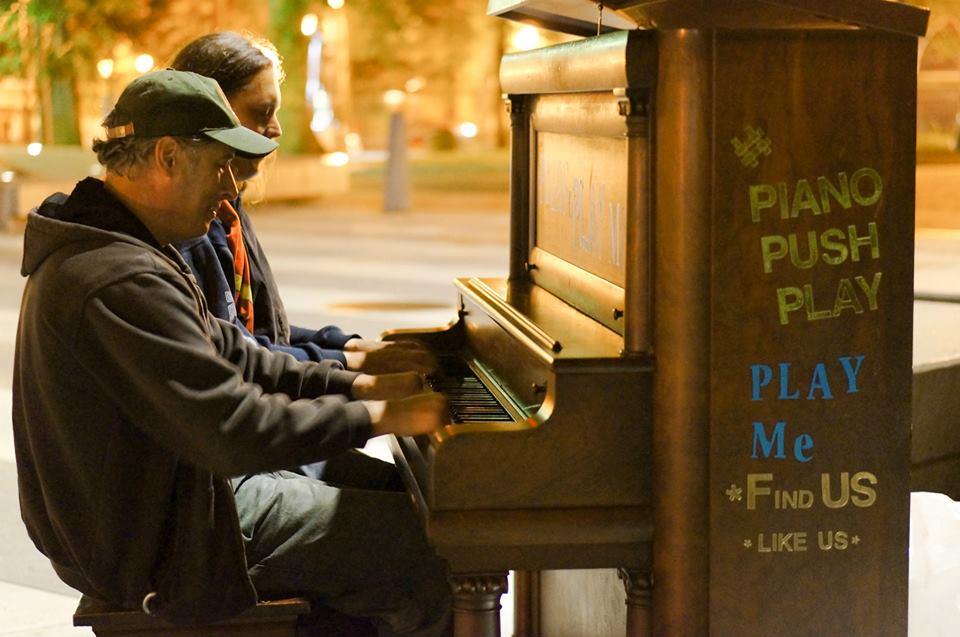
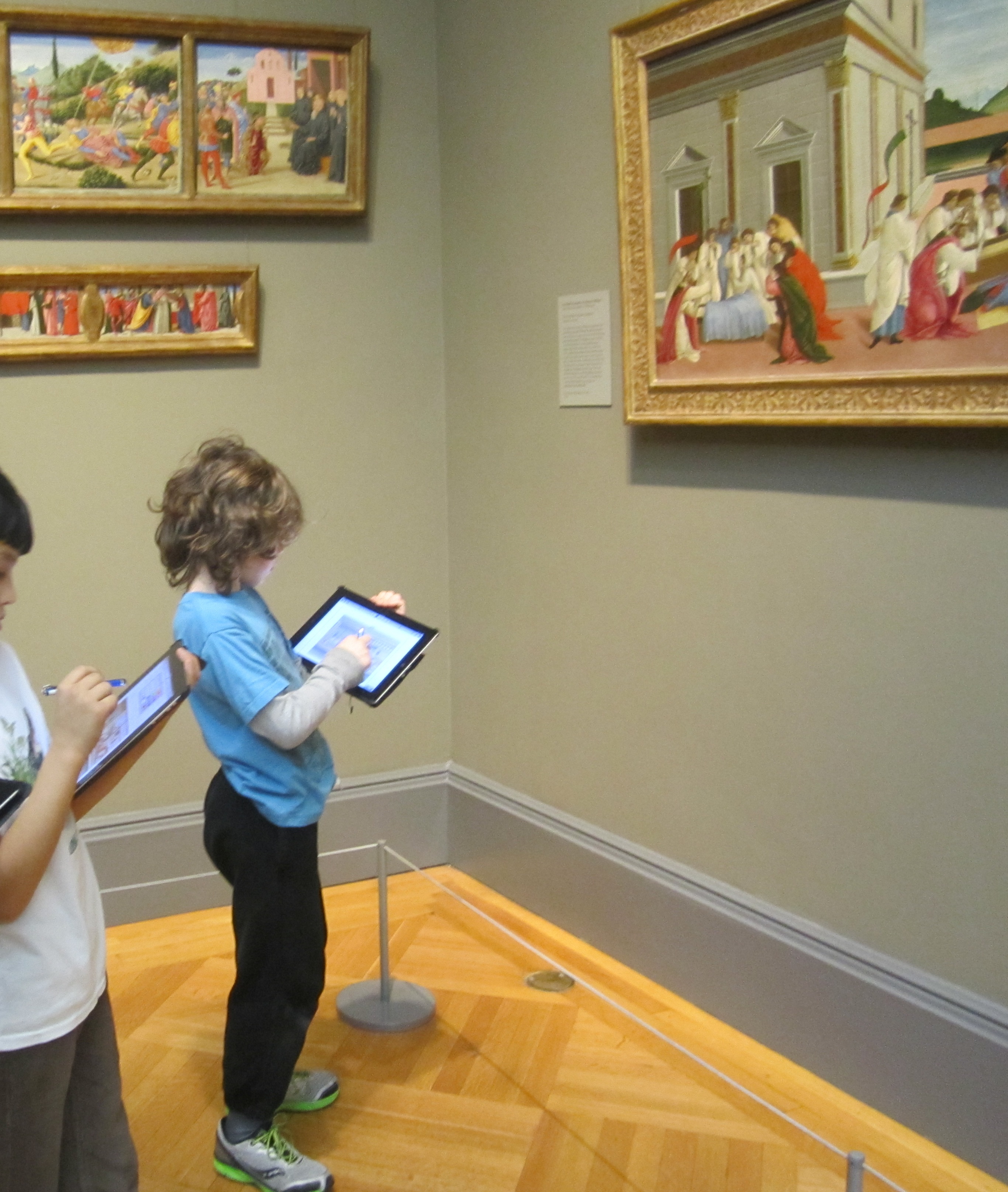
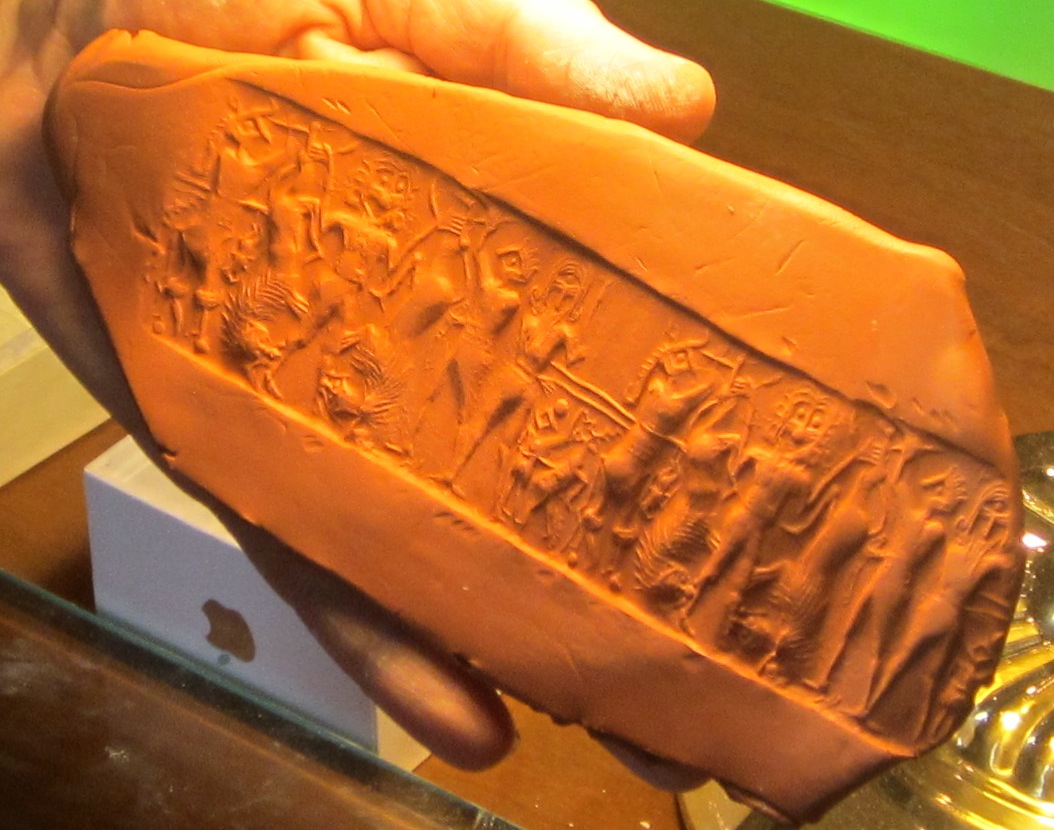
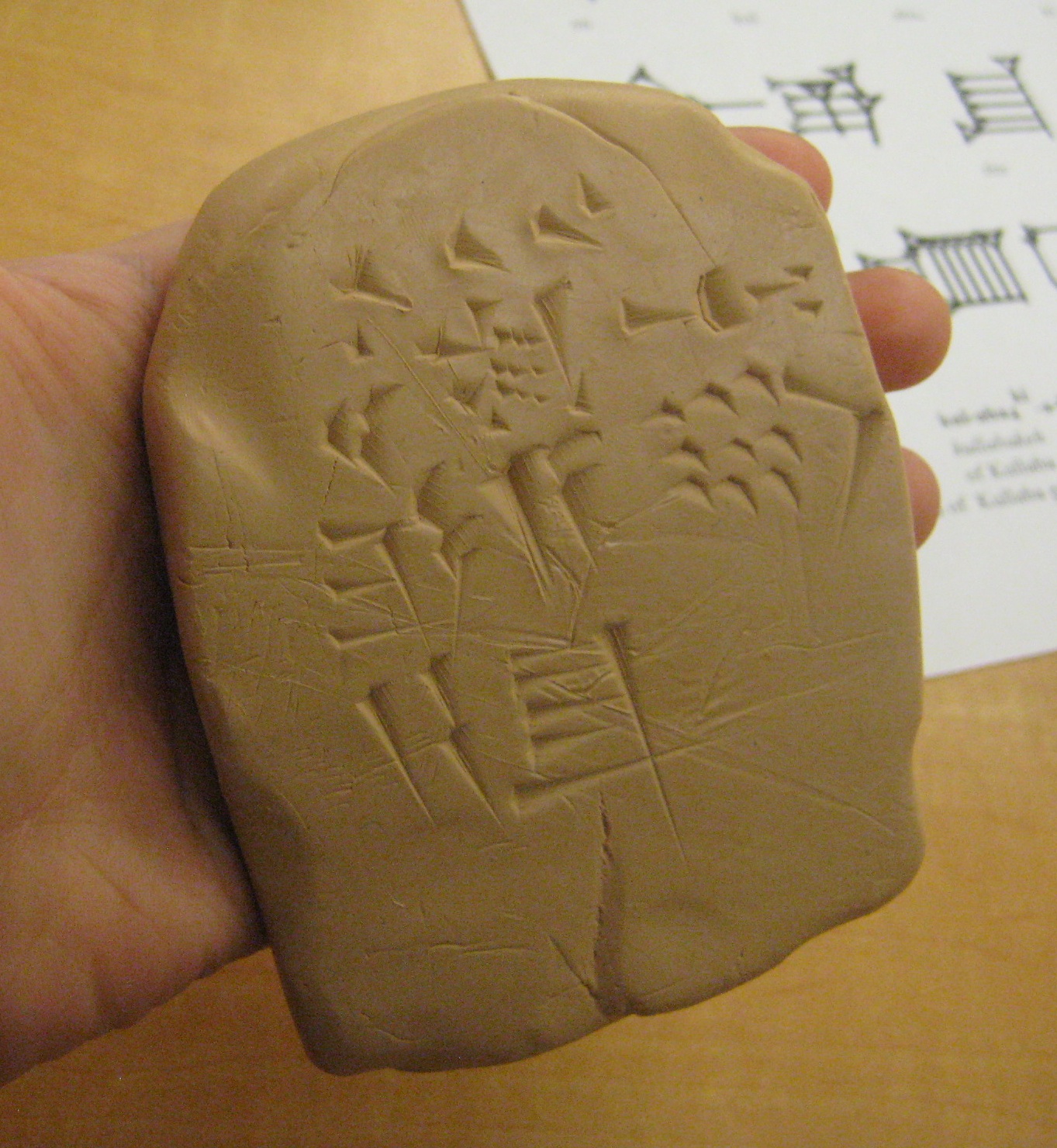
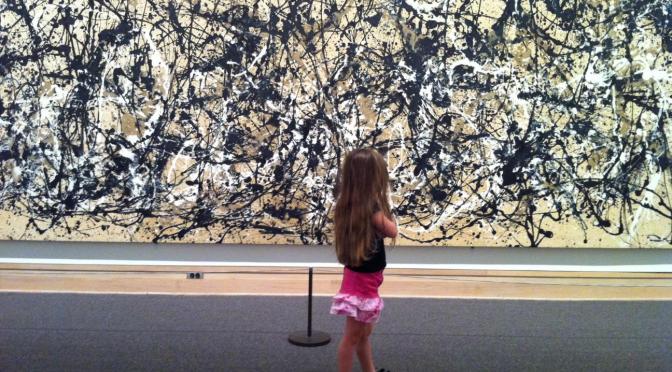

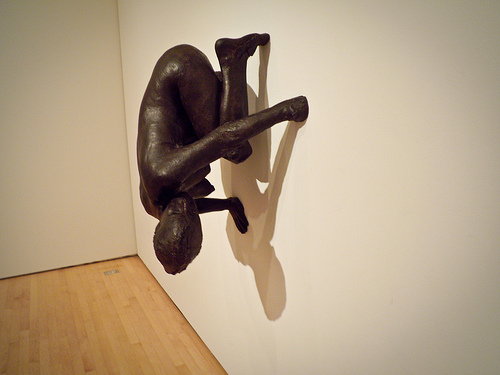
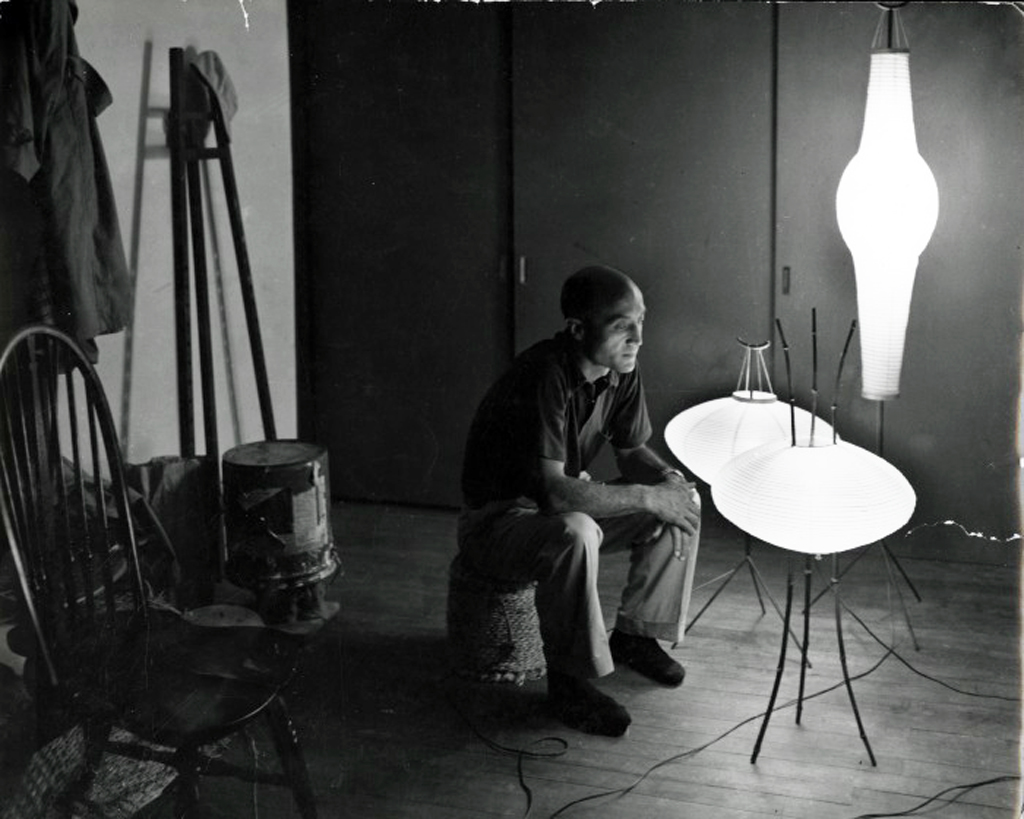
 SHANNON MURPHY: Currently teaches at the

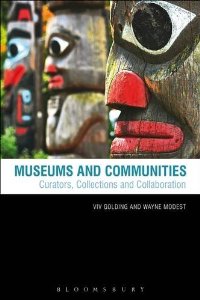


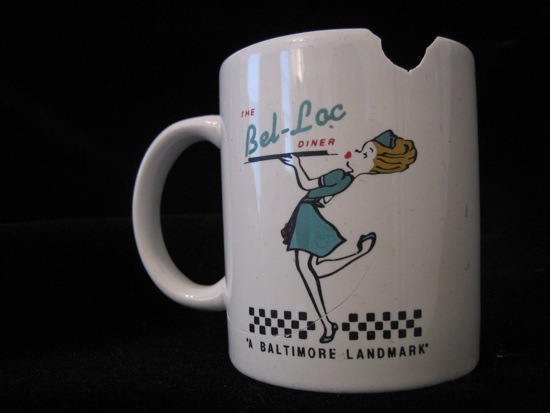



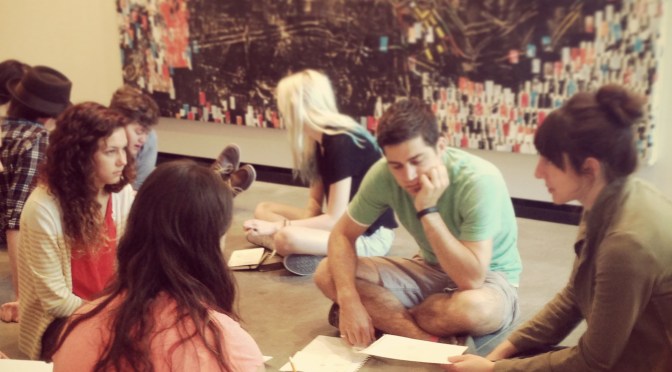
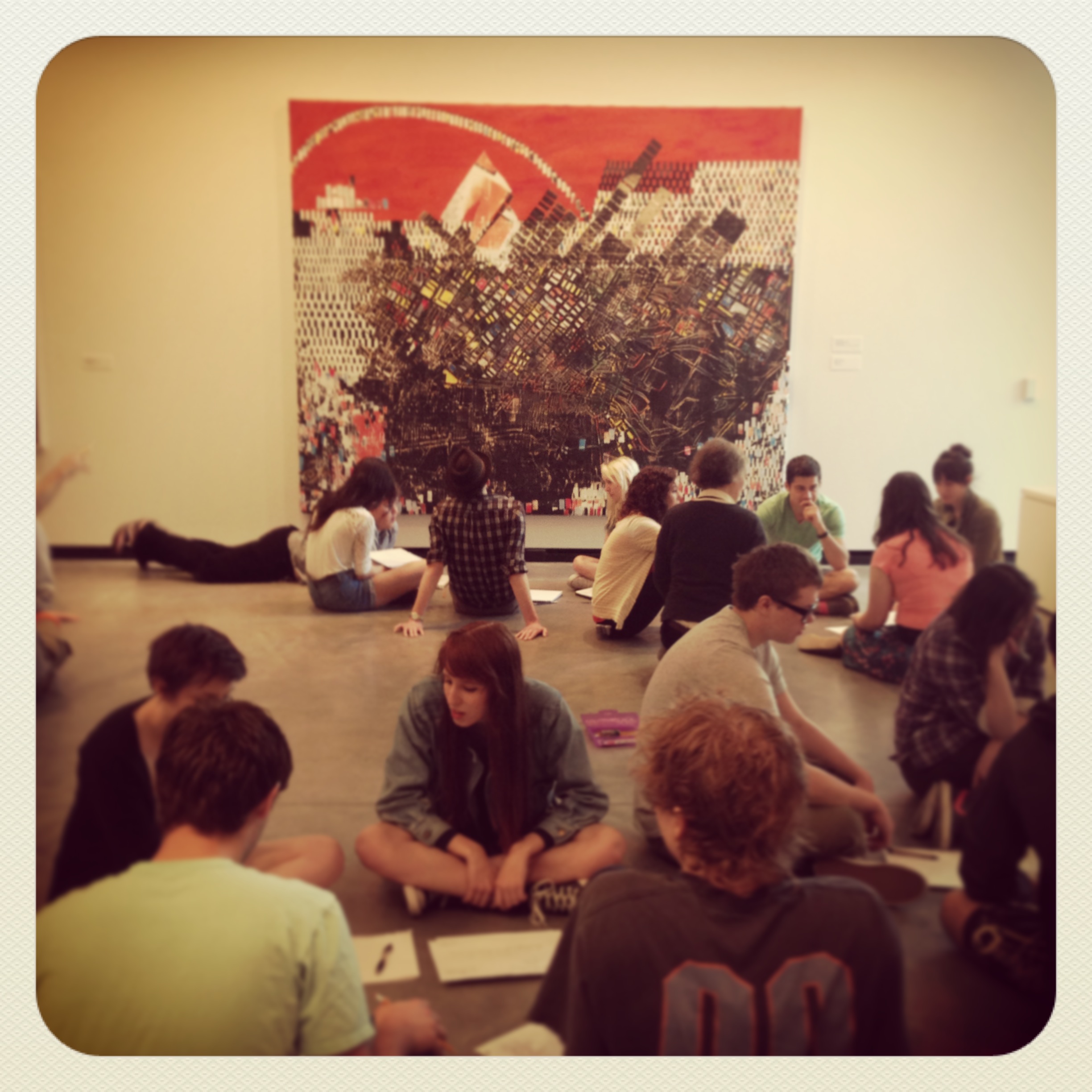
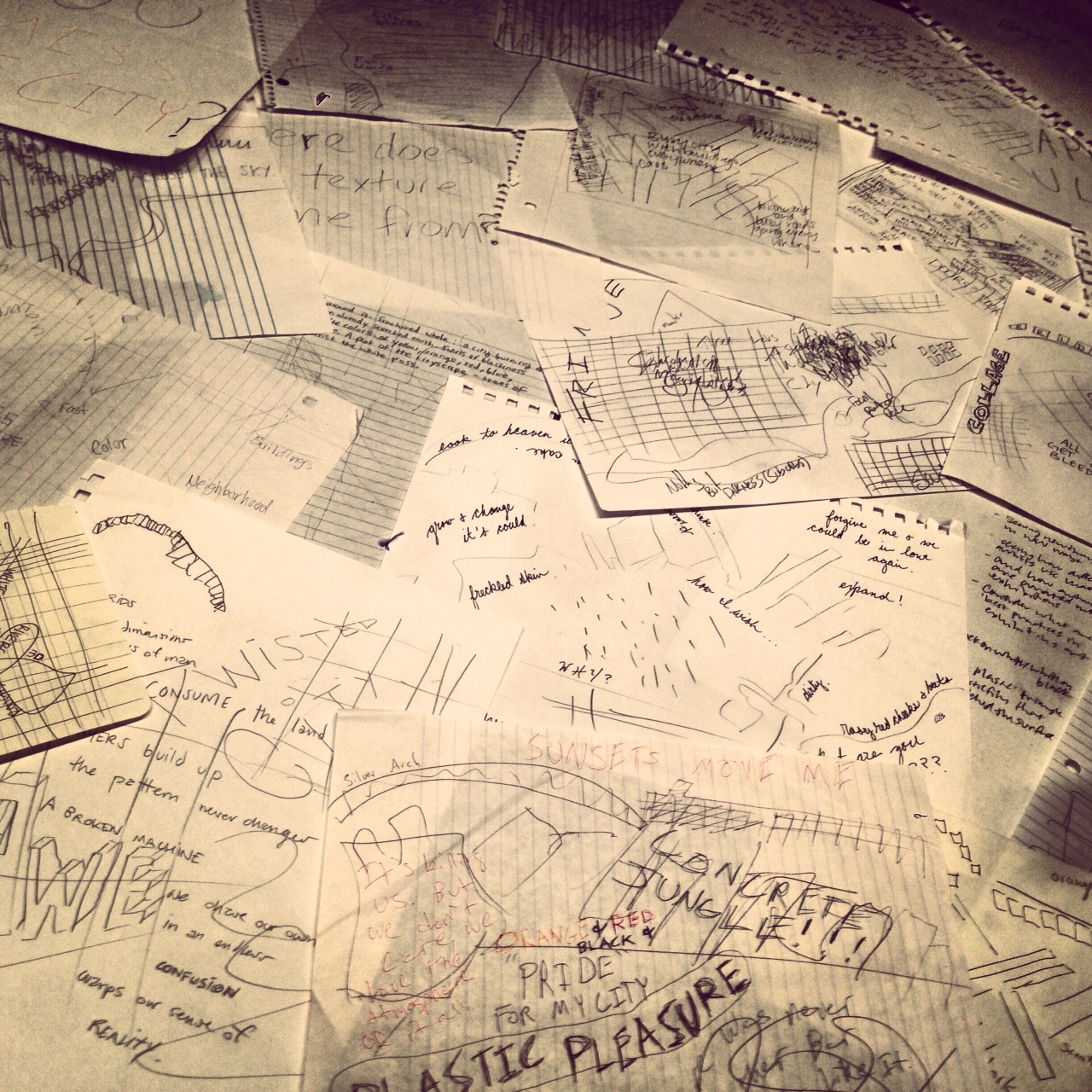

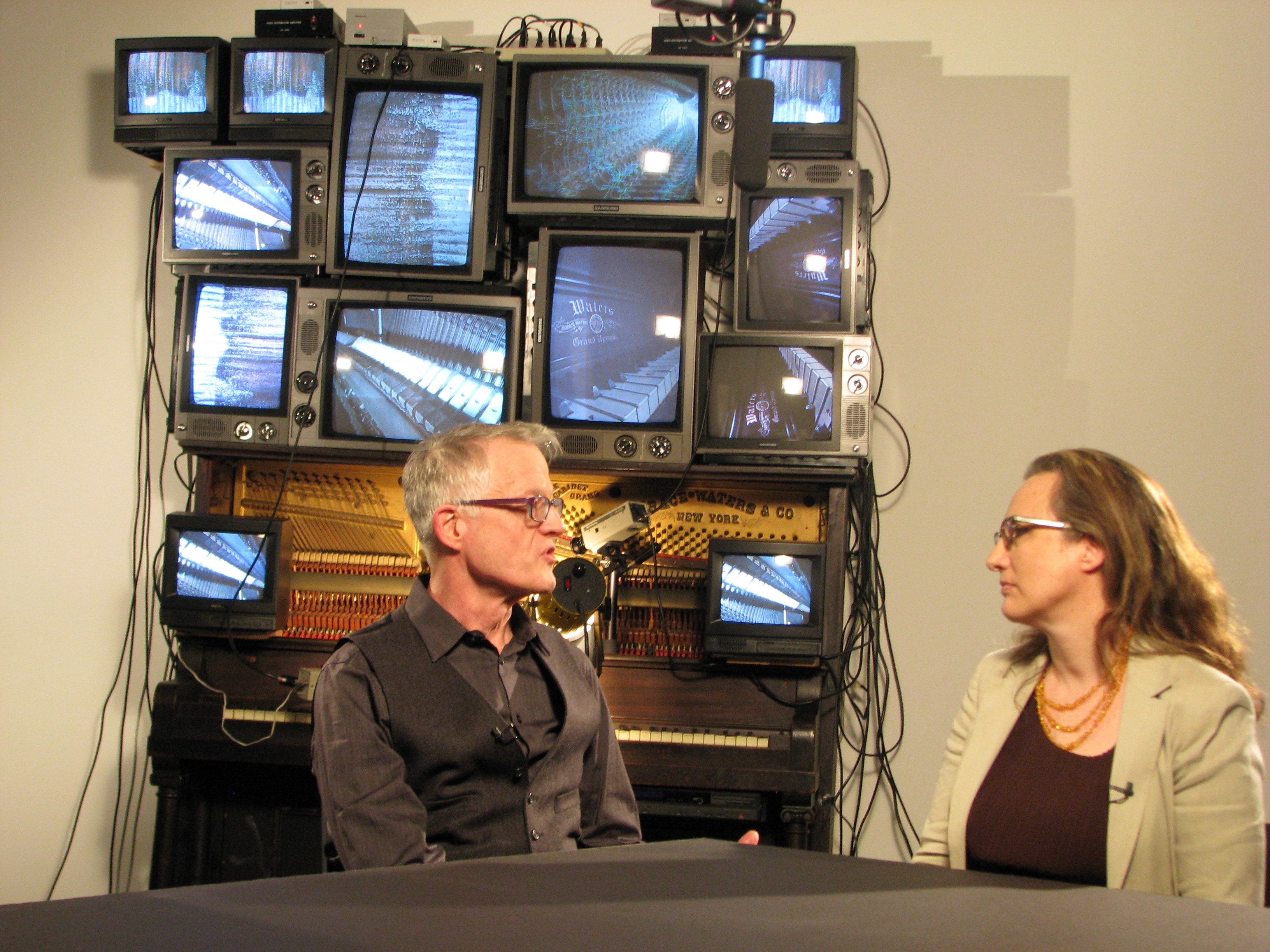
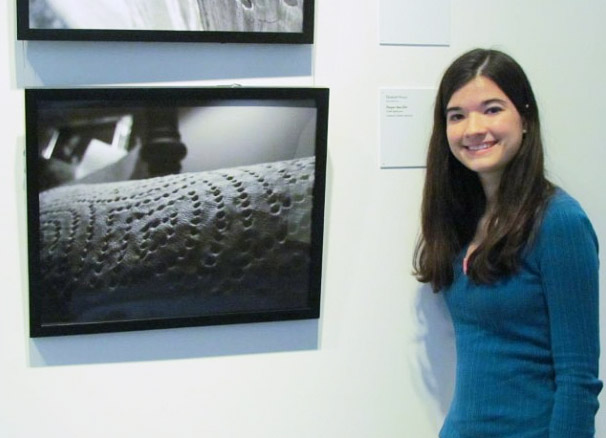
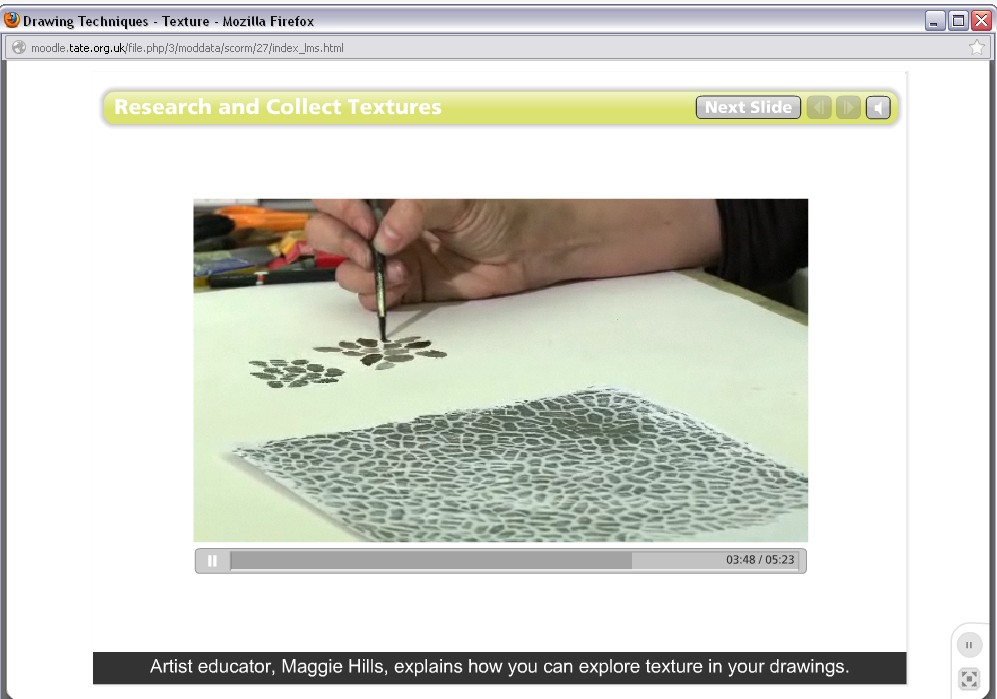

 Art Museum Teaching