Prefatory Note: Before ArtMuseumTeaching.com went public, there were several months when it was simply my own personal (private) online space to reflect on my practice as well as larger issues around teaching and learning in museums. It was (and is) so valuable to write about what we do as educators and museum practitioners, even without publicly sharing that writing. Since the site went public back in February 2012, these reflections (along with those of nearly 2 dozen other practitioners) have been openly shared via this unique online ‘bazaar’ that spotlights practice — from million-dollar cutting-edge initiatives and multi-year projects to simple, personal reflections and moments to add one more teaching tool to our belts. And while conferences such as the NAEA, AAM, and Museums & the Web — among others — can surface some truly incredible, thoughtful work happening in museums today (some of which has been highlighted on this site), it is also important to provide a space for reflections and conversation around a more daily teaching practice. This post is an attempt to maintain those types of reflections on this site, and to encourage others to share their teaching & learning experiences as we continue to build this online community of practice.
A couple weeks ago here at the Portland Art Museum, I had a unique opportunity to work with a group of students visiting from neighboring Portland State University as part of their Freshman Inquiry course entitled “The Work of Art,” led by artist/educator Sarah Wolf Newlands. This multidisciplinary course examines the ‘work’ that goes into artistic production, but goes way beyond that to explore the role art plays in our lives. As the course site describes:
“It looks at the work art does in the world — how it shapes, reflects, disguises, complicates, challenges, or brings reality to our assumptions about the world…. What are the artistic levers with which we can move our world forward? What can looking through the lens of ‘art’ at the products from a broad range of disciplines reveal about ourselves, our culture[s] and our society? How does the art we do and the art we experience shape our identity? How does it disguise or reveal our essence, heal our hearts, and enable our joy? How does art influence cultural change? How can we use the arts to build community?”
One of my own goals when working with groups of college students and adults in the galleries (and in the classroom) is always to break down the often rigid expectations of “what we do” in front of a work of art — moving past the assumptions that we need to behave a certain way or know something specific before we can have an experience with art. I also aim to teach for independence — an approach to our ‘work’ with art that empowers a participatory, learner-centered process of making meaning and attempts to break down the constructed hierarchies between teacher and learner, professor and student, expert and novice, institution and audience.
“The visitor’s response and experience come first, before the museum’s, before the history of art.” —Rika Burnham
For me, at its heart, teaching for independence asks that educators (whether in the museum, K-12 classroom, or university lecture hall) strive to facilitate deep, collective experiences with art that leave participants and learners better equipped to look, explore, question, and engage deeply on their own without always relying on the museum or an ‘expert’ to lead that process.
Opening Up the Learning Experience: An Hour with Mark Bradford’s Scorched Earth
As the PSU students gathered in the gallery, we began with a quick discussion of “what does learning look like in an art museum” to establish an atmosphere of thinking and reflection. Then, we dove head first into a 60-minute co-learning experience with a single work of art — Mark Bradford’s Scorched Earth (2006). The experience was intended to be multi-modal, involving various ways of thinking and openly responding to the artwork in front of us– a process similar to other experiences about which I have written.
Here is a quick outline of our experience with Bradford’s piece (and I always want to be clear that these tips and strategies are not ones that I necessarily invent, but are inspired by some of the ‘Jedi knights’ of museum education like Rika Burnham, to whom I am greatly indebted. I also do use some of these strategies repeatedly when I am in the galleries, since some are just exceptional ways to open-up an experience of freedom, comfort, creative looking, and excitement):
Looking:We began with 1 minute of quiet looking, then having students share their initial observations with a person sitting next to them. We followed that with another minute of quiet looking, this time using a paper tube as a telescope to see the artwork differently — followed by more sharing with their neighbors about anything new they noticed.
Question: Students were asked to write down one question or wondering they had for this work of art.
60-Second Sketch: Everyone spread out across the gallery and then had 60 seconds to make a quick sketch of the entire artwork, filling their paper from edge to edge. Students were asked to lay all of the sketches in the center of the gallery, walk around and see what others drew, and then select a sketch that interested them (and was not their own).
Sketching with Language: Students had several minutes to “finish” the sketch they had selected, but by using only language — adding words, phrases, thoughts, and reflective writing directly on top of the drawing. I call this “sketching with language,” something pulled from Jack Kerouac and his creative process.
Reading:In small groups, students shared their writing by reading it aloud– really honoring their writing by reading it directly instead of simply summarizing or paraphrasing it (which is what we too often do).
Conversation Extender: By this point, students have had some serious time to look at Bradford’s work, share and exchange ideas about what they see and what they think about it, and do some sketching and writing to deepen or even shift their interpretations. To extend their conversations and spark further thought, each group received a small packet of historic photographs from the 1921 Tulsa race riots — an event that historians have called “the single worst incident of racial violence in American history,” and an event that has been strongly connected to this work by Bradford. Each group of students was simply asked to continue their conversation about the Bradford piece, yet to see how this added layer of historic images (powerful in their own right) might build or shift that conversation in any way. In talking about his own work, Bradford once says: “It’s about … tracing the ghost of cities past. It’s the pulling off of a layer and finding another underneath.”
Group Discussion: During this entire experience thus far, students have been building personal meaning or sharing their ideas in pairs or small groups. So to wrap up, each group brings their thoughts and insights to the full class as we spend the last 10-15 minutes in an open discussion about the artwork and our experience with it.
Learning to See Learning in the Art Museum
For me, much of the experience with this group of college students was about empowering them to learn to see learning in an art museum (and with a work of art) differently — to begin to see looking and learning with art in a more active, participatory way that also allows for shared authority around knowledge and interpretation. To help me gain a better understanding of how (or whether) this happens, I invited students participating in the experience described above to send me an email with their reflections after their museum visit. Here are a few great insights from their reflections:
collection of student sketches, questions, and writing in response to Bradford’s “Scorched Earth”
“Usually when I go to an art museum, the experience isn’t as fun and exciting. It’s hard for me to look at a work of art and really dissect it…. I probably will never get to just sit down in front of a work of art and analyze it with that many people again, and it was an awesome experience. Thank you for taking the time to teach our class fun tools that we can use in an art museum to really get the most out of our time there.”
“It was really cool to spend a solid hour just looking into what the piece could be about, what it could mean. I’m glad that you opened up the learning experience by allowing us to interpret the painting in our own way, then discuss with one other person, and then discuss in small groups. I think this allowed each student to really get the most out of what other students were understanding and interpreting from the work.”
“This experience was very enlightening because we learned so much from so little. It was profound to get so much out of little more than looking, thinking, and discussing.”
“It’s crazy how observing a piece for just a little longer than a glance can change your perspective of a piece and your understanding of it…. If more people were to do what we did today and take time to observe art, they would see it in totally new ways.”
This type of learner-centered, participatory meaning-making is something I continue to explore in the museum context, but I think it also has significant implications for how we conceive of art history teaching outside of the museum. What if we allowed for more active, open-ended looking and exploration with art, and hold back some on the passive transfer of information? What if we used drawing, movement, or creative writing as another way of looking deeply at art? What if we really focused our teaching more on creating and supporting independent learners who see and think for themselves?
————————————————————-
This post has also been published online at Art History Teaching Resources (AHTR), a streamlined, peer-populated teaching resources site sharing Art History Survey teaching materials between teachers and stimulating conversations around pedagogy in the arts. The site was initiated in 2011 by Michelle Jubin and Karen Shelby, products of the CUNY Graduate Teaching Fellows program.
“The recent development of MOOCs (massive open online courses) can provide museums with valuable possibilities for education, community outreach and multi-disciplinary collaboration.”
The quote above by David Greenfield, a doctoral candidate in Learning Technologies at Pepperdine University, was part of a paper entitled “MOOCs, Museums, and Schools: Natural Partners and Processes for Learning” presented at the recent Museums & the Web Conference in Portland theorizing about the potential of partnerships with schools and community members in developing online museum courses. Museums are already starting to realize those possibilities in the area of online courses.
The Museum of Modern Art, the Tate and my own North Carolina Museum of Art are currently offering extended online courses similar to MOOCs. These courses are different from each other in content, audience, and style, yet they are all pioneering engagement with local, national, and global audiences through objects in their specific collections. Their experiences offer important lessons to future museum MOOC-makers.
Why Museums Can Excel Online
MoMA educator Deborah Howes filming a segment for MoMA Online Courses in front of a Nam June Paik piece.
Why are museums uniquely suited to be leaders in this field? For one, museum education is predicated on informal, constructivist learning approaches which encourage the learner to control their learning. Similarly, online courses allow students to go through the content at their own pace, constructing their own meaning from discussion forums, assignments and projects. Deborah Howes, Director of Digital Learning at MoMA, said, the pairing of museum education and online learning is, “conceptually, very much aligned.” She continues:
“Museum education teaching is based on the curiosity of people who come from all different walks of life and have any number of questions about what excites them. Teaching online, we offer different kinds of learning experiences–videos of behind the scenes tours, slide shows of art works, DIY experiments–and students explore this variety according to their own interests to create meaning.”
Second, museum learning is often social. Visitors come in groups, field trips, or with families to share the experience of looking at and discussing objects. Learning Management Systems like Blackboard, Moodle, and Haiku allow for similar discussions and facilitate group collaboration.
At the North Carolina Museum of Art, students who might live hundreds of miles away can work together on a video project and post art projects to receive peer feedback. MoMA and Tate also encourage this type of online community through discussion boards. MoMA online course alumni have created their own Facebook groups to extend the learning community, some of which are in their third year of operation
MOOCs Multiply Museum Outreach
Elizabeth Moore, an NCVPS Photography student stands with her work in an exhibition in NCMA’s education gallery. Courtesy North Carolina Museum of Art.
Online learning can offer virtual windows to the extensive, beautiful, and awe-inspiring collections that museums have to offer. The NCMA is located in the middle of North Carolina, a state 560 miles (900 km) long. The virtual courses offer both synchronous and asynchronous components. Each week the instructor is in charge of opening the module (or unit) and hosting one live class with students. Otherwise, students go through that module and complete assignments at their own pace. Modules can include articles, assignments, discussion forums vocabulary wiki’s and/or multimedia. Over half of our online high school students live hours away and may never have even heard of their state art museum. Online, they can take our courses, be exposed to art spanning 5,000 years of all mediums, including sculpture, photography, paintings, and mixed media.
Once students take online classes at NCMA, we want to find ways to bring them to the brick-and-mortar building. To do that, we host exhibitions that highlight work from our online courses, which encourages students to visit the NCMA in person (see photo). We’ve also offered field trips and buses to our annual teen event.
The Tate’s reach stretches nationally and even globally. Rosie Cardiff, e-Learning editor at Tate, found that 31% of her students based outside the United Kingdom, with just under 10% living in Australia and New Zealand. Similarly, MoMA has both a national and international reach. A woman from rural Canada who took one of the online courses thanked Howes for the opportunity to interact with a global community of contemporary art lovers that she could not find locally. “A museum can provide that type of community and support,” Howes says.
Financing Remains a Challenge
Both the MoMA and NCMA courses started because of grants from Volkswagen and Wells Fargo Foundation, respectively. Both of these grants end soon, and both institutions are seeking future funding for the growth and expansion of the courses. MoMA charges $150–200 for their self-guided course and $200–350 for their instructor-led courses. Those fees will help sustain the program, whether or not they receive a future grant. The NCMA, on the other hand, does not charge for their courses, instead, high school students receive school credit. While we encourage students to visit the NCMA to see their exhibition or attend a field trip, we don’t have additional funds to cover their travel.
In Tate’s case, Rosie Cardiff explained that “initial funding for developing the courses came from the Tate Online core budget.” Tate charges £20 ($31) for unlimited course access. Cardiff says the courses “have now paid for themselves and cover costs of ongoing maintenance and copyright fees, etc., but they don’t generate much in the way of profit.” When asked what advice she would give to future museums or institutions looking to invest in developing online courses, Cardiff advised thinking “carefully about the business model for the online courses if you are planning to use them to generate revenue. Courses can be costly to produce and you need to think about ongoing maintenance costs, especially if the courses are tutored.”
An inside look at the Tate online courses. Courtesy Tate Museum.
Grounded in Specific Collections
As museums create online courses, resources, or distant learning programs, Howes advises they “think creatively about the unique qualities of their collection and what that could offer to a global audience. Anyone can do a course on modern art if they have a collection, but how do they offer a unique look on this topic?”
Similarly, the Tate and NCMA courses offer visitors opportunities to engage with and respond to art specific to their collections. The NCMA courses use art in the permanent collection as catalysts for learning about topics such as game design, advertising, fashion, photography and videography. The multimedia we provide include videos of art in the galleries, interviews with museum staff or local, North Carolina experts in that particular field.All three museums offer opportunities to watch video interviews with artists, curators, or experts, as well as demonstrations of artist technique and process.
Full Speed to the Future
David Greenfield believes that when it comes to museums and online learning, “we’re in the evolutionary stages of what’s going on.” As pioneers of a new educational format, museums join with for-profit companies like 2U and Coursera in shaping a field that is rapidly changing. In fact, as of May 1, 2013, MoMA, along with the Exploratorium in San Francisco, has announced a new partnership offering professional development MOOCs for K-12 teachers.
“Museums”, says MoMA’s Deborah Howes, “have a chance to rewrite art history in a way that is relevant to where they are.” MoMA, Tate, and NCMA are already doing just that.
Course topics (selected): From Pigment to Pixel: Color in Modern and Contemporary Art, Experimenting with Collage, Modern Art 1880-1945, Materials and Techniques of Postwar Abstract Painting, etc.
Instruction: Self-guided and instructor-led options
Course topics: Artists’ Techniques & Methods, Introduction to Drawing Techniques
Instruction: Self-guided
ABOUT THE AUTHOR:
EMILY KOTECKI: Associate Coordinator of Teen and College Programs at the North Carolina Museum of Art. Emily creates online and onsite programming for these audiences, including art competitions, arts councils, and developing online courses. Prior to museums, Emily worked at The Washington Post as a multimedia politics producer covering the 2008 presidential campaign. She received her received her Master of Arts in Teaching from The George Washington University and holds a Bachelor of Arts in Broadcast Journalism from American University. Follow her on Twitter @EmilyKotecki or visit www.emilykotecki.com. Emily’s postings on this site are her own and do not necessarily represent the North Carolina Museum of Art’s positions, strategies, or opinions.
Museum Educators know that providing experiences for family audiences are a valuable way to advance the museum’s mission, expand its audience, and strengthen its place within the community. A relatively new way many museums are providing for families is with interactive exhibits. In recent years, these family spaces have evolved from engaging only children to engaging the entire family.
This shift has opened up new areas of study in family learning, broadly defined by the Family Learning Forum as “a special form of free-choice learning” that results in “shared meanings among and between family members.” I like this definition because it presents children and adults as being equally active in family learning. While many family programs and family spaces in museums focus on outcomes for children, I wondered what I could learn if I studied the adult half of the family learning equation. In 2011, I took a look at how adults, in the context of their families, used the Building Zone, a family space located in the National Building Museum in Washington, DC. Through observations and surveys, I uncovered a few sweet spots for parental engagement.
Blocks
photo by ijiwaru jimbo
I already knew that blocks provide endless learning opportunities for children, but now I’m starting to think they are the absolute perfect toy. The majority of parents’ active engagement took place in the Building Zone’s two block areas. One at the front of the room consists of bins of small blocks with various architectural shapes and designs and larger foam blocks. The other block area spans the back wall of the room and has two different types of large plastic interlocking blocks. The block areas were the most popular places for caregivers to actively play with their children. I even occasionally observed adults building structures by themselves.
There is just something about the act of building that excites people of all ages. In her recent blog post, Gretchen Jennings makes this observation about museum Maker Spaces:
I also think their emphasis on family and multi-generational participation is a welcome change; often discovery and play spaces have been perceived, either because of their design or because it was assumed, as places for kids only, and adults just stood and watched or wondered off to see the rest of the museum.
My theory is that blocks can be interacted with on many different developmental levels. It doesn’t matter whether the fun stems from exploring the cause-and-effect relationship of knocking down a tower or exercising complex problem solving and abstract reasoning skills – blocks can interest people all ages. The adults I observed were much more interested in helping their children build than pretending to drive a toy truck.
Books
Photo by Svante Adermark
Another common area for parental engagement was the Book Nook, a corner of the room with pillows on the floor, bookshelves, and a few puppets. As with blocks, adults seemed comfortable interacting with their children around books. The children in the Building Zone were all pre-readers, so this is another area in which caregivers could use their knowledge and skills to help their children. The Book Nook was also the only area, aside from the block areas, that I observed adults engaged with the materials by themselves. A couple of times, I saw adults reading the children’s books silently to themselves.
Again, I believe the books appealed to the adults’ developmental level. Stories, like blocks, can be approached and interpreted in different ways. High-quality picture books have layers of meaning embedded in their text and illustrations that require abstract thought and background knowledge to understand.
Benches
The two adult-sized benches in the middle of the Building Zone were one of the most popular places for adults to be in the family space. While caregivers played the most in the block areas and the Book Nook, a different kind of engagement was taking place on the benches – caregivers were observing the children.
Part of the Family Learning Forum’s definition of family learning is learning about each other. While Susie Wilkening of the Reach Advisors is right to be concerned when parents don’t engage with the museum content at all, I think it’s important not to overlook observing one’s children as a form of parent engagement. This is especially true when you consider that the adults I surveyed hoped that they would be able to observe their children playing in the Building Zone and said that being able to observe their children having fun is one of the things that makes a family experience positive. I’m curious to know what readers think about active versus passive forms of parent engagement. To what extent should museum family spaces be designed to encourage parent’s active participation, and to what extent should they be designed for passive observation?
Museum family spaces are sites for complex social interactions and learning experiences. Focusing on the family as a whole in the areas of family learning and parent engagement allows museums to create meaningful experiences for all their visitors. Have you noticed any sweet spots for engaging parents with children in your museum?
Stricken with those awful nerves that overcome your system while you try to remember those lines you were up past midnight cramming into your head, you cling to your crumpled, dingy papers for dear life – the papers that contain the information you were trying so hard to memorize, the statements you need to naturally and conversationally say. You know you know it, but every time you try to say something without glancing at your papers that are quickly becoming damp from your sweaty palms, your brain freezes. Your name is about to be called as you sit in the uncomfortable chair, fidgeting with the sticker that betrays your best outfit. Doors swing open, and a smiling voice says, “We are ready for you.”
This scenario easily depicts almost every audition I’ve ever had. It also depicts the ‘teaching interviews’ or ‘sample tours’ or even ‘classroom simulation’ I and many other museum educators have had to do as part of interview processes. As a still-sometimes actress, if it quacks like a duck and looks like a duck, call it a duck – museum educators audition for their jobs. A lot. Good monologues do not get actors cast – and good information doesn’t always get museum educators hired. Technique plays a large part in both careers, posing the question: Isn’t it about time we start paying more attention to how we are saying things, and not just what we are saying?
In an audition, the actor is usually provided with an opportunity to bring in a prepared monologue. The actor will perform said monologue and the director makes a decision if the actor is getting called back or sent on their way. Generally speaking, the actor will spend hours, days, even weeks finding that perfect monologue that not only showcases their skill set as a performer, but also connects with the particular role they are auditioning for. If an actor is auditioning for Cosette in Les Mis, their first choice wouldn’t be a piece that brings people to gut-busting laughter. Sounds a little familiar, doesn’t it?
For the teaching interviews I’ve had the pleasure and anxiety of experiencing, it all starts with successfully completing the in-person/phone interview. Then there is the nerve-racking moment of reading the invitation to do a teaching interview. While each institution is different, usually the main idea is to assemble a sample tour (or tour stop) and, with a nod to multimodal learning, an activity for that stop. Usually the prospective educator has about a week to put together this stop and spends countless hours researching the collection, choosing objects, picking that ONE object that will showcase knowledge, teaching skill and personality. Just like an actor auditioning for a role.
actors warming up prior to auditions
But actors will warm up before auditions – take 10 minutes and walk into Ripley-Grier and see dozens of actors at all times doing tongue twisters, stretching, working on breath support and even adjusting their posture. They’ve realized that it’s not just about what you are saying – while the selection is important, it’s equally about how they are saying those words. There is the old adage that you can make people interested in a banana bread recipe if you are interesting enough. In museum education, you might know every fact about Rembrandt and his Self Portrait that hangs exquisitely in the West Gallery at The Frick Collection – but, if you can’t capture your audience and if you can’t be heard, then what?
Some museums are picking up on this idea and calling it what it is. I had the pleasure of being at the Denver Nature and Science Museum at the end of January to lead professional development workshops and found they audition their education staff. There is an educator position entitled “Performer – Facilitator” and part of the interview is a legitimate audition. According to David Allison, Visitor Programs Manager, and Samantha Richards, Educator/Coordinator for Earth Gallery Programs, after the telephone interview, “they [the candidates] are asked to prepare a monologue and a science facilitation…we also have them do a ‘cold read’ of a script.” When asked why, David replied, “The cold reads show us the comfort level they have with improvisation and the ability to ‘ramp up’ their performance on the spot…the prepared pieces both shows us how well they prepare and also what their instincts are around performing and presenting dynamic shows to our guests.” Samantha added, “The cold read also shows us their performance skills…it is as much about how they wear the cape and how engaging they are as how comfortable they feel.”
For the educators who are uncomfortable with the performance aspect, DMNS has an alternative. According to Samantha, “We do also offer the option of reading two contrasting stories instead of monologues.” The audition section of the job description itself is very clear:
Two contrasting monologues (e.g. comedic and dramatic, 3-5 min each) with some movement;
OR
Choose two children’s stories to read. For one, pick 2-4 pages to read as if you were reading one on one with a child. For the other pick 2-4 pages to read as if you were reading to a large group, where you would need to use dramatic voices and movement to tell the story.
David added, “Some educators take to it quickly and can easily adapt. Others struggle. We can generally tell very quickly if someone is a good fit or not for our team.”
The audition aside, DMNS also does ask for a science facilitation – the information and research is still there. They are also focusing just as much on the presentational aspect of the positions. Samantha added to this idea: “It is very important that our staff is comfortable doing everything from talking to one child about a rock to wearing an astronaut suit and ‘being’ an astronaut in front of a hundred visitors.”
Teaching interviews are not much different than auditions. As educators, it’s time to start focusing on how we are saying the things we are saying. Take an improv class. Do deep breathing before a tour. Pull out some tongue-twisters to get the muscles in your mouth ready to say those artist names and movements without tripping over syllables. We are not actors – but – we have an audience. And taking advantage of every trick of the trade will only make us more engaging and our passions more interesting. In the words of Kid President during his pep talk, “Boring is easy, everybody can be boring. But you are gooder than that.”
Have you had a teaching interview/audition? Does your institution conduct them? How did/do you prepare? Should more museums have auditions and practice-based interviews for education positions?
When I left the improv world after 10 years, I was never going back. I had just gotten a job at my first NYC museum (NY Transit Museum!) and was back in school for art history, ready to put acting far behind me. Time went on and the more I learned about museum education pedagogy, the more my brain connected it to improv. Fast forward a few years, museums, internships, freelance jobs, and tours later – I found myself convinced that good museum teaching went hand in hand with everything I learned as an improviser.
Giant Improv Class by CM
NPR recently aired a story about MBA students taking courses in improvisation. But why improv? For the very same reason every museum educator should be trained in improv: communication. That is not saying we should all be “onstage” when we teach, cracking jokes and making our students laugh. On the contrary, many improv principles are qualities we strive for in our teaching – things that are not taught when we learn a collection or study museum education.
The idea of an educational toolbox is something we hear at every professional development conference and class. What are we really filling it up with? The multi-modal teaching strategies and classroom management skills are essential. But have we been paying enough attention to how we say what we are saying and how to sharpen and enhance our listening skills? Or flex our collaboration muscles? Improv courses do exactly that. It’s like going to the gym for your brain – those revered careful listening, honest responding, fearless and flexible teaching skills are all enhanced by improv ideas.
Yes, And…
One of the first things educators learn about inquiry is the idea of asking open-ended questions that allow for many responses, then scaffolding information on top to deepen the conversation. This idea is echoed in improv. The first ‘rule’ of improv is the phrase ‘yes, and’. A scene partner offers information. You take it, affirm it, and add something to it, and your scene partner repeats. This back and forth is the foundation of improv. Negation ends the scene – and in inquiry, defeats the students. It’s about saying, “Yes, I accept your idea and I’m going to make it better” instead of “no, I have a better idea.”
The ideas of ‘yes, and’ and inquiry only work when people are listening to one another. If you are not paying close attention to what your scene partner is saying, you may miss the information needed to propel the story. The fact is true with inquiry as well – if you repeat what the student is saying incorrectly or miss their point, you will change the meaning of their observation or interpretation.
During beginning improv classes, instructors lead students in several affirming exercises. It’s all about taking a gift, agreeing, and adding. It is also raising the stakes. By scaffolding more details on to a suggestion, a scene immediately becomes rich and interesting. Sharpening those careful listening skills is essential to any improviser. Responding skills are also put to the test and enhanced through speed games that not only quicken response time, but also better public speaking skills.
Collaboration
Improvisation is a group sport. Teams will practice weekly in order to get to know each other and build trust. Interaction is key to improv – which is why so many companies will hire improvisers to teach team-building. The activities teach individuals how to interact effectively, operate under pressure and, most importantly, trust one another. Also important in improv: the notion that you always want to make your scene partner look better – you will in turn look better as well. We want to affirm our students ideas and teach them to practice critical thinking. Working together builds on the idea of a team: you and your group are living the art in that moment, experiencing it together. These values: trust, interaction, and poise– even when 15 more students than you expected show up for a field trip in a tiny museum – are imperative in good gallery teaching.
Failure is Ok
75% of improv is bad. Real bad. You may see a show after reading this and think “Wow. I do not want to look like that.” But how they look is not the point – improv is all about removing the sense of failure. In order to grow, you have to fail. In some improv classes, when students get that feeling of “I screwed up” they take a ‘failure bow’ – a bow, paired with the declaration “I failed!” The rest of the class will clap and cheer, affirming the chance that was taken. When people are less afraid at failing at improv, it connects to their lives, and we learn to handle setbacks with grace and ease.
As educators, we aim to create celebratory spaces that embrace student work. But how can we create these spaces if we ourselves fear failure?
We improvise every day of our lives. We have no idea what the next word is that might come out of our mouth when talking to a friend or co-worker. These skills taught in improv classes will only make for better educators – ultimately better communicators – all while having fun. If only our theses made us laugh this much. The same week I finished school, I was welcomed back by my old improv troupe – and rarely miss a single rehearsal or show. The difference this time? It’s my professional development for teaching.
Have you ever taken an improv class or used it in your teaching? Or do your peers or colleagues have any experiences with improv as professional development? Share your perspective.
“Stories matter. Many stories matter. Stories have been used to dispossess and to malign, but stories can also be used to empower and to humanize. Stories can break the dignity of a people, but stories can also repair that broken dignity.”
—Chimamanda Ngozi Adichie
Early in 2012, I came across a particularly inspiring TED talk by Nigerian novelist Chimamanda Ngozi Adichie. Her talk entitled “The Danger of a Single Story,” quoted above, warns that if we tell or hear only a single story about a people or culture, we risk a critical misunderstanding. Our lives and our cultures are composed of many overlapping stories, and all of those stories matter and deserve to have a voice. As I was listening to Adichie’s transformative words, I immediately thought about museums and the cultural power they have historically possessed to tell a single story—the single story. As museums continue to adapt to become more relevant in the 21st century, they have also been struggling with whose stories to tell, whose voices can participate in that telling, and how much power can or should be handed over to our communities to tell and share their own stories.
Since first listening to Chimamanda Adichie’s talk almost a year ago, I have experienced an exciting career and life transition as I moved from St. Louis to Portland, Oregon, to become the Director of Education & Public Programs at the Portland Art Museum. And these issues of power, voice, storytelling, and community engagement are central to one of the Museum’s most widely expanding educational projects, Object Stories. Launched almost 3 years ago, this project begins to address the need for museums to reject the single story, to create and share a multiplicity of stories around its collection, and to bring the meaning-making process of storytelling into the galleries. This post provides a much-needed spotlight on the Object Stories project, and I will definitely follow-up with future posts that reflect on the further challenges and successes of this exciting work.
Explore more than 1,000 stories through the Object Stories website, objectstories.org
The Portland Art Museum’s Object Stories project was recently featured by EmcArts and ArtsFwd in their ‘Business Unusual’ Contest, and I’m very proud to say that we won the contest with a broad base of support from across our community (the Mayor of Portland even gave us a shout out, along with dozens of other cultural organizations across Oregon). Originally posted on ArtsFwd.org, the text below was created through a full team effort from the Education Department, including Stephanie Parrish, Amy Gray, Danae Hutson, Jess Park, Betsy Konop, and especially my amazing predecessor Tina Olsen, who passionately led this project from its inception to where it stands today. As a team, we are pushing this project to new areas and breaking down boundaries inside the museum as well as both locally and globally.
• • • • • •
In light of the challenges of the 21st century, institutions across the globe are reassessing their strategies to be more relevant in the lives of their communities. Framed by this larger discussion, the Portland Art Museum began to rethink how we relate to our audience. We questioned the role of the public as mere consumers of information and strove to diversify the populations that we serve. In doing so, we uncovered that both the Museum and the public needed a catalyst for active participation, personal reflection, and meaningful ways to rediscover works of art in the collection. It was out of this larger, ongoing thinking that the Object Stories initiative was born.
Launched in March 2010, Object Stories invites visitors to record their own narratives about personal objects—whether a piece of clothing, a cherished record album, or a family heirloom. By capturing, honoring, and sharing participants’ stories, this project aims to demystify the Museum, making it more accessible, welcoming, and meaningful to a greater diversity of communities – while continuing to highlight the inherent relationship between people and things. Nearly one thousand people from throughout Portland—most of who had never before set foot in the Museum—have participated as storytellers in this project.
How Object Stories works
A user-friendly touchscreen inside the Object Stories booth guides participants through the recording process.
Current visitors to the Object Stories gallery encounter a recording booth, where they can leave their own story, as well as a central table with two touchscreens that enable them to browse, search, and listen to hundreds of collected stories about personal objects and works from the collection. On the surrounding walls, guests find a rotating selection of museum objects that have been the subject of recent stories in concert with portraits of community members posing with their personal objects.
The Museum has also produced a series of Object Stories that brings out personal perspectives on selected objects in the permanent collection, with recordings of the voices of museum staff, local artists, and cultural partners. This stage of the project has added a personal dimension to visitors’ experiences and their interpretation around works of art in the collection.
Change in organizational approach, a new culture of dialogue
This overarching shift in the Museum’s relationship with our audience is the culmination of a series of other changes away from “business-as-usual.” The internal process of developing and implementing Object Stories has encouraged the dissolution of long-established departmental silos, the growth of new partnerships with community organizations, and the confidence to experiment with a formative approach to programming that incorporates audience feedback.
A user-friendly touchscreen inside the Object Stories booth guides participants through the recording process.
Before the launch of Object Stories, the education departments of the Museum and Northwest Film Center partnered with Milagro Theatre and Write Around Portland to develop community-generated prototypes that led to the existing recording process and prompts. This prototyping phase brought in staff from across the Museum—as well as local design firms—to challenge our assumptions of who could and should hold authority in these decisions about content and interpretation within the museum. While more work has to be done to build upon this internal culture of dialogue and collaboration, this project has successfully led to a shared understanding of the value of representing community voices and displaying public-generated content on gallery walls.
A new platform for community collaboration
Since 2010, the Object Stories concept has essentially evolved into a comprehensive educational platform for engaging audiences and forging community collaborations. The Museum has since extended Object Stories into a multi-year partnership with area middle schools that involves in-depth teacher professional development, artist residencies, and multiple visits to the Portland Art Museum that culminates in students’ own personal “object stories.” Further success has brought the Museum into a new international partnership with the Museo Nacional de San Carlos in Mexico City, and a more locally-focused proposed Object Stories project with the Native American Youth and Family Center in Portland. These outreach efforts will also bring the storytelling process outside of the Museum through a new mobile iPad application currently in development.
Big impact with room for growth
The biggest shift and impact caused by Object Stories is the changing viewpoint of diverse audiences, who now see the Portland Art Museum as a place that invites the voices and stories of its community and welcomes the public in this act of co-creating content. As the Museum continues to integrate the Object Stories initiative into its growing educational programming and interpretive planning, we will no doubt discover new challenges, as well as exciting opportunities.
We’re super excited about where this project has been and where it is going, but I wanted to end with some open questions to invite your thoughts:
In what ways does storytelling and personal meaning-making enter the fabric of your institution?
What are some challenges to having these types of projects enter the ‘mainstream’ of museum planning around visitor experience and interpretation?
How can museums do a better job to design and support opportunities like this for visitor and community voices to enter the galleries?
And, finally, a big question that is very much on our minds: what is the next step for projects like this?
Please post your thoughts and questions below, and add to the ongoing conversation. You can also learn more about the thinking behind Object Stories by reading Nina Simon’s interview with Tina Olsen at Museum 2.0.
Students creating a tableau at the Met. Photo by Don Pollard.
With the growing popularity of kinesthetic teaching strategies, I frequently hear the term ‘tableaux vivant’ thrown around. How does the activity actually work, and where did it come from? A close look at the history of the practice illuminates this powerful tool for education and community building.
Tableaux vivant is often referred to as a playful pastime, but it has also provided a great amount of purpose in the cultural history of the United States. Translated from French, tableaux vivant means ‘living pictures.’ The genre peaked in popularity between 1830 and 1920. During a performance of tableaux vivant, a cast of characters represented scenes from literature, art, history, or everyday life on a stage. After the curtain went up, the models remained silent and frozen for roughly thirty seconds. Particular emphasis was placed on staging, pose, costume, make-up, lighting, and the facial expression of the models. Sometimes a poem or music accompanied the scene, and often a large wooden frame outlined the perimeter of the stage, so as to reference the frame of a painted canvas.
In Victorian England, people used tableaux vivant as a parlor game to amuse guests and engage them in a deeper appreciation of art. The initial interest in the genre in the United States teetered between the desire for aesthetic entertainment and the desire to catch a glimpse of the female nude. The historian Jack McCullogh researched the popularity of tableaux vivant on the stages of New York City. Botticelli’s The Birth of Venus, for example, was a famous tableau that fell somewhere between artistry and indecency, so much so that models were occasionally arrested if they revealed too much skin. Even with the controversy, many critics hailed the performances for their skill and value:
It is a pleasure to find that, although many nude pictures are realized, there is not a suspicion of indelicacy about the entire show… These pictures, besides affording pleasure to the public, are calculated to educate the public taste. (as cited in McCullogh, 134)
Actress Hedwig Reicher as “Columbia” with other suffrage pageant participants, 1913. Library of Congress.
During the later part of the 19th century, tableaux vivant spread throughout the United States via the publication of how-to manuals. The genre was primarily used by youthful Americans as a way to discover their group and individual identities. The historian David Glassberg wrote about how tableaux vivant was used in local pageantry. Small towns and cities would often host parades featuring floats carrying women in tableaux vivant, reenacting pilgrim scenes or allegorical scenes such as “Columbia,” or “the Thirteen Original States.” Monika Elbert focused on how the growing middle class of women used tableaux vivant to alter their personal identities. She explored how women used the genre privately to try on new costumes and characters, some of which were controversial, as a way to merge their public and private self. In both cases, the action of creating tableaux vivant allowed people to explore new phases of their identity.
During the early 20th century, tableaux vivant was used as a form of protest. It was an especially fitting genre for women to use during suffrage protests because it was a familiar form of expression for them. They took on many poses from art including Jules Bastien-Lepage’s Joan of Arcand Raphael’s Madonna to symbolically convey their desire for women’s right vote. Other minority groups used tableaux vivant as a form of protest. In 1913 textile workers from Patterson, New Jersey protested poor working conditions in a pageant at Madison Square Garden in New York City. Also in 1913, W.E.B. DuBois directed The Star of Ethiopia, a pageant to celebrate the 50th anniversary of the Emancipation Proclamation. A still and quiet performance might not seem like a choice activity for a protest, but it likely etched a lasting impression in the minds of audiences and performers, an impression that could inspire change. When cinema became popular, the heyday of tableaux vivant ended. In many ways, though, the genre has found its way into modern photography and performance art.
Teaching in the Galleries with Tableaux Vivant
Tableaux vivant is a terrific tool to engage students during a museum tour. I’ve found that the activity not only speaks to kinesthetic learners, but it activates the imaginations of everyone involved. During a recent tour at the Metropolitan Museum of Art, I brought a group of students to Gustav Courbet’s Young Ladies of the Village. I had volunteer students freeze in the scene, and the other students help them find their positions with greater detail. The activity brought exactly what I wanted: more details. We engaged in a lengthier discussion about the peasant girl and her relationship with the well-dressed women.
Here are some of the basics to keep in mind when developing tableaux vivant activities during your museum tour with students:
Identity: In front of a sculpture or painting, invite your students to slowly take on the pose and facial expression of the subject. Have them freeze for a few seconds and guide their awareness to various parts of their body to make adjustments based on what they see. Break from the pose and look back at the painting or sculpture. Discuss how the pose and facial expression reveal clues to the subject’s identity. Try another tableau vivant, but this time, have students change their pose and facial expression. What would they change or do differently?
Character: The addition of props and costumes can instantly help a student take on a character. Split your class up into actors and directors. Have the actors freeze in a scene from a painting or sculpture, while the directors instruct their poses and facial expressions using the work of art as reference. While the actors remain frozen, have the directors discuss new aspects of the work of art that were revealed to them in the process of creating the tableau vivant. Have the actors break their pose and share their new insights about the work of art now that they’ve become the character.
Narrative: Break students up into small groups. Invite each group to create a tableau vivant (perhaps using directors and actors depending on numbers). Then, ask each group to create a before and after tableau vivant scene. Have each group share their three tableau vivant scenes and then discuss which parts of the painting or sculpture influenced their narratives.
Politics: Briefly describe the genre of tableaux vivant to students and explain how a piece of literature was often read to an audience during the performance. Invite students to create a tableau vivant of a painting or sculpture. While students remain frozen, read a text that provides contextual information for the work of art, such as a historic speech or a quote from the artist. Look back at the painting or sculpture and discuss their new insights.
Abstraction: While not a conventional tableau vivant, providing students an opportunity to take on shapes of an abstract painting or sculpture can help them look closer at forms and composition. Twists and turns of the body, or spatial relationships between students can invite new insights into the work of art.
Are you using tableau vivant or related kinesthetic strategies at your museums? If so, let us know your tips and techniques. If not, try this out, and let us know how it works. Add to the conversation and share your thoughts below.
Works Cited:
Elbert, Monika, “Striking a Historical Pose: Antebellum Tableaux Vivants, ‘Godey’s’ illustrations, and Margaret Fuller’s heroines,” The New England Quarterly 75 (2002): 235-75.
Glassberg, David, American Historical Pageantry (Chapel Hill: The University of North Carolina Press, 1990), 106-56.
McCullough, Jack, Living Pictures on the New York Stage (Ann Arbor: UMI Research Press, 1981).
As managing museum educators, it’s often difficult to find new ways to help our educators grow. Often we work with seasoned, experienced, and creative educators who are teaching in the schools as well as the museum and planning with teachers every day. How do we, as managers, support them to do their best teaching every day?
Photo by Jason Brownrigg
At The Museum of Modern Art in New York, we welcome 30,000 K-12 students in guided programs every year. With a volume such as this, our eleven educators are teaching multiple lessons a day. Educators have to be flexible, quick on their feet, and communicate really well with the classroom teachers. Often, there is not a lot of time for planning or reflection. So we use our monthly meetings as a chance to plan lessons, brainstorm ideas, and reflect on our teaching.
In an effort to formalize the training and professional development we offer the educators, along with other tactics, we experimented this year with Monthly Challenges. Each month, as a group, we explore one aspect of our teaching or experiment with a new teaching tool. These ideas are shared amongst the educators over the course of the month, through an Educator Network site, which is essentially a WordPress blog. A lead educator is assigned to each challenge and that educator starts off a blog conversation around the topic.
Below are three examples of recent Monthly Challenges and some snippets of educators’ reflections:
1. Movement Challenge: Offering kinesthetic opportunities for students in the galleries
As a final activity, I asked the students to pose like characters in a work they saw on the tour. We had two students do this at once, combining two poses from different paintings to create a new situation. The rest of the group had to write down what action or drama is taking place. In this way they created new stories.
It was fun to create associations through movement rather than language. And I loved that we stood and used our whole bodies (something we so rarely get to do in the galleries!).
Before I even had the chance to introduce the activity they started to respond to it with movement. Therefore, I just went with what was happening naturally with the students. They all did different movements for different parts of the sculpture simultaneously.
One other thing I’ve been trying out since our workshop, is acting out the artistic process itself and/or how the materials move. I’ve had kids in small groups mimic with their bodies how an artist might make an assemblage style sculpture by bringing together, overlapping, and interconnecting different parts of their bodies; I’ve had kids act out drippy paint with their bodies, etc
2. New Works Challenge: Lessons comprised of all new works the educator had never taught with.
Overall, I would say that I think the benefits of new pieces are that they add a freshness to your conversation and an unpredictability that keeps you on your toes. I think the students sense this excitement and openness.
After years of developing new lessons, it is satisfying to have store of activities and strategies to draw from.
There was a moment during the tour when I wanted to change things based on what was happening with the students but realized I couldn’t go to the old stand-bys. I was happy to try out some new objects but will need to use them a few times to figure out their full potential. I think the best tours happen with the objects I am most familiar with but I have also had great moments with new works when I spontaneously select an object because another group is having a conversation in front of one I had planned to use.
If was fun and challenging for me to not be able to quite anticipate where these conversations would go… I agree, in general, with the comments already expressed — that maybe 1 or 2 new objects with an old tried and true piece could work better. There’s good reason why certain works are so well-worn and this challenge reinforced that idea for me.
3. Student Questions Challenge: Creating space in lessons for students’ questions about big ideas or works of art.
The questions that they shared with me were: “What are the artist’s intentions?” and “How do we know if a modern work of art is good or not?” Questions that i think are perfectly suited to the bicycle wheel.
In terms of generating questions – it’s harder than it looks. A genuine question comes out of genuine curiosity and questions often need space to form (and require risk to put forth). I know that I often get many questions during post-visits and I wonder if teachers notice this too – Do students need time to digest and reflect on the experience of the museum?
I definitely believe that entertaining and exploring their questions has to be balanced by my guiding the discussion in certain directions and meeting certain goals… But touching on what R said in her post, I think of the museum as a serious, but informal learning environment; whereas in a classroom, kids are generally supposed to stay on task, I think it’s nice in the museum environment to indulge the students’ curiosities — and basically invite the inevitable tangent/sidebar- type lines of questioning.
It’s important to me to create an environment for our educators where we never stop reflecting. We continue to consider what we deliver and how we deliver it to students, to serve their needs as best we can. These Monthly Challenges give us chance, as a group, to hone in on one aspect of our teaching. We can dig deeper into the benefits and challenges of how we do what we do, while also brainstorming and sharing with each other. We benefit greatly from each other’s creative ideas, reflections, and approaches. Some challenges were more successful than others, but focusing deeply for a time on one aspect of our teaching, helps us to think differently about that aspect the next time.
What are some ways in which you work at your institution to reflect on teaching practice? I would love to hear from others who have managed similar types of exchanges among their staff.
Almost every museum offers some sort of “introduction to art” among its school visits themes and programs. It sounds so simple, right? Tempting to a teacher, maybe – but daunting to an educator. Finding a way for students to gain a sense of art in one hour can seem like an impossible task.
But for many students, this is their introduction to art. It’s easy to forget how many initial impressions museums make every single day within school programs or guided class visits. Other students, after a less-than-positive experience, might benefit from a new re-introduction. Even the most engaged, enthusiastic, museum-loving student is exposed to a new perspective of art. So to meet the needs of students with little to no awareness of what art or museums are (or can be), where do we start?
While the amount of time, thought, and research that goes into an introductory experience naturally varies by educator, very few (if any) are just choosing objects arbitrarily. From the outside, school visits are sometimes seen as the “easy” work. Rika Burnham makes the excellent point that gallery teaching has historically been passed down to those with the least experience, and undervalued by those outside the field. But as any museum educator worth his or her salt knows, many of the theoretical goals and practical issues that must be taken into consideration are matters that, if handled properly, won’t even come to a participant’s attention.
Personally, the first thing I do is decide what exactly this introduction to art should be. To do that, I have to ask myself:
What do I want students to know when they leave?
How much variety should I try to include (in terms of medium, technique, time period, geographical area, culture, and artist) in order to give a balanced view of the extant range of art collections?
Should I help students understand why “traditional” forms of art, like ancient Greek sculpture, are so interesting, or should I show items they might not be expecting, like a mask made of high heeled shoes?
There’s also the ongoing question of how best to balance information and inquiry. As the museum education field moves farther away from a lecture-based model and into a more discussion-based model, I personally find it necessary to clear up the misconception that museum educators simply provide a lot of facts about works within the museum. An inquiry-based experience (which of course means not only asking the group questions to start a conversation, but creating an opportunity for them to ask questions, consider possibilities, and initiate discussion) aligns much more closely with the tenets of the Montessori method that I was taught and trained in. For an introductory experience, I think that the most valuable role of information is to show that it can change perception. I research works thoroughly, but rarely use all of or even most of the information that I find — just the bits that will open up new avenues for discussion.
So along with choosing specific works based on their place in the art historical spectrum, I keep in mind the potential for discussion about important themes:
What are artists trying to do?
How does art relate to our life, and why is it important?
How do artists use visual techniques to communicate with viewers?
Photo by wallyg
For example, there is an incredible statue of Ugolino from Dante’s Divine Comedy in the Met. The expression, the bodies, the execution, and the story behind it all grab the viewer’s attention. Everyone can identify with the feeling of hunger, and can imagine the horror of being locked up and left to starve. But even before we have puzzled out the story, participants are struck by the anguish in his face (it is often described as sad, or angry, or confused) and note the nakedness of the bodies – both of which seem obvious but are keys to the narrative.
As we move on to the curled toes, the son’s imploring gesture, and the shackles, each discovery opens up new possibilities, increases curiosity, and unlocks the potential for deeper levels of understanding. After we piece together the story, we can talk about what the artist might have been trying to accomplish by creating this piece. We talk about what it might can say to us, how its themes relate to our own lives, and how the object could be used. I love to hear where students would put this statue if it belonged to them – one of my favorite responses so far was an immediate “in the CLOSET!!” The certainty with which this opinion was expressed was both amusing and encouraging, and it provided a great opportunity to discuss how the statue was provoking certain emotions in the group.
I feel that an experience is successful if I can enable visitors to understand that looking at a work carefully really will make it open up. I always explain that we see hundreds of images every day, and it’s easy to glance at something and think you’ve seen it. But just taking a few minutes to examine a work more carefully can change your entire perception of it. Questions start to come up, and even if no answers are provided, new information is revealed and new possibilities are explored.
As far as I can tell, visual literacy isn’t given much attention in contexts outside museum education. But being able to objectively consider and question images is hugely important, especially in everyday life. Advertisements alone give us reason to develop the ability to examine an image closely, understand its message, and recognize the tools being being used to communicate that visual message. The art historian Charles Harrison makes an excellent point in the introduction to his book “An Introduction to Art” (yes, I am quoting an introduction to an introduction in my introduction to introductions):
“While it is self-evident that no one can appreciate a poem or novel who cannot understand the language in which it is written, and that no one can read such things for themselves who has not learned to read, we normally assume that someone who manages not to bump into things is fully equipped not only to make discriminations in the ordinary field of vision but also to find their way around visual representations. Yet this is clearly not the case. If it were, the museums of the world would not be as full as I suspect they are of people feeling slightly disappointed that the things they stop to look at mean so little to them – or working to persuade themselves that what they think they ought to be feeling is what they actually are feeling. In his Letter on the Blind, published in 1749, the French critic Denis Diderot wrote ‘It is perhaps necessary that the eye learns to see as the tongue learns to speak.’”
So another hugely important consideration is what objects have a high potential to draw the attention of visitors who may be unfamiliar with art. Though all art has value, of course, some is more challenging for a new museum visitor to engage with. For example, a Native American storage basket, while clearly finely made, might be a bit more difficult to think about and talk about than something like a Japanese handscroll, which is similar to an illustrated book and therefore builds on something that the visitor is already familiar with. One of my favorite works to use as a first stop in introductory tours is a French tapestry depicting the moment Artemis is turned into a stag by Diana. The feeling of understanding and achievement that visitors have when they determine that this is a narrative image allows them to enter into the experience with a sense of confidence. Exploring this large image of figures making dramatic gestures in an unusual setting enables students to begin a discussion that can lead to consideration of important themes like transformation and identity, of topics like the unexpected but important medium of tapestry, of the ability of objects to communicate messages of power and prestige, or of something else entirely – whatever comes up!
Of course, logistical considerations are also essential components of the experience. I have to ask myself:
Is this object’s experience going to be engaging enough and valuable enough to make up for any difficulty in getting here?
Is the object clearly visible from a child’s height? Is there a glare on its surface if it’s viewed from a seated position?
Is the work in a high-traffic area, an echoey space, or a particularly cold room?
Museums are often an unfamiliar environment, and they can be overwhelming. Constantly dodging other visitors, feeling too cold, or hearing construction or cafeteria noises can get distracting enough to make the experience an irritating one rather than a supportive one. In order to focus on the works, visitors have to have their essential needs met, and only then can any real transformative thinking take place.
That doesn’t mean this is easy. It can be very difficult to eliminate works based only on these logistical issues. There is a great painting of Hercules fighting Achelous in the form of a bull that I would love to share with groups – it’s large, it’s dramatic, it’s intriguing, it has a great back story, and it’s a great example of a type of visual storytelling (small depictions of previous and later scenes are included in the background). It would provide the perfect opportunity to talk about power, achievement, heroicism, identity, authority, transformation, representation, narrative, etc. BUT, sadly, it’s just not workable. It’s on a different floor of the museum than I usually use, and you have to walk through the crowded Great Hall to get there, and we would sit with our backs to the room and the stream of traffic through it, and a large portion of the top half of the painting is obscured by a glare when it’s viewed from the floor. But really, any one of those reasons would be enough to eliminate it from my list. A child rattled by the stress of navigating through a crowd isn’t going to turn his or her full attention to the object when we arrive. A student who can’t see Hercules’ hands won’t be as likely to take an interest in his feat. And in the time it would take just to get there, we could be discussing an additional work of art.
Finally, my last and maybe most important overarching goal is to show students that art is nothing to feel uneasy about or intimidated by. In my opinion, a key objective in teaching should always be to encourage visitor’s responses and validate their opinions. I just want visitors — especially children, and those who haven’t made the decision to come on their own — to see that there is no pressure, that art is just another way to communicate, and that there is always something recognizable and relevant in the work and its response.
So putting all of these things together to create one “introduction” to “art” is a huge challenge as an educator and gallery teacher. I’m fortunate to be in an encyclopedic art museum with an amazing collection, but that also means that my options are essentially endless. Is there anything you think can’t be missed? Anything that really kills an experience for you? Anything else you think should be taken into consideration? I would love to open up a conversation about how we, as educators, prepare for these introductory museum experiences.
EDITOR’S NOTE: As ArtMuseumTeaching.com has been active now for more than 7 months with tens of thousands of readers, I always want to make sure we cover the full range of issues pertinent to our field and areas of practice. One area which has received little attention in the recent discourse (especially in key publications) has been our work as educators with our school communities — especially the nuts and bolts of developing transformative, meaningful experiences with students on tours. And I didn’t even need to make a call for posts, as several contributors recently submitted their own thoughts and reflections on this issue. So I invite you to read the first post by Christine Healey who provides a working manifesto on school visits that we both hope opens up a dialogue on these matters. Christine’s post followed by the above reflection from Kate Sutlive who writes about her own practice in preparing for and leading inquiry-based school tours that introduce students to art. Enjoy, and as always, add your thoughts and perspectives to the mix.
An important aspect of our role as art museum educators is to welcome and induct teachers and their students into museum protocols in a way that is warm and inviting. There are so many ‘do’s and don’ts’ about visiting the museum it can make them intimidating places to visit and that’s not the message we want to send before they have even set foot in the place. We know how great they are and for so many reasons.
Photo by Michael Edson
I’ve been trying to think of ways to better support teachers and help them to prepare for their visit so that student gain the maximum value for their efforts in getting there. Teachers are busy and we need to be strategic about the information that we send out and request, so that everyone is prepared for an amazing and wonderful museum experience. The Getty Center has created a short introductory video and lesson plan so students know what to expect, which looks useful. I am mainly concerned that with all of the information we need to communicate. How do we expect teachers to cut through to the most vital material?
I’ve come up with some lists of items I consider to be important and would like to present it in the form of a manifesto.
How can we best prepare teachers and their students for their visit?
By making;
program offerings clear and concise
booking procedures easy to follow and not too complicated
it easy for teachers to let us know what their expectations are, for example; what is the context of the visit such as a broader unit of study, curriculum requirements or a fun end-of-term activity
our behavioural expectations explicit
How do we like teachers to be prepared?
We find that teachers can help to create more effective learning experiences at the museum for students when they;
have visited the museum independently prior to bringing the students and have seen the content of the exhibition(s)
know about the museums facilities, such as where to check-in when the group arrives, the best spots for lunch, and of course the toilets
have briefed accompanying teachers and chaperones about museum behaviour protocols and have the capacity to manage their allocated student group
understand that artworks are precious and fragile so students must behave in a respectful manner and teachers model these behaviours
understand that the museum is a shared space with other visitors and everyone is mindful of this
know that we don’t mind if a visit is at the beginning or end of a unit of study.
What are the things that can make a visit go from great to amazing?
When:
teachers have prepared students by telling them what they can expect to happen and what is expected of them on the day
students know they must leave their bags, drink bottles (and mobile phones) in the bag room
teachers supervise their students in small groups in the museum
students have empty hands, helping them to listen and focus their attention, to be completely ‘in the moment’ whilst we are in conversation and showing them through the gallery
students ask lots of questions about artworks and the museum
worksheets are designed so that students are engaging directly with the experience of being in the gallery and not looking for facts they can find on the website (which can be good preparation or a follow-up activity to extend the value of a visit) and these are completed before or after the allocated time with an educator
the language used to discuss artworks is not completely new to the students and that even if they don’t know what the words mean, they can become part of their everyday language and expression
teachers trust us and our ability to encourage deep, rich, sophisticated conversations about a few artworks that requires moments of silence for time to think and look so students can make considered responses
when teachers have activities planned for the time outside their facilitated tour, independent activities might include observational sketching or writing tasks
How about from amazing to incredible?
By providing teachers with;
complementary tickets to visit prior to bringing their students
well designed booking forms
maps specifically designed for visiting school groups
an easily accessible bag room or cloaking facilities
somewhere dry and sheltered to enjoy a picnic lunch
suggested itineraries for how to structure a whole day visit
meaningful worksheets to give to their students that focus on self-reflection and observation using open ended questions and enhances the experience of being in an art museum
introductory lesson plans to use in class before the schools visit
Thank you for visiting and please come back with your family.
Teachers reasons for visiting art museums are complex and may range between taking students out on a treat, to meeting very specific curriculum goals as prescribed by departments of education. For some students the most that can be gained from an art museum experience is learning how to look at art, and learning that knowing what questions to ask is more important than being told the answers. I want teachers and students to understand that some artists challenge traditional ways of thinking and assumed societal conventions through the language of art and it is not to be dismissed because formal appreciation does not help us to understand it. Given that some research has shown that many children only experience the art museum during a school visit makes this an enormous learning experience and makes a museum visit all the more valuable and we need to go to the extra lengths to ensure these audiences are welcomed.
These lists are by no means conclusive so…
I would like to open up the conversation and really look forward to reading your comments about what should be added or omitted.
How do museum educators prepare visiting teachers and their students? What is the experience of booking an education tour at your museum like? Are videos useful to demonstrate what will happen or are there too many variables?
If museum-visiting-teachers are reading this, it would be terrific to get your perspective too.
EDITOR’S NOTE: As ArtMuseumTeaching.com has been active now for more than 7 months with tens of thousands of readers, I always want to make sure we cover the full range of issues pertinent to our field and areas of practice. One area which has received little attention in the recent discourse (especially in key publications) has been our work as educators with our school communities — especially the nuts and bolts of developing transformative, meaningful experiences with students on tours. And I didn’t even need to make a call for posts, as several contributors recently submitted their own thoughts and reflections on this issue. So I invite you to read this first post by Christine Healey who provides a working manifesto on school visits that we both hope opens up a dialogue on these matters. This post followed by an additional reflection from Kate Sutlive who writes about her own practice in preparing for and leading inquiry-based school tours that introduce students to art. Enjoy, and as always, add your thoughts and perspectives to the mix.
Originally posted on ArtMuseumTeaching.com on February 5, 2012 – the site’s inaugural post.
As schools and museums work to meet the demands of the 21st century, there has been a renewed emphasis on developing an interdisciplinary culture of inquiry where teachers and students integrate insights and modes of thinking. Through my own teaching practice, I have frequently explored ways in which interdisciplinary inquiry can occur in the art museum, considering productive ways that we might bring musical, kinesthetic, and linguistic modes of thinking to the act of interpreting and making meaning of a work of visual art. Responding to a single work of art through a process that involves multiple modes of thinking from across creative art forms, I continue to consider how each strategy makes meaning and asks questions in a different way–ultimately seeing how these approaches can be woven together to build toward more complex cognition as well as a deeper understanding of not just the artwork, but also of ourselves as learners/thinkers.
LOOKING: Bringing the group’s attention to Pollock’s painting before us, we spent some time looking and recording our initial observations and wonderings. Since part of the goal of this workshop was to connect to Project Zero’s work (via Ron Ritchhart) with “making thinking visible,” participants were encouraged to record their thoughts and responses in a journal throughout the entire engagement with this painting.
SKETCHING WITH LINES & LANGUAGE: I framed the next stage of our experience with this painting around the ideas of Jack Kerouac, an experimenter of spontaneous language as well as a contemporary of Jackson Pollock. In his “Essential of Spontaneous Prose” (1959), Kerouac writes that “sketching language is undisturbed flow from the mind of personal secret idea-words.” This near-manifesto of spontaneous written response inspired me to develop some way for participants to be “swimming in a sea of language,” in Kerouac’s words, with the painting by Pollock. This process began with everyone drawing 2 or 3 significant lines that they find in the painting, then completing their “sketches” using only language and words. Following Kerouac’s method, there was no editing — just writing in a constant flow.
MAKING THE PAINT COME ALIVE THROUGH SOUND: Exploring Pollock’s canvas through sound originated in my own heightened interest in Pollock’s own passion and association with jazz music. Lee Krasner once remarked that Pollock thought that jazz “was the only other really creative thing that was happening in this country.” For the next phase of this workshop, we turned the gallery into a ‘sound lounge,’ breaking into small groups and experimenting with the spectrum of sounds we could create with just our bodies and the stuff in our purses, bags, and pockets. Each group was asked to create a sound composition in response to the painting. This ‘found sound’ exercise became a way of pulling out the basic structures of the painting that have a relationship with our sense of perceiving rhythms, tempos, and more improvisational structures embedded in the paint.
We finished this exercise with a quick reflection — what did people notice about this activity, and about the sounds each group performed? Participants noticed that the sounds created were very rhythmic and controlled, despite the seemingly chaotic and disorderly nature of the painting. Others noted that this exercise allowed them to respond to the painting in ways not possible through words alone — that this acoustic response tapped into a new, almost unconscious element of the artwork as well as the creative process.
performing the sounds of the painting
MINING THE LAYERS OF PAINT THROUGH MOVEMENT: Examining a Jackson Pollock gesture-field painting without kinesthetic thinking would seem inadequate, especially if we think of the famous Hans Namuth films of Jackson Pollock dancing around his canvases, dripping paint across their surfaces. Dance critic Roger Copeland actually called Namuth’s film of Pollock “one of the world’s most significant dance films,” demonstrating that “the fundamental impulse behind abstract expressionism was the desire to transform painting into dancing.”
For this workshop, I decided to model various types of dynamic movement response, inviting volunteers to come to the front and improvise with the painting — then asking each small group to create a dynamic, three-dimensional moving response to the painting (adding words and sounds as needed). Becoming the layers of paint allowed us to pull them apart, get inside them, and use our bodies to make meaning.
volunteers creating 3 types of dynamic movement
We let the group performances speak for themselves, not overtalking them or reducing these personal and embodied meanings to a set of art historical associations with Pollock and his process — and I will refrain from overtalking them here, as well. Yet a key goal for this workshop was for teachers to become expressive participants in an artistic experience, pushing beyond mere “spectating” or “learning at a glance” toward something more aligned with enhanced engagement or participatory arts practice in which the creative mind is activated and the focus shifts from the product to the process of creation.
SO WHAT? ENVISIONING INTERDISCIPLINARY WORK IN THE CLASSROOM: With the few minutes we had remaining, I felt compelled to deal with the “so what?” Why did we just do this? In what ways might we bring this experience back to our own spaces of learning (museums, classrooms, etc.)? Much of our discussion centered around what interdisciplinary learning looks like: connected, collaborative, free, lots of parts coming together as a whole, and building toward something more meaningful. The best culminating moment for me was when one teacher said that he felt the whole experience was about “synergy.”
The last few remarks before the workshop ended inspired us to wonder what Jackson Pollock had actually taught us about learning. Weren’t the layers and topographies of this painting paralleled in our own landscapes of learning, and in this multidimensional and multi-modal experience with this painting. I think we all left the workshop feeling that Pollock’s “Number 1A” was an essential part of the conversation about learning, and building to learn.
To what extent is the practice of museum teaching a truly democratic process, aimed at bringing multiple voices together, seeing things from multiple perspectives, dialoguing, discussing, debating? As museum educators, do we view learning as an ongoing dialectic process that is built around the experiences of the student — even breaking down the hierarchies between teacher and student? How often would we define our own practice (or the programs we plan, facilitate, or present about) as authentically embracing openness, respectful dialogue, serious inquiry, equity, and comfort with ambiguity?
These are difficult questions we should be asking ourselves as we reflect on the pedagogies we adopt to deepen learning and increase student or visitor engagement in our museums. And one teaching methodology that exists to support and guide this type of Freirean (à la Paulo Freire) framework is Piensa en Arte. Never heard of it? Well we’re about to remedy that.
What is Piensa en Arte?
Piensa en Arteis a visual arts education initiative of the Fundación Cisneros and Colección Patricia Phelps de Cisneros (CPPC), aligned with the Fundación’s deep commitment to improving education, promoting the appreciation of modern and contemporary art, and sharing Latin America’s impressive cultural contribution with a wider audience. Through conversational questioning, the use of conditional language, inclusion of contextual and cultural information, and guided reflection, the Piensa en Arte methodology supports mediated learning as the framework for collaborative learning experiences around works of art. Overall, the approach emphasizes learning as a shared endeavor, empowering students to generate their own knowledge. As the CPPC’s website describes:
Piensa en Arte develops a series of exercises that, although generated from works of art, are not recognized immediately as being directly linked to them. Once the exercises are solved, learners discuss the artist’s work in relation to their own problem-solving endeavors. Like the artists whose work they discuss, learners become active participants in the development and questioning of cultural meaning rather than the passive recipients of cultural products, and apprehend education as a process of investigating, questioning and creating.
To date, Piensa en Arte has been implemented in Argentina, Costa Rica, the Dominican Republic, El Salvador, Mexico, Venezuela, and the United States. The program has reached more than a thousand educators, who in turn have brought it to hundreds of thousands of students. One of the main ways it reached the United States was through a unique collaboration between CPPC and Wheaton College, which led to the publication of an Education Guide that provides a useful guide to this teaching methodology as well as a set of teaching posters for use in the classroom designed by Wheaton students and CPPC educators.
The Learning Process of Piensa en Arte:
Piensa en Arte is a methodology that combines the use of various tools, including questioning as a strategy to mediate the conversation along with contextual information related to a work of art. A crucial aspect of the methodology is the inclusion of contextual information that places the work of art historically and culturally.
While the focus of the methodology is to emphasize the art object as a primary source for the exploration, contextual information (carefully selected) and questioning are essential for the best application. An essential component of the methodology Piensa en Arte is mediating learning as a framework to create teaching experiences in a group through conversation.
The process suggests to start the first conversation with the students asking them to establish the rules of the good listener and good talker, having them make a list of attributes of each of them. It is then followed by questioning as a strategy to mediate the conversation. These questions are organized into categories and intended to create a climate of interaction between the students:
Key Questions, that initiate and sustain conversation, and support students to formulate their own ideas:
What do you think can / could be happening in this picture?
What else do you think can / could be happening in this picture?
What do you see in this picture?
What else do you see?
What do you see that makes you say / think that?
Questions Seeking Visual Evidence, that encourage students to provide comments to support their interpretations:
Is there anything else? What makes you think / say …? Please describe it.
What specifically do you see?
What is the visual evidence that support your opinion?
What elements in the image you have to think / say …?
Follow Up-Questions, that invite the exchange amongst students who seek an interest in contributing different views and fosters visual evidence that support interpretations that were not originally thought by them:
Who can add something that … thought / said about …?
What do we see behind it … thought / said about ….?
What other visual evidence can we say about …?
Who can reply to the comment / idea that …?
Questions after providing contextual information for students seeking to return to work as a primary source, after receiving contextual information from you, allowing for the further enhancement of their approach to the works of art.
Now that we know …
How does this information provides to our conversation?
What else can we say about this picture based on this information?
What else do you see in this picture now that we know …?
What would you add to the previous thoughts / ideas now that you know the artist’s words?
How does this affects your thoughts / ideas know that we are having information about the work of art?
It is through the combination of these questions as a strategy to mediate the conversation, plus having the tools for a conversation, as well as the supply of contextual information about the work of art that will facilitate an exhaustive and rich discussion between students. This approach gives priority to the thinking processes of individuals.
Why is Piensa en Arte one of the best kept secrets?
Well, first, we hope that we can help the methodology become less of a secret. And, in addition to questioning, there are several core elements of Piensa en Arte that make it worthy of sharing with colleagues and educators (both in museums and in the classroom):
Use of Conditional Language: Language is a powerful thing, especially when working to create equitable, empowering conversations with students in which the teacher attempts to take a neutral stance. Piensa en Arte recommends paying close attention to the words we use as mediators of conversations, applying words such as “would,” “could,” and “might” when asking questions and rephrasing students’ interpretations.
Providing Contextual Information: While some visual literacy strategies prevent an educator from bringing additional cultural and historical information into the discussion, Piensa en Arte values the way that the context surrounding a work of art can build cultural awareness. Using relevant information to deepen the dialogue, this approach focuses on works of Latin American art from the CPPC (or similar artworks from your own museum’s collection) and can remind students that they are part of a global community.
Enabling Reflection: At the core of the Piensa en Arte approach is the element of reflective practice and metacognition. As outlined by Paulo Freire, critical pedagogy must involve asking questions about our own thinking process. In this way, Piensa en Arte enables students to become aware of the teaching methodology being used and how it is structured. For example, after becoming familiar with the process, students might be asked “What questions do you notice I use frequently during our conversations?” or “How do you think these questions help us analyze the work of art?” This can also model a reflective practice for students, who can apply this metacognitive process to other areas of school and non-school learning.
Modeling Inquiry & Dialogue: Overall, the Piensa en Arte methodology can be a process of inquiry that the students can learn from. Teachers are regularly modeling this open exchange of ideas and opinions so that students can use it respectfully to converse among themselves and ask each other questions.
“Never does an event, a fact, a deed, a gesture of rage or love, a poem, a painting, a song, a book, have one reason behind it. In fact, a deep gesture, a poem, a painting, a song, a book are always wrapped in thick wrappers. They have been touched by manifold whys. Only some of these are close enough to the event or the creation to be visible as whys. And so I have always been more interested in understanding the process in and by which things come about than in the product itself.”-Paulo Freire, Pedagogy of Hope (1994)
Note: Some of the information above has been taken from one of the tutorial programs of Piensa en Arte of Colección Patricia Phelps de Cisneros (CPPC), written by Maria del Carmen Gonzalez, Curator of Education of the CPPC, 2006. Special thanks to Maria for her vision in developing and promoting this transformative approach to teaching with art.

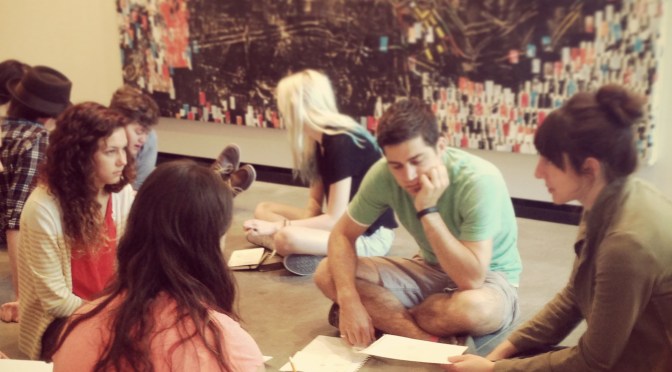
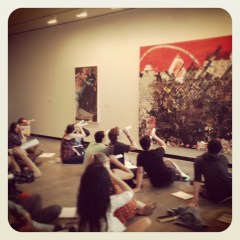
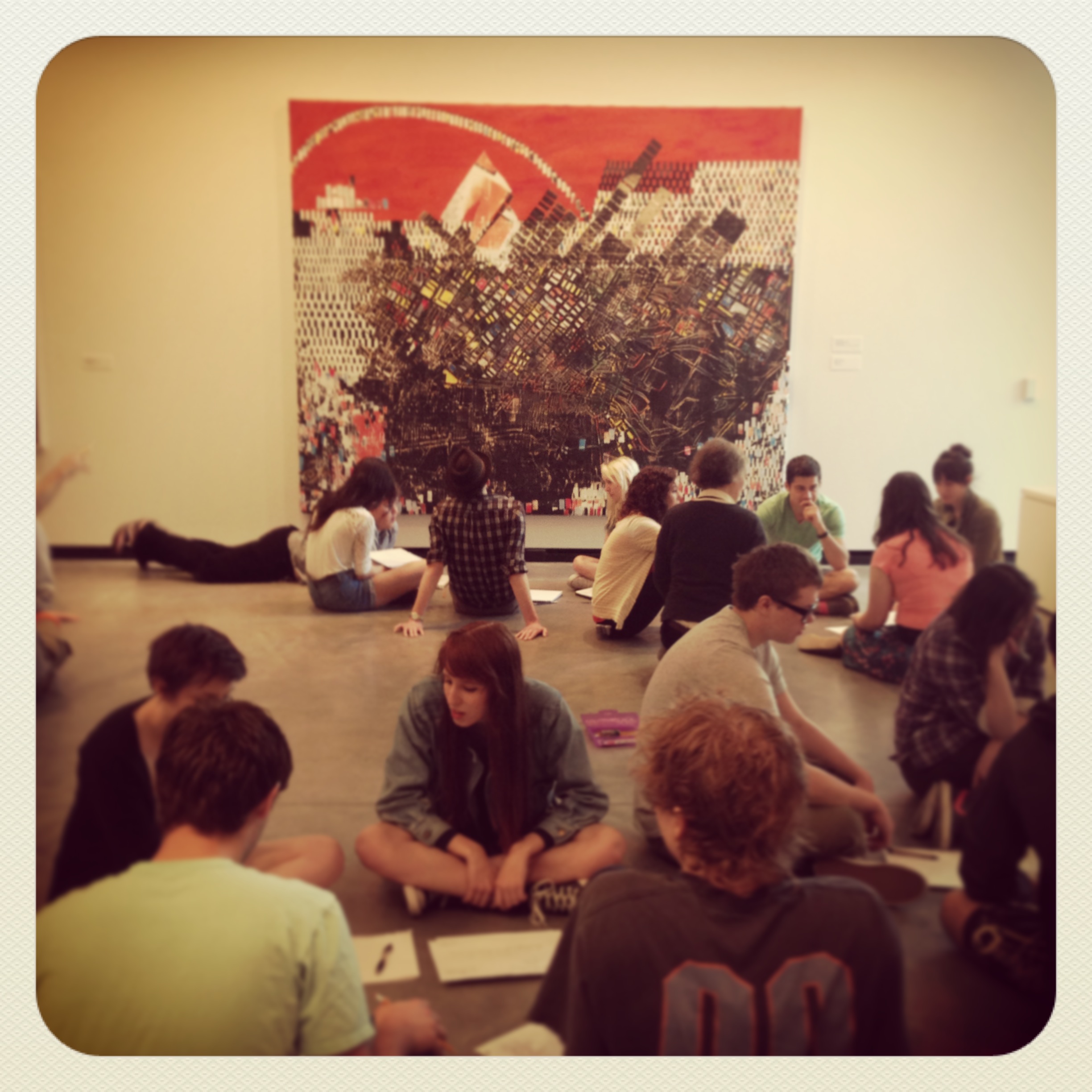 Here is a quick outline of our experience with Bradford’s piece (and I always want to be clear that these tips and strategies are not ones that I necessarily invent, but are inspired by some of the ‘Jedi knights’ of museum education like Rika Burnham, to whom I am greatly indebted. I also do use some of these strategies repeatedly when I am in the galleries, since some are just exceptional ways to open-up an experience of freedom, comfort, creative looking, and excitement):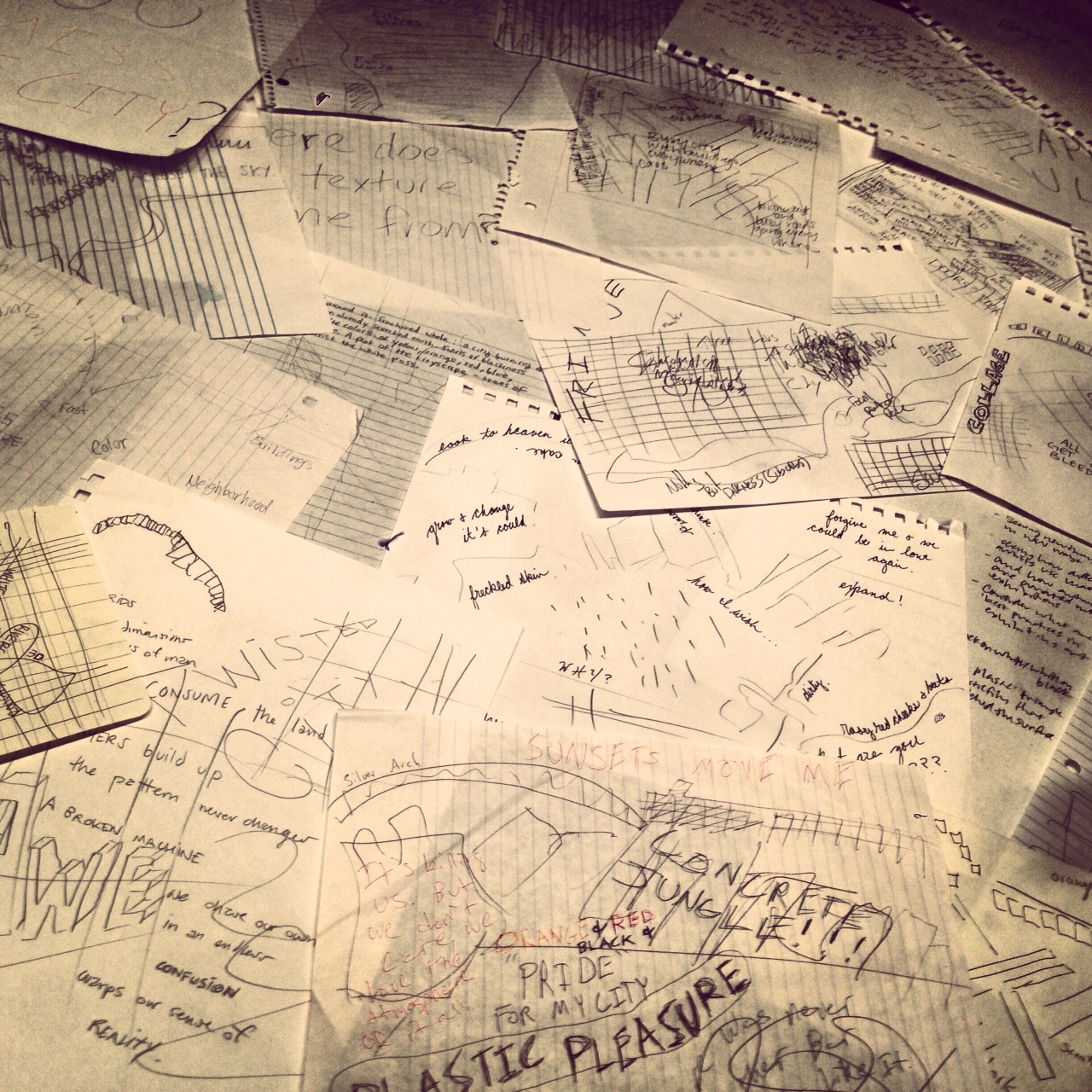

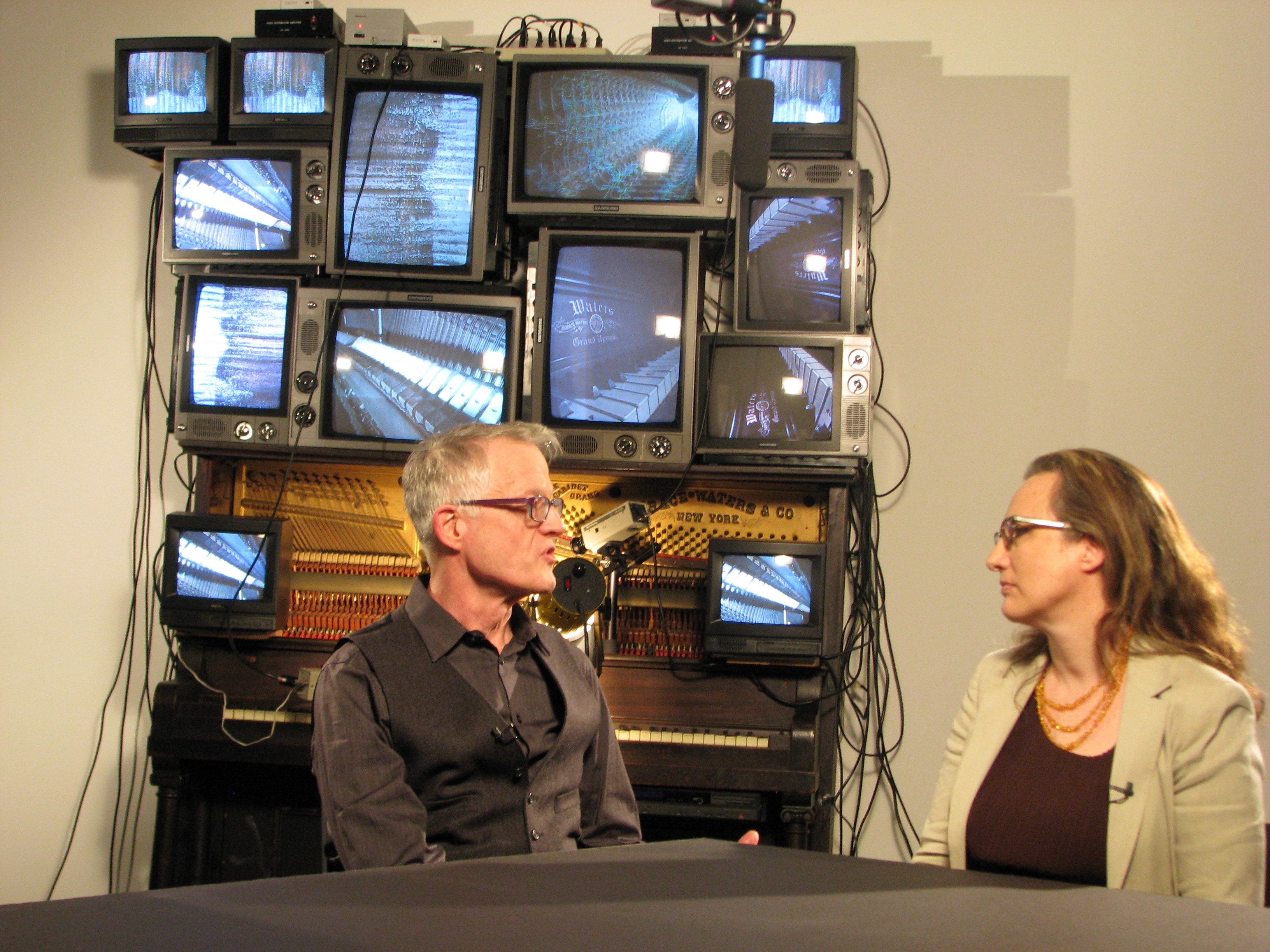
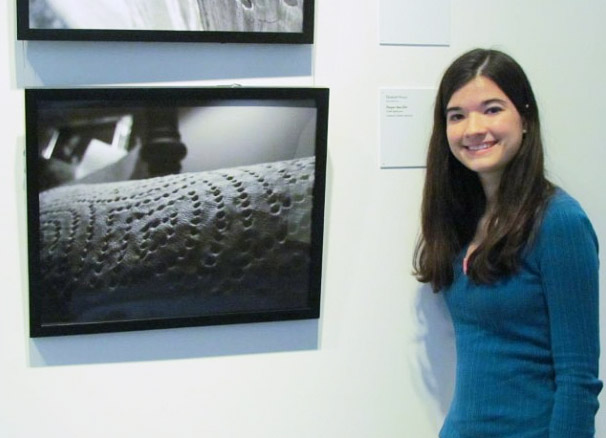
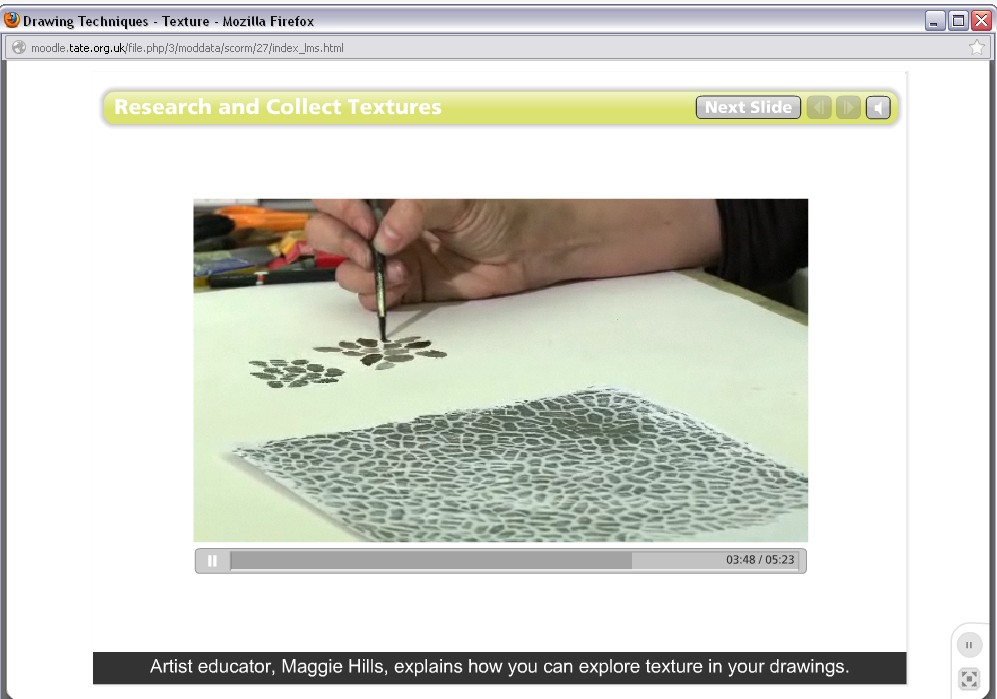

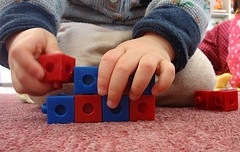
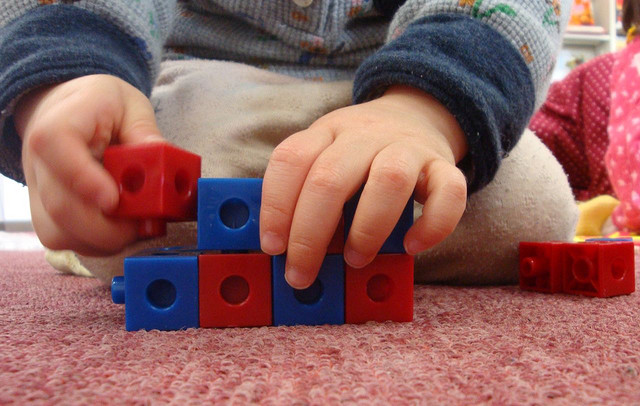
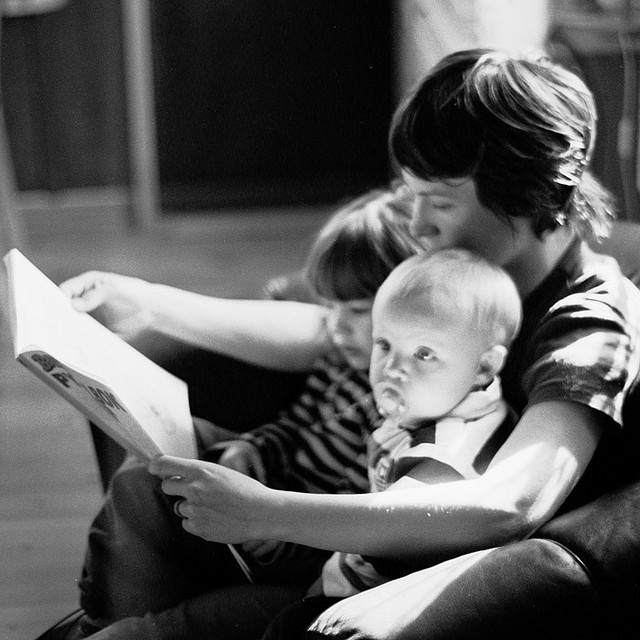


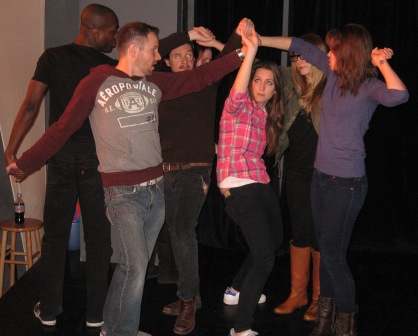

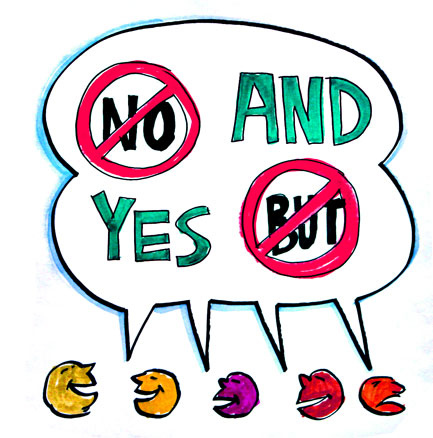
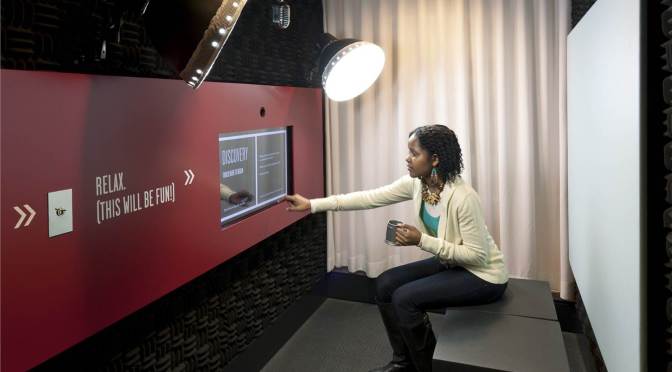
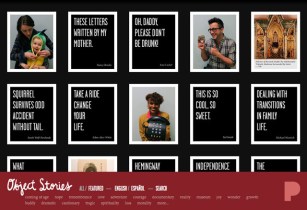


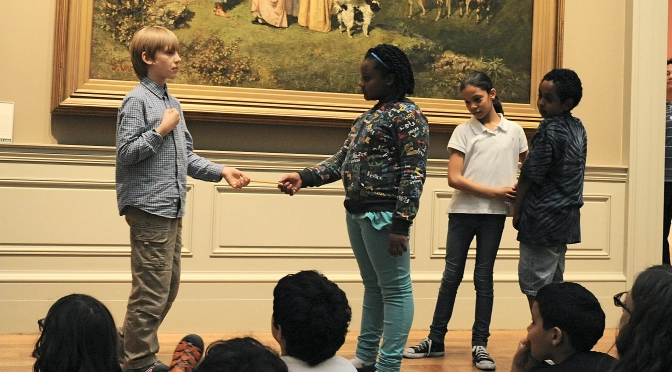


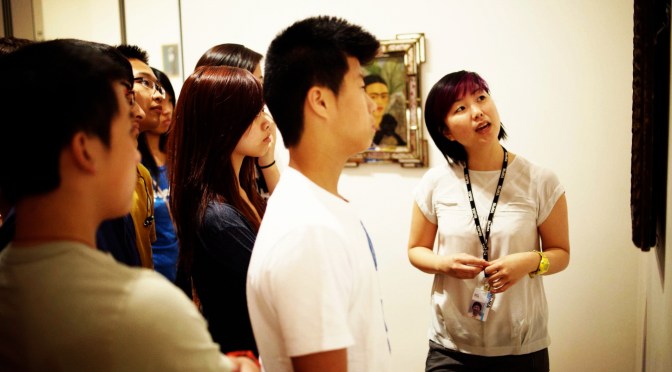
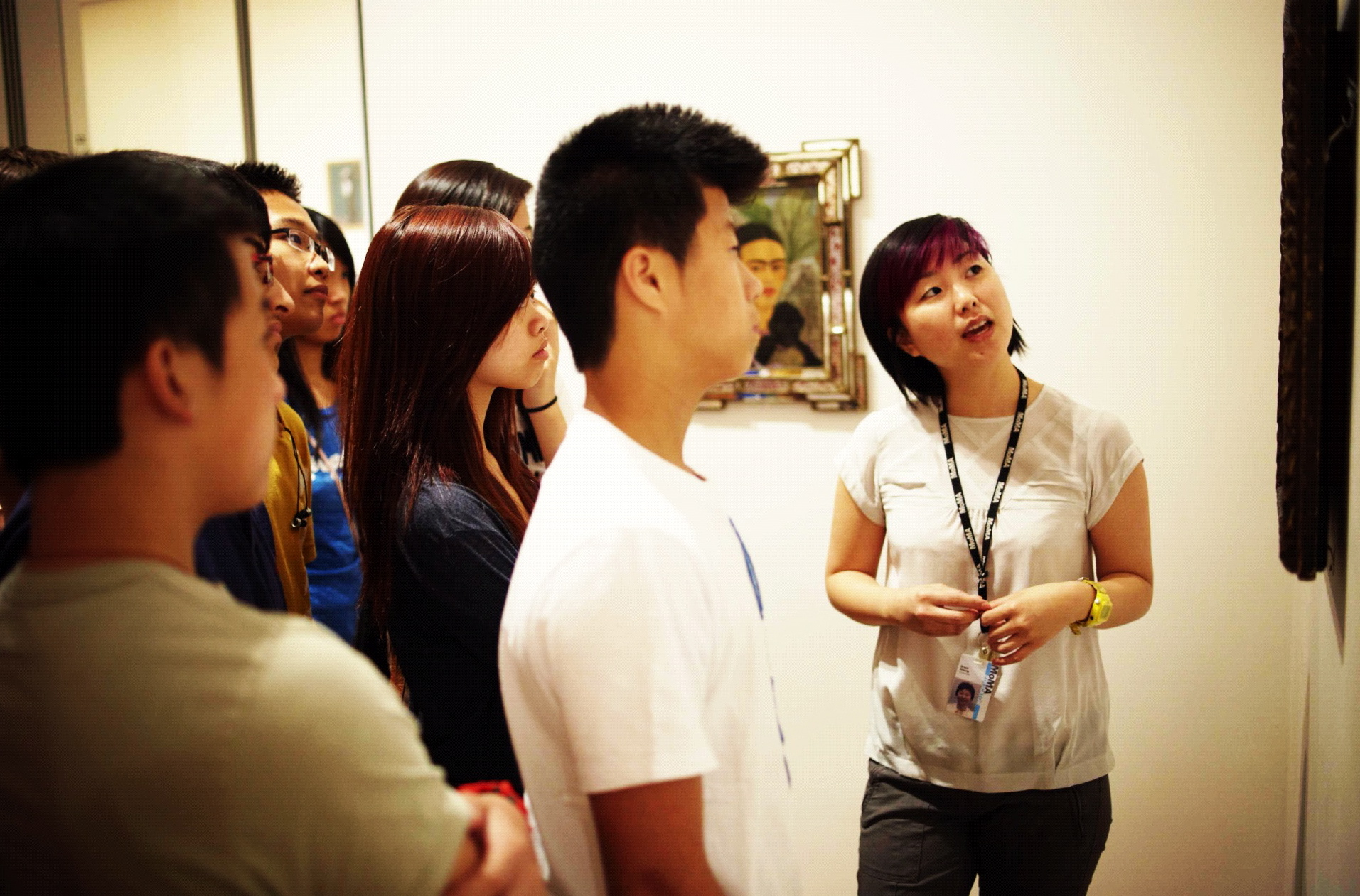
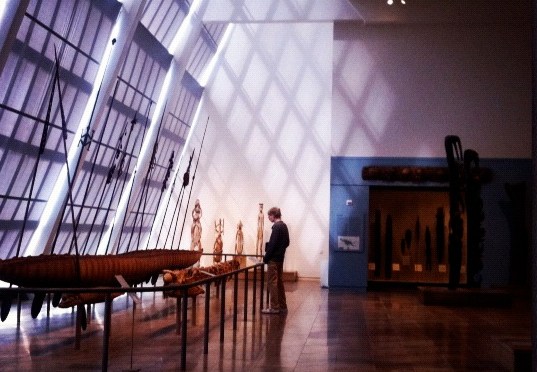
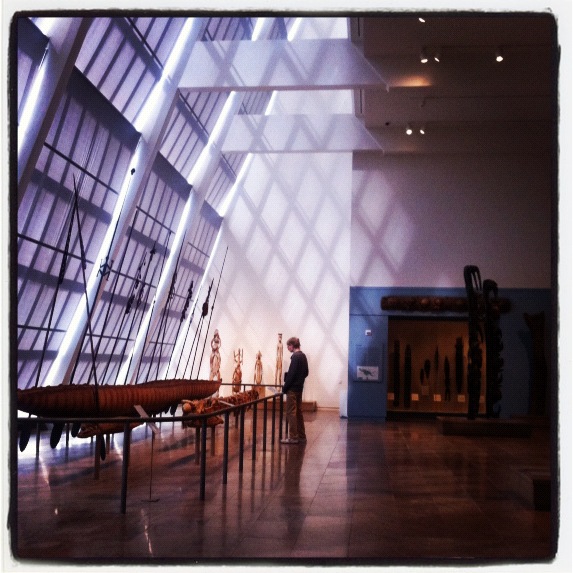
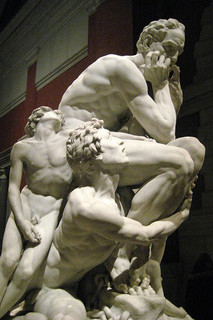
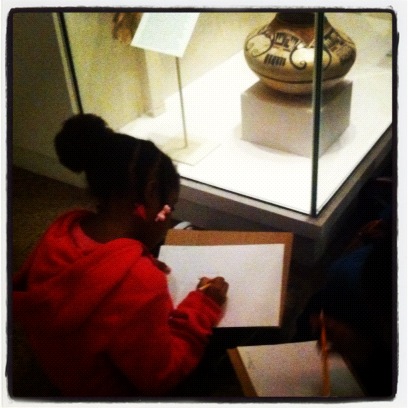


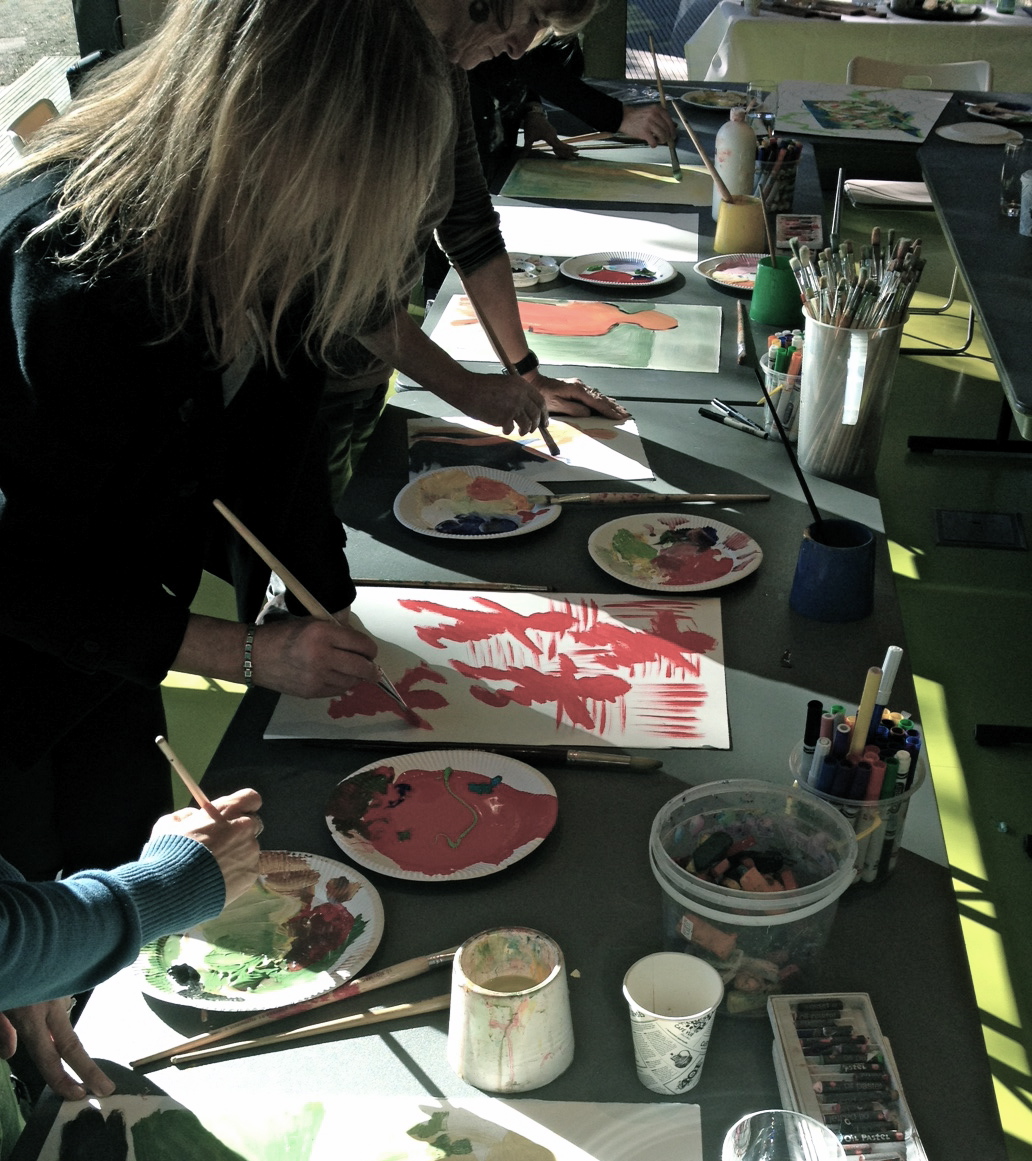



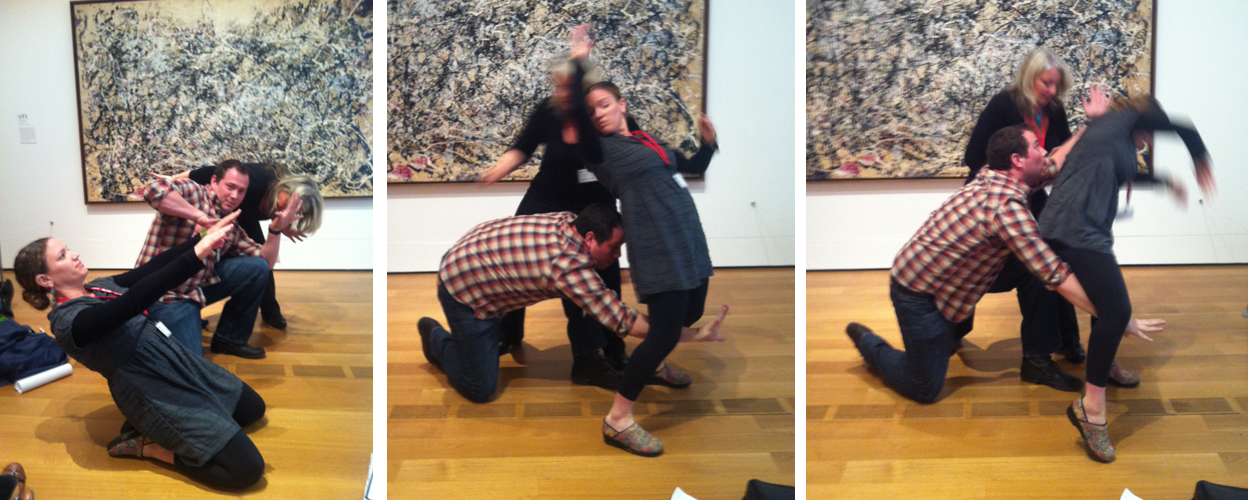



 Art Museum Teaching