Have you ever gotten home from a conference abuzz with excitement about all the new ideas, people, and programs you’ve learned about and discussed? If so (after you finally recover from all that intense thinking), I’m betting you then thought: “Wow, it’d be great if I didn’t have to wait a full year to get a taste of that again.” Well, that’s exactly why we began a Peer-to-Peer Initiative for the National Art Education Association’s Museum Education Division — to use technology to connect with colleagues and share our ideas and programs in an informal way, outside of conferences.
We’re pleased to announce a pilot series of Google+ Hangouts On Air in the next month. These Hangouts will highlight current work in our field in the conference-like spirit of sharing, discussion, and best practices. (Minus the week-long period of exhaustion and hundreds of emails in your inbox to catch up on afterwards!)
So, please join us for any or all of the below Peer-to-Peer Hangouts this month! Each is about an hour and they are open to all museum educators, regardless of whether you’re an NAEA member.You can find detailed login information for each Hangout on the NAEA Google+ Page.
Tues, Nov 26 | 4 PM EST Social and Interactive Programs for Adult Visitors
Molly Kysar (The Metropolitan Museum of Art), Katie Hill (Minneapolis Institute of Arts), and Jaime Kopke (Denver Art Museum)
Fri, Dec 20 | 1 PM EST Artists as Audiences
Michelle Hagewood (The Metropolitan Museum of Art)
Some friendly reminders on how to Hangout — be sure that you sign up for, or activate, a Google+ account (not just a Gmail account). You can’t actually “hang out” if you don’t have Google+! Find instructions here. Once you’ve got an account, add NAEA Museum Education Division to your circles so you can easily join in the Hangout event. And if you need more details on how to Hangout, there are some more materials on how to join in on the NAEA Museum Education Division page (scroll down a bit to find the resource).
And of course, once you’re hanging out with us or after you watch an archived Hangout, join the conversation on Twitter using #MusEdPeers!
Since this is a pilot, we’d love to hear feedback from you as the Hangouts launch. Similarly, if you have an idea for a future Hangout, post it on our Google+ page or contact Michelle Grohe or me.
We can’t wait to Hangout with you soon!
Editor’s Note: As ArtMuseumTeaching stays connected to NAEA’s Peer-to-Peer Initiative and all of these fantastic Hangouts, you’ll be able to find discussions and links to post-hangout video archives here, as well, on this sites Google+ Hangout section. So let’s all get connected, and spread the word!
“Art is a space, which we have created, where we can cease to subscribe to the demands and the rules of society; it is a space where we can pretend. We can play, we can rethink things, we can think about them backwards.”—Pablo Helguera
As museums face the current challenges to drive relevance through becoming more active, participatory, responsive, and community-based, projects such as the ones explored in this past week’s posts indicate a potentially transformative role for artists to play. Whether rethinking a museum’s visitor experience, reinventing the public spaces of and around museums, drawing on creative practice to break museums’ ‘old habits,’ or interrogating the internal culture and working of the museum, artists are effectively exploring museum institutions as sites with a distinct “possibility for evolution,” to reconnect with the powerful words from Joseph Beuys that opened this series of posts (and from which the title of my paper came).
This final excerpt from my paper presented as part of the International Museum Forum in South Korea in October 2013 discusses the artist-driven program I am directly involved in here at the Portland Art Museum. In addition, I’m concluding this post with some of the “core, burning questions” that institutions involved in this work are addressing — especially as many of these projects are in a current phase of reflection and rethinking.
Portland Art Museum’s Shine a Light
“Art and everyday life share a common and continuous border. They coexist in the same reality, divided and defined by a border that twists, turns, open and closes. The edges of the museum are part of that border, and like the imaginary line between any contested territories, this boundary does not completely reflect the reality on the ground.” —Paul Ramirez Jonas (“An Imaginary Line,” Shine a Light 2013 program)
Museum visitor engages with Duane Hanson sculpture as part of Shine a Light 2011, Portland Art Museum. Photo by Jacob Iller.
At the same time that the team at the Walker Art Center was preparing to launch Open Field and Machine Project had recently experimented at the Los Angeles County Museum of Art (which preceded their work at the Hammer Museum), the Education team at the Portland Art Museum began conversations with the faculty in Art & Social Practice at neighboring Portland State University around similar types of experimentations. The immediate outcome of this collaboration was Shine a Light, a new annual one-night event at the Portland Art Museum dedicated to experimentation, play, and participation. Emerging out of a collaboration between the museum and Portland State University’s MFA program in Art & Social Practice, Shine a Light invited the MFA program’s faculty and students to propose a series of projects that would experiment in and with the Museum space — conceiving the museum as a laboratory for ideas and interventions. As Christina Olsen, then Director of Education and Public Programs at the museum, recounts:
“Over lunch one day, I began to talk with Harrell Fletcher and Jen Delos Reyes—co-directors of PSU’s Art & Social Practice program—about the the ‘habits of mind’ that govern both museum visitors and museum staff, and ways we might collaborate to expand such mindsets” (Shine a Light 2010).
Inspired by the Machine Project’s Field Guide to the Los Angeles County Museum of Art one-day event in November 2008 as well as the broader approach and process of social practice art, the team at the Portland Art Museum and PSU launched the first Shine a Light event in September 2009. For six hours, the museum was a space in which sixteen artists enacted projects that offered visitors new, unanticipated, playful and provocative ways to experience the museum. The goals established during this first event—which have remained the core goals for this project up through the most recent Shine a Light event in 2013—included:
Situate art (producing, interpreting, enjoying, puzzling over) as a living activity that everyone can participate in.
Encourage an atmosphere of participation between the museum, its visitors, and artists.
Make the museum a “site” of artistic production and practice.
Inspire inquiry into the connection between art and everyday life.
Have fun!
Artist-led projects that have been part of Shine a Light since 2009 have ranged from live Greco-Roman nude wrestling, a museum cookbook, dead artist seances, and haircuts inspired by artworks in the collection to inviting visitors to have a work of art tattooed onto their body, to sing songs about a work of art, or to display their personal cell phone photos within the museum’s photography collection. Here is a video compilation that features projects from Shine a Light 2013:
Since the project’s launch in 2009, the annual Shine a Light event has brought together more than 9,000 participants to actively engage in a total of 88 artist-driven projects spread across the entire museum campus, successfully cultivating a younger “millennial” audience as well as encouraging existing audiences to rethink what is possible in an art museum. In its four iterations, Shine a Light has built a unique framework to work closely with emerging and professional artists and to provide an ongoing platform for the Museum, artists, and audiences to actively learn and experiment with one another.
In her introduction to the 2013 Shine a Light event program, Associate Director of Education & Public Programs Stephanie Parrish encapsulates much of the museum’s current thinking about this experimental project:
“In its ideal form, a program like Shine a Light is a platform that nudges us to wonder; to consider art museum spaces as flexible sites where one’s identity as an artist, an institution, or a member of the public is increasingly fluid…. We find ourselves in a hybrid zone, somewhere on a continuum where museums not only display but also produce art, where artists shape and are shaped by institutions and are not just pitted against them, and where multiple publics see themselves as participants in and reflected through the art. Shine a Light is a space where we co-produce museum experiences and adjust our perspective of where art, artists, and institutions intersect in our everyday lives.” (Shine a Light 2013 program, 1).
Raising Core Questions
Museum visitors receive tatoos based on works of art in the Portland Art Museum’s collection as part of a Shine a Light project by artist Jason Sturgill.
During the 2013 Open Engagement conference — an international gathering of artists, educators, curators, and scholars in the field of social practice and socially-engaged art—one of the panel sessions entitled “Art Museums and Social Practice: Where Are We Now?” brought together nearly a dozen museum professionals and artists engaged in this type of practice within their own institutions. Facilitated by the Shine a Light team at the Portland Art Museum, the thinking around this panel session began months in advance by having museum professionals and artists define the ‘burning questions’ that were core to their own involvement with this practice in museums. After gathering ten pages filled with questions, the group was invited to “crowd-source” the most urgent questions by marking the questions most relevant to their own practice.
At the Open Engagement panel discussion, the top questions were revealed and discussed, and I think perhaps it is an appropriate way to end this paper by simply presenting these and other questions that are now sparking some open thinking in the field across institutions.
Are we doing this work to broaden our audiences or to serve existing audiences?
What’s the difference between an artist doing this work versus a public engagement or education department doing it?
What does success look like? How do we measure success?
What happens when institutions collaborate with artists? How can the questions artists ask reshape us as practitioners and reshape the museum itself?
Many of the answers to these and other questions are localized to each project and institution (some have even been addressed above by existing projects), yet certainly some common responses will emerge as institutions push ahead with experimental, participatory practices that open the spaces of museums to the work of social practice and socially-engaged artists, as well as museum staff that have been gaining a tremendous level of creative capacity through this type of work. Overall, many of these core questions bring the conversation back to the ability of these socially-engaged, participatory projects to effect change — whether that is shifting the ‘mindset’ for museum visitors as well as the communities that engage with museums, or a more broad social change felt in the community.
This post is part of a series I am writing this week to explore the role of artists and artistic practice in the experimental work occurring in art museums across this country, and beyond. In order to more effectively examine the ways in which art museums have become sites for socially-engaged practice and new forms of artist-driven public engagement, I’m interested in taking some time to showcase three telling cases that have been developed in museums at a parallel moment these past few years:
Selected from more than a dozen examples of this type of practice, these three projects each have stretched and pushed their institutions in new and productive ways, opening up unanticipated, thought-provoking, exciting, and even uncomfortable ways for visitors to experience an art museum.
To help get a sense of how many arts enthusiasts, museum professionals, and educators are aware of these types of experimental museum projects, I’ve been asking readers to please take a few seconds and complete the poll below, if you have not already.
Thanks for responding to the question above. Now onto the second telling case of great work being done in this area of museum practice.
Machine Project at UCLA’s Hammer Museum
“Almost every day now I think about the power that intimacy can have, and that we don’t need to serve a thousand people with each project. We’ve talked often about how you measure success: it’s not just the number of people that come through; quality is part of it.”—Allison Agsten, Machine Project Hammer Report
Machine Project’s Live Museum Soundtrack at the Hammer Museum. Guitarist Eric Klerks improvises music for each artworks this visitor views.
In 2010, the Hammer Museum at the University of California, Los Angeles, invited the artist/performer collaborative Machine Project to produce a year of programming which proposed new, alternative, and experimental ways of presenting work at the museum. This decision came out of a process in which the museum worked with a newly-created Artist Council to address many of the visitor services issues the museum was struggling with. Striving to be a truly artist-driven institution, the museum received funding from the Irvine Foundation to create its Public Engagement Artist in Residence program, with Machine Project being the first. Over their residency, twenty-six projects were implemented, including personal soundtracks for visitors, staff pet portraits, table tennis, printmaking workshops, micro-concerts, and a giant animatronic hand that pointed people to different areas of the museum.
The Hammer’s Public Engagement Artist in Residence program specifically sought to bring the creative process of artists into the museum, setting out to utilize artists as problem solvers for visitor services and operational concerns. As Mark Allen, Director of Machine Project, discusses in his introduction in the Machine Project Hammer Report (2012), however, this became a point of tension between the museum and Machine Project artists:
“When people at an institution speak of a problem, it is often to indicate something that interferes with their operation. From the artist’s perspective, a problem is a provocation or a site to which the artwork responds by creating something that engages the problem and makes it visible in a different light. The problem is aestheticized, framed, or reconfigured; it is seldom erased or resolved.”
micro-concert as part of Machine Project’s residency at Hammer Museum.
The Hammer Museum and the artists working with Machine Project have been transparent about these tensions in a unique way that spotlights how productive it can be for visitors to think critically about the museums they visit. While bringing in artists to “fix glitches” may not be a successful goal for experimental practice like Public Engagement, having artists collaborate with museums does work toward more process-oriented goals of having critical conversations about creative negotiation, of building capacities for collaboration, of encouraging museums to cede more control to their communities, and of reconsidering how these institutions engage their publics. Reflecting upon the project in 2012, a year after its conclusion, the team at Machine Project observed:
“A year later, what seems most interesting about this project is not just what the public experienced, but everything that took place behind the scenes – the conversations with artists, the challenges inside and outside of the museum, the logistic and philosophical issues involved in attempting to suggest other uses for a major cultural institution.”
This single example of the Hammer Museum’s Public Engagement Artist in Residence program clearly indicates the value of artist-driven visitor engagement, and their work has served as a guide for other institutions to have “a better sense of the terrain” in pursuing similar endeavors.
This post is part of a series I am writing this week to explore the role of artists and artistic practice in the experimental work occurring in art museums across this country, and beyond. In order to more effectively examine the ways in which art museums have become sites for socially-engaged practice and new forms of artist-driven public engagement, I’m interested in taking some time to showcase three telling cases that have been developed in museums at a parallel moment these past few years:
Walker Art Center’s Open Field
Machine Project’s residency at UCLA’s Hammer Museum
Portland Art Museum’s Shine a Light
Selected from more than a dozen examples of this type of practice, these three projects each have stretched and pushed their institutions in new and productive ways, opening up unanticipated, thought-provoking, exciting, and even uncomfortable ways for visitors to experience an art museum. The teams and communities involved with each of these projects have certainly walked away with their own unique ‘lessons learned’ as well as several core questions that have already led to pushing this type of practice forward at these and other institutions. Given the co-produced and co-authored nature of this type of experimental practice in museums, the text for each of these posts similarly draws in many of the voices involved at each site — quoting artists and museum staff to honor their core role in this challenging and meaningful work.
Before we begin, I have a question to ask you. To help get a sense of how many arts enthusiasts, museum professionals, and educators are aware of these types of experimental museum projects, please take a few seconds and complete the poll below. I’m going to keep this poll going for a while, so please invite your peers and colleagues to submit their own response.
Thanks for responding to the question above (BTW, the first poll ever on ArtMuseumTeaching.com — don’t worry, it’s not going to become a regular feature of my posts). Now onto the first telling case of great work being done in this area of museum practice.
* * * * *
Walker Art Center’s Open Field
“What does it mean to be creative as conscious social activity—to create a commons, rather than individualizing creativity?” —artist Josh McPhee in the “Introduction” to Conversations on the Commons
Open Fieldis the Walker Art Center’s experiment in participation and public space. Taking place outdoors in the summer months since its launch in 2010, the project invites artists and visitors to imagine and inhabit the museum’s campus as a cultural commons—a shared space for idea exchange, creative gatherings, and unexpected interactions. The Walker’s backyard has been home to numerous planned and spontaneous activities during its three years of Open Field, including music performances, artist-in-residence projects, Internet cat video festivals, juggling lessons, Drawing Club, pickling workshops, yarn-bombing, temporary sculpture installations, a concert of people mowing the field in tandem, and so much more. The initiative began with a simple question: “What would you do in an open field?” Through this experiment in ‘letting go’ of cultural authority and control, the Walker Art Center has been pioneering in its rethinking of public gathering spaces and the role of the art museum in creating something with its public rather than simply for its public.
In addition to being an open creative space for public participation, the Walker Art Center also imagined the potential for professional artists to experiment with public practice in the commons. Working with artists and collectives who embraced their vision for public engagement and collaborative investigation, the Walker Art Center commissioned groups such as Futurefarmers, Machine Poject, and Red76 to envision and implement projects during the summer—both pushing the creative and artistic thinking about the space, as well as to model possible creative activities to the larger community (who were interested in participating, but nervous about what this might look like in the context of a contemporary art center). In the 2012 publication Open Field: Conversations on the Commons, which documented the first two years of the project, Open Field co-creator Sarah Schultz describes the vital role that these artists played:
“The socially engaged practices of these artists and the intellectual and creative rigor with which they approached the aesthetic, social, and political implications of commons-based cultural practices were crucial to project’s evolution.
“The resident artists’ openness and warmth toward the public and their willingness to allow their work to unfold alongside whatever else was happening on the hill played an important role in what Open Field would eventually become: a porous environment that blurred the lines and leveled the playing field between professional and nonprofessional artists, weekend hobbyists, and creative enthusiasts.”
As the Walker Art Center’s education and public practice staff continue to reflect upon Open Field and plan for future directions for this project, there is little doubt that they have shifted the conversation about museums, public practice, and community participation as well as the ways in which museums can collaborate with artists and artist collectives.
An estimated crowd of 6,000 gathered at sundown outside the Walker Art Center in Minneapolis for the first “Internet Cat Video Film Festival,” August 2012, as part of that summer’s Open Field. Photo from http://www.twincities.com.
Did you get the chance to visit Open Field and attend any of their programs so far? What were your experiences? What is the role of a space like this at an art museum? Does it matter if anyone actually enters the museums itself? What does the future hold for projects like this? Please chime in below and add your perspective.
I was honored to have been invited to participate as a speaker at the forum, presenting in the area of “Social Responsibilities and Roles of Museums for Participation, Communication, and Change.” I took this opportunity to spend time thinking more about the role that artists play in museums working toward a more participatory, public, and social practice. At the Portland Art Museum in 2013, we were entering our fifth year of collaborating with social practice artists, and our “Shine a Light” program has been developing in parallel with (and informed by) several other such programs across the country. For the international audience at Yeongwol, I chose to take a few steps back and reflect on the importance of artists in the experimental work of museums, bringing to the foreground projects at the Walker Art Center, Hammer Museum, and Portland Art Museum. Below is an excerpt from my paper (you can view my presentation slides here), and I have followed-up with individual posts focusing on each of these three institutions as well as some core questions that emerge as institutions push ahead with experimental, participatory practices that open the spaces of museums to the work of social practice and socially-engaged artists.
* * * * * *
“Art is the only possibility for evolution, the only possibility to change the situation in this world.” —Joseph Beuys
Students from Portland State University’s MFA in Art and Social Practice at the Portland Art Museum, 2010. Photo: Jason Sturgill
In a rapidly transforming world of social media, massive open online learning, and increasing demands for active participation and collaborative engagement, museums have been faced with the challenge of redefining their public practice. As Graham Black states in his recent book Transforming Museums in the Twenty-First Century (2012), “people today increasingly refuse to be passive recipients of whatever governments, companies, or cultural institutions such as museums offer” (3). Instead, museums need to engage with users as active participants, contributors, and collaborators, continuing to change and take on new meanings and roles as society continues to transform itself. Nina Simon’s pivotal book The Participatory Museum (2010) firmly established the need to develop a more participatory mindset and to reconnect with audiences through diverse forms of participatory experiences—a text that has remained at the core of conversations about this element of museum practice since it’s publication, in part due to Simon’s widely-read blog Museum 2.0. However, the broader arts and culture sector in the United States has also seen this shift occurring.
Machine Project’s “Live Personal Soundtrack” at the Hammer Museum, May 2010. http://hammer.ucla.edu
The 2011 study published by the James Irvine Foundation entitled Getting In On the Act: How Arts Groups Are Creating Opportunities for Active Participation draws insights from a much wider field of nonprofit arts groups and experts to explore a new model for understanding and supporting active, participatory practices. The Irvine Foundation report suggests that “the value of the arts in this participatory culture is its ability to connect people through shared experiences and to contribute to vibrant, livable communities.” The report’s human-centered focus brings much-needed attention to the value of the arts—and especially arts institutions such as museums—to connect people, to create shared social experiences, and to contribute to the cultural fabric of the communities in which we live and work.
Over the past few years, the Irvine Foundation’s Arts Innovation Fund has supported arts organizations across California—including 7 art museums—to experiment with innovative projects geared toward achieving new relevance for audiences, communities, and artists. One example of such a project is the Public Engagement Artist in Residence program at UCLA’s Hammer Museum. Outside the boundaries of the museum’s traditional curatorial operations, this recently developed initiative brings artists together with museum staff in a collaborative process to investigate public engagement and, according to artist Mark Allen, to open up a more exciting and fundamental challenge:
“to rethink the way museums operate and to propose changes that would make the museum as an institution better attuned to contemporary art practices” (Machine Project Hammer Report, 12).
The Hammer Museum is now one of several institutions bringing artists and artistic practice into their efforts to become more audience-centered, community-based, and participatory. As artists gain more creative input in museums and activate museum spaces and publics in new, unexpected ways, it is important to take a closer look at these emerging experimentations and consider their place in the evolving practice of museums.
ARTISTS EXPERIMENTING IN ART MUSEUMS
“I don’t think ideas are very valuable in themselves. It’s only in the doing of the idea that you learn anything, or anything interesting happens.”—Mark Allen, Machine Project Hammer Report
Experimental work in museums has been a growing topic of conversation among museum professionals, and an increasing number of institutions have gone down the path of taking risks and developing new kinds of projects that consider the roles of art, artists, and visitors from a fresh perspective. As part of this shift in museums, more and more institutions are working with artists in ways that expand far beyond simply placing their works on the walls, instead inviting artists to bring their artistic practice to bear on creating experiences that actively engage visitors and, in many cases, also interrogate the role of the museum within their community. While they frequently meet resistance from within the museum institution for seeming frivolous or without intellectual content, these projects largely succeed (because of the involvement of artists) in transforming museums into open spaces of curiousity, experience, collaboration, risk-taking, and creativity. In writing about the November 2012 panel discussion entitled “Do We Need Artists in Art Museums?” held at the J. Paul Getty Museum, Annelisa Stephan aptly remarks:
“Inviting artists into the institution … has ramifications far beyond any individual project. Including artists means taking risks and ceding control; it means changing how museum staff work together; and it even means shifting what a museum is, from a space for art to a space of art.”
During the 2012 American Association of Museums Annual Meeting, a group of museum experts including Maria Mortati (independent exhibit developer), Sarah Schultz (Walker Art Center), Susan Diachisin (Dallas Museum of Art), and Stephanie Parrish (Portland Art Museum) came together to address some of the issues and questions surrounding experimental projects in art museums, thinking about public practice as well as working with socially-engaged artists. This important session explored how to support, realize, and engage with a variety of experimental projects, leaving attendees—and the entire museum community—with an “An Elastic Manual for Experimental Museum Projects.” Thinking critically about why art museums would do this type of work, they laid out a series of key statements supporting projects driven by these artistic practices; among them were:
It will expand your role in the community: the work is more social and each project appeals to different audiences. It relies on networks inside and outside the museum to function and therefore has a greater reach.
It pushes all departments: it innovates all areas of the museum, by engaging them in the art-making.
It is the closest thing so far to working in line with how artists create.
You are furthering a conversation with contemporary work: these projects directly engage with new art forms.
In a March 2013 article entitled “Outside the Citadel, Social Practice Art Is Intended to Nurture,” New York Times arts writer Randy Kennedy examines the recent rise of social practice art and its connection with museums. “Its practitioners,” states Kennedy, “freely blur the lines among object making, performance, political activism, community organizing, environmentalism and investigative journalism, creating a deeply participatory art that often flourishes outside the gallery and museum system.” As he notes, social practice artists more frequently find themselves in dialogue with museums through the education and programs departments rather than through the traditional curatorial route — this would be true of the institutions and projects described here. In an interview with Helen Reed, Artist and educator Pablo Helguera discussed how institutions, and education departments more specifically, can provide some safety to these types of socially-engaged projects. He suggests that:
“the reason why education departments appear to be very welcoming and very appropriate for this kind of stuff is because they are designed for people. Education is about people and about visitors and they are adjusted to the porosity of social relationships.”
* * * * * *
A series of subsequent posts (see links below) shed some light on 3 projects that are working to redefine how art museums work with artists and their publics via a new form of participatory practice. And be thinking about some of these core questions as you read this series of posts, which will end by grappling with some of the challenges:
What happens when institutions collaborate with artists?
How can the questions artists ask reshape us as practitioners and reshape the museum itself?
What’s the difference between an artist doing this work versus an education department doing it?
What does success look like? How do we measure success?
Header Image: Photo of “The Serenades” from https://publicwondering.wordpress.com, taken at Portland Art Museum during a Shine a Light event. The Serenades were a series of performances by Portland based musicians for the Shine A Light event at the Portland Art Museum. Artist Ariana Jacob invited each musician to compose an original piece of music specifically for an artwork of their choice from the museum’s permanent collection. The performances explored and modeled creating direct and personal relationships with visual artworks using different forms of music, including pop, electronic, spoken-word/hip hop and classical. Original songs written and performed by: Mirah; Joe Preston of Thrones; Honey Owens of Valet; Khaela Maricich of The Blow; Christopher Doulgaris of Hooliganship & Jonathan Sielaff and Drew Slum, Terms None & Blacque Butterfly.
By Anne Kraybill, School and Community Programs Manager, Crystal Bridges Museum of American Art.
Early in my career, I worked at an art museum that experienced what many art museums have experienced, a steady decline in school tours. Our tours did not cost anything to the schools, we had a grant for some transportation and the school district had funding as well. As an institution, we were puzzled. If the tours were barrier-free in terms of cost, what could be causing this? This was just around the time of the initial implementation of No Child Left Behind (NCLB), and we had anecdotal evidence that preparing for the NCLB test was deterring administrators from approving field trips during the months preceding the exam. But even in the non-test prep months, attendance was down.
As I progressed throughout my career, I continued to face the challenge of convincing administrators that a trip to the art museum is a worthy endeavor. Even with funding for transportation, it has been a difficult case to make with little rigorous research available to back up our arguments. Through my teaching practice in the gallery, I can see the connections students are making: the critical thinking and inference, and the expansion of their interpretive framework that opens up their world. But could it be proven? We needed hard numbers: How does a one-time field trip to an art museum actually impact a student, and is that impact enough to convince an administrator?
Fortunately, Crystal Bridges Museum of American Art inherently believes in the power of the field trip and the multiple effects it has upon student learning. Thanks to the generosity of the Willard and Pat Walker Charitable foundation, the Museum established a $10 million endowment that provides every school with transportation, substitute teachers, and a lunch for students during their museum visit. This makes a field trip barrier free and as one might imagine, the demand was high. Everyone wanted to visit the Museum when we first opened. But as I had experienced previously, financial barriers are not the only challenge to ensuring school visitation. How could we ensure that five or ten years from now we still had the same interest and support from school administrators?
Photo by Stephen Ironside
Located in the Ozarks, Crystal Bridges is the first large art museum in the region. Prior to the opening of our Museum, schools would have to drive to Tulsa or Little Rock to visit an art museum. The combination of never having an art museum in the area, plus a demand for field trips that exceeded our Museum’s initial capacity, lent itself to a natural experiment. We contacted the University of Arkansas, Department of Education Reform to measure the impact a one-time field trip has upon students.
Researchers Jay Greene, Brian Kisida, and Daniel Bowen designed a random assignment study. Schools applied to visit the Museum in grade levels or pods. Groups were matched and then randomly assigned whether they would get the field trip right away, or if they would get the field trip later. Once the study began, the treatment group visited the Museum and the control group was surveyed. Following the field trip, the treatment group was surveyed (an average of three weeks after). The research was conducted from March through December 2012. There were almost 11,000 students and 489 teachers at 123 different schools throughout the region in this study.
Tour Methodology
Crystal Bridges school tours are similar to those at many art museums. We use interactive dialog that allows the tour to be student driven. Students make observations or statements and Museum Educators respond through paraphrasing, questions, or layering additional contextual information for the student to a level of understanding that they might not get to on their own. For many students and their teachers this is their first time on an art museum field trip. We want to be sure they know this is not about the passive reception of information. We emphasize to the students that this tour is about their ideas, and we produced a video to help deliver this message:
Tours are led by Museum Educators that are on staff rather than a volunteer corp. As they are leading tours daily, the educators are continually refining and reflecting. In addition, peer review and mentoring is part of the training process.
The Findings
Photo by Stephen Ironside
The researchers were interested in revealing several areas of possible impact. These included cognitive and non-cognitive skills from knowledge acquisition, critical thinking, tolerance, historical empathy, and desire to visit museums in the future.
Overall, students remember what they learn from works of art! Shocking I know, but students were able to answer very specific questions about contextual information, demonstrating that they retained that information not because they had to for a test, but because it was interesting information to keep.
In critical thinking, students also displayed more observations and inferences if they had been on a field trip.
Students indicated that they would be more open to diverse opinions, even if they were in opposition to their own thinking.
Students were better able to imagine a situation unlike their own in the form of historical empathy.
There was also a built-in behavioral measure indicated if the treatment or control group would be more likely to come back to the museum. The treatment group did independently return with their families at a higher rate than the control. In all of the areas there is an impact, but the most significant impact is found within student populations that are considered to attend low-socio economic and/or rural schools.
With recent research in non-cognitive abilities as a predictor of student success, these findings help to make a rigorous case to administrators, policy makers, philanthropists, and educators that there is significant value in a field trip.
ANNE KRAYBILL: School and Community Programs Manager at Crystal Bridges Museum of American Art. With a team of educators, she developed and implemented all programming related to K-12 students, teachers, and pre-service teachers as well as community groups. She has held positions at the Walters Art Museum in Baltimore, MD, the Pennsylvania Academy of Fine Arts, Norton Museum of Art in West Palm Beach, the Center for Creative Education, and the Vero Beach Museum of Art. Prior to joining Crystal Bridges, she worked as the Art School Director at the Durham Art Council, managing visual and performing arts classes for over 3,000 youth and adult students annually. She is currently developing a distance learning initiative for Crystal Bridges and pursuing her Ph.D. in Education Policy at the University of Arkansas. Anne’s postings on this site are her own and don’t necessarily represent the Crystal Bridges Museum of American Art’s positions, strategies, or opinions.
“For arts marketers, it’s no secret that the engagement models of yesterday are being cast off in favor of fresh, bold ideas to boost audience development and revenue. If we’re keeping track, however, some of the new approaches that have been successful for organizations across the country would have seemed downright weird in decades past. Inviting naked cyclists into a museum to find new audiences? Bringing art to the local laundromat to promote community dialogues? Bringing random strangers together to interpret permanent collection pieces? These concepts may seem bold, but for [these 3 organizations], weird strategies like these have fostered an organizational culture that draws in the community and gives patrons an experience they won’t soon forget.”
Hack the Museum 2.0
Hack the Museum
Should anyone be surprised to find Nina Simon and the Santa Cruz Museum of Art & History at the top of the list of experimental, participatory organizations? I mean, she wrote the book on this type of work … literally. But instead of getting into a rut or taking any easy routes, Nina continues to lead her institution as a pioneer of participatory practice. And, more importantly, she is working to support and scaffold this type of work well beyond the walls of her museum — this summer’s “Hack the Museum Camp” brought together 75 creative and museum professionals for 48 hours to create a museum exhibition that challenges the way people think about displaying the art, history, and the heart of Santa Cruz.
Through this experience, the Museum of Art & History becomes a petri dish for participatory practice that is inevitably expanding to artistic and institutional practice far outside of the ‘innovative sunshine’ of California. The camp’s website nicely sums up the “Why”:
“To invite unusual collaborations, to give people a space to test out their craziest dreams, to push professionals to do something quickly, to encourage experimental thinking and prototyping.”
Wash Clothes, Make Art, Build Community: The Laundromat Project
I was truly inspired by the report’s feature on the Laundromat Project, a unique project that brings engaging, community-responsive art and artists into local coin-op laundromats across Greater New York City. As Rise Wilson, founder and creator, describes, the project focuses on bringing art to where the people are, and thinking about laundromats as unique community gathering spaces.
Not only are people across New York engaging in arts experiences as they wait for their wash cycle to end, but these neighborhood locations become creative spaces with the transformative potential to bring out new conversations, relationships, and a meaningful form of public art practice that spills out across the community.
“The power to harness our own imaginations is connected to a sense of freedom and agency to make the change we want in the world,” states LP Executive Director Kemi Ilesanmi. “Creativity is the engine, and we are together, with our neighbors, trying to make the world a more just and artful place one creative, unconventional, and artful intervention at a time.”
On Naked Ambition: Portland Art Museum
I vividly remember that night back in June when nearly 10,000 stripped-down cyclists converged in the park directly adjacent to the Portland Art Museum, preparing to launch the world’s largest World Naked Bike Ride to date. Instead of keeping its doors closed (which was tempting for various reasons), the Museum made the bold decision to not only open to the public that night, but to embrace the community energy and “weirdness” that is the World Naked Bike Ride.
Scantily-clad cyclists entered the Museum for $1 per item of clothing, and many (for obvious reasons) entered for free. As chance would have it, this was also the opening day for the Museum’s summer exhibitions Cyclepedia: Iconic Bike Design and Gaston Lachaise (in case you don’t know Lachaise’s work, we’re talking some monumental nude figures). 1,000 naked or mostly-naked cyclists entered the Museum from 8-10pm that night, and aside from averting my eyes as much as possible, I was reminded why I love the Portland Art Museum.
The Cyclepedia exhibition itself was a focused effort to engage in community collaborations outside of the “weirdness” of the Naked Bike Ride, with the Museum partnering with 26 organizations, bringing 40 programs to the Museum and the region, and connecting with bike builders, designers, collectors, and cycling enthusiasts across the Northwest and the globe. We brought local bicycle designers’ voices into the galleries through the Object Stories project (which can be found by searching for “Bicycle” here), and hosted a series of Summer Joy Rides that had groups exploring art and bicycle culture via community bike rides.
As the NAMP e-book declares, if any town in the US truly captures the spirit of the “weird,” it’s the artistic, DIY-loving city of Portland. And I can say, after being here for almost a year, nothing could be more true. The Museum is dedicated to relinquishing control and gaining broader community involvement, as well as experimenting with participatory engagement and social practice with programming like Shine a Light (no doubt I’ll write more on this in the coming months).
* * * * *
Karina Mangu-Ward, Director of Activating Inovation at EmcArts, pinpoints the change she sees happening across the arts non-profit sector:
“We see art organizations shifting from seeing themselves as producers of content to seeing themselves as platforms for engagement. This is a huge shift; one that requires a letting go of old ways of doing things and has profoundly exciting implications for organizations and the field.”
I know that this is happening in countless organizations across the US and the globe. Tell us about how your organization is getting “weird” or paving the path for more unconventional, risk-taking work? What changes have you seen in your organization recently that are providing space for meaningful participatory practice and playful thinking?
We recently discovered that museum educators certainly do have the time to read books! This past July, a group of us participated in the inaugural ArtMuseumTeaching Online Book Club to look at the new book Museums and Communities: Curators, Collections, and Collaboration(2013), edited by Viv Golding and Wayne Modest. With student-centred and community-centred practice at the core of what we do as museum educators, the book raised lots of ideas in relation to theory and practice and how different roles across the museum consider or enact participatory practice.
For our second Online Book Club, we thought it might be a good idea to visit (or for many of us, re-visit) a classic textLearning in the Museum (1998) by George Hein, Professor Emeritus at Lesley University, Cambridge, MA. In this pivotal book, Hein presented an overview of the traditions and history of museum education, and developed a key framework for understanding educational theories as well as making connections with visitor studies research. Hein raised education and visitor experience as important considerations for museum professionals overall as museums are forced to “justify their existence”.
View the video archive below of the October 1st On Air Google Hangout with Michelle Grohe (Isabella Stuart Gardner Museum) and myself.
Some provocations for readers as we near the Online Book Club discussion:
Does Learning in the Museum influence the practice of museum educators today? How so? Are we still in a position of having to “justify [our] existence”?
Have new learning theories emerged from within art museum education research and practice since the book was written? Did Hein pave the way for this thinking?
Does ‘education’ and ‘constructivism’ have a specific meaning for museum educators? Does meaning change across the organisation?
Have art museums changed to become constructivist-learning spaces for visitors as Hein advocates? Can we share examples from our practice to demonstrate this?
You can also check out a great Q&A with George Hein posted on the Getty’s blog while he served as their Guest Scholar back in 2011.
We would love to know if or how your practice today connects to the ideas outlined in Hein’s book (now 15 years old). Then help us to decide if this book deserves ‘classic’ status!
To learn about this and future Google Hangouts and Online Book Club discussions hosted via ArtMuseumTeaching.com, join the Art Museum Teaching Google Community.
Read on!
Note: Thanks to everyone who participated in the October 1st Online Book Club Hangout. Here is a link to the video archive:
Unknown individual plays the piano on site at the Portland Art Museum. Photo by Benji Vurong.
As a museum educator, I enjoy the elements of random surprise and creative disruption that can creep into museum practice. Experiencing the unexpected, especially in the space of a museum, can be such a rewarding thing. Back in late July, I had such an experience here at my own museum as I walked up one morning for work and heard a piano playing … and it was coming from the Museum’s outdoor sculpture courtyard. As I rounded the corner, I was surprised to see a piano sitting right there outside the Museum. The person playing the piano was truly fantastic, and a small group of people had gathered to listen — I assume that most were walking across downtown when they were drawn in by the sound of the piano.
I sat with the group for about 10 minutes, and then headed to my office with a few questions burning in my head: “Why is there a piano here at the Museum?” “How could I learn more?” “Would there be any way to keep the piano here?” I was so intrigued by how much this simple piano could activate and transform this small, public urban space.
I quickly learned that a local project called “Piano Push Play” had contacted the Portland Art Museum about placing one of their public pianos here. The project has been working this summer to place a series of pianos in public locations across downtown Portland — with the pianos generously provided by the Snowman Foundation, a music education non-profit organization based here in Portland that helps kids in need get the instruments, instruction, and inspiration they need to develop their musical and creative talents. “Piano Push Play” was founded to give the public more opportunities to see, hear, and enjoy the piano being played in outdoor spaces. And, as local project founder Megan McGeorge notes (and I heartily agree), these pop-up piano locations are “a bright spot of surprise in people’s day.”
McGeorge started the “Piano Push Play” project after experiencing “Play Me, I’m Yours” in New York City, a project developed by British artist Luke Jerram. According to his project’s website, Jerram’s street piano project has reached over three million people worldwide, with more than 800 pianos having been installed in 35 cities across the globe, from New York to London. Located in public parks, bus shelters and train stations, outside galleries and markets, and even on bridges and ferries, Jerram’s project makes pianos available for any member of the public to play and enjoy. Who plays them and how long they remain on the streets is up to each community. Many pianos are personalized and decorated by artists or the local community. According to Jerram, by creating a place of exchange, “Play Me, I’m Yours” invites the public to engage with, activate, and take ownership of their urban environment.
“Play Me, I’m Yours” at the Art Museum
As I started to search for more information about Jerram’s larger street piano project, I quickly found that many other art museums were hosting public pianos. For the weekend of Earth Day back in April 2012, the Los Angeles County Museum of Art had a “Play Me I’m Yours” public piano decorated by artist Frank Cubillos. As the LA Times noted in an article about Jerram’s street music project:
“The point is simple: Bring communities together through random acts of public music.”
“Play Me, I’m Yours” at the Cleveland Museum of Art, decorated like their famous Monet “Water Lilies” painting. Photo from http://www.streetpianos.com/cleveland2013
The Utah Museum of Contemporary Art also hosted “Play Me, I’m Yours” during 2 weeks in June 2012, with 10 pianos decorated by a series of Utah contemporary artists that were placed in public spaces across Salt Lake City including UMOCA. This summer, the Cleveland Museum of Art has jumped onto Jerram’s project — in conjunction with their celebration of the 2013 Cleveland International Piano Competition (CIPC) being held at the museum. CIPC and Case Western Reserve University are presenting Play Me, I’m Yours Cleveland, which includes a piano decorated like the Cleveland Museum of Art’s Monet Water Lilies panel that was available to play through August 18, 2013. Later this fall, as part of celebrating the 75th season of Boston’s Celebrity Series, the organization has decided to partner with Jerram to bring this public street piano installation to Boston, including a piano sited at the Boston Museum of Fine Arts this fall from September 27 to October 14, 2013. These are just a few of the art museums that have decided to get involved with “Play Me, I’m Yours,” and I’m sure there are many other art museums connected to this project or hosting public pianos outside of Jerram’s network.
Here at the Portland Art Museum, Megan McGeorge’s own “Piano Push Play” project has been drawing in lots of people in play, listen, interact with each other, and even learn about some of the organizations involved in expanding music education and access to instruments here in the Pacific Northwest. “We believe that simply by exposing people to the visual and auditory experience of a fellow human playing the piano, we are reminded of how magical and vital music is to our community,” says McGeorge, in a recent interview with OPB. “Thanks to a partnership with our organization, and our generous sponsors Portland Piano Company and West Coast Piano Moving and Storage, we are able to bring together the components of community, kids and music to the streets of Portland,” added Michael Allen Harrison, founder of The Snowman Foundation.
On several Fridays since the piano was installed at the Portland Art Museum back in late July, there have been concerts with additional instruments and noteworthy performers (the best way to find updated information is on the “Piano Push Play” Facebook page — especially since a lot of the programming is of the ‘pop-up’ variety). But the best way to experience this project is just to walk by and experience the music, the people, and the energy of this space. It is a great way for museums to continue to let go, to have community members creating and sharing artistic expressions, and to put community members at the center of a certain form of public engagement and programming.
The pianos in these projects stay in location as long as the community can support it (in terms of the cost of tuning and any maintenance needed to keep it sounding good). Through the generosity of several individuals, the piano has remained at the Portland Art Museum for several weeks past its original 12-day time slot. If you are interested in further supporting this piano, you can go to their WePay.com site by clicking on this link and find more information there.
Public Pianos as a Site of Exchange
Beyond simply having a public piano for people to play, this project intrigued me in terms of how it reactivated and energized the outdoor space between the buildings of the Portland Art Museum. And each time I stop by the piano, I am struck by the people gathered around, talking to each other and listening together. “Piano Push Play” certainly turns this public space into a site of exchange, where people meet who might never cross paths any other way in Portland.
I spoke with Megan McGeorge recently about this project, and she mentioned the powerful social and community-building element of street pianos. McGeorge, who plays at the piano herself fairly regularly, remarked, “I’ve met so many people I would have not met otherwise; playing is a great way to start a conversation.” One of the photos she shared with me (below) shows two strangers named “Safety Jack” and JB. They had never met before, but came to this piano and were teaching one another songs that they each knew.
Two strangers meet and share songs at the Portland Art Museum. Photo by Benji Vurong.
Do others’ have experience with public or street music projects like this in conjunction with a museum? Is this type of project relevant to the work of museums? How might museums play a stronger role in community-based projects like this that bring people together around arts and creativity? What would a similar project look like in the visual arts? As always, I welcome your feedback, thoughts, and comments. And perhaps you will have the opportunity to participate in “Play Me I’m Yours” or “Piano Push Play” here in Portland or in your own city. PLEASE play!
As John Dewey was integrating museum visits and other object-based experiences into his Lab Schools at the University of Chicago, Helen Parkhurst was incorporating similar principles into what would become the foundation of The Dalton School in New York City. Dalton is still committed to interactive teaching and learning in museum settings; witness my particular position as art museum educator and resident art historian within a larger Museum Program. In close collaboration with classroom teachers and other specialists, both inside and outside the school, the program integrates objects and images into the existing K-12 academic curriculum (especially in social studies and history). At the same time, it weaves age-appropriate methods and questions of art history across the school. My experiences at Dalton over the past 15 years resonate with new directions in art museum education, as the latter begins to explore its shared roots with progressive schools.
Archaeological Analysis with iPads at the Met
Third graders with iPads in the European Painting Galleries at The Metropolitan Museum of Art (Photo courtesy S. Brudnick).
Third grade doesn’t get any better than an archaeological dig. Even a simulated dig, chock full of museum replicas and flea market finds that only look like they belong to the Age of Exploration. The challenge is keeping the analysis of the finds as engaging as their recovery. In one strategy, the students revisit the Met to find comparative materials with which to determine the possible place of production of their artifacts. Using iPads to document their finds, students rely on attributes of material, shape, and style: the bend of a tree trunk, the outstretched wings of a bird, the sense of spatial illusion.
Such authentic analogies raise the level of inquiry. For example, were the artifacts from a century palace at Kashgar made locally (in Central Asia), or had they been imported from elsewhere? Why are there Chinese-style cranes on an inscribed Persian tile? By mapping their museum parallels, the students start to reconstruct the nature of exchange along the Silk Road in the time of Columbus. Their finds convince them that Kashgar was a major player in a trade network that stretched from Italy to China. The students take ownership of a history they created from the ground up. While the archaeology provides the initial motivation, an authentic visual analysis sustains it. The use of art museum replicas as primary visual resources in school (whether excavated or not, whether high or low end) provides obvious opportunities for integrated museum visits, or for similar work with online collections.
Rolling Ancient Cylinder Seals at the Morgan Library
A student’s rolling of an ancient Sumerian cylinder seal. The Morgan Library and Museum (Photo courtesy of I. Donnelly)
While the Met meets most of our needs most of the time (in terms of collection, proximity, and access), the smaller institutions can nevertheless offer more direct experiences with objects and curators. For example, a curator at The Morgan Library offers our fifth graders a remarkable opportunity with cylinder seals from ancient Iraq (ca. 3000-5000 BCE). He lets the students roll an ancient seal across damp clay to create a continuous impression of the engraved design.
What makes this experience so humbling, rather than excessive, is the degree to which it is informed by a classroom curriculum. The students arrive at the Library familiar with the iconography and function of cylinder seals in antiquity, including, for example, the way they were used to mark tablets as signs of authority. We are always delighted (but never surprised) to see the seal-bearing students quiver as they are transported back in time, knowing they are using the same object a Sumerian or Babylonian official did 3000 to 5000 years ago.
Mesopotamia Day at the University of Pennsylvania Museum
The University of Pennsylvania Museum of Archaeology & Anthropology offers a different sort of experience for our fifth graders. It is based on the museum’s renowned position at the forefront of archaeological and academic research about the ancient Near East; as well as an unusual collaboration among a number of individuals at several institutions. The excursion is organized along the lines of a junior academic conference, in which students have direct access to objects, scholars, and ancient methods of production. In one session, scholars let students handle ancient cuneiform tablets before teaching them how to make one of their own.
A cuneiform tablet made by a Dalton fifth grader at The University of Pennsylvania Museum (Photo Courtesy P. McElfresh)
One memorable moment has students passing around an ancient school tablet, used to practice making cuneiform signs on clay. They notice odd impressions along one edge. Are they ancient numbers? Is it damage? Finally, one student recognizes them as teeth marks! Indeed, a physical anthropologist had already attributed them to the teeth of a ten-year old. Suddenly, our fifth graders could identify with a scribal student who lived 4000 years ago, thinking of those moments of frustration when they leave similar teeth marks on pencils.
In another session, the students explore ancient technology with a curator from the Met, who traveled with us. They reconstruct ancient gold-working techniques by examining artifacts on display, side by side with the curator’s own microscopic photographs of the same finds. Her new photographs had been loaded onto iPads for the visit. The University of Pennsylvania Museum activities make lasting impacts on both the students and the scholars alike. For the former, it authenticates their curriculum through the lens of experiential archaeology and current research. For the latter, it challenges them to re-think their conceptions of K-12 teaching, as they interact with 100 young learners who, they admit, are more engaged by the material than many adult audiences they encounter.
I share these few museum visits — a sample of many dozens undertaken at Dalton each year — with a personal sense of excitement about the future of art museum teaching. I am encouraged to think that the recent turn by art museum educators can include renewed collaborations with progressive school educators. Our mutual interest in making visual materials accessible to a contemporary audience begs for the sort of collaboration, finally, that enriched progressive education at the turn of the 20th century. Granted, we face a challenge inconceivable in the time of John Dewey and Louise Connelly: how to take advantage of new computer technologies without compromising the direct experience with works of art.
About the Author
MICHELLE MARCUS earned her Ph.D. in Art History from the University of Pennsylvania. Before taking on the position of resident art historian and museum educator at The Dalton School in New York, she split her time between college teaching, curatorial consulting, and writing about the art and archaeology of the ancient Near East. Her research and publications have been supported by grants from the Metropolitan Museum of Art, the Getty Foundation, the Mellon Foundation, and the National Endowment for the Humanities. More recently, she has been speaking and writing about using images to teach history on the K-12 level. Beta grants from AMICO and Artstor supported her early efforts to use digital art images at Dalton.
As museum educators, we’re always trying to get visitors to slow down, but sometimes we have a more immediate task, convincing them that they are in fact looking at a work of art. Recently three New York City educators got together and talked about the most common “Is this art?” situations we’ve encountered.
Rachel Crumpler on Jackson Pollock: “My four-year-old could do that.”
Before you stop reading, let me acknowledge – yes, I have chosen a cliché. My intention is to use Pollock as a stand-in, a canonical example, of any number of more process-based works. For instance: Kazou Shiraga’s slippery barefoot paintings, Zarina’s meticulous Pin Drawings, Franz Kline’s definitive brushstrokes, or even John Chamberlain’s crunched-up cars. These works often challenge viewers’ preconceptions about what kind of art they will (or should) see hanging on the walls of the museum.
The responses vary, ranging from “My four-year-old could do that” to “It looks like scribble-scrabble, finger painting, a car wreck, a big mess.” Or the hardest response for an educator to field: the uncomfortable polite silence punctuated with a quick roll of the eye or a smirk shared between friends. Once uttered, perhaps coaxed forth, responses invariably question the artist’s skill and the overall value of the artwork. (Confession: I still have to take a deep breath and remind myself not to get annoyed when a visitor sneers and likens an artist to a four-year-old, insulting some of my favorite children as well as some of my favorite artists.) In fact, these comments are often coming from visitors who feel affronted by the unexpected and are responding defensively.
Many of the initial comments a Pollock (or any process-based work) elicits refer to how the painting was made – and also often indicate a hesitation to accept the work as art. Though stated defensively, these comments are not entirely off base. I think it’s important to first acknowledge and accept the hesitation. That’s something I love about museums. There is always some artwork that makes me uncomfortable, that challenges my own definition of what art can be. In his time, Jackson Pollock was pushing the envelope; with his artwork, he was asking questions about how art should look and how art can be made.
Conversations in museums, thankfully, are not meant to appraise the quality of the artworks viewed, but rather to unpack the inherent ideas. After recognizing the broader questions of value and defining art, leaving them open for discussion, I would want to ground the conversation in the artwork at hand. For Pollock, I would want to return to the implicit observations made in the initial comments and how they relate to the creative process. What about the painting makes it look like scribbling, finger painting, a mess? Where, specifically, in the painting do you see that?
The ensuing conversation will vary, depending on who is taking part and what the original comments were; any number of approaches could move the discussion forward.
I might show some of Pollock’s earlier and more representational work from his years with the Art Students League. Looking at the two works side by side silently states that the abstraction is a choice, not a matter of ability. I might ask the group how the two would be different to make. Or I might share that Pollock lived with his wife Lee Krasner in a farmhouse on Long Island. He would spread his canvases out on the floor of his large studio, and using brushes, sticks and sometimes a turkey baster loaded with house paint, he would begin to squirt, pour and drip onto the floor. I might ask the group to see if they can identify the painting’s starting and ending points. Alternately, I might ask the group to envision a four-year-olds drawing and compare it to the Pollock – how do the two differ, and what do they share in common?
The differences found in the all-over painting style may point to Pollock’s control of the paint and academic knowledge of composition. The similarities, however, might allow for greater understanding of Pollock’s process and more nuanced interpretations of his work. In fact, the response “my four-year-old could do that” may be more insightful than the participant (or educator) realizes.
Four-year-olds, still learning language and ways to interact with other humans, often express themselves physically. Anger is communicated through clenched fists and stomping feet; sadness, through a down-turned glance or the curl of the spine. And sometimes, it just feels good to run. For a four-year-old, movement is a primary means of engaging with the world. Likewise, Pollock chose to engage with the canvas through movement. Rather than communicating through recognizable images, he dripped, dribbled, spilled and splattered the paint in a dizzying dance across his studio floor. The painting we see can be read as the aftermath, a record of the artist’s intuitive physical expression.
Jen Oleniczak on Kiki Smith: “That’s disgusting, how is it art?”
Beauty is in the eye of the beholder. Describing something as beautiful is as benign as saying your day is ‘fine’ – neither offer information and both are frustrating without more information. The same can be said for calling something disgusting – and much like asking why a day is just ‘fine’ asking why a person thinks something is disgusting often ends up with the retort of “because it just is.”
A more recent work by Kiki Smith entitled “Lilith,” 1994, Metropolitan Museum of Art. Photo by Smath.
Aesthetics are subjective, and much art can be overlooked because it is not outwardly ‘beautiful.’ Having the experience of teaching with classic and modern art, I’ve heard the “pfft, that’s disgusting” in front of works not traditionally ‘beautiful’. While it’s fairly easy to call a floral Rococo work ‘beautiful’ and ‘art’ – what about a gritty Kiki Smith?
My goal as an educator is not only to have visitors appreciate craft in a work that isn’t traditionally ‘beautiful,’ but also to understand the art AND beauty is often in the idea, as well as the work. Kiki Smith’s Tale encompasses that very balance. Smith is known for her representations of the body, usually altered in gasp-inducing ways. Tale is a sculpture of a woman crawling on the ground with a long trail of feces (fake) following behind her – admittedly, a bit cringe worthy, even for the savviest of art viewers. and easily something a visitor could dismiss as disgusting. But when examined closer, the work, like all of Smith’s body works, is brilliantly complex.
When in doubt, I bring out the inquiry guns for students and adults alike. Just the title of the work, Tale, provokes the question: why do you think Smith used Tale and not Tail? What could the title imply? A quote from Smith herself opens the conversation further:
The Tale piece was about kind of shame and humiliation about something – like that you’re dragging this sort of internal personal garbage around with you all the time. And also the shame and humiliation of not being able to hide it, that it’s so apparent in one’s own being. (as cited in NPR “Artist Kiki Smith: A Profile”)
Just those brief questions and an artist quote allow the work to gain a life – and let people stop and think about the ideas behind a work of art. Everyone has personal ‘garbage’ and that new connection between art and life is exposed with Smith’s quote. The work becomes an experience and the idea behind it becomes intriguing, thought-provoking and even beautiful.
Shannon Murphy on Isamu Noguchi’s Akaris: “I got the same thing from Ikea.”
Yes, Ikea sells beautiful paper lanterns, and it’s jarring to see a similar object in a museum. Isamu Noguchi’s version of the paper lantern, the Akari, has been knocked off since he began designing them in the early 1950s. I frequently meet visitors who get snarky upon seeing one during a tour. They are understandably suspicious of my “tour,” especially if it ends at the gift shop where they can purchase an Akari. Yet, this is the very reason why I love the Akaris. You can take a sculpture home. If you don’t actually want one, the concept alone is worth investigating more — high art specifically made to be affordable.
Isamu Noguchi seated with three Akari, c. 1950s. Image Courtesy of The Noguchi Museum
I understand how some of the mystique can be lost when it’s possible to take home the work of art, especially when it comes with an on/off switch. As an educator, I invite visitors first to consider how the Akari is different from the Ikea lamp. If the soft glow of the handmade paper doesn’t capture them, I invite them to look inside and inspect the hand-crafted bamboo armature. Then, I like to share the story of the object to place it in a historical context. Akaris were conceived in 1951 when Noguchi was visiting a small town in Japan called Gifu. The mayor of the town asked Noguchi to re-design the traditional paper lantern. Noguchi went to work and designed hundreds of Akaris in various abstract shapes. The story continues for decades as Noguchi struggled to exhibit Akaris as fine art, while still selling them at a reasonable price. The struggle is often said to have cost him a Grand Prize at the 1986 Venice Biennale where he insisted on exhibiting the Akaris along with his stone and metal sculptures. Much to Noguchi’s dismay, the Akaris were stuck in a realm of applied art.
Sometimes, the artist’s words resonate with visitors. Noguchi said “Call it sculpture when it moves you so.” The Akaris were, “the one thing I’ve done out of pure love . . . nothing to do with commerce.” Saying the word “love,” while looking at a glowing light and knowing there was a history of struggle wins visitors over every time. Money! And then with a wry smile, I remind my group that the Akaris are sold downstairs in the shop. I tell them that it won’t last forever, the paper will one day begin to turn and the bamboo will give. Its authentic beauty does last for many years though, and it could be the last thing you see before you go to bed every night. Try that with Starry Night.
Which objects do you find people asking “Is this art?” How have you handled it? We’d love for everyone to share their stories here.
* * * * * *
ABOUT THESE 3 NEW YORK CITY EDUCATORS
RACHEL CRUMPLER works as a museum educator for the Solomon R. Guggenheim Museum, Noguchi Museum and Whitney Museum of American Art. She also teaches art classes for Foster Pride, a non-profit organization that provides free classes to children in the New York City foster care system. She holds a MA from Stony Brook University in Art Theory, History and Criticism. Rachel’s postings on this site are her own and do not necessarily represent the positions, strategies, or opinions of the Noguchi Museum, the Guggenheim Museum, or the Whitney Museum of American Art.
JEN OLENICZAK: Founder of The Engaging Educator, a NYC-based organization that specializes in theatre, improv, and movement workshops and professional developments for educators. With a dual background in art history and theatre, Jen is also a museum educator, trained actor, and improviser. She’s worked as an educator with the Guggenheim Museum, Metropolitan Museum of Art, MoMA, Brooklyn Museum, The Frick Collection, Noguchi Museum, and New York Transit Museum. Jen keeps herself busy performing with National Comedy Theatre and searching for new delicious food spots. Jen’s postings on this site are her own and do not necessarily represent the positions, strategies, or opinions of the Noguchi Museum, the Guggenheim Museum, the Museum of Modern Art, or The Frick Collection.
SHANNON MURPHY: Currently teaches at the Noguchi Museum, the Guggenheim Museum, the Museum of Modern Art and the Cooper-Hewitt National Design Museum. She is constantly experimenting with new strategies to engage visitors and students with art. Shannon holds a BFA from the Rhode Island School of Design and is working on her MA at the City College of New York. In her free time she enjoys yoga, papermaking, and playing soccer with friends. Shannon’s postings on this site are her own and do not necessarily represent the positions, strategies, or opinions of the Noguchi Museum, the Guggenheim Museum, the Museum of Modern Art, or the Cooper-Hewitt National Design Museum.
I talked a lot about implementing design thinking inside one’s own institution with attendees in the halls of the conference hotel and over a “Birds of a Feather” breakfast. And since returning from Portland, I’ve had numerous inquiries from colleagues at institutions around the world about how to get started with design thinking, a human-centered process for innovation.
Image from dt4e.org, Design Thinking for Educators
The museum profession is embracing new ways of problem solving, collaborating, and innovating like never before. And perhaps that’s why the concept of “design thinking” struck a chord at this year’s Museums and the Web conference.
Design thinking is mindset and a methodology for fostering creativity and solving complex problems with innovative solutions. It can transform the way a museum or cultural institution develops digital or analog offerings, visitor experiences, or visitor services by giving staff the analytical, creative, and intuitive techniques and tools to solve multifaceted problems. In the museum setting, design is usually used in the context of making objects, but design is also a process. Design thinking is a process for framing and solving problems and discovering new opportunities. It’s a powerful protocol that can lead to truly innovative outcomes.
There are many starting points and incremental steps along the way, but there is no single, definitive way to move through the design thinking process. As Tim Brown, CEO of IDEO, writes in “Change by Design” (2009), design thinking is a “continuum of innovation…a system of overlapping spaces rather than a sequence of orderly steps.”
To step into into this “continuum of innovation,” there are some strategies and approaches you can implement to kick-off the process and start infusing the design thinking ethos into your work culture. Some of these are more attitudinal, while others are tactical.
1) Get away from your desk and talk to visitors
A mother and daughter I interviewed in the SFMoMA galleries.
The power of talking to real users—from visitors to members to donors—can have a transformative impact on staff attitudes and insights. It sounds simple, but the mere act of moving from abstracted discussions about “the public” to interactions with real, live people is incredibly powerful. Spending as little as one hour a day over the course of three days interviewing visitors can lead to deeper, more nuanced understanding about the needs of visitors—and insights around how to meet those needs.
At the San Francisco Museum of Modern Art (SFMOMA), where I worked for over 10 years and introduced and championed design thinking, I led a team of colleagues through in-house trainings on how to interview museum visitors for empathy. The materials, including the slide deck for an in-house SFMOMA staff training and “cheat sheets” for conducting interviews on the museum floor, are all available on the Design Thinking for Museums.
2) Set time constraints
The temptation to work on projects until they are “perfect” is not uncommon in most organizations, and is especially endemic in art museums, where the notion of the precious, beautiful object has a longstanding precedent. Setting time limits, even artificial ones, lowers the stakes and expectations around tangible products.
For example, if you only spend one hour making a prototype, it’s hard to have the urge to cling to what you’ve designed and become overly attached to it. It’s much easier to change course and make adjustments. Bringing a scrappy prototype to a meeting or a user test frees a team from getting hung up on colors, fonts, and implementation details, and allows them to focus on the concepts.
The notion of time limits applies not only to the development of prototypes, but to all phases of the design thinking process itself. By setting time limits at every stage of the process, the team is forced to keep moving forward and not get mired in details and delays. In fact, the entire cycle can be experienced in 90 minutes, as modeled in a free, open, online “crash course” in design thinking created by the Stanford d.school.
3) Saturate your space
The SFMOMA web team workspace, covered with images of visitors in the galleries.
Saturating your space means filling your work environment with photographs, notes, and stories about the users you have observed and talked with. This makes their stories more genuine and compelling to internal stakeholders, and keeps you “accountable” and true to your users. Being constantly reminded of these real people with real needs through visual cues in one’s work space can inform your every decision.
It’s also a powerful “ice breaker” for getting skeptical colleagues on-board. When the wall outside my cubicle at SFMOMA was plastered with photographs and stories about SFMOMA visitors, I had queries from colleagues in almost every department. (I chose this particular wall because it’s very visible to anyone traveling between the conference room and the restrooms!)
4) Adopt an optimistic and collaborative approach
The design thinking ethos is one of openness, optimism, and collaboration. In many ways it’s similar to improv in that it’s biased towards action and focuses on building on each other’s ideas and opening up possibilities, trusting that the process will bear fruit even if the path is not always clear. In many museums it can be hard to remain upbeat as resources shrink and workloads increase, but this is a process that demands optimism and openness.
5) Find a buddy
This is probably the most important tactic for kicking off design thinking in one’s institution. Changing ways of working and thinking inside an organization is not easy, and it’s even harder to go it alone. Finding a colleague who is interested in trying—and failing—along with you can make all the difference. Ideally your buddy can be someone inside your own institution, but if that’s not possible, find someone at another institution with whom you can share stories and ideas.

 We’re pleased to announce a pilot series of Google+ Hangouts On Air in the next month. These Hangouts will highlight current work in our field in the conference-like spirit of sharing, discussion, and best practices. (Minus the week-long period of exhaustion and hundreds of emails in your inbox to catch up on afterwards!)
 We can’t wait to Hangout with you soon!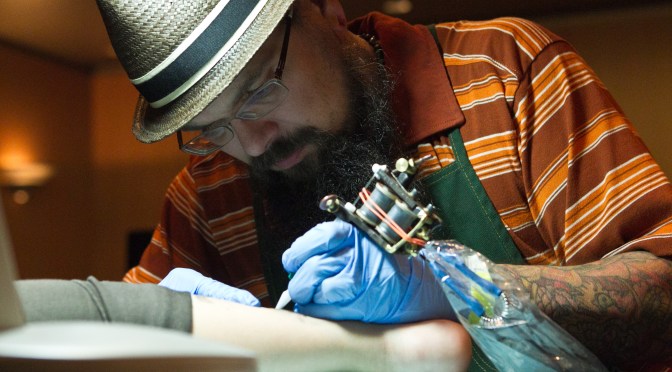
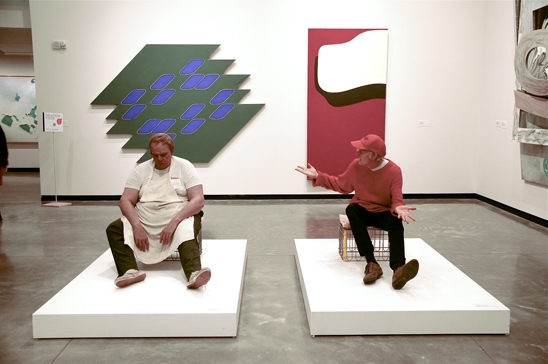
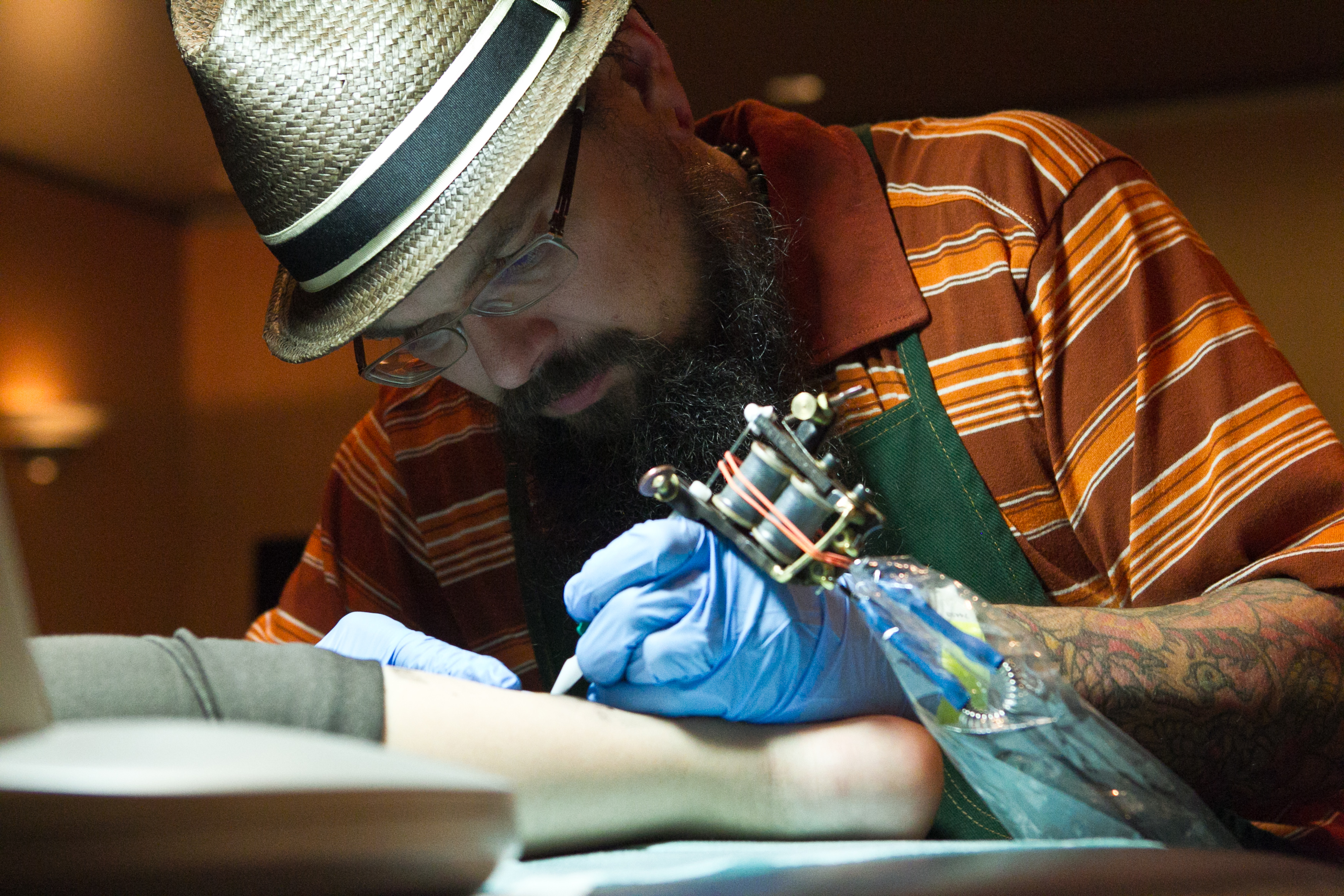


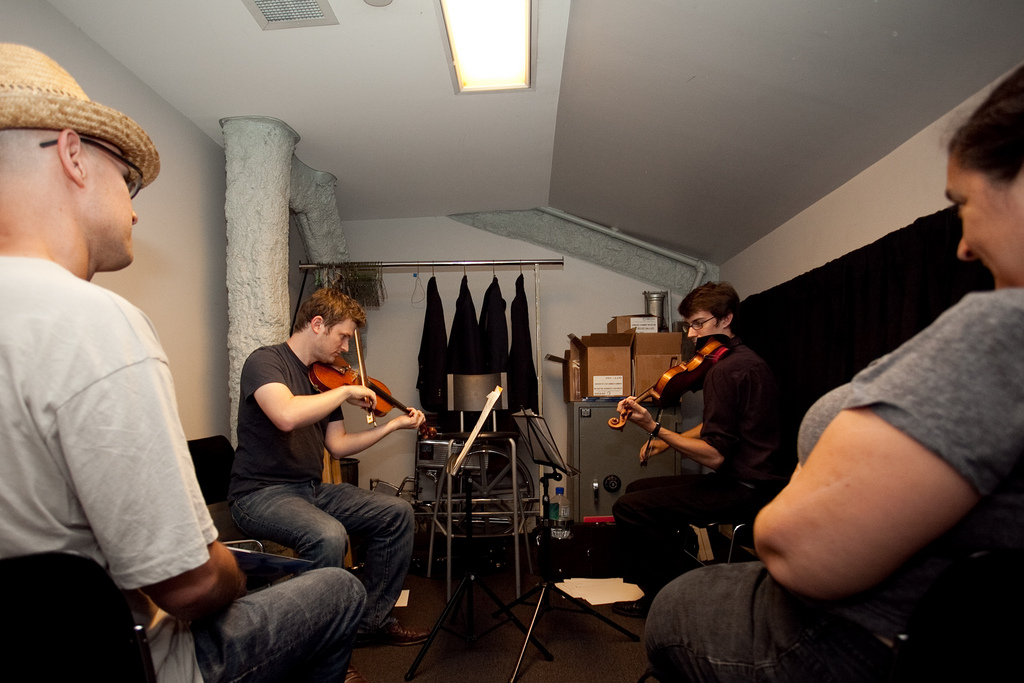
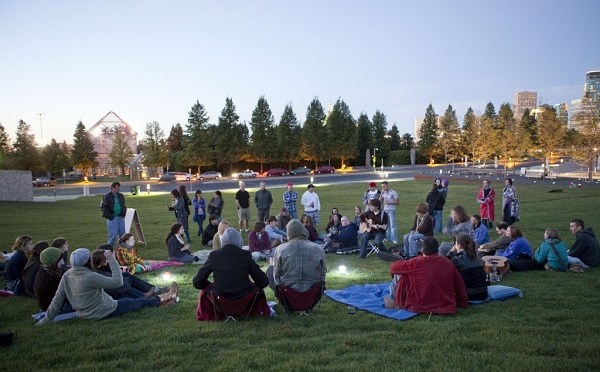
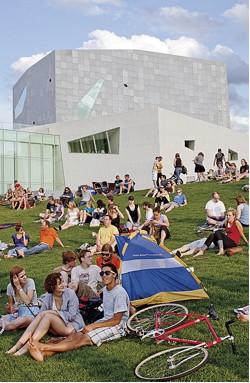
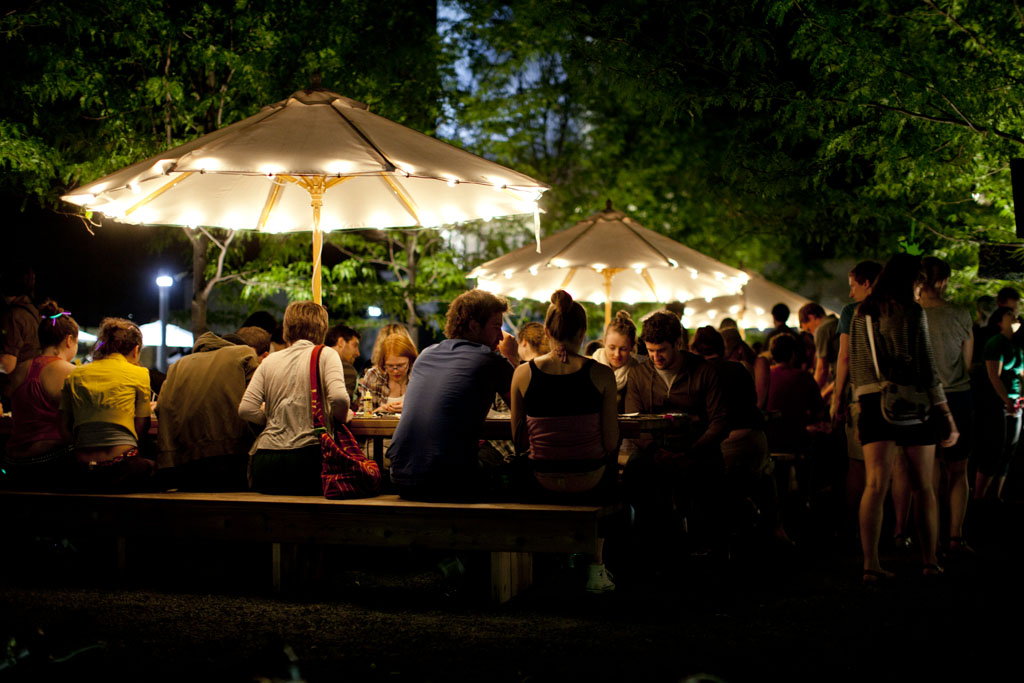
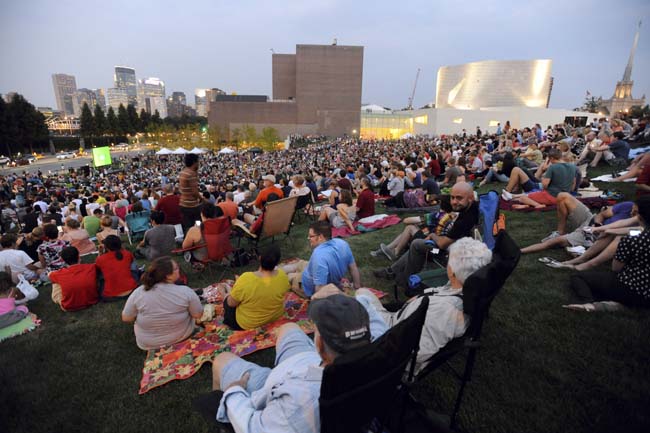
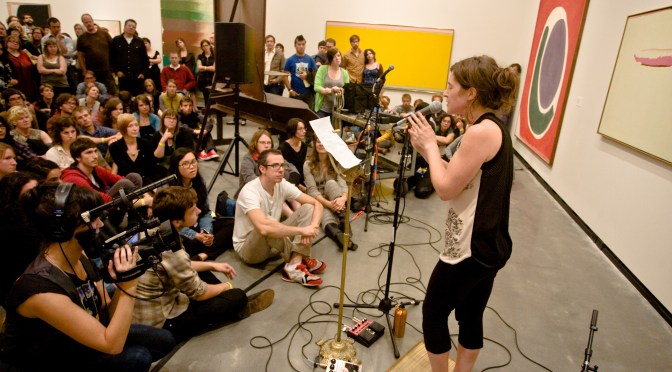
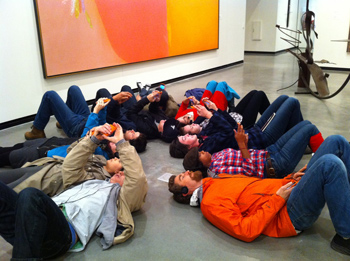
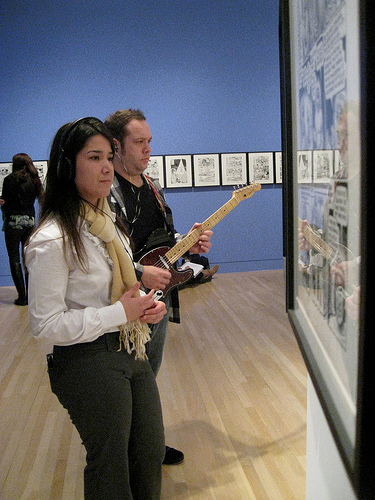
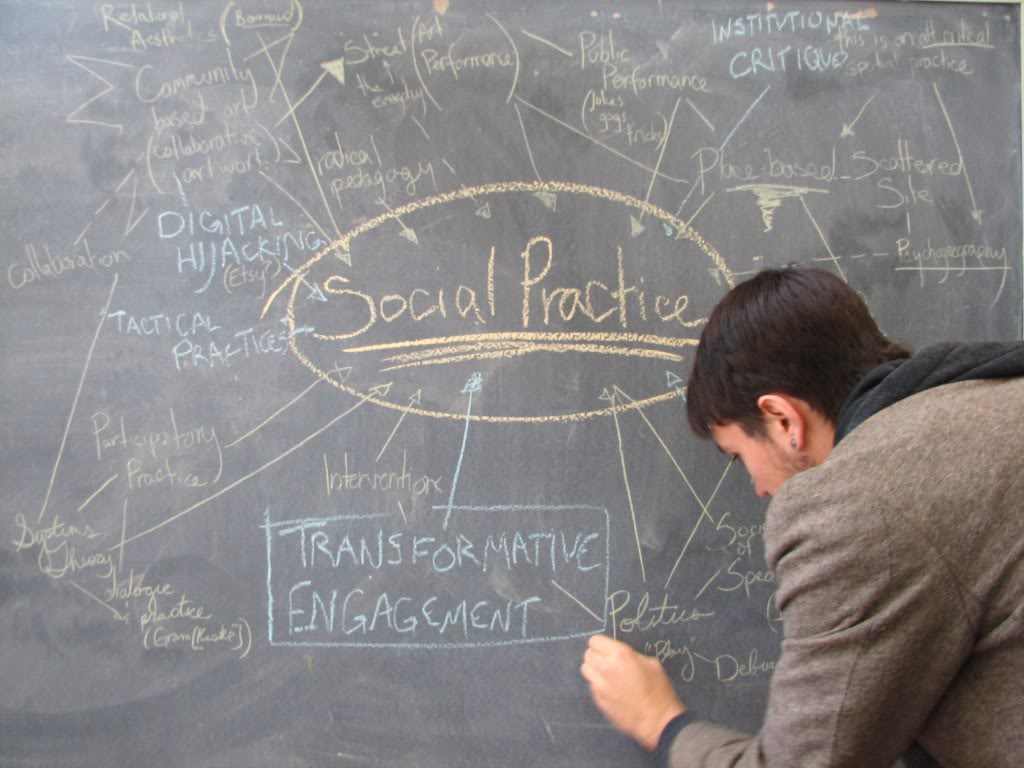
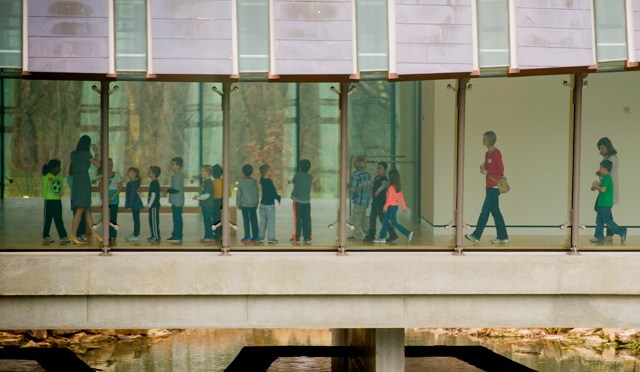


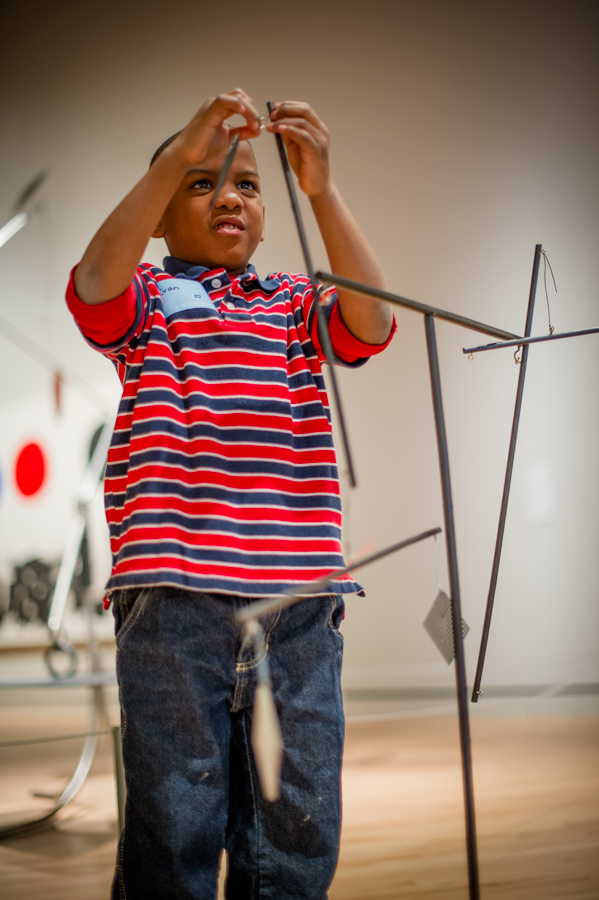

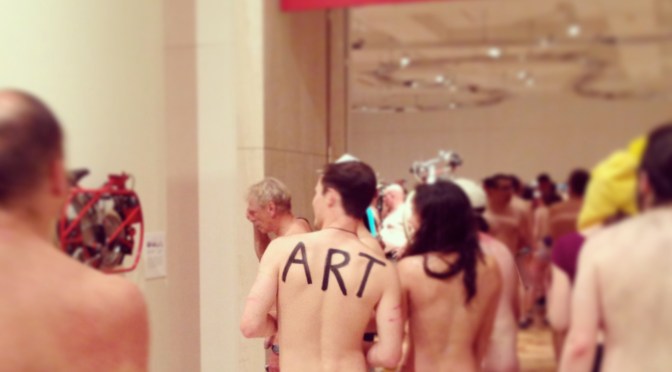
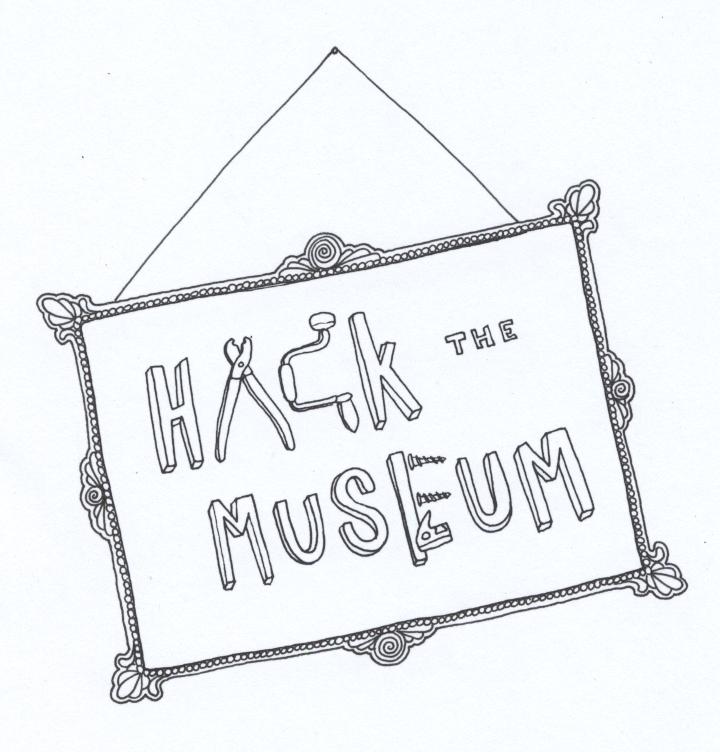
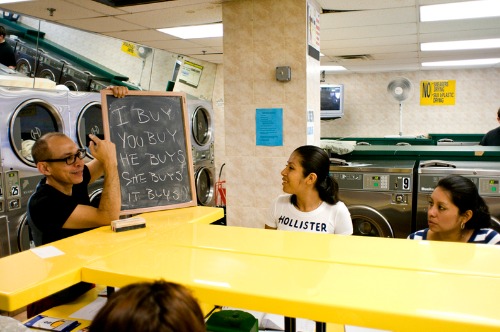

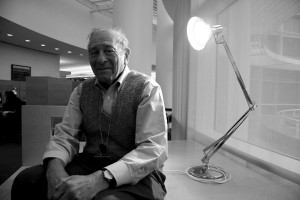
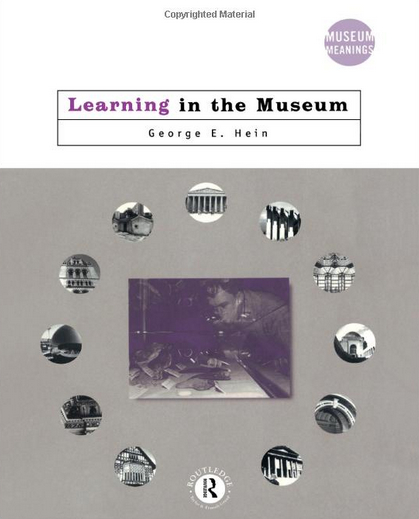
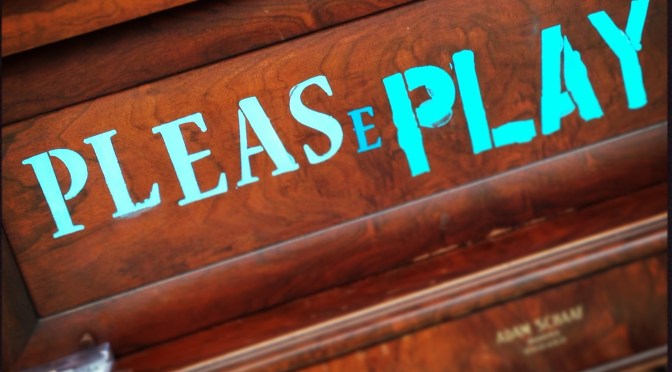
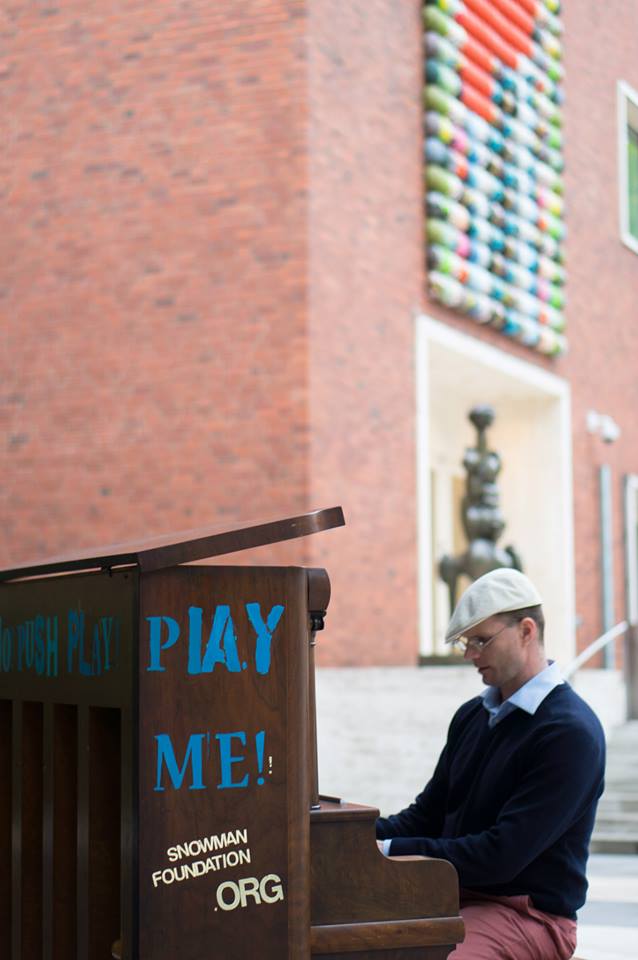
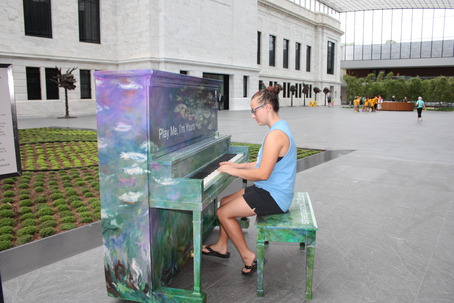
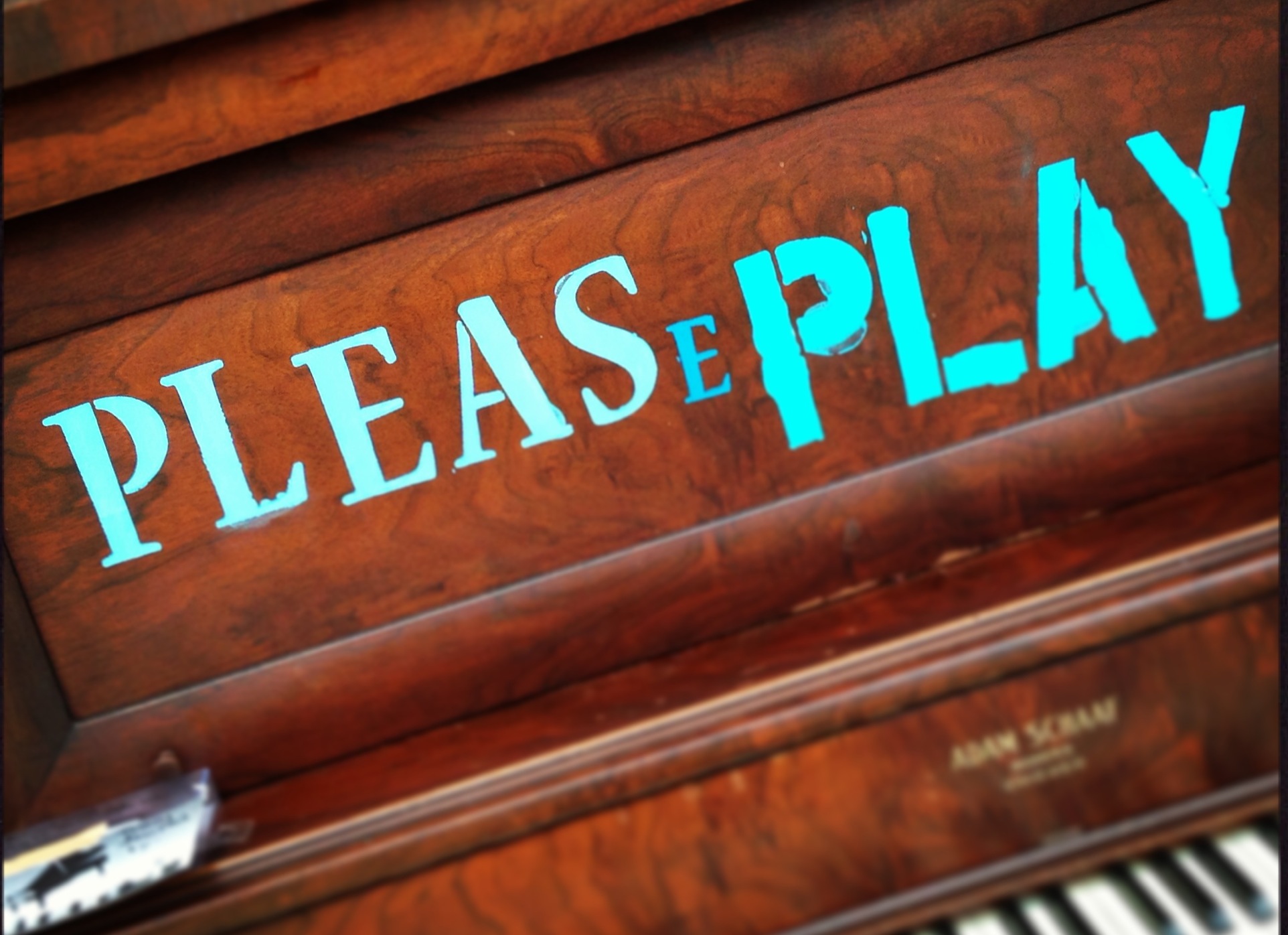
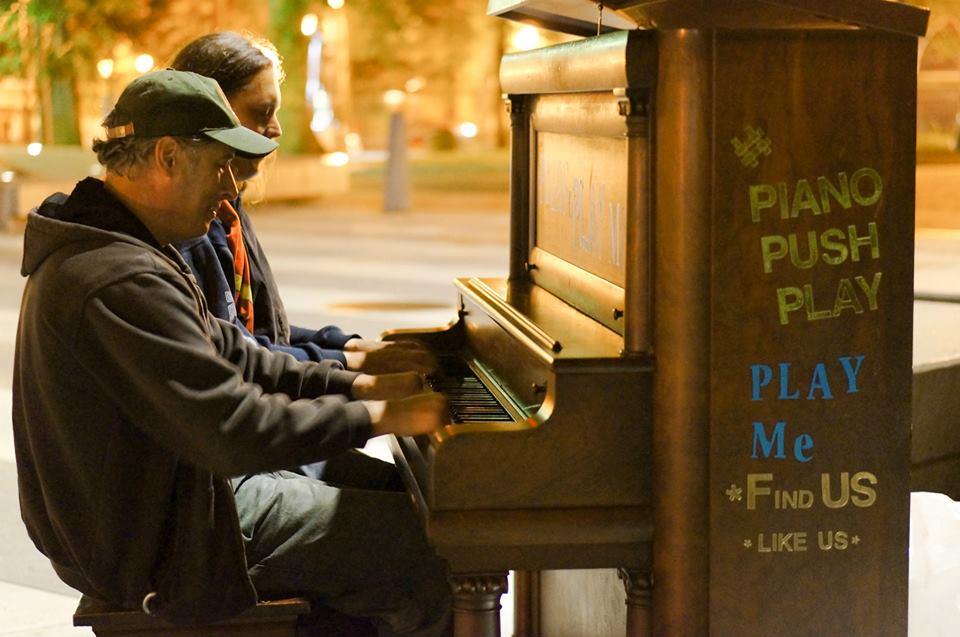
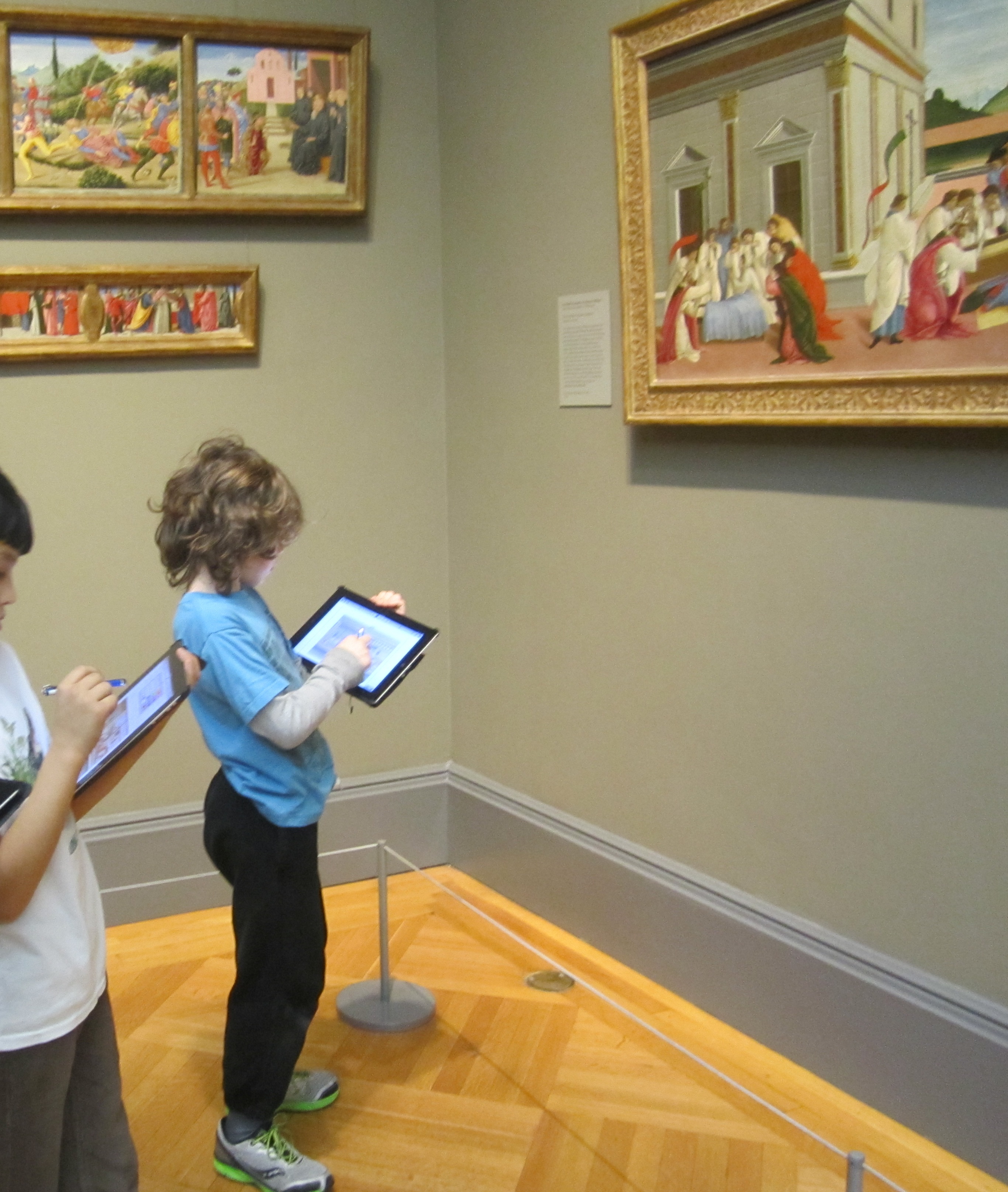
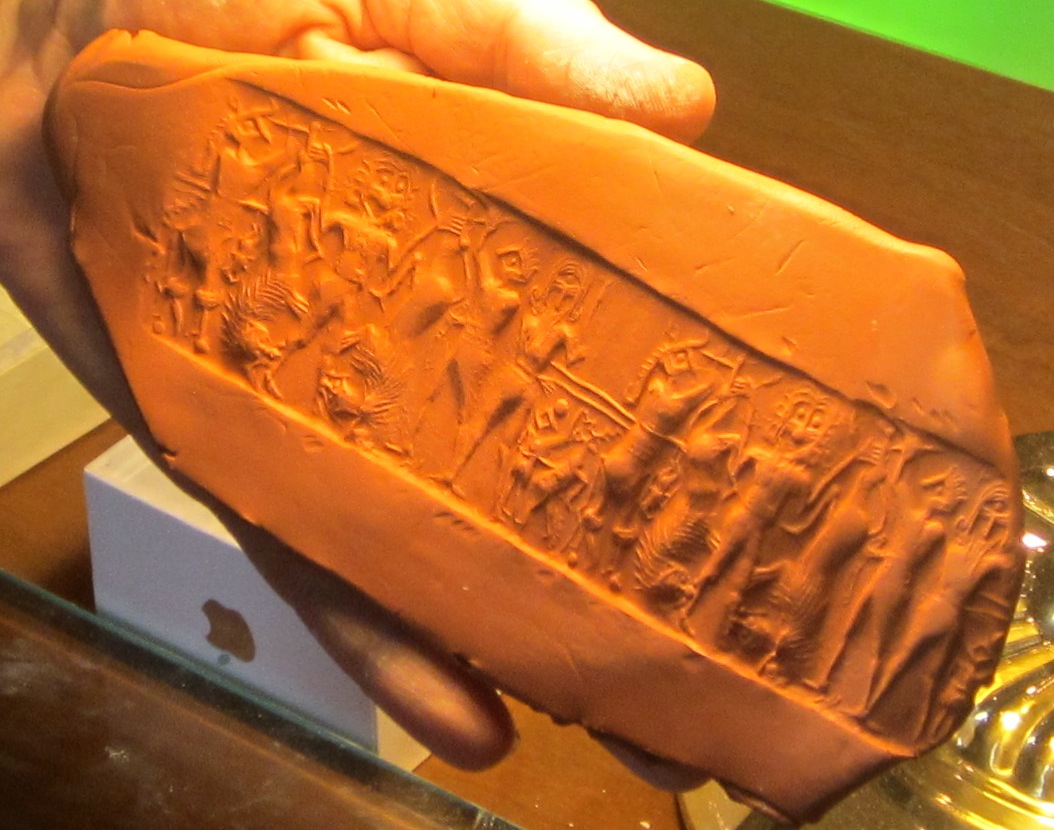
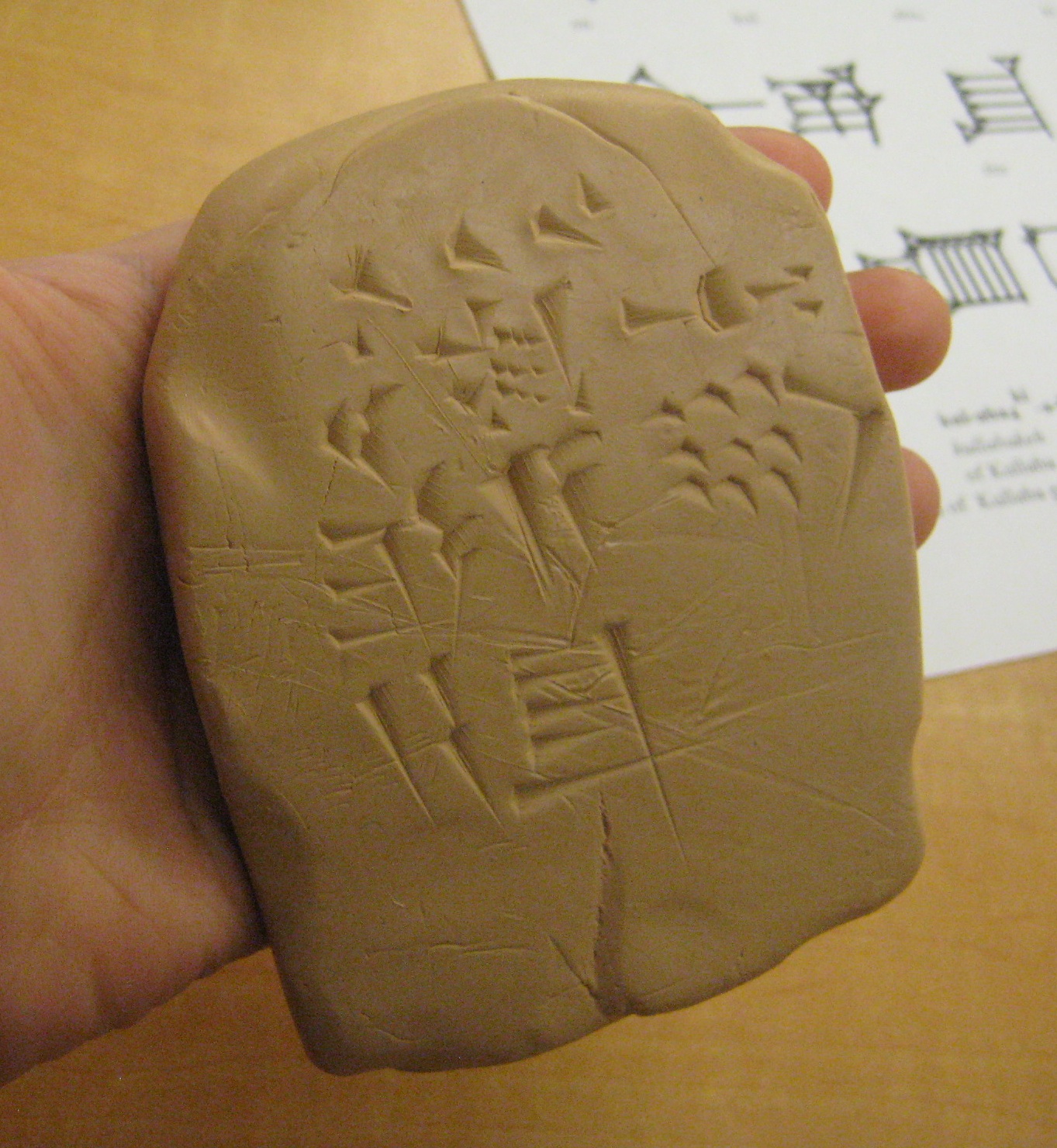

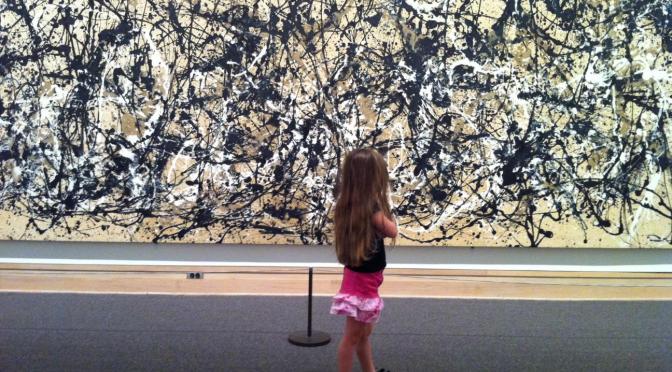

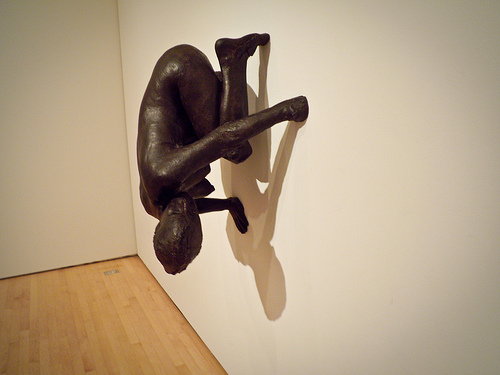
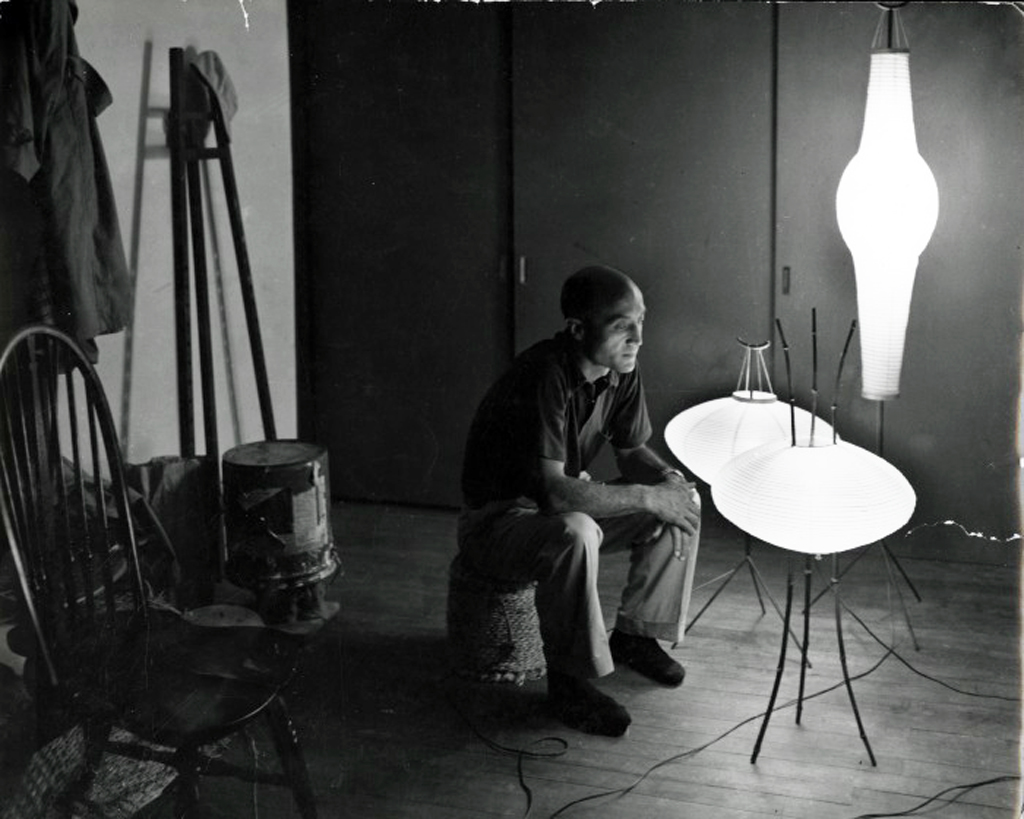
 SHANNON MURPHY: Currently teaches at the


 Art Museum Teaching