Prefatory Note: Before ArtMuseumTeaching.com went public, there were several months when it was simply my own personal (private) online space to reflect on my practice as well as larger issues around teaching and learning in museums. It was (and is) so valuable to write about what we do as educators and museum practitioners, even without publicly sharing that writing. Since the site went public back in February 2012, these reflections (along with those of nearly 2 dozen other practitioners) have been openly shared via this unique online ‘bazaar’ that spotlights practice — from million-dollar cutting-edge initiatives and multi-year projects to simple, personal reflections and moments to add one more teaching tool to our belts. And while conferences such as the NAEA, AAM, and Museums & the Web — among others — can surface some truly incredible, thoughtful work happening in museums today (some of which has been highlighted on this site), it is also important to provide a space for reflections and conversation around a more daily teaching practice. This post is an attempt to maintain those types of reflections on this site, and to encourage others to share their teaching & learning experiences as we continue to build this online community of practice.
A couple weeks ago here at the Portland Art Museum, I had a unique opportunity to work with a group of students visiting from neighboring Portland State University as part of their Freshman Inquiry course entitled “The Work of Art,” led by artist/educator Sarah Wolf Newlands. This multidisciplinary course examines the ‘work’ that goes into artistic production, but goes way beyond that to explore the role art plays in our lives. As the course site describes:
“It looks at the work art does in the world — how it shapes, reflects, disguises, complicates, challenges, or brings reality to our assumptions about the world…. What are the artistic levers with which we can move our world forward? What can looking through the lens of ‘art’ at the products from a broad range of disciplines reveal about ourselves, our culture[s] and our society? How does the art we do and the art we experience shape our identity? How does it disguise or reveal our essence, heal our hearts, and enable our joy? How does art influence cultural change? How can we use the arts to build community?”
One of my own goals when working with groups of college students and adults in the galleries (and in the classroom) is always to break down the often rigid expectations of “what we do” in front of a work of art — moving past the assumptions that we need to behave a certain way or know something specific before we can have an experience with art. I also aim to teach for independence — an approach to our ‘work’ with art that empowers a participatory, learner-centered process of making meaning and attempts to break down the constructed hierarchies between teacher and learner, professor and student, expert and novice, institution and audience.
“The visitor’s response and experience come first, before the museum’s, before the history of art.” —Rika Burnham
For me, at its heart, teaching for independence asks that educators (whether in the museum, K-12 classroom, or university lecture hall) strive to facilitate deep, collective experiences with art that leave participants and learners better equipped to look, explore, question, and engage deeply on their own without always relying on the museum or an ‘expert’ to lead that process.
Opening Up the Learning Experience: An Hour with Mark Bradford’s Scorched Earth
As the PSU students gathered in the gallery, we began with a quick discussion of “what does learning look like in an art museum” to establish an atmosphere of thinking and reflection. Then, we dove head first into a 60-minute co-learning experience with a single work of art — Mark Bradford’s Scorched Earth (2006). The experience was intended to be multi-modal, involving various ways of thinking and openly responding to the artwork in front of us– a process similar to other experiences about which I have written.
Here is a quick outline of our experience with Bradford’s piece (and I always want to be clear that these tips and strategies are not ones that I necessarily invent, but are inspired by some of the ‘Jedi knights’ of museum education like Rika Burnham, to whom I am greatly indebted. I also do use some of these strategies repeatedly when I am in the galleries, since some are just exceptional ways to open-up an experience of freedom, comfort, creative looking, and excitement):
Looking:We began with 1 minute of quiet looking, then having students share their initial observations with a person sitting next to them. We followed that with another minute of quiet looking, this time using a paper tube as a telescope to see the artwork differently — followed by more sharing with their neighbors about anything new they noticed.
Question: Students were asked to write down one question or wondering they had for this work of art.
60-Second Sketch: Everyone spread out across the gallery and then had 60 seconds to make a quick sketch of the entire artwork, filling their paper from edge to edge. Students were asked to lay all of the sketches in the center of the gallery, walk around and see what others drew, and then select a sketch that interested them (and was not their own).
Sketching with Language: Students had several minutes to “finish” the sketch they had selected, but by using only language — adding words, phrases, thoughts, and reflective writing directly on top of the drawing. I call this “sketching with language,” something pulled from Jack Kerouac and his creative process.
Reading:In small groups, students shared their writing by reading it aloud– really honoring their writing by reading it directly instead of simply summarizing or paraphrasing it (which is what we too often do).
Conversation Extender: By this point, students have had some serious time to look at Bradford’s work, share and exchange ideas about what they see and what they think about it, and do some sketching and writing to deepen or even shift their interpretations. To extend their conversations and spark further thought, each group received a small packet of historic photographs from the 1921 Tulsa race riots — an event that historians have called “the single worst incident of racial violence in American history,” and an event that has been strongly connected to this work by Bradford. Each group of students was simply asked to continue their conversation about the Bradford piece, yet to see how this added layer of historic images (powerful in their own right) might build or shift that conversation in any way. In talking about his own work, Bradford once says: “It’s about … tracing the ghost of cities past. It’s the pulling off of a layer and finding another underneath.”
Group Discussion: During this entire experience thus far, students have been building personal meaning or sharing their ideas in pairs or small groups. So to wrap up, each group brings their thoughts and insights to the full class as we spend the last 10-15 minutes in an open discussion about the artwork and our experience with it.
Learning to See Learning in the Art Museum
For me, much of the experience with this group of college students was about empowering them to learn to see learning in an art museum (and with a work of art) differently — to begin to see looking and learning with art in a more active, participatory way that also allows for shared authority around knowledge and interpretation. To help me gain a better understanding of how (or whether) this happens, I invited students participating in the experience described above to send me an email with their reflections after their museum visit. Here are a few great insights from their reflections:
collection of student sketches, questions, and writing in response to Bradford’s “Scorched Earth”
“Usually when I go to an art museum, the experience isn’t as fun and exciting. It’s hard for me to look at a work of art and really dissect it…. I probably will never get to just sit down in front of a work of art and analyze it with that many people again, and it was an awesome experience. Thank you for taking the time to teach our class fun tools that we can use in an art museum to really get the most out of our time there.”
“It was really cool to spend a solid hour just looking into what the piece could be about, what it could mean. I’m glad that you opened up the learning experience by allowing us to interpret the painting in our own way, then discuss with one other person, and then discuss in small groups. I think this allowed each student to really get the most out of what other students were understanding and interpreting from the work.”
“This experience was very enlightening because we learned so much from so little. It was profound to get so much out of little more than looking, thinking, and discussing.”
“It’s crazy how observing a piece for just a little longer than a glance can change your perspective of a piece and your understanding of it…. If more people were to do what we did today and take time to observe art, they would see it in totally new ways.”
This type of learner-centered, participatory meaning-making is something I continue to explore in the museum context, but I think it also has significant implications for how we conceive of art history teaching outside of the museum. What if we allowed for more active, open-ended looking and exploration with art, and hold back some on the passive transfer of information? What if we used drawing, movement, or creative writing as another way of looking deeply at art? What if we really focused our teaching more on creating and supporting independent learners who see and think for themselves?
————————————————————-
This post has also been published online at Art History Teaching Resources (AHTR), a streamlined, peer-populated teaching resources site sharing Art History Survey teaching materials between teachers and stimulating conversations around pedagogy in the arts. The site was initiated in 2011 by Michelle Jubin and Karen Shelby, products of the CUNY Graduate Teaching Fellows program.
“The recent development of MOOCs (massive open online courses) can provide museums with valuable possibilities for education, community outreach and multi-disciplinary collaboration.”
The quote above by David Greenfield, a doctoral candidate in Learning Technologies at Pepperdine University, was part of a paper entitled “MOOCs, Museums, and Schools: Natural Partners and Processes for Learning” presented at the recent Museums & the Web Conference in Portland theorizing about the potential of partnerships with schools and community members in developing online museum courses. Museums are already starting to realize those possibilities in the area of online courses.
The Museum of Modern Art, the Tate and my own North Carolina Museum of Art are currently offering extended online courses similar to MOOCs. These courses are different from each other in content, audience, and style, yet they are all pioneering engagement with local, national, and global audiences through objects in their specific collections. Their experiences offer important lessons to future museum MOOC-makers.
Why Museums Can Excel Online
MoMA educator Deborah Howes filming a segment for MoMA Online Courses in front of a Nam June Paik piece.
Why are museums uniquely suited to be leaders in this field? For one, museum education is predicated on informal, constructivist learning approaches which encourage the learner to control their learning. Similarly, online courses allow students to go through the content at their own pace, constructing their own meaning from discussion forums, assignments and projects. Deborah Howes, Director of Digital Learning at MoMA, said, the pairing of museum education and online learning is, “conceptually, very much aligned.” She continues:
“Museum education teaching is based on the curiosity of people who come from all different walks of life and have any number of questions about what excites them. Teaching online, we offer different kinds of learning experiences–videos of behind the scenes tours, slide shows of art works, DIY experiments–and students explore this variety according to their own interests to create meaning.”
Second, museum learning is often social. Visitors come in groups, field trips, or with families to share the experience of looking at and discussing objects. Learning Management Systems like Blackboard, Moodle, and Haiku allow for similar discussions and facilitate group collaboration.
At the North Carolina Museum of Art, students who might live hundreds of miles away can work together on a video project and post art projects to receive peer feedback. MoMA and Tate also encourage this type of online community through discussion boards. MoMA online course alumni have created their own Facebook groups to extend the learning community, some of which are in their third year of operation
MOOCs Multiply Museum Outreach
Elizabeth Moore, an NCVPS Photography student stands with her work in an exhibition in NCMA’s education gallery. Courtesy North Carolina Museum of Art.
Online learning can offer virtual windows to the extensive, beautiful, and awe-inspiring collections that museums have to offer. The NCMA is located in the middle of North Carolina, a state 560 miles (900 km) long. The virtual courses offer both synchronous and asynchronous components. Each week the instructor is in charge of opening the module (or unit) and hosting one live class with students. Otherwise, students go through that module and complete assignments at their own pace. Modules can include articles, assignments, discussion forums vocabulary wiki’s and/or multimedia. Over half of our online high school students live hours away and may never have even heard of their state art museum. Online, they can take our courses, be exposed to art spanning 5,000 years of all mediums, including sculpture, photography, paintings, and mixed media.
Once students take online classes at NCMA, we want to find ways to bring them to the brick-and-mortar building. To do that, we host exhibitions that highlight work from our online courses, which encourages students to visit the NCMA in person (see photo). We’ve also offered field trips and buses to our annual teen event.
The Tate’s reach stretches nationally and even globally. Rosie Cardiff, e-Learning editor at Tate, found that 31% of her students based outside the United Kingdom, with just under 10% living in Australia and New Zealand. Similarly, MoMA has both a national and international reach. A woman from rural Canada who took one of the online courses thanked Howes for the opportunity to interact with a global community of contemporary art lovers that she could not find locally. “A museum can provide that type of community and support,” Howes says.
Financing Remains a Challenge
Both the MoMA and NCMA courses started because of grants from Volkswagen and Wells Fargo Foundation, respectively. Both of these grants end soon, and both institutions are seeking future funding for the growth and expansion of the courses. MoMA charges $150–200 for their self-guided course and $200–350 for their instructor-led courses. Those fees will help sustain the program, whether or not they receive a future grant. The NCMA, on the other hand, does not charge for their courses, instead, high school students receive school credit. While we encourage students to visit the NCMA to see their exhibition or attend a field trip, we don’t have additional funds to cover their travel.
In Tate’s case, Rosie Cardiff explained that “initial funding for developing the courses came from the Tate Online core budget.” Tate charges £20 ($31) for unlimited course access. Cardiff says the courses “have now paid for themselves and cover costs of ongoing maintenance and copyright fees, etc., but they don’t generate much in the way of profit.” When asked what advice she would give to future museums or institutions looking to invest in developing online courses, Cardiff advised thinking “carefully about the business model for the online courses if you are planning to use them to generate revenue. Courses can be costly to produce and you need to think about ongoing maintenance costs, especially if the courses are tutored.”
An inside look at the Tate online courses. Courtesy Tate Museum.
Grounded in Specific Collections
As museums create online courses, resources, or distant learning programs, Howes advises they “think creatively about the unique qualities of their collection and what that could offer to a global audience. Anyone can do a course on modern art if they have a collection, but how do they offer a unique look on this topic?”
Similarly, the Tate and NCMA courses offer visitors opportunities to engage with and respond to art specific to their collections. The NCMA courses use art in the permanent collection as catalysts for learning about topics such as game design, advertising, fashion, photography and videography. The multimedia we provide include videos of art in the galleries, interviews with museum staff or local, North Carolina experts in that particular field.All three museums offer opportunities to watch video interviews with artists, curators, or experts, as well as demonstrations of artist technique and process.
Full Speed to the Future
David Greenfield believes that when it comes to museums and online learning, “we’re in the evolutionary stages of what’s going on.” As pioneers of a new educational format, museums join with for-profit companies like 2U and Coursera in shaping a field that is rapidly changing. In fact, as of May 1, 2013, MoMA, along with the Exploratorium in San Francisco, has announced a new partnership offering professional development MOOCs for K-12 teachers.
“Museums”, says MoMA’s Deborah Howes, “have a chance to rewrite art history in a way that is relevant to where they are.” MoMA, Tate, and NCMA are already doing just that.
Course topics (selected): From Pigment to Pixel: Color in Modern and Contemporary Art, Experimenting with Collage, Modern Art 1880-1945, Materials and Techniques of Postwar Abstract Painting, etc.
Instruction: Self-guided and instructor-led options
Course topics: Artists’ Techniques & Methods, Introduction to Drawing Techniques
Instruction: Self-guided
ABOUT THE AUTHOR:
EMILY KOTECKI: Associate Coordinator of Teen and College Programs at the North Carolina Museum of Art. Emily creates online and onsite programming for these audiences, including art competitions, arts councils, and developing online courses. Prior to museums, Emily worked at The Washington Post as a multimedia politics producer covering the 2008 presidential campaign. She received her received her Master of Arts in Teaching from The George Washington University and holds a Bachelor of Arts in Broadcast Journalism from American University. Follow her on Twitter @EmilyKotecki or visit www.emilykotecki.com. Emily’s postings on this site are her own and do not necessarily represent the North Carolina Museum of Art’s positions, strategies, or opinions.
By Brinker Ferguson, Digital Media Fellow, Fine Arts Museums of San Francisco
In the past several months, many museums have begun using live video chat as a way to enhance and foster new online discussions and interactions between museum educators and the public. One of the most popular tools has been Google Hangouts which is part of the Google+ social network. It allows for up to 10 users to video chat together and gives them the ability to broadcast the video stream live to a large audience and even record the session for future viewing. The recorded video, which is archived on the museum’s G+ page and YouTube channel, can be shared on various social networks. In addition, the videos collect (limited) analytics information so museums can track the attention it receives. Users who express interest in a museum video session ahead of time can be alerted when it is about to begin via Google+ email messaging.
This use of video chatting has spawned a new online forum that helps to bring together museum curators, directors, historians and educators with different virtual communities for in-depth conversations of art and ideas. Rather then a YouTube video, which disseminates information in a “I talk, you listen” format, video chatting can enable a more flexible and collaborative seminar style discussion. This idea of accessible online videos is very much in keeping with many museums’ mission of providing an open space for dialogue, learning, and exploration for the public, and working toward developing meaningful online communities of practice.
Current Projects
Though relatively new, there have been a large number of museums using Google Hangouts from all over the globe. This past month alone, MoMA debuted its “Art Hang” series, which brings together art educators with other art enthusiasts to discuss topics surrounding art and identity. The Google Art Project began its #ArtTalk hangouts with the National Gallery on March 20th and more recently with the Metropolitan Museum of Art. The series, which discusses the stories behind famous works of art, will continue to take place each month at different cultural institutions such as the Museo Nacional de Arte in Mexico and the Museum of Islamic Art in Qatar.
screenshot of Google Hangout of artist Felipe Iskor
Hangouts have also been leveraged in several other artistic ways. For example Google Brazil has used hangouts for their street art campaign, where artist Felipe Iskor created a mural live.
Likewise artists have conducted live studio visits, in which they talk with interested online groups about what inspires them, what their next artwork might look like, and get much needed critical feedback from online art communities.
Understanding Its Impact
Of course, use of a new medium brings new challenges. In trying to gauge the success of video chats, museums are learning how to interpret the relatively sparse analytics information provided by Google+ and YouTube. Statistics like “this video was viewed 5000 times” does not paint a full picture of just how beneficial the video was for the museum and its viewers. It is very clear, however, that hangouts have the ability to reach far greater percentage of the global online community and can do so in a more engaging way. And while it can be difficult to measure the success of these videos, museum educators know it is worth their time to continue exploring the limits of new this technology in order to captivate a broader audience and share more of the museum’s passion for art and cultural heritage.
Possible Uses in the Future
Tools associated with video chatting such as live commenting, image sharing, hash tags, and social media sharing have become additional ways of connecting online viewers with the live discussion. Recently, Mike Murawski of the Portland Art Museum brought up another possible use for video chatting. He suggested using Hangouts as a way of connecting living contemporary artists with museum visitors both in the gallery and online. What would it be like then to talk with an artist about his/her work right in front of the artwork in the gallery? Or watch an artist explaining his/her artwork online while you ask questions?
How can we use these new tools to better facilitate learning and interaction onsite and online in the future? Are there other ways that Google Hangouts or other chatting services will connect people, or perhaps help the museum’s visitors feel closer to its collection?
Anybots meets Wall-E and Eve.
Taking this question further in a mini-thought experiment, imagine what would happen if the video feed were not fixed to the wall. What would a more intimate conversation with an artist look like? While you ebb and flow around the gallery, could an artist virtually tag along with you?
One company exploring the idea of digital presence is Anybots, a team that has created a roving avatar robot with video screen projecting the face of a remote participant. The robot is controlled remotely and reacts to speech frequencies to directly address and react to questions or comments from multiple people. Right now, the Anybots are in the hypothetical realm (due to the hefty $15,000 price tag).
While video chatting environments will continue to develop (though at the moment we are not yet sure in what form they will appear) the strides taken by #ArtHang, Google Art Projects, and many other institutions and artist communities will continue to push online connection and conversation.
I am part of the team that has led the development of the Cleveland Museum of Art’s Gallery One and ArtLens iPad app. These new initiatives – blending art, technology, and interpretation – are garnering interest in the press and among museum colleagues. Many thanks to Mike Murawski for asking me to offer my perspective on the project, understanding that it is newly launched and we are in the process of gathering initial feedback. This project is the focus of a paper session at Museums & the Web 2013 in Portland (link to paper here). Responses so far have been enthusiastic as well as probing and have challenged us to think in new ways about what we’ve created and how we want to move forward. Recurring questions from reporters, colleagues, and visitors can serve as a way of introducing some of our goals and future ideas.
What was your plan behind integrating technology?
A view of Gallery One from the main lobby of the Cleveland Museum of Art. Photo courtesy of Local Projects.
Our plan conceives technology as an interpretive tool to drive active experiences with art at CMA. Creating Gallery One and the ArtLens app has been part of our mission to put visitors front and center. We wanted to build a gallery experience at the entrance to the museum that would welcome all visitors, with particular focus on families, college students, and young professionals – audiences that have not always seen CMA as their kind of place. We wanted to offer them new possibilities to experience art in a participatory way through the medium of interpretive technology. We also wanted visitors’ encounters in Gallery One to spark interest in the museum as a whole and to provide tools of understanding and enjoyment that could enhance their experience of art in the galleries.
On January 21, 2013, we opened Gallery One and went live with the ArtLens iPad app. Gallery One is a unique space just off the museum’s main lobby in which 55 top-quality art objects from the permanent collection are arranged in thematic groupings that cross time and cultures. This organization allows visitors to make connections across CMA’s comprehensive collection of world art. For example, sculptures of the human form from ancient Rome, Japan, Africa, and 19th-century France greet visitors as they enter the gallery, prompting them to experience how our bodies have inspired art differently over time. Another installation groups paintings and ceramics from Europe and Asia, asking visitors to engage with roots of our contemporary, global culture. Interactive, multi-touch screens interpret selected art installations, allowing visitors to engage actively with the works on view by virtually creating their own works of art, or by physically striking a pose inspired by a work of art they see. Gallery One also includes Studio Play, a dedicated family space with hands-on art-making activities, as well as interactive technology stations that provide young children and their families with fun ways to have first encounters with art and CMA’s collections.
A detail of the Collection Wall in Gallery One. Photo courtesy of Local Projects.
Within Gallery One, just off our new central atrium, a one-of-a-kind, 40-foot multi-touch Collection Wall displays high-resolution images of almost 4,000 works of art from the permanent collection, most on view in the galleries. Every 40 seconds, the wall changes views, showing groupings of art objects based on themes, allowing visitors to see that the collection is dynamic, depending on how you view it. Visitors can touch and browse objects on the Collection Wall to discover other artworks that are related and to find tours that connect objects throughout the collection.
The Collection Wall functions as a place to organize a visit through the permanent collection galleries by way of a unique connection with the ArtLens iPad app. By docking their iPad (or one available for rent) at the Wall, visitors can save their favorite objects to the app and create a personalized tour through the museum. The app’s way finding system directs them to the objects on their tour or to other objects in the collection. They can also find CMA-created tours to organize their visit according to themes they like. Alternatively, they can browse through the galleries and find works of art that engage them, discovering text and video interpretation within the app, or even scanning two-dimensional objects through image recognition to find quick bites of text or video.
What are your learning goals for visitors?
Our goals for what visitors take away involve experience rather than content. We hope that:
visitors have fun with art
the interactive games and interpretation provide tools for understanding and spark social experiences with art
visitors find transformative moments of discovery about continuing creative traditions that make art relevant for them.
Above all, we want to refrain from providing a single, authoritarian guide but instead to offer a variety of choices for visitor engagement. Rather than designing content to meet our own goals for visitors, we have learned from our audience evaluation and responded to the way many of our visitors browse through our galleries, drawn to particular works of art based on their own visual interests and prior knowledge. We’ve been mindful of Jay Rounds’ prescient advice in Curator (2006):
“Visitors come to museums for their own reasons, and those reasons are not necessarily congruent with the goals of the museum. No doubt their browsing through exhibits is suboptimal when compared against [a] museum’s goal that visitors ‘engage in systematic study or exploration.’ But the same [browsing] behavior may prove to be an intelligent response to the situation when measured against the goals of the visitors themselves.” (p. 134)
Sculpture installation in Gallery One. Photo courtesy of Local Projects.
Gallery One and ArtLens were designed to honor browsing behavior. There’s no preferred path through Gallery One; visitors can move from one art installation to another, each with its own story. The Collection Wall asks visitors to browse rather than search: to find artworks they like visually, and to discover connections to related works by theme, medium, or time period. The “Near You Now” section of the ArtLens app follows browsers as they meander through the permanent collection galleries, indicating where they are in the building and the artworks near them. For objects with video interpretation, visitors can find a variety of short segments that they can choose according to their personal preferences rather than a prescribed sequence.
When visitor evaluation begins later this spring, we can find out how these tools are working for our visitors. In the meantime, we’ve been fortunate to have visits from a variety of museum colleagues who have shared initial responses. Following his on-site visit, Peter Samis of SFMoMA wrote to our CMA team:
“The Collection Wall reminds me of David Weinberger’s Everything Is Miscellaneous (2008): it makes every artwork equally available, democratizing the collection…, it enables me to create a tour that threads me like a needle through all the various parts of the building. It disappears the architecture, the molecules, and replaces them with a new organizing principle: visual interest.”
Cool! Interpretive technology serves visitors’ visual interests and democratizes the collection. The challenge comes in the connectivity between the Collection Wall and the iPad app. With the ability to save almost any object to their iPad, what will visitors expect when they reach the actual objects in the galleries? Currently only a portion have video and audio interpretation within the app, some draw web texts and label copy from our databases, but others feature only basic “tombstone” information. We’re eager to discover visitors’ expectations, and in the meantime, to develop priorities for creating new interpretive content.
How can visitors contribute their own art interpretation within the iPad app?
ArtLens video and audio content draws on conversations with curators, educators, conservators, and community members. We hope the variety of voices allows visitors to feel part of the conversation and to suggest that there is no single way to interpret or enjoy a work of art. The community voices are particularly important, as they call up continuing traditions that grow from the artworks on view and connect visitors with people in their community – like the Imam of the Cleveland Mosque for whom the Islamic prayer niche in our collection is part of a living tradition, or the Cleveland ballet dancer who brings his creative perspective to Degas’ Frieze of Dancers.
: Object page for CMA’s Prayer Niche (Mihrab) in ArtLens. Photo courtesy of the Cleveland Museum of Art.
ArtLens also allows visitors to create their own tours – playlists of their favorite objects with their own catchy titles: “Randomness and Variety,” and “Lightning Tour Before Dinner Dash.” They can share favorite objects through Facebook and Twitter. We conceived these as first steps toward more extensive visitor participation. We’ve discussed the potential for gathering visitors’ stories about CMA’s artworks and incorporating them into the app. We’ve also dreamed about the potential to capture visitors’ voices within the app, so that they can contribute their own insights about their favorite works of art from the galleries or from off site.
We encourage you to download ArtLens to your iPad and give us your feedback. Our project is ambitious – an interpretive system that reaches throughout CMA’s permanent collection. I’ve outlined some of our ideas and plans here, but there’s much more to come, so stay tuned!
I want to extend huge thanks to the members of my CMA team in Education and Interpretation responsible for the development of interpretive content in Gallery One: Seema Rao, Patty Edmonson, and Hajnal Eppely, and in ArtLens: Jennifer Foley, Lori Wienke, and Bethany Corriveau. They are part of CMA’s Gallery One development team, led by Griffith Mann in Curatorial, Jane Alexander in Information Technology, Jeffrey Strean in Design, and myself. Local Projects of New York is responsible for all media design and collaborated with us on the concept development. Earprint Productions of San Francisco produced the ArtLens app digital content, in collaboration with the CMA interpretation team.
ABOUT AUTHOR
CAROLINE GOESER currently serves as theDirector of the Department of Education and Interpretation at the Cleveland Museum of Art. Joining the museum in 2009, she reorganized the Education Department in 2012 to focus on two primary goals: 1) invigorating classroom experiences through object-based educational programs, and 2) creating vital experiences with works of art in the galleries through interpretive text, technology, gallery teaching, and public programming for visitors of all ages. Caroline collaborates with the Chief Curator and Directors of Information Technology and Design to oversee the new Gallery One, an interactive gallery for intergenerational visitors. She has facilitated and enhanced the museum’s collaborative interpretation program, which has garnered national recognition with the recent award of an NEH Challenge Grant. With colleagues at CMA and Case Western Reserve University, she has worked to re-envision the joint CWRU-CMA doctoral program in art history, which recently received a major grant from the Mellon Foundation to focus on object-based study. Caroline’s postings on this site are her own and don’t necessarily represent the Cleveland Museum of Art’s positions, strategies, or opinions.
“The value of museums begins and ends with the relationship with our visitors. It’s a contract that is renewed each and every time they engage with us, and if we don’t live up to it, we will be usurped.” — John Falk, speech to AAM (2010)
Encountering Space, Center for Creative Connections at the Dallas Museum of Art. Photo by Maria Mortati
Working in museums can be a messy, messy game, but I always love the conversations that crop up when you get a handful of museum educators together to talk ‘shop.’ A couple weeks ago at the National Art Education Association 2013 annual conference in Fort Worth, there was certainly a lot of that happening. I was fortunate enough to be invited to present — or rather have a public in-process conversation — about participatory culture in art museums with an incredible group of colleagues: Preston Bautista (Deputy Director for Public Programs & Audience Engagement, Indianapolis Museum of Art), Judy Koke (Director of Education & Interpretive Programs, Nelson-Atkins Museum of Art), and Susan Diachisin (Director of the Center for Creative Connections, Dallas Museum of Art). By far, the best part of preparing our presentation was the series of winding, organic conversations that led to Fort Worth.
Not only were we all wildly passionate about visitor engagement and participatory practice, but our own working environments were all changing rapidly — from my own move from St. Louis to the Portland Art Museum this past fall, to leadership changes and various grants & innovation projects. All in all, we were fairly hyper-motivated to talk about these issues with each other and, ultimately, to explore concepts of participation and exchange in our institutional cultures.
How does an institution’s hierarchy, leadership, and organizational structure actually enable (or disable) participatory practice? How could museum educators at various levels become more involved in fostering an institutional culture focused on visitor experience and engagement? Could these values find ways of ‘trickling up’ from participatory programs and smaller-scale education projects or exhibitions?
“If … museums must move away from assumed public value and begin to measure their impact, and if … museums must achieve impact for the community instead of impact for the museum, then the impetus is on museum education to rise to the challenge that lies before us and reposition the museum in the eyes of the public.” — Tina Nolan, JME (2010)
As we entered our NAEA session entitled “Toward an Even More Participatory Culture in Art Museums,” we had decided on a set of assumptions that were key to making this a valuable and productive conversation:
conversation at our session (yes, we exploded the traditional conference furniture layout)
There is a shift happening. Art museums across the continent are taking big steps to change the ‘business as usual’ model, creating structures to put the public’s expectations, needs, and experiences at the center of interpretive planning and exhibition development. We can see this in institutions such as the Detroit Institute of Arts (see great article by their Exec Dir of Learning & Interpretation), Art Gallery of Ontario, Denver Art Museum, Indianapolis Museum of Art, Nelson-Atkins Museum of Art, and the Philadelphia Museum of Art, among many others. In the specific realm of ‘participation’ and public engagement, it is always important to note the Irvine Foundation’s support for institutions such as the Oakland Museum, as well as museum “Innovation Stories” featured via EmcArts & ArtsFwd. If you still need convincing that change is afoot, watch this video compiled by the Innovatrium at their January 2013 ‘think tank’ of museum leaders.
We’re all in this together. Instead of anyone pretending to be an ‘expert’ about these changes in organizational culture, we wanted to be conscious of the fact that we are all co-learning with each other. It doesn’t matter the size of one’s museum or how involved your senior leadership is in this shifting landscape — we’re all working toward the greater public value and relevance of museums in our communities and beyond. And this needs to be an open, inclusive conversation if it is to be meaningful one.
You can’t talk about participatory practice without becoming participatory. I always feel like every lecture on “visitor engagement” and “participatory practice” is, in part, quite disingenuous if it does not attempt to actually ENGAGE. Even if an attempt to activate a lecture hall full of 200 spectators fails, I always feel that we should try — walk the walk, right?! So I was able to convince our group to do a crowdsourcing activity to engage those attending our session, and pull out their ideas in a participatory way.
“For a museum to truly engage its users, it must cease acting as a controlling gatekeeper to its collections and expertise. Rather, the museum must work with its users and communities to unlock the stories its collections hold, responding to the choices its users make. As such, it must give up its traditional authoritarian voice so that users are free to question, debate, collaborate, and speculate — seeking out those issues that most concern them — and are given the support and inspiration required to do so.” — Graham Black, Transforming Museums in the Twenty-First Century (2012)
After our initial discussion and framing of these issues, we jumped right into the crowdsourcing exercise to activate everyone’s thinking and to have the group generate ideas. To prevent this conversation from quickly deteriorating into a litany of complaints, barriers, and reasons why we might not be able to enact change at our institutions, we granted everyone in the room freedom from all of these restraints … with a magic wand. Therefore, without concern about budget cuts, personality conflicts, and perceived curatorial barriers, we invited each participant to take two or three minutes, envision some ways to engender a more participatory culture at their institutions, and then write down a “what if” statement on a small slip of paper. We collected more than 50 “what if” statements, crowdsourced them with the group, and then spent the final chunk of time opening up a conversation around these ideas. Here are the 4 statements that, at this moment and with this group, bubbled to the surface:
What if everyone in the museum understood everyone else’s job?
What if there was a real plan for interpretive team development of exhibitions and permanent collections? What if curators and educators didn’t feel like they were ceding territory when they worked together?
What if educators/interpreters and curators worked collaboratively on creating in-gallery participatory experiences?
What if I could include funds for “things I may think of after the budget process” [an “innovation” fund] when I’m writing my department budget?
sampling of the 50+ “what if” statements that participants brainstrormed for crowdsourcing
Rather than recount the conversation or provide my own opinions, thoughts, and perspectives here, I wanted to take this opportunity to open the conversation … to OpenThink the “what if” statements we collected during our NAEA session. So below is a link to all of the “what if” statements that we were able to collect, in no particular order. Feel free to peruse, and add Comments to the GoogleDoc if you choose.
I invite you to share these with colleagues, send this to others at your museums (yes, curators, too!), and let’s create a conversation in the GoogleDoc or below in the Comment area. Do you have a “What If” statement that you would like to add? Are these concerns about exhibition planning, community involvement, and staff development similar at your institution, or different? How can we engender more participatory practice/culture in our work? in our institutions?
If I were stitching a sampler about some of my recent museum education work, it might start like this:
A is for Anatsui. B is for Brooklyn. C is for collaboration.
Photo by David Sky, seemsartless.com
Where the rest of the alphabet would go, I’m not so sure, but those first three letters reflect my experience working on Gravity and Grace: Monumental Works by El Anatsui, the retrospective exhibition at the Brooklyn Museum. Every show in every museum takes a dedicated team to pull it off, of course, but I’m taking this digital moment to highlight what’s been a particularly wonderful example of cross-departmental cooperation, which isn’t an easy thing, especially in a mid- or large-size institution. In this case, it led to a variety of ways to engage with the exhibition that ultimately (I hope) makes the show a great experience for our visitors.
We have a downloadable Teaching Resource for teachers who want to bring their students to see the show. We hosted a conversation between El Anatsui himself, Susan Vogel (filmmaker and author of El Anatsui: Art and Life), and Kevin Dumouchelle (the museum’s Associate Curator for the Arts of Africa and the Pacific Islands and curator of this show in its Brooklyn presentation):
We have an in-gallery hands-on activity inviting visitors to use paper and twist ties to imitate some of the folds Anatsui and his assistants use to create his massive metal artworks (more on that in a bit). We have iPad kiosks that solicit visitor responses to the art on display using video questions posed by museum staff. We have QR Codes to scan for those seeking further context. And that’s in addition to our array of tours, workshops, and art-making classes designed for families, students, and adults. So many options for engagement!
So how did all this come about, and what made it so collaborative?
Photo by Rachel Ropeik
My part in it started when I took on the role of Project Educator for the show. The Education staff here divvies up a given year’s roster of special exhibitions to assign a Project Educator or two to each show. These folks represent Education’s voice in interdepartmental meetings and help shape education programming during the show’s run.
From the get-go, Kevin generously shared his knowledge, thoughts, and time with me and Matthew Branch, my fellow Project Educator. For Kevin, the collaboration inspiration started even earlier in the process: with Anatsui himself. “The work is so open ended,” Kevin says. “There was a real possibility for thinking big and thinking of options that we might have been a little bit more cautious about if we had more specific instructions from the artist.”
While some artists provide detailed notes for how their pieces should be installed, Anatsui likes to leave it up to the team at each location. “That filtered down to every aspect of the show,” Kevin adds. “Which made it a lot of fun.” Take a peek at this time-lapse video of the show’s installation. As you can see from the art handlers, designers, and conservators involved, it took a team to get the show up. Not to mention Robert Nardi in our Technology department, who made this video to share with the internet at large:
Go, team, go!
Adding her enthusiasm and creativity to the mix was Sara Devine, the museum’s Manager of Interpretive Materials, who made sure we had a hands-on activity in an exhibition full of objects that, oh man, do you ever want to touch. We can’t touch the art, but thanks to Sara’s input, we can do our own tactile experimentation. Physically embodied engagement? Check. Multimodal sensory inputs? Check. Music to the ears of any art educator.
Photo by Rachel Ropeik
Sara also enlisted representatives from our curatorial and education staff (and, again, Technology’s cooperation) to record several 30-second video clips that ask visitors questions about the exhibition and invite them to enter their responses on iPads throughout the galleries.
All in all, it’s an exhibition that offers visitors a range of ways of interacting, and it could only have been done by creative interdepartmental teamwork. As Sara states:
“I know it sounds pretty obvious, but what allowed this exhibition to be a good example of cross-departmental collaboration was an ongoing and open line of communication, which is surprisingly rare. I think we all very easily get caught up in our own part of the process and forget to reach out, ask for input, and keep others informed. We all made a conscious effort to communicate and I believe that is the biggest reason our collaboration was so successful.”
I couldn’t have said it better. This opening up of the closed doors–be they metaphorical or literal–between departments is a way many museums approach (or are starting to approach) their work, and it’s an exciting prospect to look forward to. In Mike Murawski’s recent post about the Museum Education Division sessions at this year’s NAEA Convention, he noted that we’re in “a moment when many major museums are re-imagining (and, in some cases, totally disrupting) the traditional relationships between education and curatorial.” Sure, it may be testing uncharted waters, but when it works (as it has with Gravity and Grace), it can produce amazing results.
How have you worked to open lines of communications across departments at your institution? Join the conversation below, and share some of the best collaborations you have been involved with.
By Mike Murawski, Portland Art Museum; Dana Carlisle Kletchka, Palmer Museum of Art, Pennsylvania State University; Elyse Eidman-Aadahl, National Writing Project, University of California Berkeley
“People’s relationships remain strong—but they are networked. Neighbors, and neighborhoods still exist, to be sure, but they occupy a smaller portion of people’s lives. It is hard to borrow a cup of sugar from a Facebook friend 1,000 miles away, but it has become easier to socialize, get advice, and exchange emotional support at whatever distance. Where commentators had been afraid that the internet would wither in-person ties, it is clear that they enhance and extend them.” (Lee Rainie & Barry Wellman, Networked: The New Social Operating System, 2012).
In their recent book Networked: The New Social Operating System, Lee Rainie (director of the Pew Charitable Trusts Internet & American Life Project) and Barry Wellman (Professor of Sociology at the University of Toronto and Director of NetLab) have argued that the large online social circles of familiar platforms such as Facebook, Twitter, Pinterest, etc. actually expand opportunities for learning, problem solving, decision making and personal interaction. Their work at the Pew Internet Project and the NetLab (especially research for the Connected Lives Project) suggests that digital technologies are not isolated — or isolating — systems, but rather networked systems built upon these social networking platforms as well as mobile device technologies.
As Rainey and Wellman remind us (although we need no reminder):
“Daily life is connected life, its rhythms driven by endless email pings and responses, the chimes and beeps of continually arriving text messages, tweets and retweets, Facebook updates, pictures and videos to post and discuss. Our perpetual connectedness gives us endless opportunities to be part of the give-and-take of networking.”
But how do we—as museum and arts education professionals—maneuver within a technology-mediated world in a way that allows us to cultivate productive, human-centered networks and communities? Museums and schools have been widely engaged in how digital media and technology can connect them with their students and audiences. But what about the potential of these same technologies to build entirely new “communities of practice” among professionals—whether art teachers, university faculty, or museum educators?
These questions are at the core of a series of conversations that we will be facilitating over the next several weeks, centered around a panel discussion that will be part of the National Art Education Association annual conference in Fort Worth at the beginning of March. Through these organic and open conversations, we hope to begin exploring models of human-centered professional exchange and peer networks suited to the increasing complexity, connectivity, and velocity of the 21st century. Drawing on innovative work from the National Writing Project (such as Digital Is), sites of exchange such as this one (ArtMuseumTeaching.com), and connected learning models developed with MacArthur Foundation’s Digital Media and Learning Initiative, we’ll be discussing how online networks and communities can harness the power of emerging technologies and social media to share, collaborate, curate, and participate with peers both today and in the future.
One way to more easily digest this sizeable topic is perhaps to take it one bite at a time. So we’re excited to be facilitating two public “on air” Google Hangouts along with the session at NAEA—one hangout prior to the conference to take that first bite, and one a couple weeks after the conference to extend our thinking and perhaps follow-up on questions raised in the panel. The online Google Hangout format also allows us to potentially engage a wider range of people than just those attending the NAEA conference, while at the same time practicing one of the most widely used technologies for face-to-face online engagement.
CONVERSATION #1 – Come Chat With Us via Google Hangout
“What Do We Want from Online Communities of Practice?”
Open Google Hangout w/ Mike Murawski, Dana Carlisle Kletchka, Elyse Eidman-Aadahl
Thursday, February 28th – 1:00pm Pacific / 4:00pm Eastern
For this preconference conversation on Google Hangout, we thought we might simply ask: “what do we want from online communities of practice and peer networks?” What online networks and communities are you involved with? When you consider jumping into a new online community, what do you hope it will achieve? What types of exchanges and experiences keep us engaged and prevent us from leaving (or ignoring) the online network? During this conversation, we were able to gather your thoughts, questions, and experiences which will inform our discussion at NAEA on March 7th.
Couldn’t join the Google Hangout? Watch the broadcast above, and please add your thoughts and perspectives to the “Comments” section below, and we’ll utilize this space to keep the conversation going.
CONVERSATION #2 – NAEA Conference Session
“Reimagining Professional Exchange & Peer Networks in a Digital Age”
NAEA Panel Session w/ Mike Murawski, Dana Carlisle Kletchka, Elyse Eidman-Aadahl
Thursday, March 7th, -12:00-12:50pm, Meeting Room 121C/Center/1st Floor
At this session, we gathered with a great group of peers to share some of our own experiences working as developers, researchers, and participants in online networks and communities of practice, but also spent time opening up the conversation about key issues (many pulled from the preconference Google Hangout). For example: how do we promote online ‘contributing’ instead of just online ‘visiting’ when it comes to these experiences? What are some ways to build co-learning interactions online?
Couldn’t attend the session? Please feel free to connect with either of the Google Hangouts, or chime in via the “Comments” section below.
CONVERSATION #3 – Reconnect via Google Hangout
“The Digital Follow-Up: How Do We Drag Everyone Back to Their Screens?”
Open Google Hangout w/ Mike Murawski, Dana Carlisle Kletchka, Elyse Eidman-Aadahl
Thursday, March 28th – 1:00pm Pacific / 4:00pm Eastern
One of the most difficult things to motivate busy museum and education professionals to do is to reconnect online after the conference or workshop. While we all know the values of extending these relationships and opportunities to reconnect, it can be so difficult to make these a reality. It only seems appropriate to make this one of the topics of our own ‘digital follow-up’ discussion. How do we manage and nurture online professional networks so that members stay active, build stronger ties, and feel supported? We also kept this follow-up conversation open to issues and questions that were addressed in the panel session at NAEA.
We look forward to continuing this exciting series of conversations! If you have any ideas for a future Hangout or online get-together, let me know and we can work to schedule here within the ArtMuseumTeaching.com community.
Museum Educators know that providing experiences for family audiences are a valuable way to advance the museum’s mission, expand its audience, and strengthen its place within the community. A relatively new way many museums are providing for families is with interactive exhibits. In recent years, these family spaces have evolved from engaging only children to engaging the entire family.
This shift has opened up new areas of study in family learning, broadly defined by the Family Learning Forum as “a special form of free-choice learning” that results in “shared meanings among and between family members.” I like this definition because it presents children and adults as being equally active in family learning. While many family programs and family spaces in museums focus on outcomes for children, I wondered what I could learn if I studied the adult half of the family learning equation. In 2011, I took a look at how adults, in the context of their families, used the Building Zone, a family space located in the National Building Museum in Washington, DC. Through observations and surveys, I uncovered a few sweet spots for parental engagement.
Blocks
photo by ijiwaru jimbo
I already knew that blocks provide endless learning opportunities for children, but now I’m starting to think they are the absolute perfect toy. The majority of parents’ active engagement took place in the Building Zone’s two block areas. One at the front of the room consists of bins of small blocks with various architectural shapes and designs and larger foam blocks. The other block area spans the back wall of the room and has two different types of large plastic interlocking blocks. The block areas were the most popular places for caregivers to actively play with their children. I even occasionally observed adults building structures by themselves.
There is just something about the act of building that excites people of all ages. In her recent blog post, Gretchen Jennings makes this observation about museum Maker Spaces:
I also think their emphasis on family and multi-generational participation is a welcome change; often discovery and play spaces have been perceived, either because of their design or because it was assumed, as places for kids only, and adults just stood and watched or wondered off to see the rest of the museum.
My theory is that blocks can be interacted with on many different developmental levels. It doesn’t matter whether the fun stems from exploring the cause-and-effect relationship of knocking down a tower or exercising complex problem solving and abstract reasoning skills – blocks can interest people all ages. The adults I observed were much more interested in helping their children build than pretending to drive a toy truck.
Books
Photo by Svante Adermark
Another common area for parental engagement was the Book Nook, a corner of the room with pillows on the floor, bookshelves, and a few puppets. As with blocks, adults seemed comfortable interacting with their children around books. The children in the Building Zone were all pre-readers, so this is another area in which caregivers could use their knowledge and skills to help their children. The Book Nook was also the only area, aside from the block areas, that I observed adults engaged with the materials by themselves. A couple of times, I saw adults reading the children’s books silently to themselves.
Again, I believe the books appealed to the adults’ developmental level. Stories, like blocks, can be approached and interpreted in different ways. High-quality picture books have layers of meaning embedded in their text and illustrations that require abstract thought and background knowledge to understand.
Benches
The two adult-sized benches in the middle of the Building Zone were one of the most popular places for adults to be in the family space. While caregivers played the most in the block areas and the Book Nook, a different kind of engagement was taking place on the benches – caregivers were observing the children.
Part of the Family Learning Forum’s definition of family learning is learning about each other. While Susie Wilkening of the Reach Advisors is right to be concerned when parents don’t engage with the museum content at all, I think it’s important not to overlook observing one’s children as a form of parent engagement. This is especially true when you consider that the adults I surveyed hoped that they would be able to observe their children playing in the Building Zone and said that being able to observe their children having fun is one of the things that makes a family experience positive. I’m curious to know what readers think about active versus passive forms of parent engagement. To what extent should museum family spaces be designed to encourage parent’s active participation, and to what extent should they be designed for passive observation?
Museum family spaces are sites for complex social interactions and learning experiences. Focusing on the family as a whole in the areas of family learning and parent engagement allows museums to create meaningful experiences for all their visitors. Have you noticed any sweet spots for engaging parents with children in your museum?
The we/customize project at Oakland Museum of California explores the Bay Area perspective on the popular cultural activities of hacking, remixing, tailoring, modding, mash-ups, kit bashing, and customizing. The connecting spark in each of these spheres of activity is the shared impulse of the maker to radically alter the familiar to personal standards.
we/customize was born of a conversation about custom motorcycles, and grew into something akin to adulthood as the consequence of friendship and collaboration.
As non-participants in this part of our culture, Carin Adams (Associate Curator of Art and Material Culture) and I (as the Research and Experience Coordinator) were trying to find the kernels of interest connecting us to choppers. This lead us to observe how people form communities focused on the radical alteration of objects, how these groups self select themselves, and develop identity by means of their chosen activities. To round out the team and help us think about connecting disparate groups, Carin and I asked Evelyn Orantes (Senior Experience Developer) to join us to create our curatorial trio.
To create an exhibition around the activity of customization and the associated communities, we set out to develop the project differently than through the traditional museum approach. Our goal wasn’t to create a new working model for museum exhibitions, nor would we necessarily recommend the particular path we took. We wanted to have fun putting the project together while finding a means to exhibit the content we felt was the most exciting. This subject matter lent itself to be sifted out of conversations and by building relationships with these communities. Our process of content development, did however, reinforce the changing role of the museum as a forum for living cultural activity.
To build the exhibition in conversation with audiences – we made our initial public foray on two fronts. First by going out into the public at Oakland Art Murmur and asking people on video – “What do you customize?” The second, we hosted a panel discussion at OMCA, with Johnny Chung Lee, Jesse Hernandez, and Daniela Rosner about their work and views on customization. These conversations became the basis for how we framed our research, and the public interviews remain part of the content.
To further the dialog, we began with our interviews and panel discussion, we decided to continue going out into the public to build the content for the exhibition. This decision either allowed or forced us to divide the public side of the project into three main phases.
PHASE I: September 26–December 22, 2012
Photo by Ryan LeBlanc
Using the Oakland Rover—a Might-E Truck by Canadian Electric Vehicle, customized by designers Martin Sprouse and Dan Rosenfeld for Oakland Museum of California, we traveled throughout the Bay Area engaging communities in creative projects that explored how people modify objects to serve their own needs. From toy hacking to airbrushing, sound remixing and bike modification— Oakland Rover programs led to rich interactions with the public, who contributed their projects and ideas. These “missions” featured customizers who brought the public a variety of workshops, demonstrations, and participation in the conversation about customization.
The first phase of our project also saw the launch of our social media campaign to continue our conversations with the public online with our blog (wecustomize.org) and on Twitter (@OaklandRover). These exchanges gave us valuable feedback shaping the second and third phases of the project.
PHASE II: December 22, 2012–January 28, 2013
The Oakland Rover’s missions ended when it rolled into OMCA’s Great Hall on December 22. The exploration of customization continued with the transformation of the gallery itself. With paint still on the walls from the previous exhibit, we filled in the space with findings from the Oakland Rover missions as well as visitor input. Starting January 4, guest customizers began on-site demonstrations of their work and invited visitors to join their projects. From scraping out bikes to toy hacking to clothing customization, visitors helped us prototype the Customizer-In-Residence Series and develop interactives.
Photo by Johnna Arnold
PHASE III: February 9, 2013–June 2, 2013
The final phase of the we/customize project is the exhibition, exploring the many forms of customization. The weekly Customizers-in-Residence Series will activate the space through live interactions with people from a variety of customization groups. Through the four months of the exhibition, the space will continue to build, with new projects by both our audience and our Customizers-in-Residence living in the space.
Photo by Johnna Arnold
While planning the project we realized a tradition opening celebration was out of context with our intent. As the exhibition transforms over time – as a consequence of customizers on site and the objects we’re accumulating – we realized the exhibition wouldn’t be complete until the show closed. With this in mind, we’ve planned on brining all the Customizers-in-Residence as well as museum staff together for a final closing party. Not only as a celebration of the conclusion of the project but our final attempt at igniting that initial spark, within each of these spheres of activity, in a culminating experience.
“What do you customize?” – Join the Conversation
The we/customize project began when we asked ourselves how we connect across communities. We launched the project by asking the public “What do you customize?” While we’ve refined our questions as the project developed, we still want to know – What do you customize? What do you start with? What tools do you use? and Why? Where is the boundary between a customization and an invention?
Authors/Project Collaborators:
Sean Olsonis the Research and Experience Coordinator at the Oakland Museum of California, and is a member of the we/customize curatorial team trio. An artist and an educator, he has an MFA from Mills College. He has taught at Diablo Valley College as well as Mills College. Sean lives and rides his bike in Oakland. Look for the guy with the custom dress shoes with SPD cleats.
Carin Adams is the Associate Curator of Art and Material Culture at the Oakland Museum of California and is a member of the we/customize curatorial team trio. She joined OMCA in 2006 as curator for the off-site exhibition program at Oakland International Airport. A resident of Oakland and the mother of two, Carin has an endless supply of toys to hack. She has BFA from California College of the Arts and a MFA from the Art Institute of Chicago.
Evelyn Orantes is the Senior Experience Developer at the Oakland Museum of California, and is a member of the we/customize curatorial team trio. With over a decade of museum work at OMCA under her sparkly belt, she delivers meaningful moments of honor, discovery, memory and inclusion for visitors, from the annual Días de los Muertos special exhibition to programs stimulating the minds of all ages. A graduate of UC Berkeley, she is the queen of California culture mash-ups, dishing the authentic complexities of California, one exhibition or program at a time.
I’m not exactly sure when or where it started, but I give credit to Ed Rodley at the Museum of Science in Boston for introducing me to the concept of the “Drinking about Museums” professional meet-up. What could be better than meeting up with museum folk, playing around in our galleries & exhibit spaces, sharing ideas, and topping it all off with drinks. Boston is doing it! Sydney is doing it! Denver is doing it! So it was time to get “Drinking about Museums” started up here in the Northwest — Portlandia style. And since I’m still the new kid in town, this was a great way to get outside the walls of the Portland Art Museum and meet other creative museum people. So here is my report from the inaugural “Drinking about Museums” in Portland, Oregon:
Who: Sparked by my new love for OMSI and their staff, we gathered together interested people from their education and exhibit design departments along with people from our education and digital collections departments at the Portland Art Museum.
The evening began at the Oregon Museum of Science & Industry (OMSI) in their technology lab and maker space — an area of their museum in which they are playing with new forms of creative engagement and participatory design. David Perry, OMSI’s Director of Museum Education, and Kristin Bayans, Senior Educator, both hosted the group along with many other OMSI educators and staff. We all got to know each other through some fun (aka ’embarrassing’) activities, but mostly we played around in the learning lab space and got to chat with each other about what we do.
When you get so many creative, high-energy museum people together in one place, the ideas start flowing … and I feel that we came away from the night with tons of potential for meaningful collaboration. For me, one of the first experiments that will likely come out of this exchange is a couple MakerBot 3D printing workshops at the Portland Art Museum, allowing education staff from both institutions to play with this technology and its potential applications for an art museum.
MakerBots!
So this brings me to the next topic of my post … MakerBots! I have been eyeing the MakerBot station at OMSI for months now, chatting with their staff and volunteers about how it is being used, why it is being used, and what are the potential ways it could be used in an art museum context (or even with artists). Kristin Bayans, who manages this innovative lab space at OMSI, has been such an amazing person to brainstorm with, and she was able to download some objects from the Metropolitan Museum of Art’s collection to print for us yesterday. Yes, earlier this year, the Met teamed up with MakerBot to make statues, sculptures, and other three dimensional artworks from the museum’s collection available for anyone in the world to access virtually on Thingiverse.com and physically recreate with The Replicator™– MakerBot’s third-generation 3D Printer. As Jackie Terrassa, the Met’s Manager of Gallery and Studio Programs, wrote about this Hackathon event:
“… by partnering with artists and programmers who are already using these accessible technologies as creative tools, we will advance a core component of the Museum’s mission to encourage the study and development of the arts, enhancing the Met’s role as a dynamic site for creativity, inspiration, and exploration by artists and visitors alike.”
I could not agree more, and this has made me so excited to experiment with some workshops here at the Portland Art Museum around these technologies, and ensure that the museum can be a place for open creative exploration. And, besides, now I have my very own 3D-printed replica of the Met’s sculpture of Marsyas by 17th-century German sculptor Balthasar Permoser … what could be cooler than that! Obviously, there will be more discussion coming up on this site around 3D printing and museums, especially the impact this type of work might have in the teaching and learning realm of the museum. But I would encourage everyone to learn more about what the Met has been doing, and check out the objects and the 123D Catch scene files you can download to make your own replicas.
OK, so that is a quick report from Portland’s first ever “Drinking About Museums.” I look forward to opening this up to more and more museums across Portland, and exploring the way we can learn from each other as professional, as creative thinkers, and as people. Cheers!
“Marsyas” (2013) by MakerBot, and “Marsyas” (1680-85) by Balthasar Permoser
“Stories matter. Many stories matter. Stories have been used to dispossess and to malign, but stories can also be used to empower and to humanize. Stories can break the dignity of a people, but stories can also repair that broken dignity.”
—Chimamanda Ngozi Adichie
Early in 2012, I came across a particularly inspiring TED talk by Nigerian novelist Chimamanda Ngozi Adichie. Her talk entitled “The Danger of a Single Story,” quoted above, warns that if we tell or hear only a single story about a people or culture, we risk a critical misunderstanding. Our lives and our cultures are composed of many overlapping stories, and all of those stories matter and deserve to have a voice. As I was listening to Adichie’s transformative words, I immediately thought about museums and the cultural power they have historically possessed to tell a single story—the single story. As museums continue to adapt to become more relevant in the 21st century, they have also been struggling with whose stories to tell, whose voices can participate in that telling, and how much power can or should be handed over to our communities to tell and share their own stories.
Since first listening to Chimamanda Adichie’s talk almost a year ago, I have experienced an exciting career and life transition as I moved from St. Louis to Portland, Oregon, to become the Director of Education & Public Programs at the Portland Art Museum. And these issues of power, voice, storytelling, and community engagement are central to one of the Museum’s most widely expanding educational projects, Object Stories. Launched almost 3 years ago, this project begins to address the need for museums to reject the single story, to create and share a multiplicity of stories around its collection, and to bring the meaning-making process of storytelling into the galleries. This post provides a much-needed spotlight on the Object Stories project, and I will definitely follow-up with future posts that reflect on the further challenges and successes of this exciting work.
Explore more than 1,000 stories through the Object Stories website, objectstories.org
The Portland Art Museum’s Object Stories project was recently featured by EmcArts and ArtsFwd in their ‘Business Unusual’ Contest, and I’m very proud to say that we won the contest with a broad base of support from across our community (the Mayor of Portland even gave us a shout out, along with dozens of other cultural organizations across Oregon). Originally posted on ArtsFwd.org, the text below was created through a full team effort from the Education Department, including Stephanie Parrish, Amy Gray, Danae Hutson, Jess Park, Betsy Konop, and especially my amazing predecessor Tina Olsen, who passionately led this project from its inception to where it stands today. As a team, we are pushing this project to new areas and breaking down boundaries inside the museum as well as both locally and globally.
• • • • • •
In light of the challenges of the 21st century, institutions across the globe are reassessing their strategies to be more relevant in the lives of their communities. Framed by this larger discussion, the Portland Art Museum began to rethink how we relate to our audience. We questioned the role of the public as mere consumers of information and strove to diversify the populations that we serve. In doing so, we uncovered that both the Museum and the public needed a catalyst for active participation, personal reflection, and meaningful ways to rediscover works of art in the collection. It was out of this larger, ongoing thinking that the Object Stories initiative was born.
Launched in March 2010, Object Stories invites visitors to record their own narratives about personal objects—whether a piece of clothing, a cherished record album, or a family heirloom. By capturing, honoring, and sharing participants’ stories, this project aims to demystify the Museum, making it more accessible, welcoming, and meaningful to a greater diversity of communities – while continuing to highlight the inherent relationship between people and things. Nearly one thousand people from throughout Portland—most of who had never before set foot in the Museum—have participated as storytellers in this project.
How Object Stories works
A user-friendly touchscreen inside the Object Stories booth guides participants through the recording process.
Current visitors to the Object Stories gallery encounter a recording booth, where they can leave their own story, as well as a central table with two touchscreens that enable them to browse, search, and listen to hundreds of collected stories about personal objects and works from the collection. On the surrounding walls, guests find a rotating selection of museum objects that have been the subject of recent stories in concert with portraits of community members posing with their personal objects.
The Museum has also produced a series of Object Stories that brings out personal perspectives on selected objects in the permanent collection, with recordings of the voices of museum staff, local artists, and cultural partners. This stage of the project has added a personal dimension to visitors’ experiences and their interpretation around works of art in the collection.
Change in organizational approach, a new culture of dialogue
This overarching shift in the Museum’s relationship with our audience is the culmination of a series of other changes away from “business-as-usual.” The internal process of developing and implementing Object Stories has encouraged the dissolution of long-established departmental silos, the growth of new partnerships with community organizations, and the confidence to experiment with a formative approach to programming that incorporates audience feedback.
A user-friendly touchscreen inside the Object Stories booth guides participants through the recording process.
Before the launch of Object Stories, the education departments of the Museum and Northwest Film Center partnered with Milagro Theatre and Write Around Portland to develop community-generated prototypes that led to the existing recording process and prompts. This prototyping phase brought in staff from across the Museum—as well as local design firms—to challenge our assumptions of who could and should hold authority in these decisions about content and interpretation within the museum. While more work has to be done to build upon this internal culture of dialogue and collaboration, this project has successfully led to a shared understanding of the value of representing community voices and displaying public-generated content on gallery walls.
A new platform for community collaboration
Since 2010, the Object Stories concept has essentially evolved into a comprehensive educational platform for engaging audiences and forging community collaborations. The Museum has since extended Object Stories into a multi-year partnership with area middle schools that involves in-depth teacher professional development, artist residencies, and multiple visits to the Portland Art Museum that culminates in students’ own personal “object stories.” Further success has brought the Museum into a new international partnership with the Museo Nacional de San Carlos in Mexico City, and a more locally-focused proposed Object Stories project with the Native American Youth and Family Center in Portland. These outreach efforts will also bring the storytelling process outside of the Museum through a new mobile iPad application currently in development.
Big impact with room for growth
The biggest shift and impact caused by Object Stories is the changing viewpoint of diverse audiences, who now see the Portland Art Museum as a place that invites the voices and stories of its community and welcomes the public in this act of co-creating content. As the Museum continues to integrate the Object Stories initiative into its growing educational programming and interpretive planning, we will no doubt discover new challenges, as well as exciting opportunities.
We’re super excited about where this project has been and where it is going, but I wanted to end with some open questions to invite your thoughts:
In what ways does storytelling and personal meaning-making enter the fabric of your institution?
What are some challenges to having these types of projects enter the ‘mainstream’ of museum planning around visitor experience and interpretation?
How can museums do a better job to design and support opportunities like this for visitor and community voices to enter the galleries?
And, finally, a big question that is very much on our minds: what is the next step for projects like this?
Please post your thoughts and questions below, and add to the ongoing conversation. You can also learn more about the thinking behind Object Stories by reading Nina Simon’s interview with Tina Olsen at Museum 2.0.
Students creating a tableau at the Met. Photo by Don Pollard.
With the growing popularity of kinesthetic teaching strategies, I frequently hear the term ‘tableaux vivant’ thrown around. How does the activity actually work, and where did it come from? A close look at the history of the practice illuminates this powerful tool for education and community building.
Tableaux vivant is often referred to as a playful pastime, but it has also provided a great amount of purpose in the cultural history of the United States. Translated from French, tableaux vivant means ‘living pictures.’ The genre peaked in popularity between 1830 and 1920. During a performance of tableaux vivant, a cast of characters represented scenes from literature, art, history, or everyday life on a stage. After the curtain went up, the models remained silent and frozen for roughly thirty seconds. Particular emphasis was placed on staging, pose, costume, make-up, lighting, and the facial expression of the models. Sometimes a poem or music accompanied the scene, and often a large wooden frame outlined the perimeter of the stage, so as to reference the frame of a painted canvas.
In Victorian England, people used tableaux vivant as a parlor game to amuse guests and engage them in a deeper appreciation of art. The initial interest in the genre in the United States teetered between the desire for aesthetic entertainment and the desire to catch a glimpse of the female nude. The historian Jack McCullogh researched the popularity of tableaux vivant on the stages of New York City. Botticelli’s The Birth of Venus, for example, was a famous tableau that fell somewhere between artistry and indecency, so much so that models were occasionally arrested if they revealed too much skin. Even with the controversy, many critics hailed the performances for their skill and value:
It is a pleasure to find that, although many nude pictures are realized, there is not a suspicion of indelicacy about the entire show… These pictures, besides affording pleasure to the public, are calculated to educate the public taste. (as cited in McCullogh, 134)
Actress Hedwig Reicher as “Columbia” with other suffrage pageant participants, 1913. Library of Congress.
During the later part of the 19th century, tableaux vivant spread throughout the United States via the publication of how-to manuals. The genre was primarily used by youthful Americans as a way to discover their group and individual identities. The historian David Glassberg wrote about how tableaux vivant was used in local pageantry. Small towns and cities would often host parades featuring floats carrying women in tableaux vivant, reenacting pilgrim scenes or allegorical scenes such as “Columbia,” or “the Thirteen Original States.” Monika Elbert focused on how the growing middle class of women used tableaux vivant to alter their personal identities. She explored how women used the genre privately to try on new costumes and characters, some of which were controversial, as a way to merge their public and private self. In both cases, the action of creating tableaux vivant allowed people to explore new phases of their identity.
During the early 20th century, tableaux vivant was used as a form of protest. It was an especially fitting genre for women to use during suffrage protests because it was a familiar form of expression for them. They took on many poses from art including Jules Bastien-Lepage’s Joan of Arcand Raphael’s Madonna to symbolically convey their desire for women’s right vote. Other minority groups used tableaux vivant as a form of protest. In 1913 textile workers from Patterson, New Jersey protested poor working conditions in a pageant at Madison Square Garden in New York City. Also in 1913, W.E.B. DuBois directed The Star of Ethiopia, a pageant to celebrate the 50th anniversary of the Emancipation Proclamation. A still and quiet performance might not seem like a choice activity for a protest, but it likely etched a lasting impression in the minds of audiences and performers, an impression that could inspire change. When cinema became popular, the heyday of tableaux vivant ended. In many ways, though, the genre has found its way into modern photography and performance art.
Teaching in the Galleries with Tableaux Vivant
Tableaux vivant is a terrific tool to engage students during a museum tour. I’ve found that the activity not only speaks to kinesthetic learners, but it activates the imaginations of everyone involved. During a recent tour at the Metropolitan Museum of Art, I brought a group of students to Gustav Courbet’s Young Ladies of the Village. I had volunteer students freeze in the scene, and the other students help them find their positions with greater detail. The activity brought exactly what I wanted: more details. We engaged in a lengthier discussion about the peasant girl and her relationship with the well-dressed women.
Here are some of the basics to keep in mind when developing tableaux vivant activities during your museum tour with students:
Identity: In front of a sculpture or painting, invite your students to slowly take on the pose and facial expression of the subject. Have them freeze for a few seconds and guide their awareness to various parts of their body to make adjustments based on what they see. Break from the pose and look back at the painting or sculpture. Discuss how the pose and facial expression reveal clues to the subject’s identity. Try another tableau vivant, but this time, have students change their pose and facial expression. What would they change or do differently?
Character: The addition of props and costumes can instantly help a student take on a character. Split your class up into actors and directors. Have the actors freeze in a scene from a painting or sculpture, while the directors instruct their poses and facial expressions using the work of art as reference. While the actors remain frozen, have the directors discuss new aspects of the work of art that were revealed to them in the process of creating the tableau vivant. Have the actors break their pose and share their new insights about the work of art now that they’ve become the character.
Narrative: Break students up into small groups. Invite each group to create a tableau vivant (perhaps using directors and actors depending on numbers). Then, ask each group to create a before and after tableau vivant scene. Have each group share their three tableau vivant scenes and then discuss which parts of the painting or sculpture influenced their narratives.
Politics: Briefly describe the genre of tableaux vivant to students and explain how a piece of literature was often read to an audience during the performance. Invite students to create a tableau vivant of a painting or sculpture. While students remain frozen, read a text that provides contextual information for the work of art, such as a historic speech or a quote from the artist. Look back at the painting or sculpture and discuss their new insights.
Abstraction: While not a conventional tableau vivant, providing students an opportunity to take on shapes of an abstract painting or sculpture can help them look closer at forms and composition. Twists and turns of the body, or spatial relationships between students can invite new insights into the work of art.
Are you using tableau vivant or related kinesthetic strategies at your museums? If so, let us know your tips and techniques. If not, try this out, and let us know how it works. Add to the conversation and share your thoughts below.
Works Cited:
Elbert, Monika, “Striking a Historical Pose: Antebellum Tableaux Vivants, ‘Godey’s’ illustrations, and Margaret Fuller’s heroines,” The New England Quarterly 75 (2002): 235-75.
Glassberg, David, American Historical Pageantry (Chapel Hill: The University of North Carolina Press, 1990), 106-56.
McCullough, Jack, Living Pictures on the New York Stage (Ann Arbor: UMI Research Press, 1981).

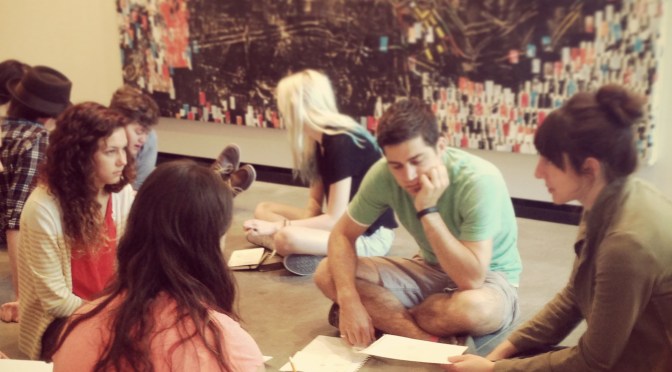
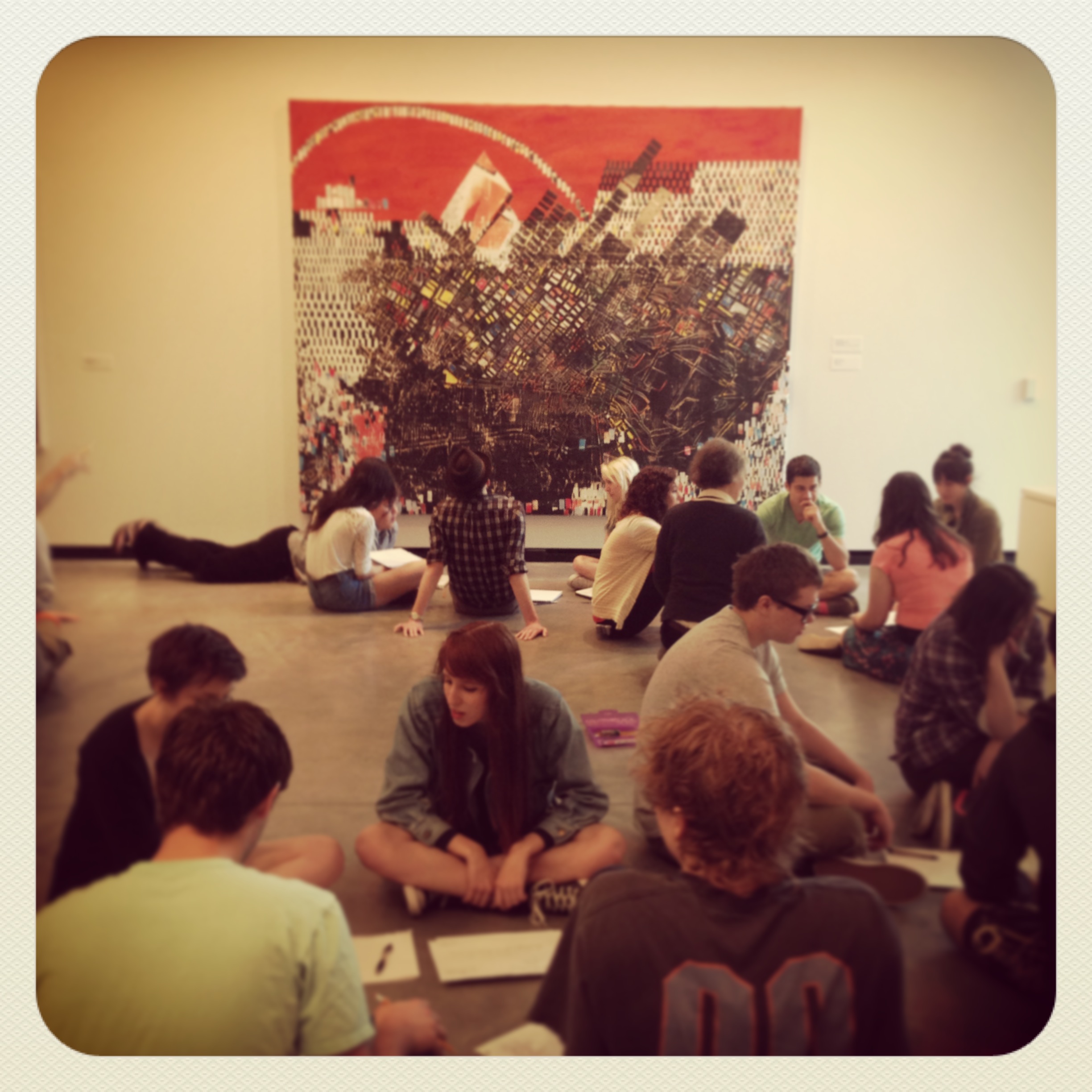 Here is a quick outline of our experience with Bradford’s piece (and I always want to be clear that these tips and strategies are not ones that I necessarily invent, but are inspired by some of the ‘Jedi knights’ of museum education like Rika Burnham, to whom I am greatly indebted. I also do use some of these strategies repeatedly when I am in the galleries, since some are just exceptional ways to open-up an experience of freedom, comfort, creative looking, and excitement):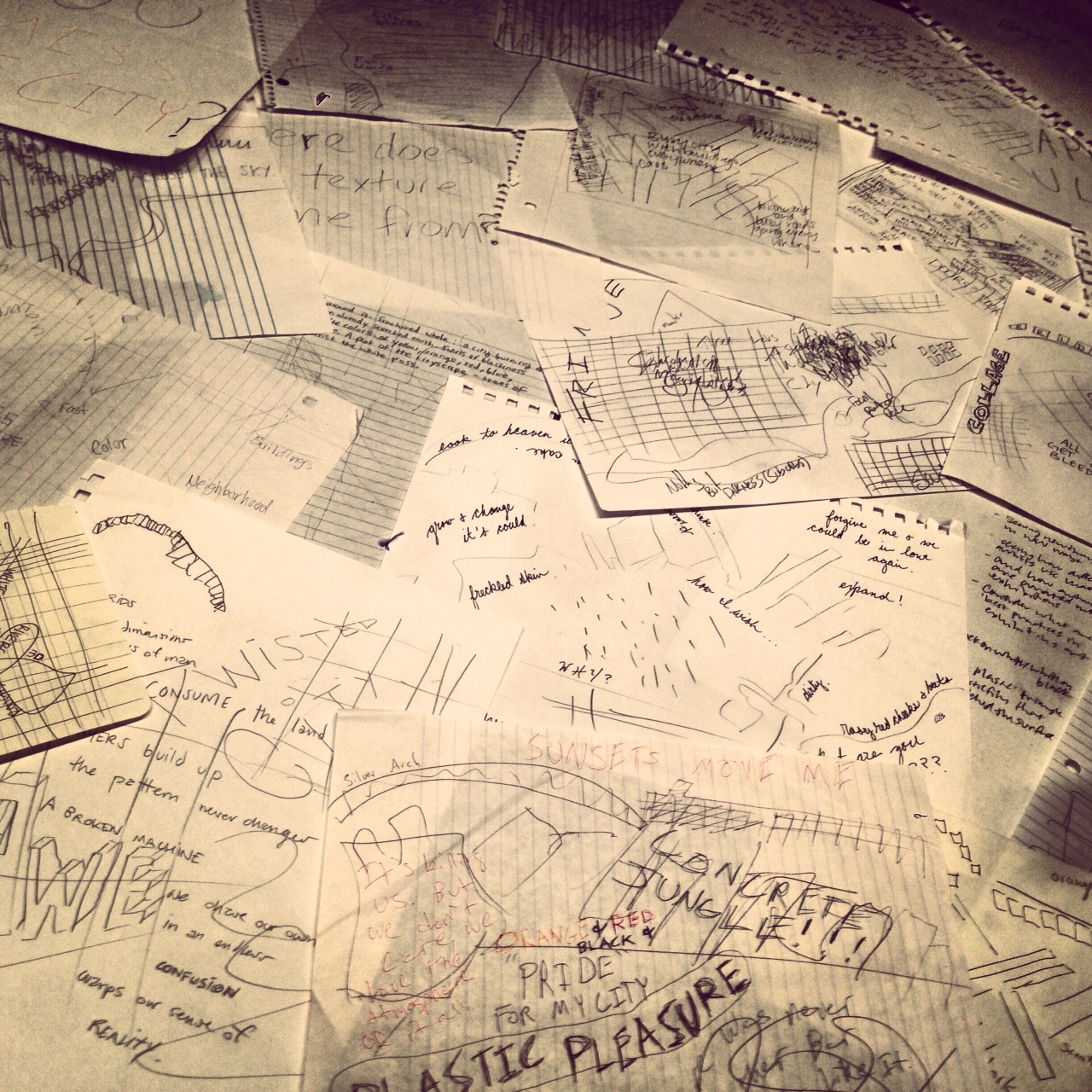

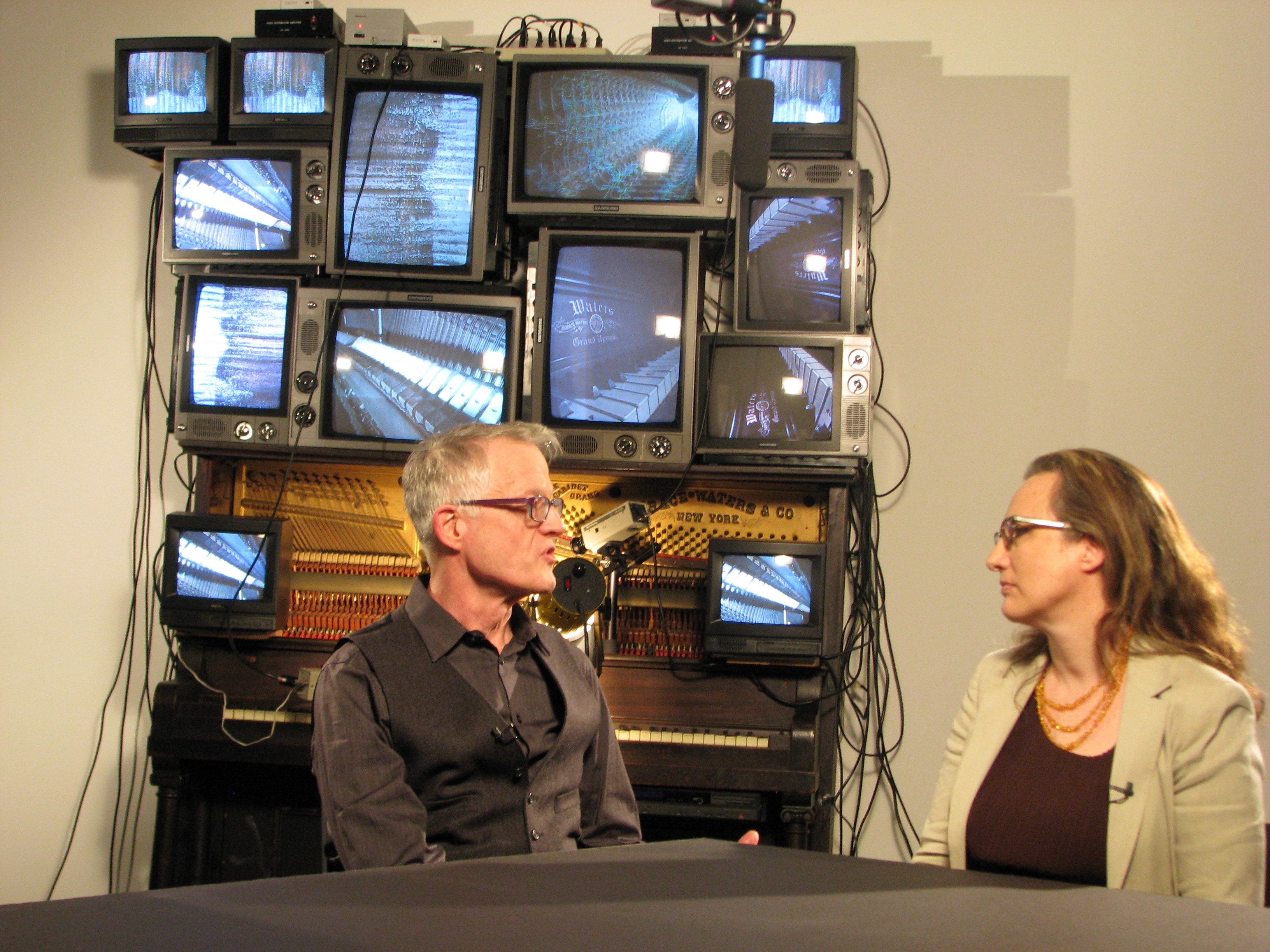
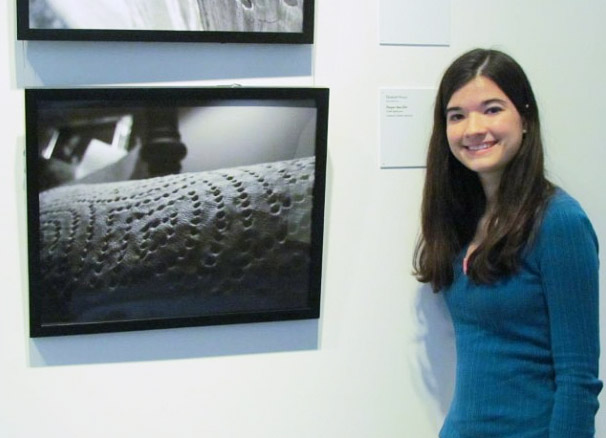
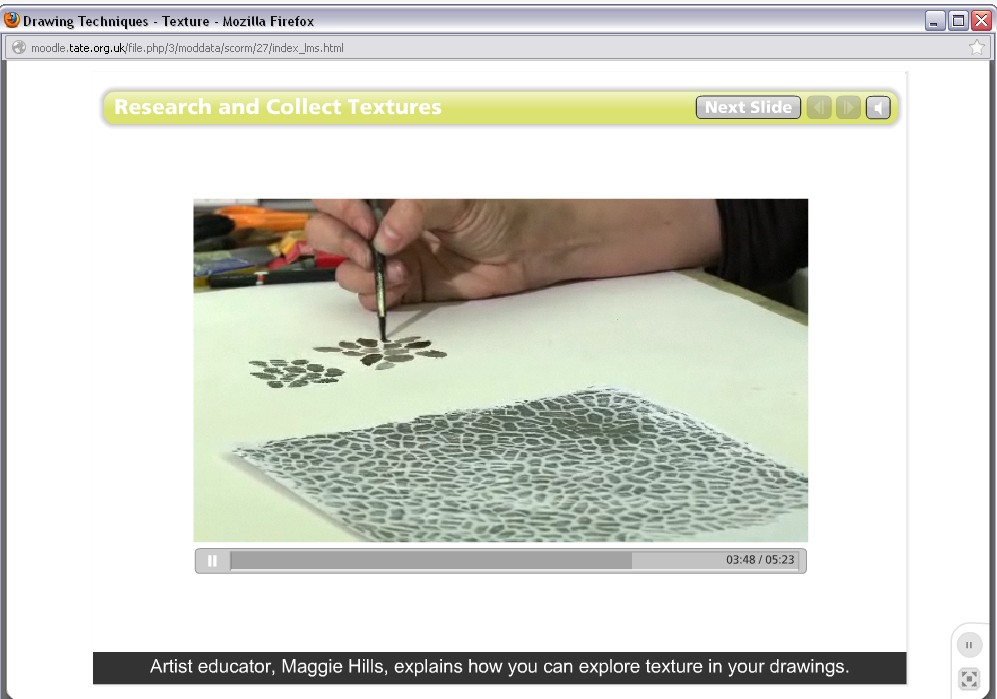


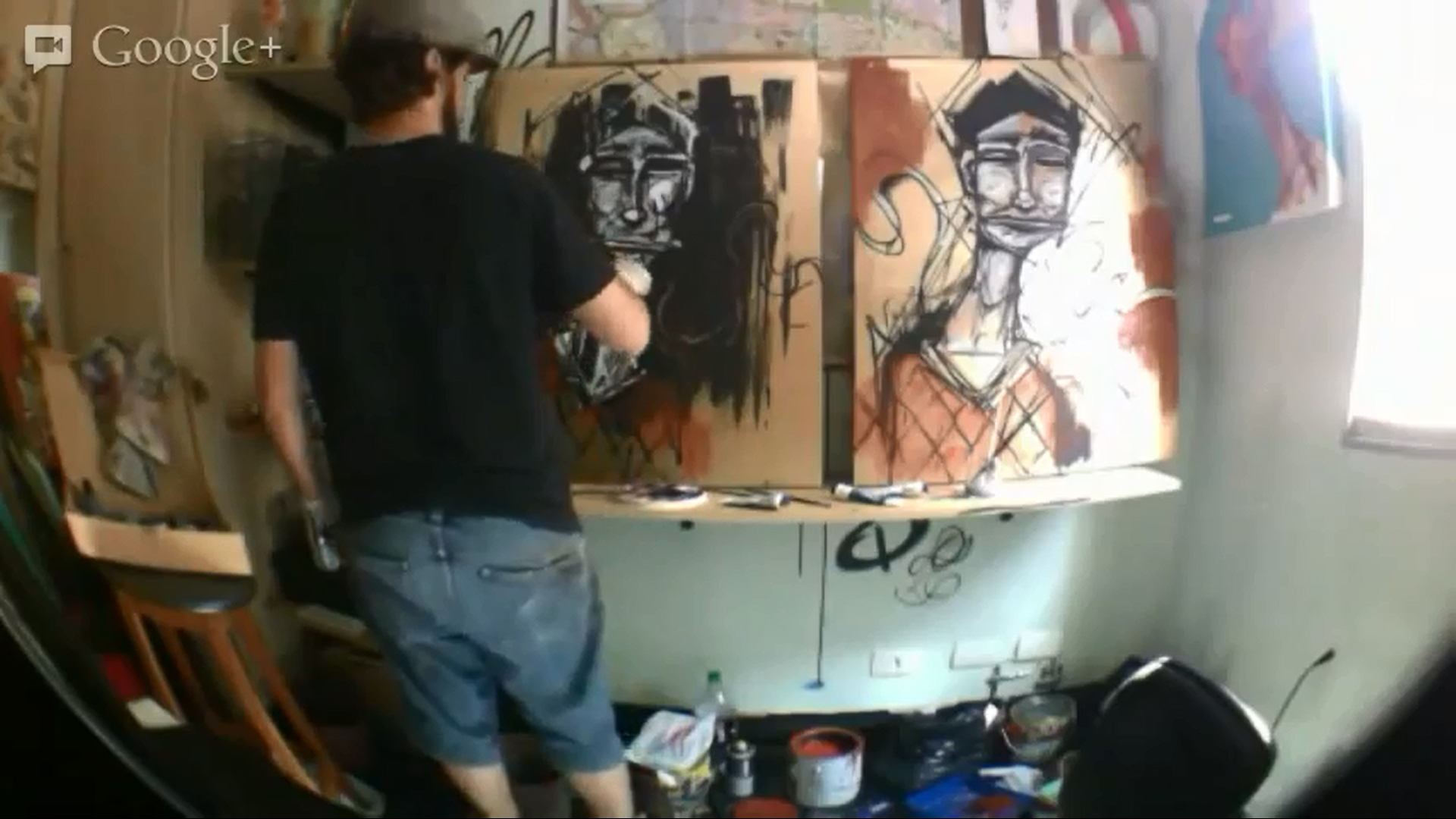
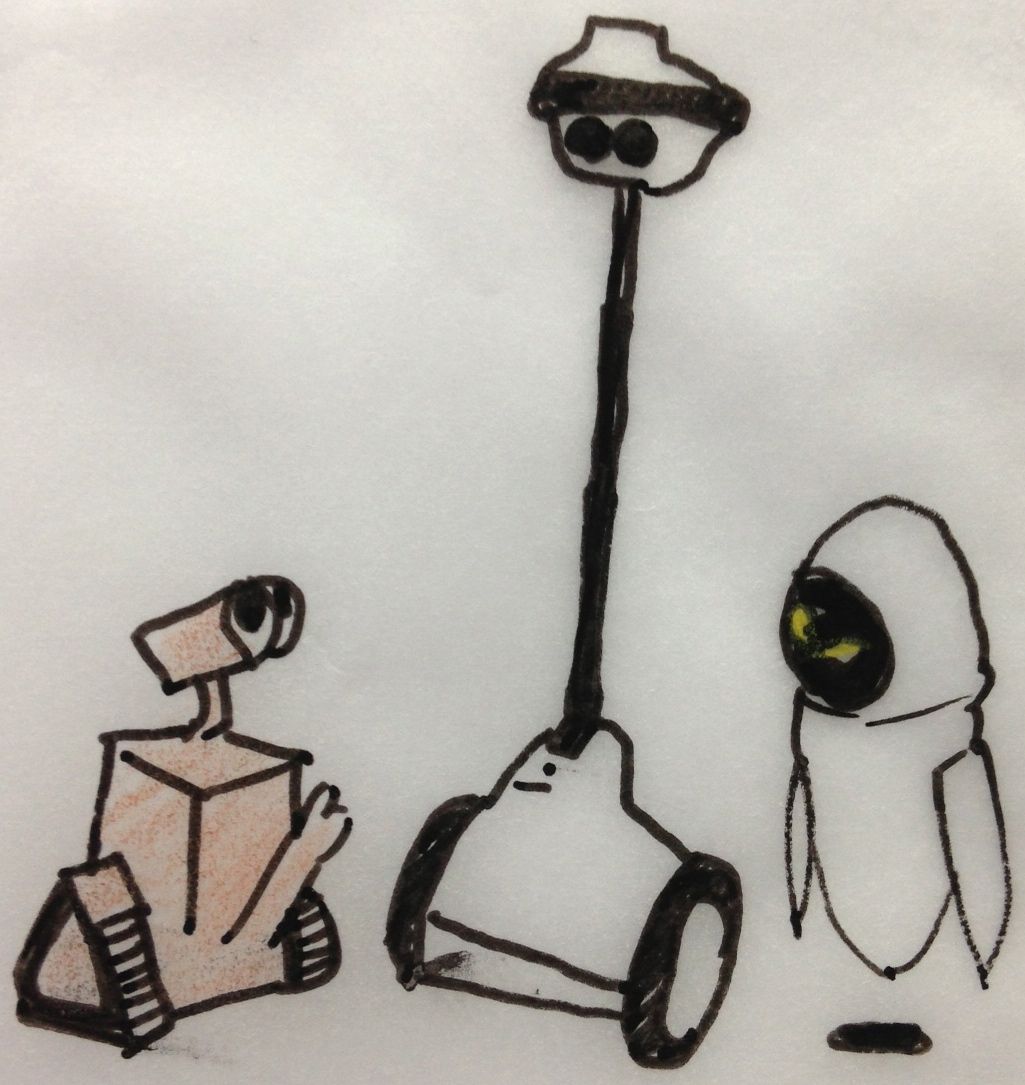


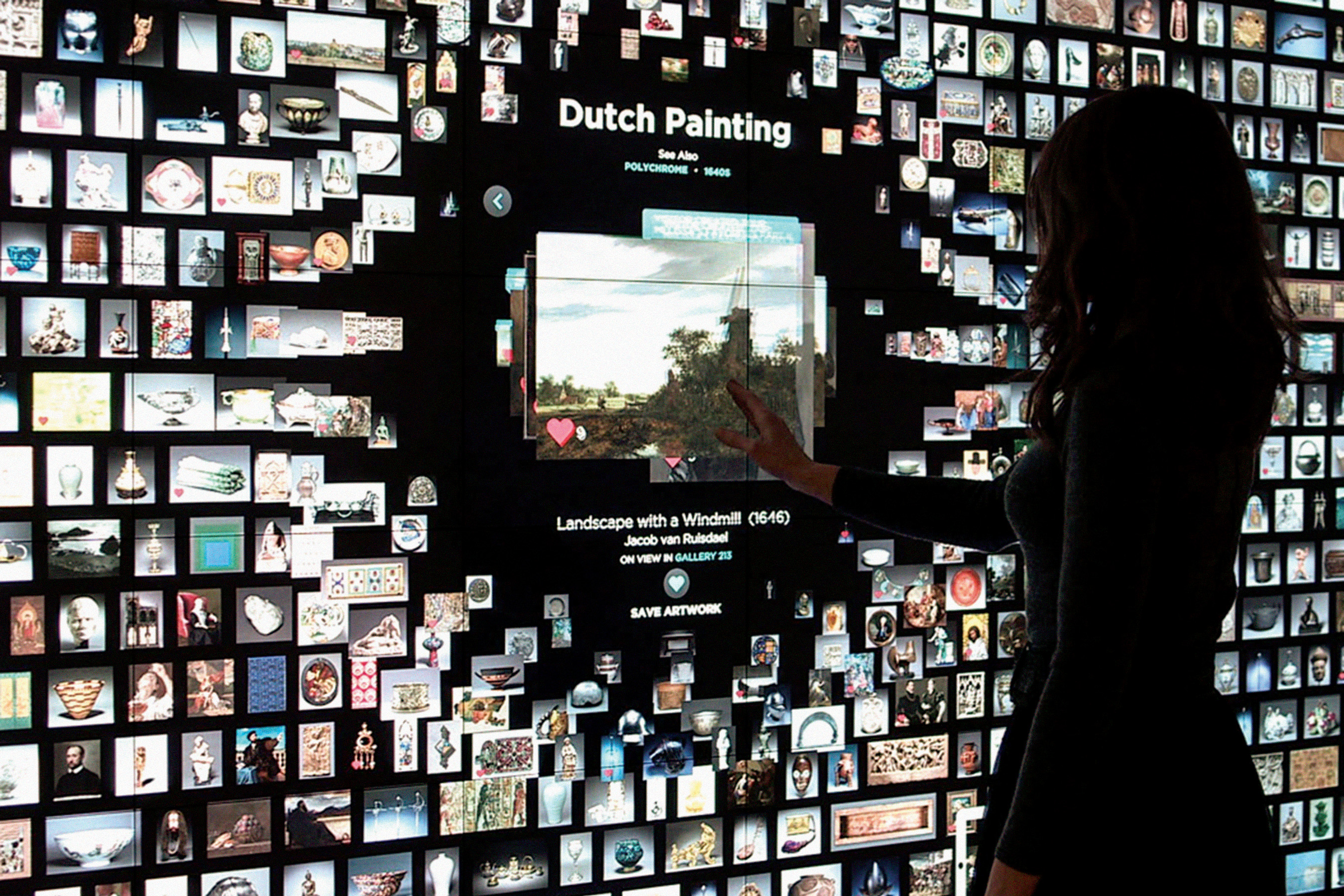

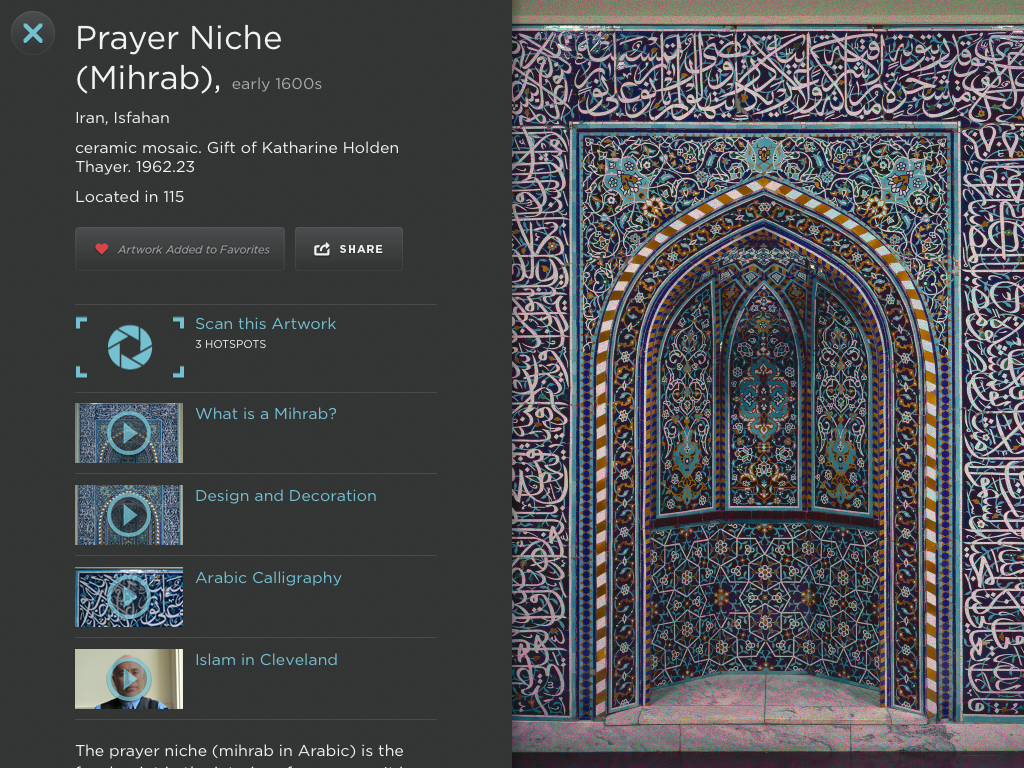
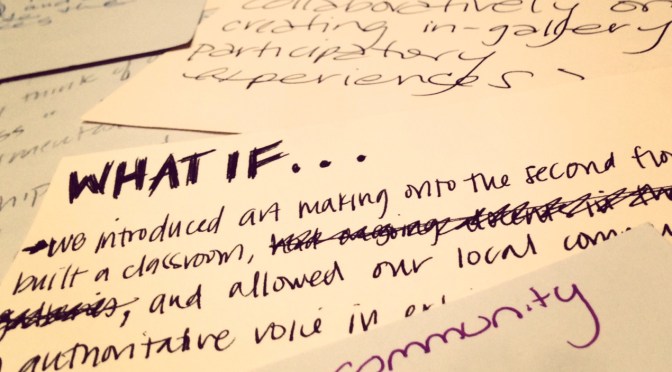
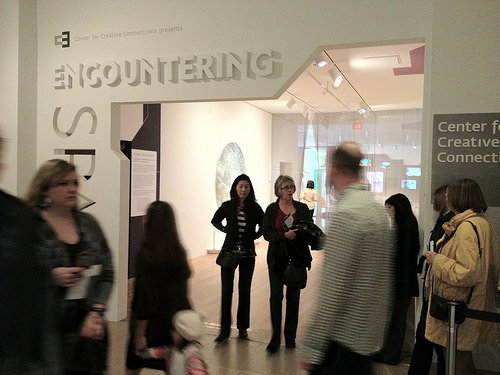
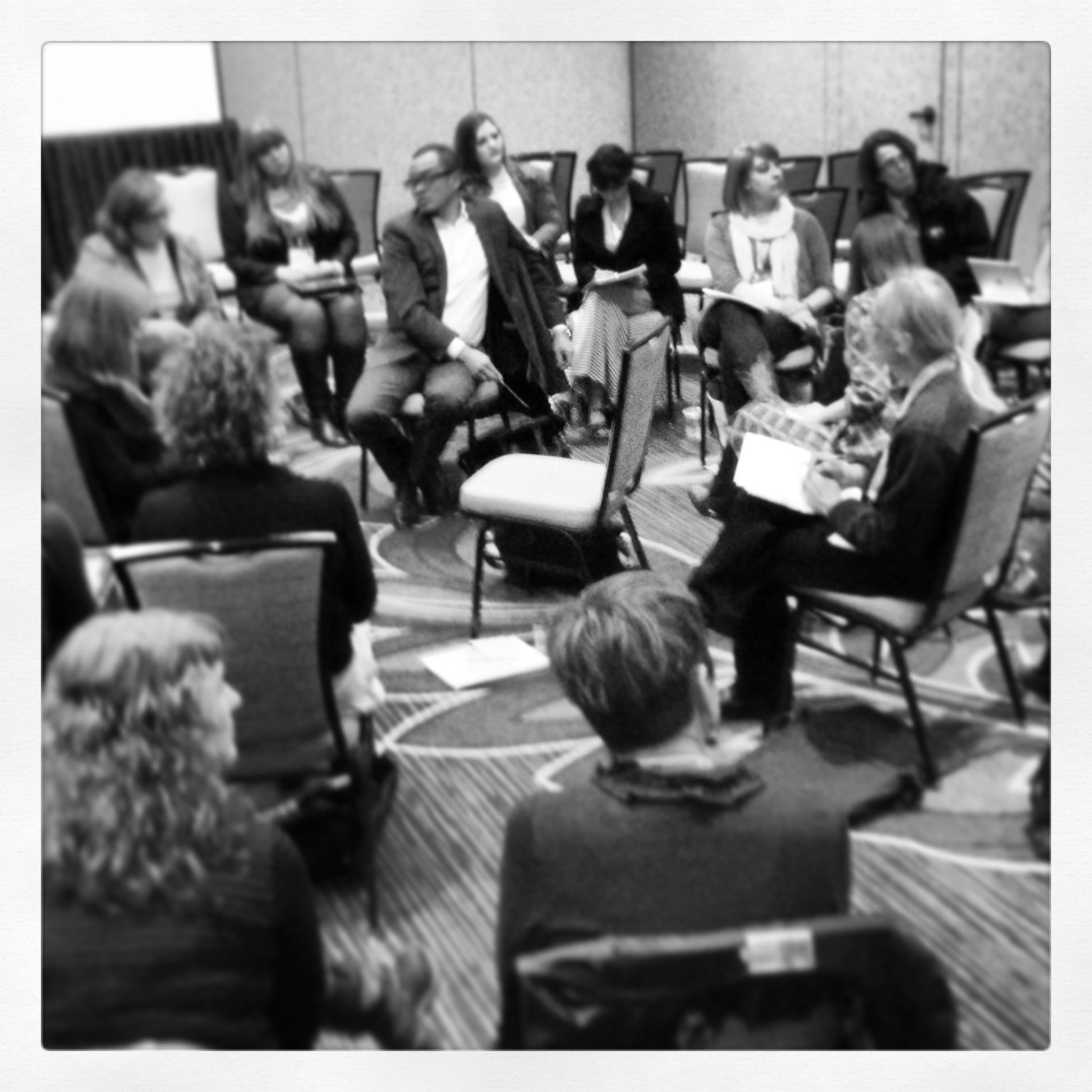

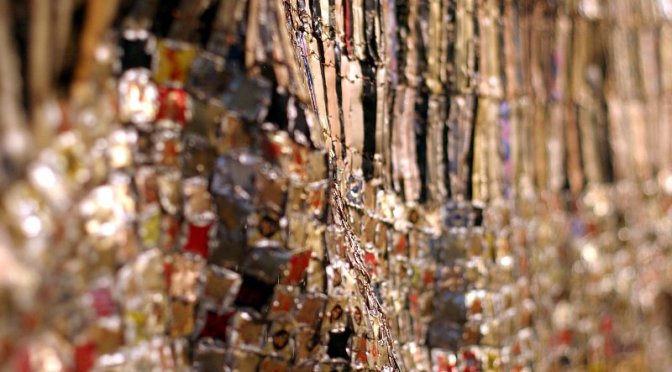
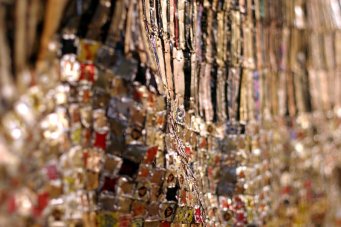
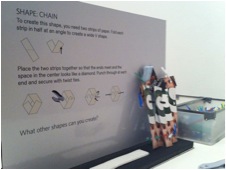
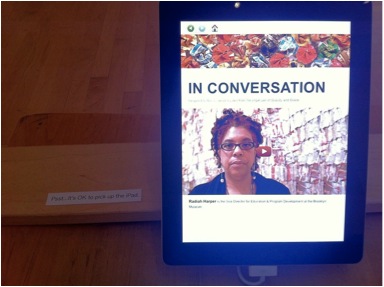


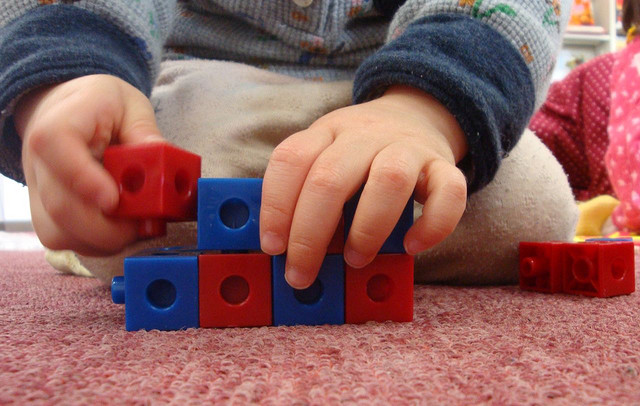
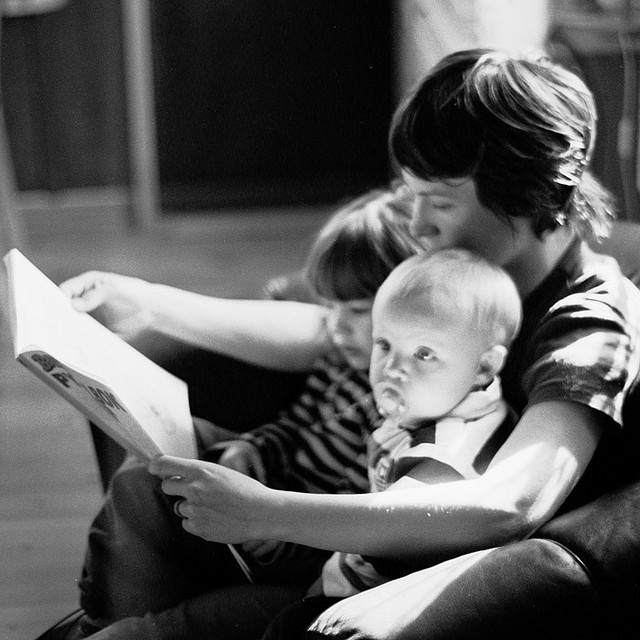
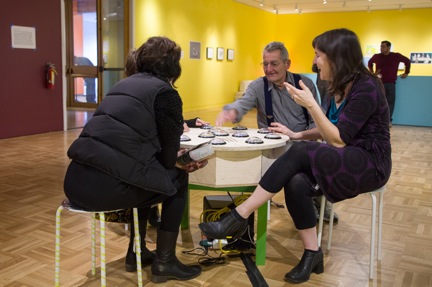
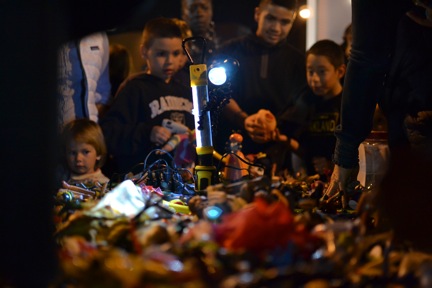
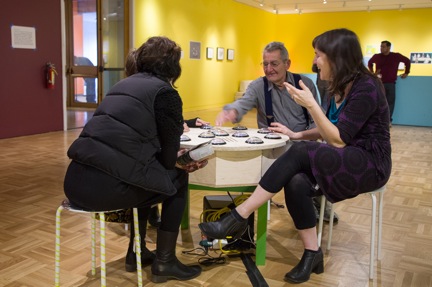
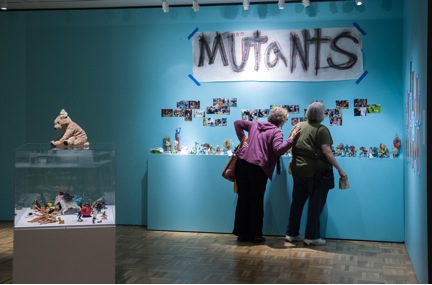
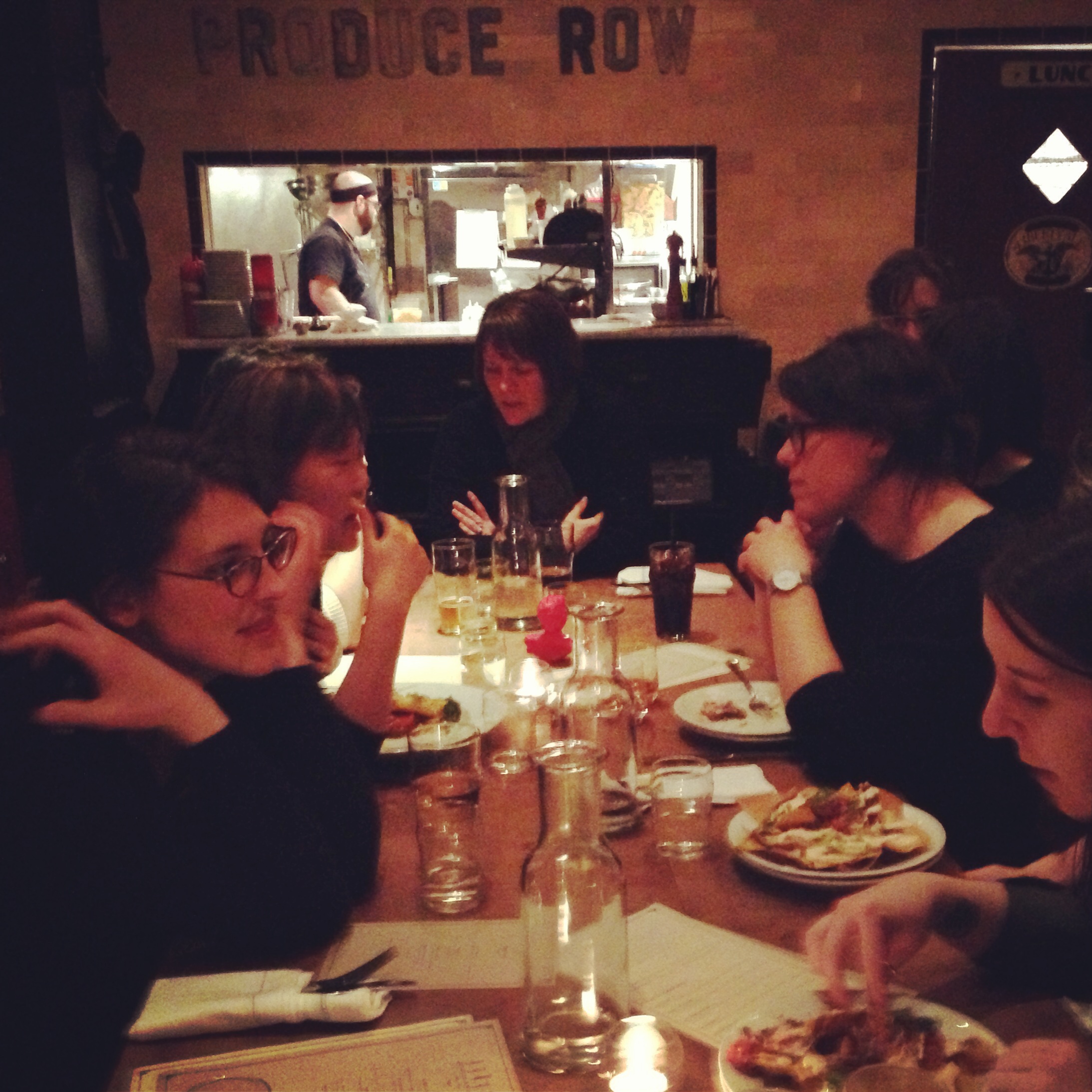
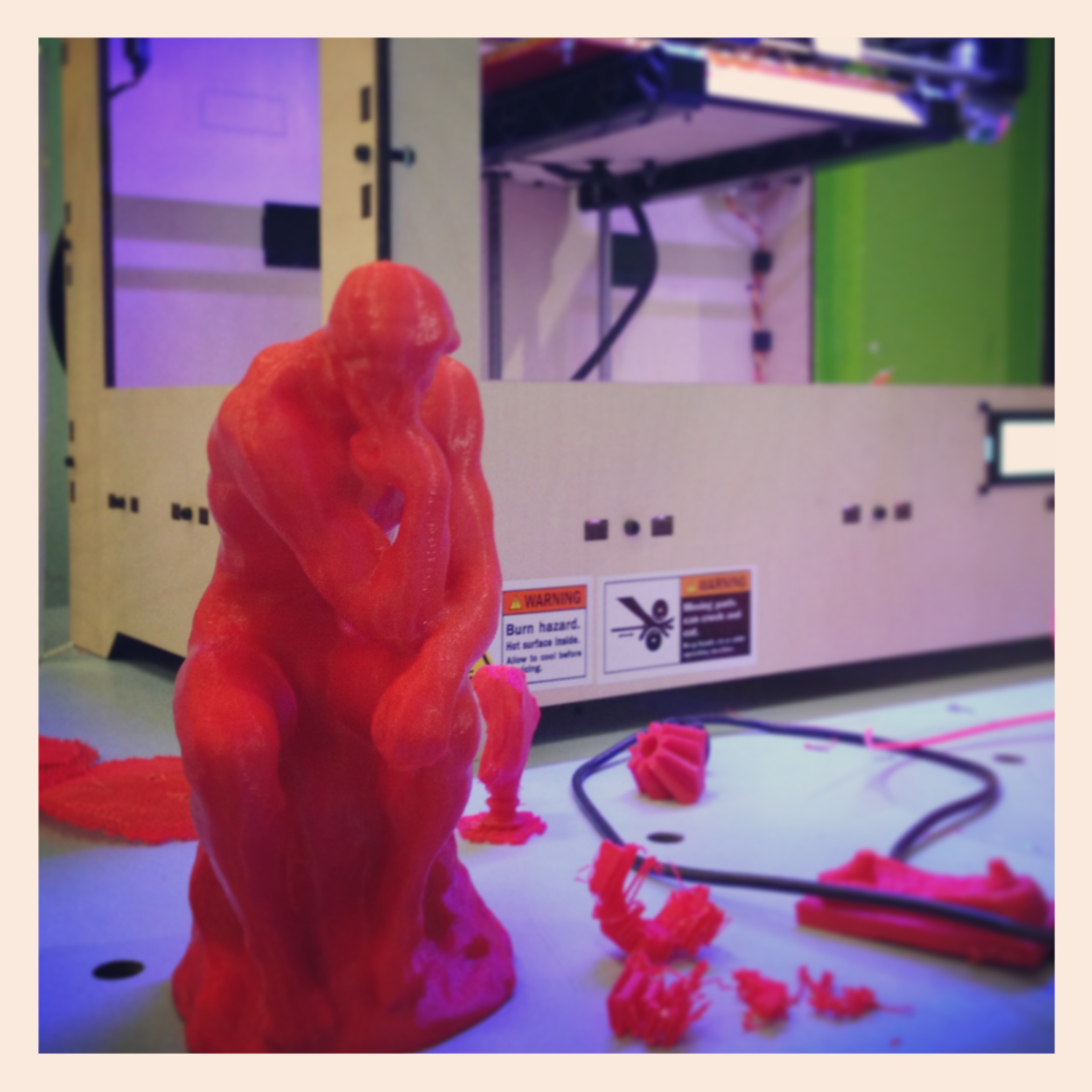
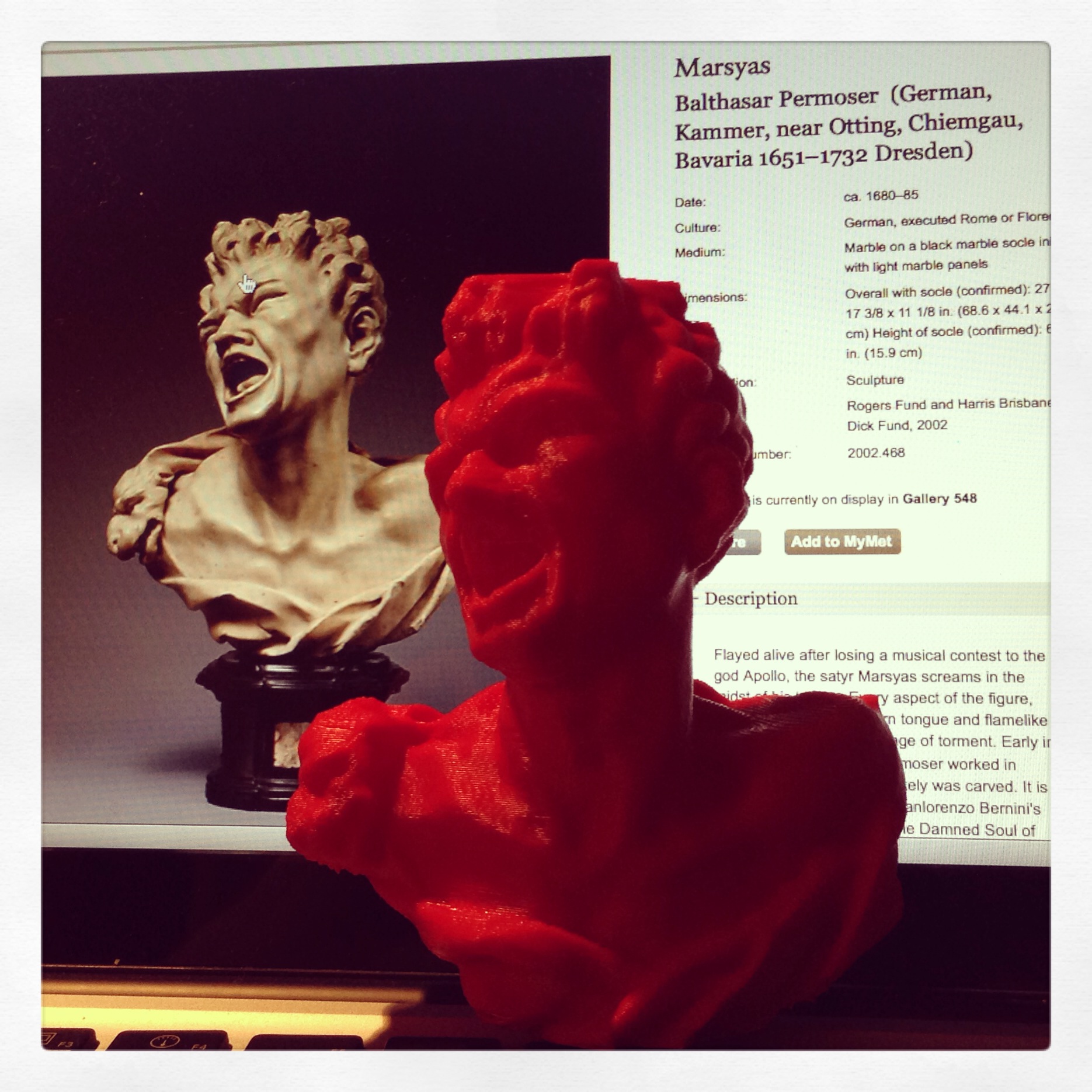
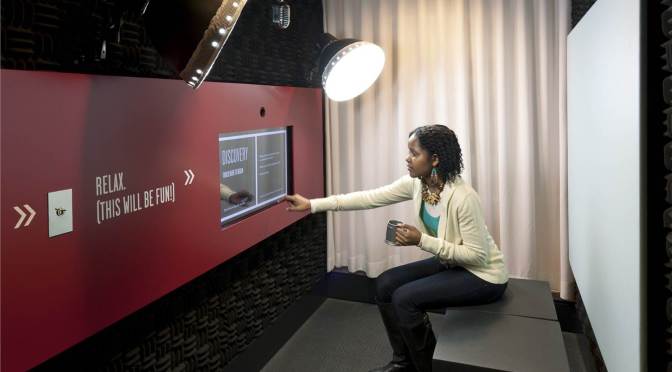
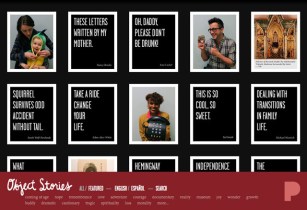


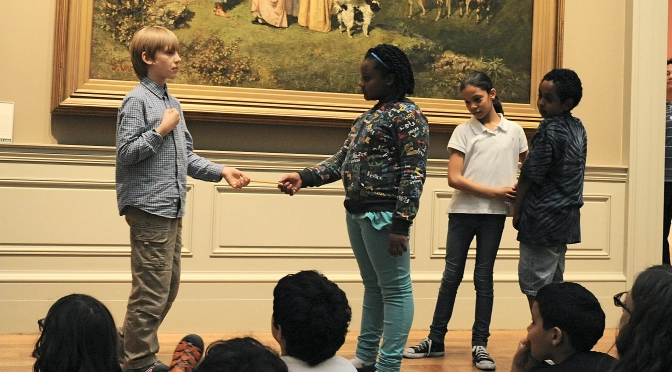


 Art Museum Teaching